














 English
 Français
 Deutsch
 Português
 Español
 русский
  한국어
한국어 العربية
 Italiano
 Indonesia
 Schweiz
 Polski
 Nederlands
 ישראל - עברית
 Perzisch
 ไทย
ไทย 日本語
日本語 ኢትዮ-አማርኛ
 Việt Nam
 Kiswahili
 Srpski
 Ελληνικά
 繁體中文
繁體中文Why EC Fans Are the Preferred Choice for Modern AHU Systems
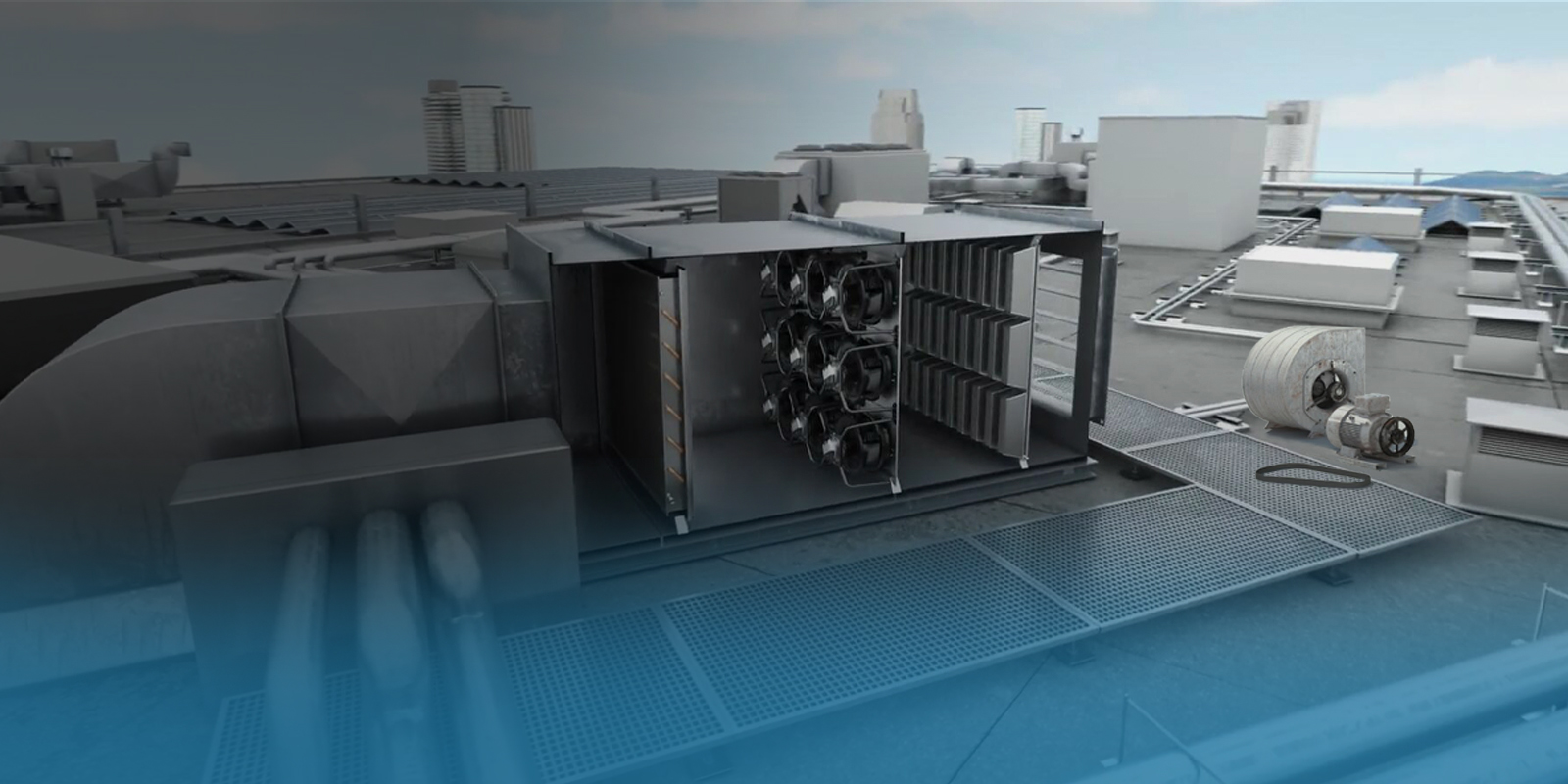
12/30/2025Modern Air Handling Units (AHUs) are expected to deliver high efficiency, precise airflow control, and long-term reliability. As HVAC systems become more intelligent and energy regulations more demanding, traditional AC fans are increasingly replaced by EC (Electronically Commutated) fans. Today, EC fans are widely regarded as the preferred solution for modern AHU systems, especially in commercial buildings, hospitals, data centers, and industrial HVAC installations. This article explains why EC fans outperform conventional AC fans in AHU applications and why they are becoming the industry standard.
The core difference between EC fans and traditional AC fans lies in their design and operational mechanism: EC fans integrate a brushless DC motor, integrated control electronics, and a high-efficiency impeller design, which stands in stark contrast to the fixed-speed operation of AC fans. This unique configuration allows EC fans to adjust their speed continuously based on real-time system demand, a fundamental advantage that translates into significant performance and energy benefits for AHU systems.
One of the most compelling reasons EC fans are favored in modern AHU systems is their superior energy efficiency at partial load. In real-world scenarios, AHUs rarely run at full load; instead, they operate under partial load conditions for the majority of their runtime. Unlike AC fans that consume a relatively fixed amount of energy regardless of load, EC fans dynamically adjust their speed to match airflow requirements, consuming far less energy when airflow is reduced. This dynamic adjustment directly boosts the overall efficiency of HVAC systems, making EC fans an ideal choice for energy-conscious AHU designs that aim to comply with strict energy regulations and reduce operational costs.
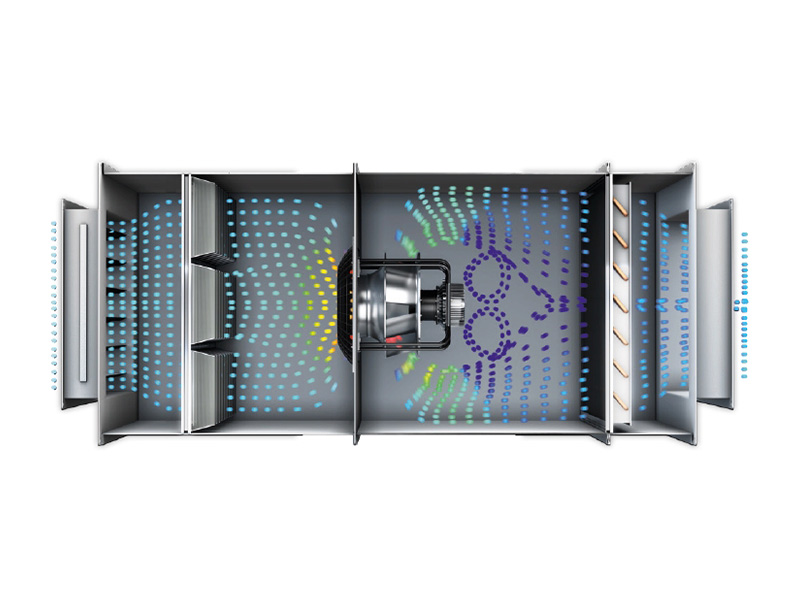
Beyond energy efficiency, EC fans offer precise airflow and pressure control, a critical requirement for modern AHUs that operate under variable conditions such as filter loading, variable air volume (VAV) operation, and seasonal demand fluctuations. Thanks to their accurate speed regulation capability, EC fans maintain stable airflow across a wide operating range, ensuring consistent system performance even when external conditions change. This level of precision is hard to achieve with AC fans, which often struggle to adapt to varying load demands and may lead to inconsistent airflow and pressure levels.
Seamless integration with HVAC control systems is another key advantage of EC fans. Equipped with integrated electronics, EC fans support standard control protocols including 0–10V or PWM control, as well as Modbus and BACnet communication. This enables effortless integration with Building Management Systems (BMS) and HVAC automation platforms, allowing facility managers to monitor fan performance in real time, adjust settings remotely, and optimize system operation for maximum efficiency. In contrast, AC fans typically require additional external components to enable similar control capabilities, adding complexity and cost to the AHU system.
Noise control is a top priority in commercial and institutional settings like offices, hospitals, and public spaces, and EC fans excel in this area as well. By operating at lower speeds during partial load conditions and utilizing optimized impeller designs that minimize turbulence, EC fans produce significantly less noise compared to AC fans. Additionally, EC fans eliminate the abrupt on/off cycling common with AC fans, which not only reduces noise but also extends the lifespan of the fan components by minimizing wear and tear from frequent start-stop cycles.
The compact design of EC fans also simplifies AHU integration and design flexibility. EC fans require fewer external components, and they do not need an additional frequency inverter, which reduces the overall footprint of the fan system. This allows AHU manufacturers to create more compact, modular units that are easier to install and maintain, while also providing greater design flexibility to meet the specific spatial requirements of different buildings.
Furthermore, EC fans offer lower maintenance requirements and a longer service life, making them ideal for critical AHU applications that demand continuous operation. The brushless DC motor design generates less heat during operation, and integrated protection features safeguard the fan against overheating, voltage fluctuations, and other potential issues. This stable, low-maintenance performance translates into reduced downtime and lower long-term operational costs for facility managers.
When comparing EC fans and AC fans in AHU applications, the advantages of EC fans become clear: they offer continuous, precise speed control versus the limited or inverter-dependent control of AC fans; they deliver higher energy efficiency at partial load; they produce lower noise levels; they feature built-in control integration without the need for external components; and they require significantly less maintenance over their lifespan.
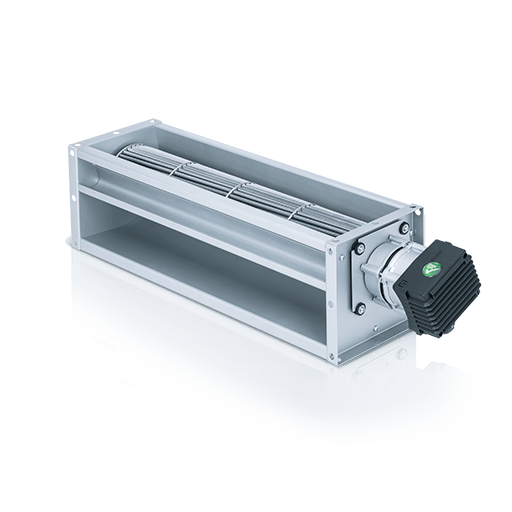
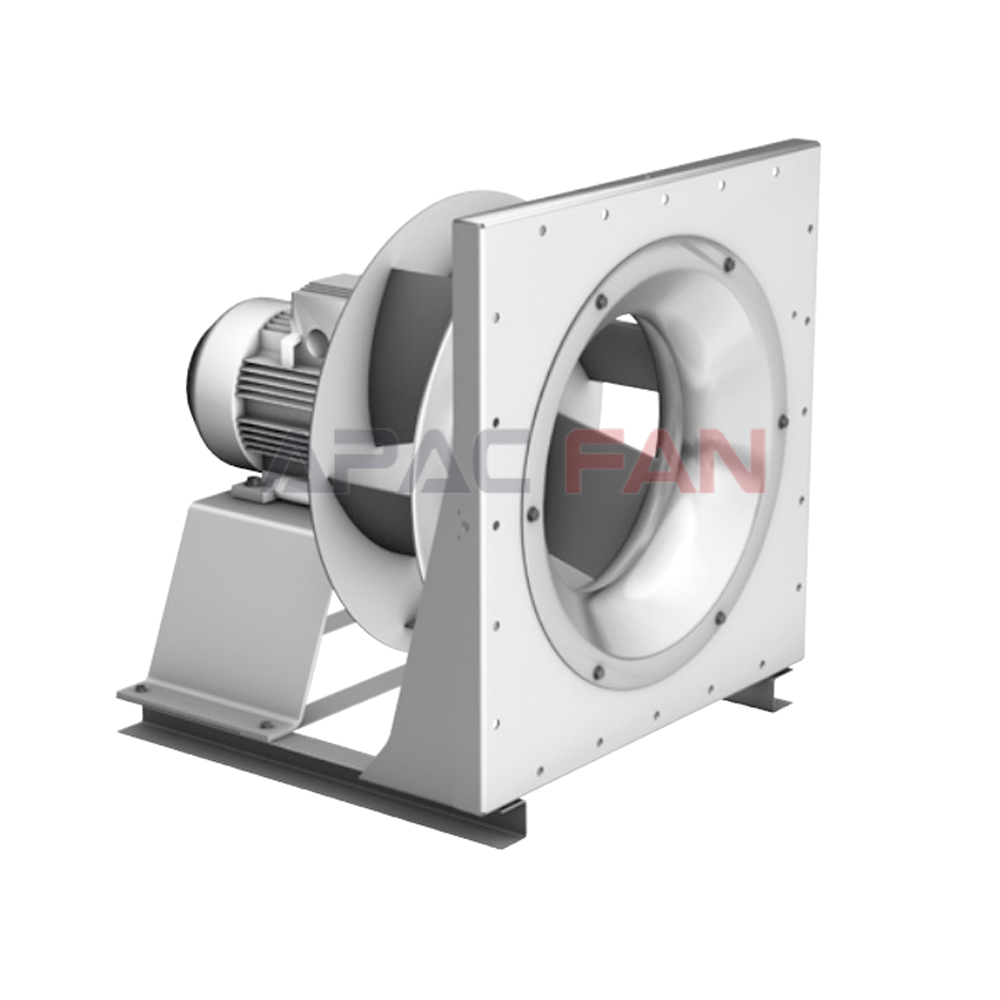
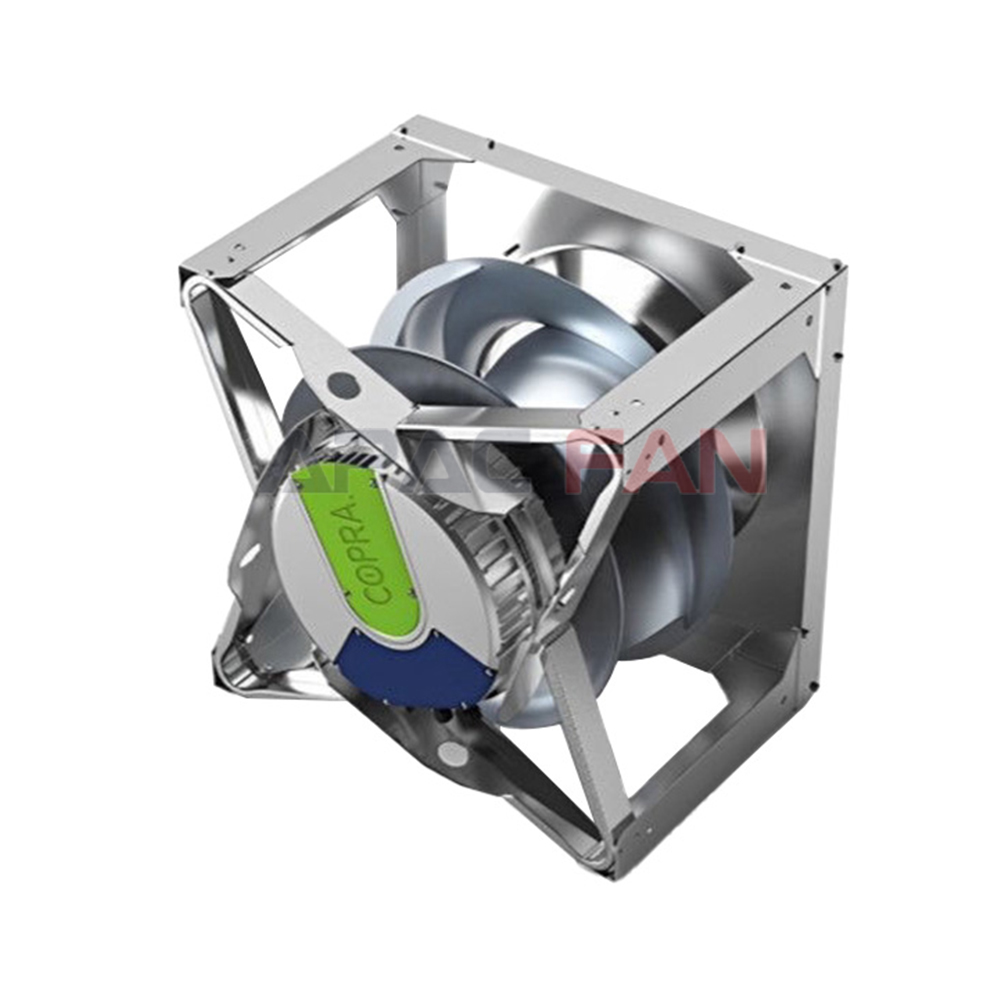
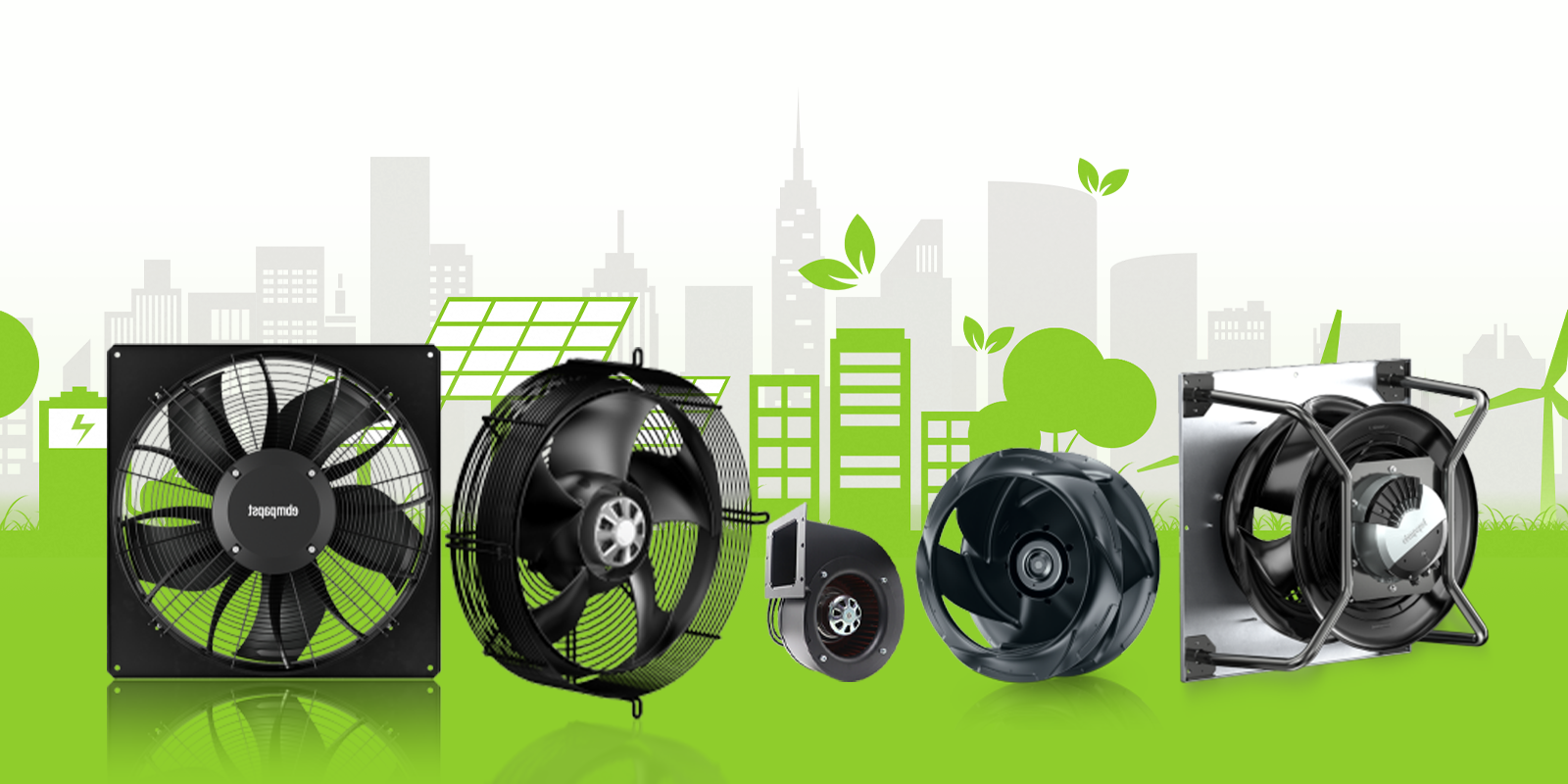
In the EC fan market, ebm-papst stands out as a leader, renowned for its advanced EC motor technology, high-performance centrifugal and plug fans, and proven reliability in HVAC applications. ebm-papst EC fans are widely deployed across commercial HVAC systems, healthcare and cleanroom AHUs, data center air handling units, and industrial HVAC installations, making them a preferred choice for AHU manufacturers and system integrators who prioritize efficiency, control, and durability.
Upgrading from AC fans to EC fans is particularly beneficial in several scenarios: when facility managers need to reduce energy costs, when AHU systems require enhanced airflow control to meet changing operational demands, when existing AC fans are approaching the end of their service life, or when integrating modern HVAC control systems to achieve smarter, more automated building management. Many retrofit projects have demonstrated significant operational improvements, including reduced energy consumption and enhanced system performance, by replacing traditional AC fans with EC fan solutions.
For customers seeking reliable EC fan solutions for their AHU systems, APAC FAN is a trusted supplier, offering ebm-papst EC fans to clients across Europe, Southeast Asia, and the Middle East. What sets APAC FAN apart is its commitment to application-based fan selection, comprehensive HVAC engineering support, extensive experience in AHU, data center, and refrigeration projects, and fast technical response paired with reliable supply chain services.
If you are designing or upgrading an AHU system, choosing the right EC fan is essential to achieving optimal efficiency, control, and reliability. Our team of experts can help you select the best ebm-papst EC fan solution tailored to your specific AHU application needs.