











 English
 Français
 Deutsch
 Português
 Español
 русский
  한국어
한국어 العربية
 Italiano
 Indonesia
 Schweiz
 Polski
 Nederlands
 ישראל - עברית
 Perzisch
 ไทย
ไทย 日本語
日本語 ኢትዮ-አማርኛ
 Việt Nam
 Kiswahili
 Srpski
 Ελληνικά
 繁體中文
繁體中文Common AHU Fan Problems and How ebm-papst Solves Them
01/08/2026In many HVAC systems, overall performance issues are frequently traced back to the Air Handling Unit (AHU) fan. Problems such as insufficient or unstable airflow, excessive noise, and high energy consumption directly impact indoor environmental quality, drive up operational costs, and increase maintenance burdens. Understanding these common AHU fan challenges, and how modern EC fan technology effectively addresses them, is crucial for engineers and facility managers responsible for maintaining or upgrading HVAC systems.
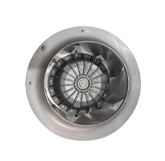
A primary and disruptive issue is insufficient or unstable airflow, often stemming from fans that are not correctly selected for the actual system pressure, increased system resistance from clogged filters, or the inability of fixed-speed AC fans to adapt to changing conditions. ebm-papst EC fans provide a direct solution to this through precise speed control, enabling stable airflow across a wide operating range. This allows the fans to automatically adapt to real-time system demand, ensuring consistent ventilation performance even as conditions change. Closely related is the problem of excessive energy consumption, commonly caused by fans running continuously at full speed, inefficient AC motor technology, and poor part-load efficiency. ebm-papst EC fans are inherently designed to combat this by adjusting their speed based on immediate demand, operating with high efficiency even at partial loads, thereby significantly reducing unnecessary power consumption and making them ideal for energy-saving retrofits and new projects.
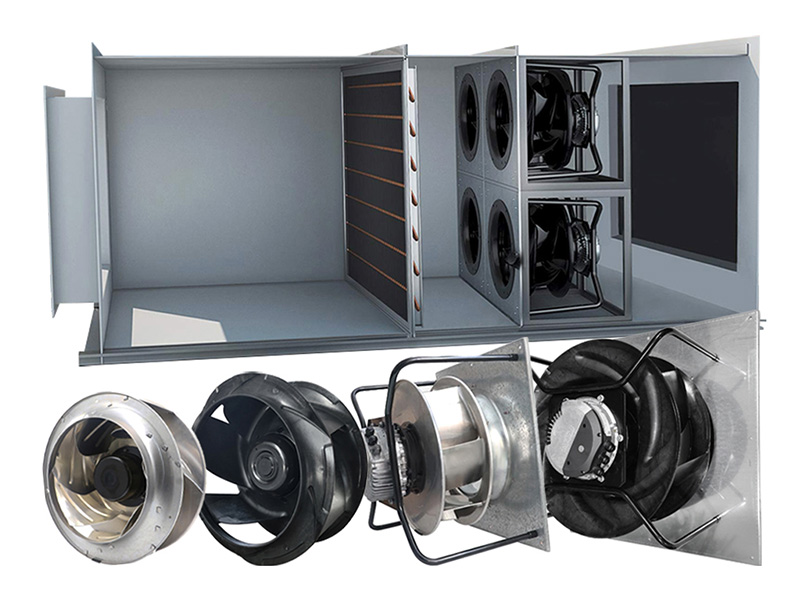
Noise pollution in commercial buildings like offices and hospitals is another frequent complaint, typically resulting from fans running at constant high speeds, aerodynamically inefficient impellers, and poor vibration isolation. ebm-papst tackles this with EC fans featuring optimized impeller designs for smoother airflow, combined with gentle speed regulation and reduced mechanical stress, which collectively lower operational noise levels and enhance occupant comfort. Beyond performance and acoustic issues, traditional AHU fans often suffer from limited control and monitoring capabilities, being restricted to simple on/off functionality and lacking integration with modern Building Management Systems (BMS). ebm-papst EC fans overcome this limitation by supporting industry-standard 0–10V and PWM control, as well as communication protocols like Modbus and BACnet, along with feedback signals for diagnostics, allowing for seamless integration into intelligent building automation systems.
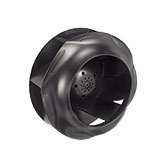
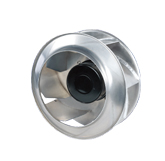
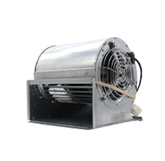
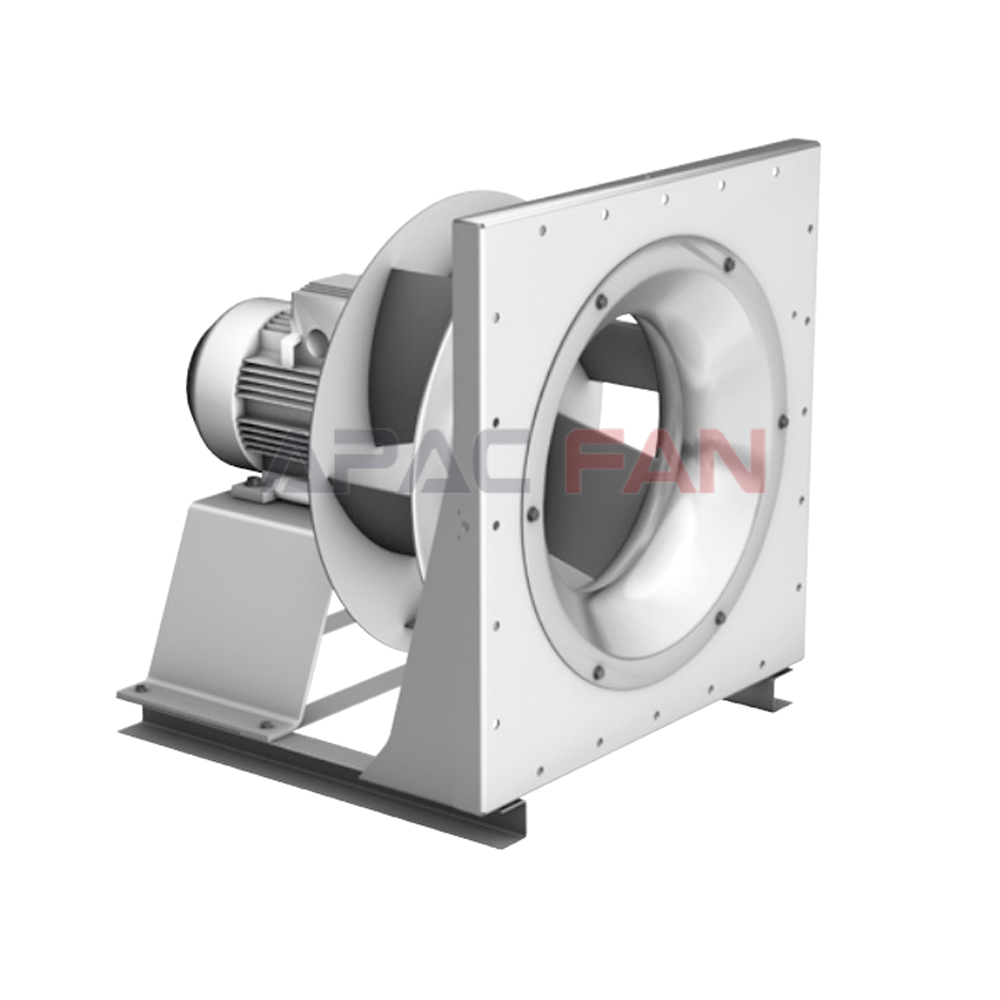
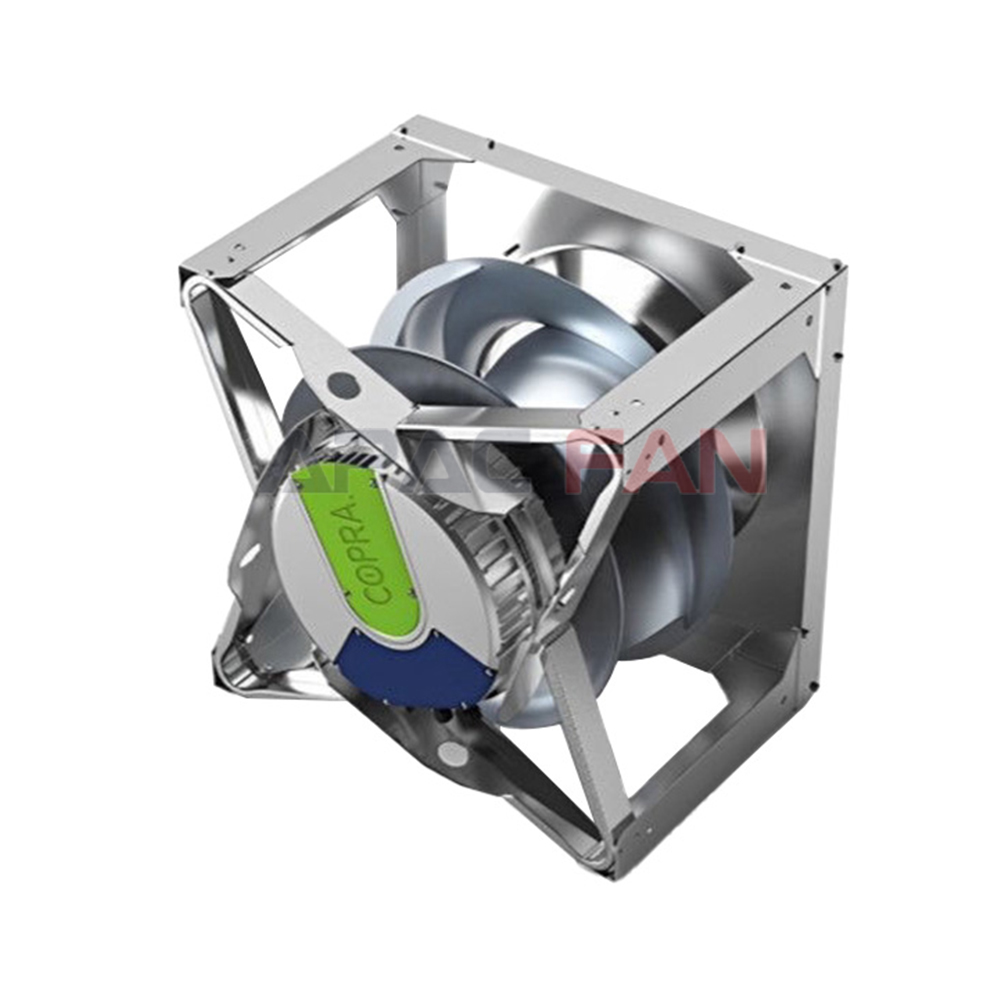
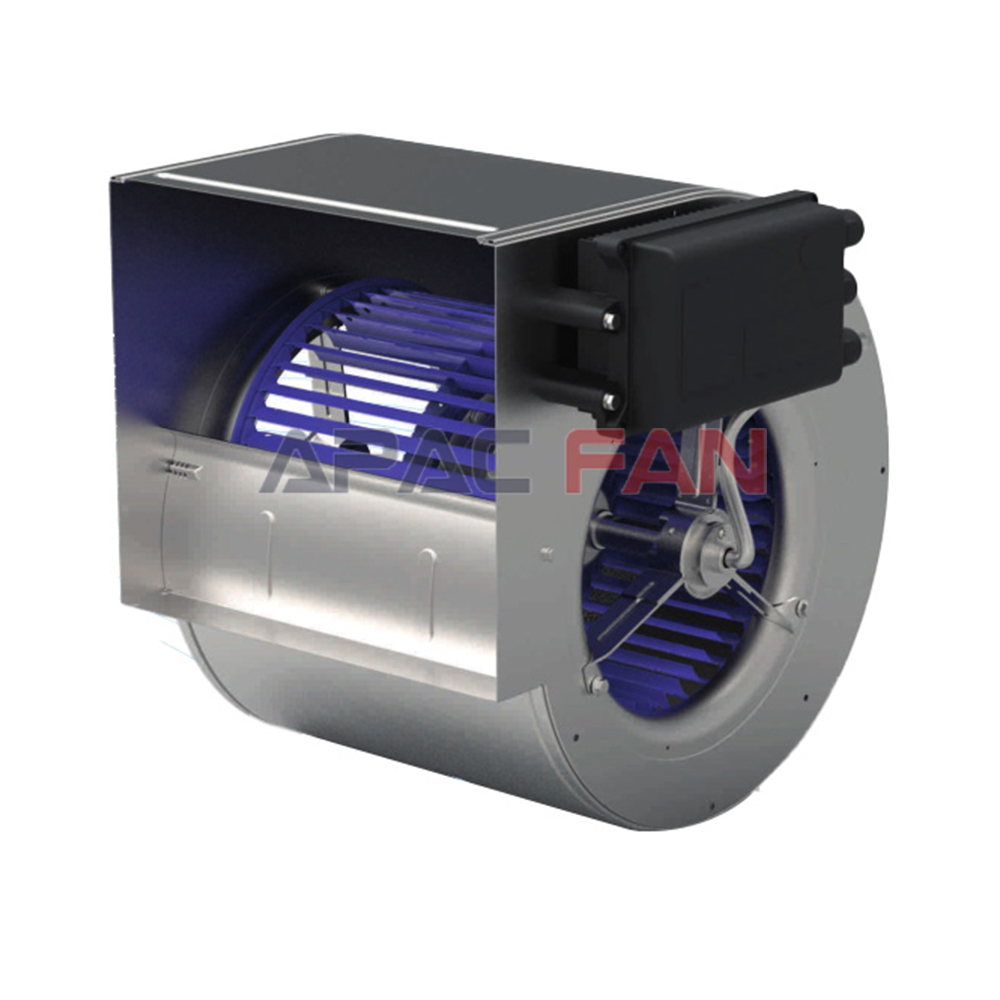
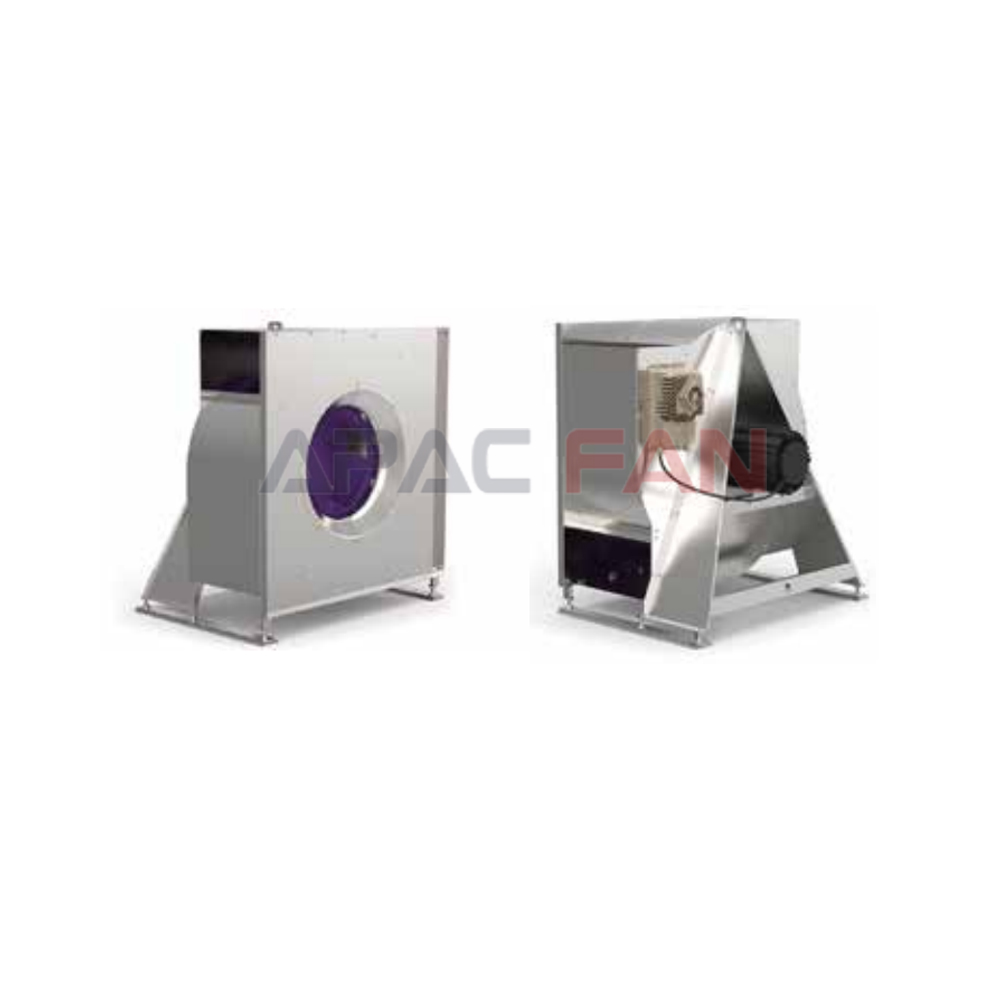
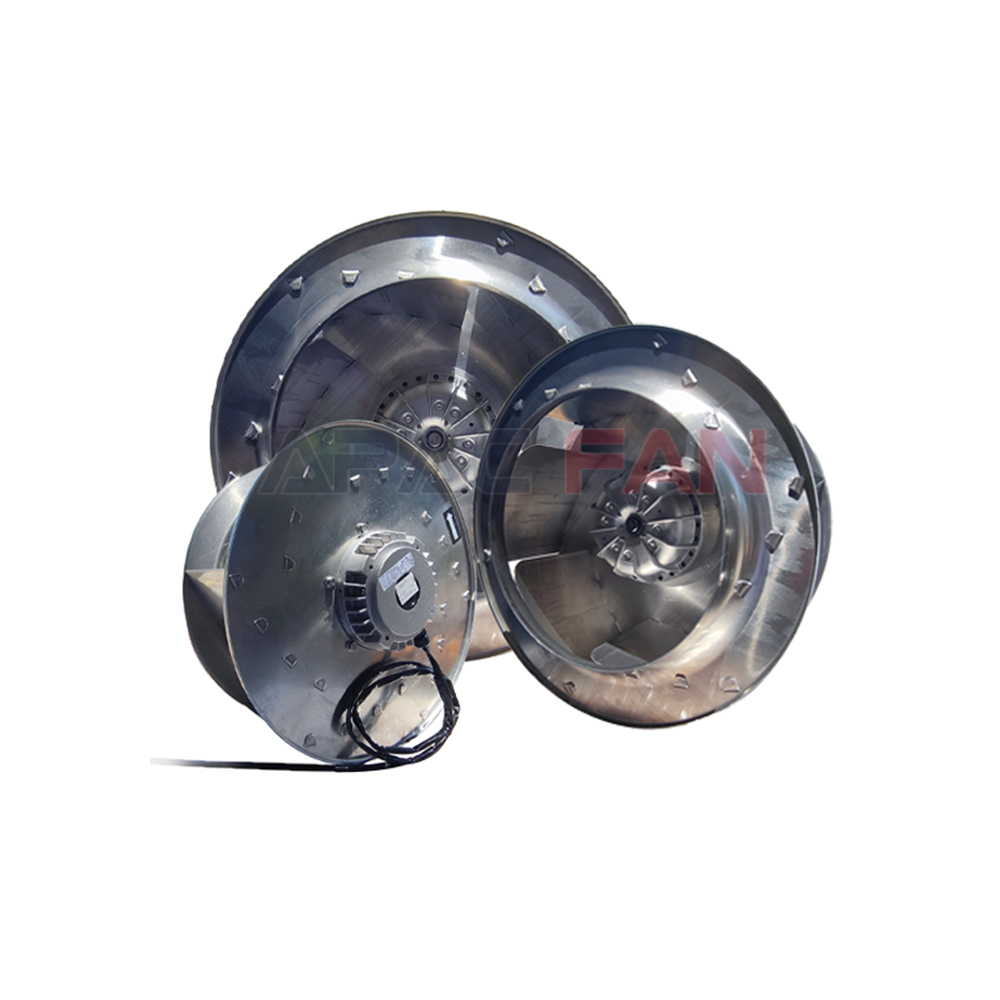
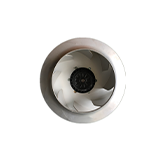
These operational shortcomings often lead to high maintenance requirements and a shortened service life, driven by the mechanical stress of fixed-speed operation, AC motor overheating, and frequent start/stop cycles. The advanced technology in ebm-papst EC fans reduces motor heat generation and mechanical wear, which extends maintenance intervals and delivers greater long-term reliability. Finally, a significant practical hurdle is the difficulty of retrofitting existing AHU systems due to space constraints and control incompatibilities. ebm-papst addresses this with a range of compact EC centrifugal and plug fans that offer flexible installation options, making them straightforward to integrate into existing AHU housings for effective upgrade projects.
These fan issues are prevalent in aging commercial buildings, healthcare facilities, data centers, and industrial sites, where fan performance directly impacts comfort, safety, and operational continuity. Upgrading to EC fans is strongly recommended when facing rising energy costs, unstable airflow, frequent noise complaints, or as existing fans near their end-of-life, as they holistically improve overall AHU performance. ebm-papst fans are a trusted solution for such problem-solving, combining advanced EC motor technology with proven aerodynamic designs for reliable performance. For expert support in resolving these challenges, partnering with a specialist like APAC FAN provides valuable benefits, including application-based fan selection, technical troubleshooting, and dedicated support for AHU upgrades and retrofits across markets in Europe, Southeast Asia, and the Middle East, ensuring optimal solutions for real-world HVAC system challenges.