















 English
 Français
 Deutsch
 Português
 Español
 русский
  한국어
한국어 العربية
 Italiano
 Indonesia
 Schweiz
 Polski
 Nederlands
 ישראל - עברית
 Perzisch
 ไทย
ไทย 日本語
日本語 ኢትዮ-አማርኛ
 Việt Nam
 Kiswahili
 Srpski
 Ελληνικά
 繁體中文
繁體中文From Legacy AHU to FanGrid: Restoring Cooling Stability Without Full Replacement
06/01/2026As production facilities continue to increase equipment density and thermal loads, many aging Air Handling Units (AHUs) are being pushed beyond their original design limits. Systems that once provided adequate airflow and cooling performance often struggle to maintain stability under modern operating conditions, resulting in reduced efficiency, uneven airflow distribution, and limited operational flexibility.
A leading electronics manufacturer in Sichuan recently encountered this challenge. The company's existing AHU, built around conventional fan technology, could no longer consistently support the cooling requirements of its expanding production environment. Three performance issues had become increasingly apparent: uneven airflow distribution throughout the unit, poor turndown capability under varying load conditions, and growing instability in cooling performance.
Although the AHU remained operational, its performance margin was rapidly diminishing, raising concerns about long-term reliability and future production demands.
A Practical Alternative to Full AHU Replacement
To address these challenges, AISA PACIFIC SHENGRUI LIMITED proposed a targeted AHU FanGrid retrofit rather than a complete system replacement.
Replacing the entire AHU would have required substantial capital investment, extended downtime, and significant disruption to ongoing operations. By contrast, a FanGrid conversion allowed the customer to modernize the system while preserving the existing AHU structure.
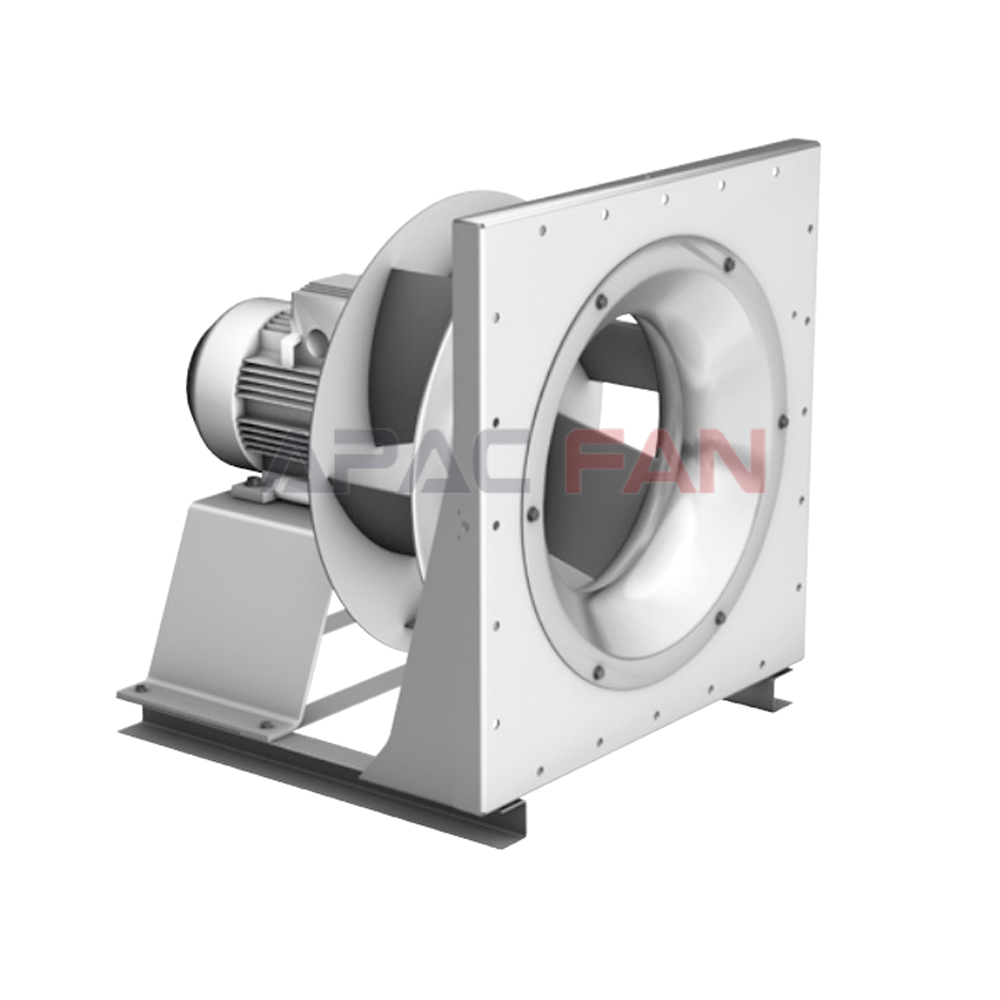
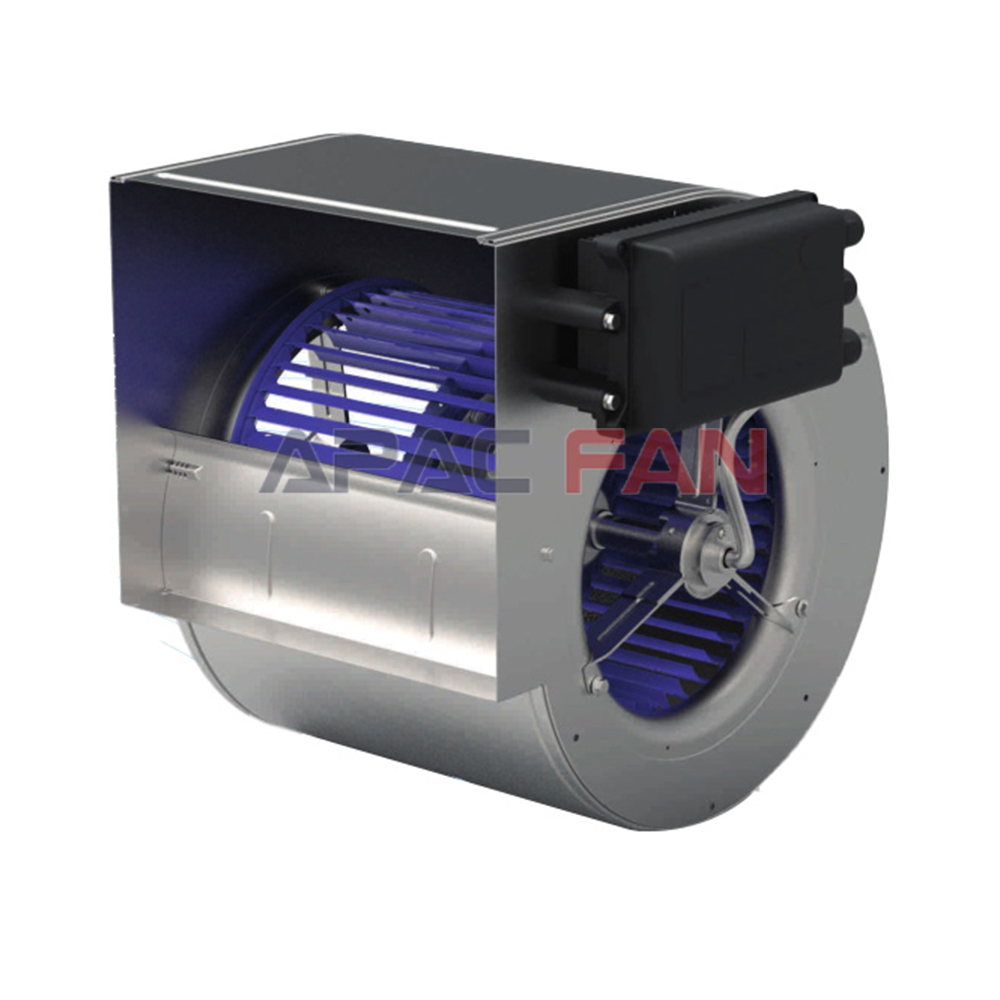
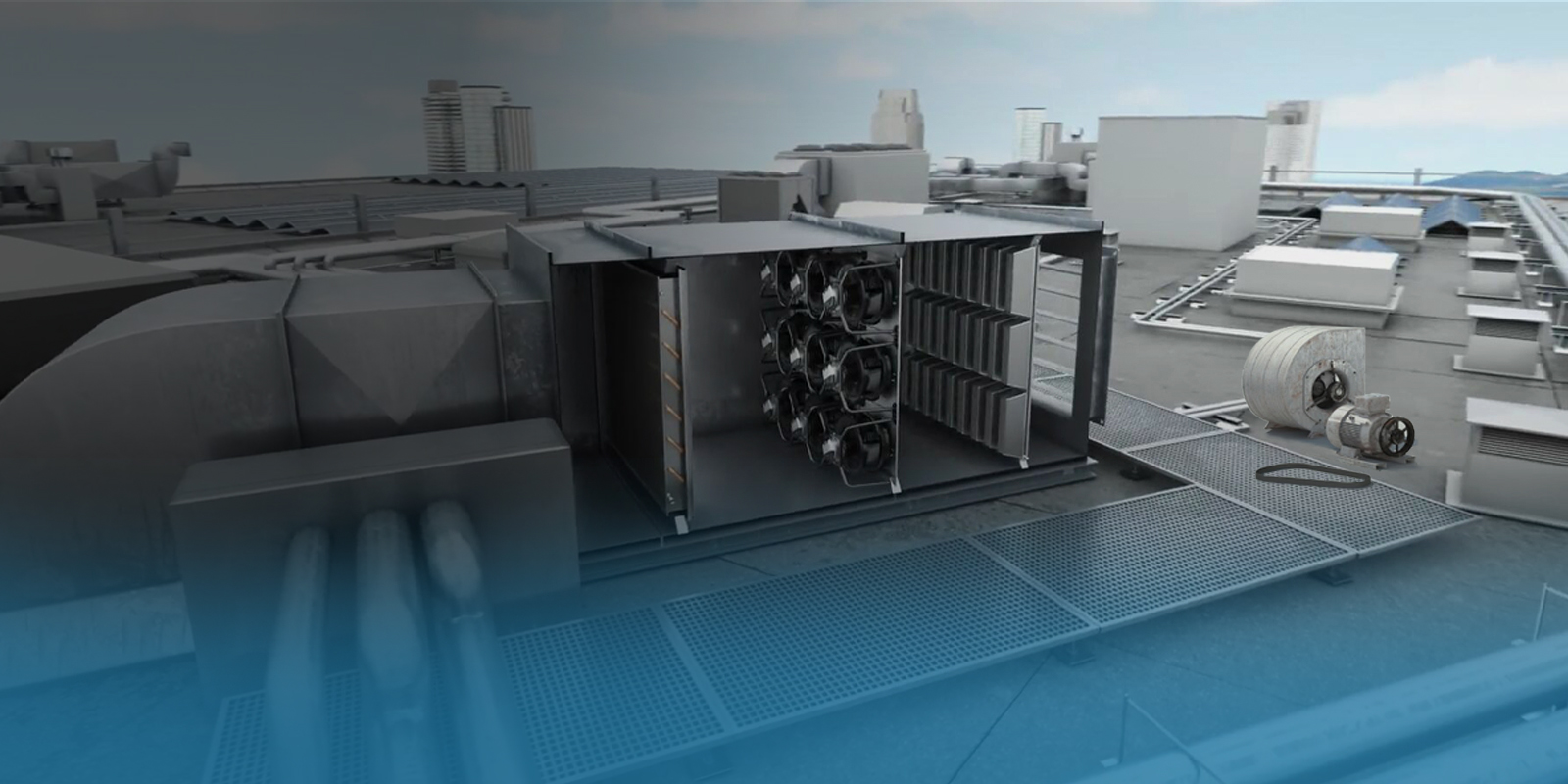
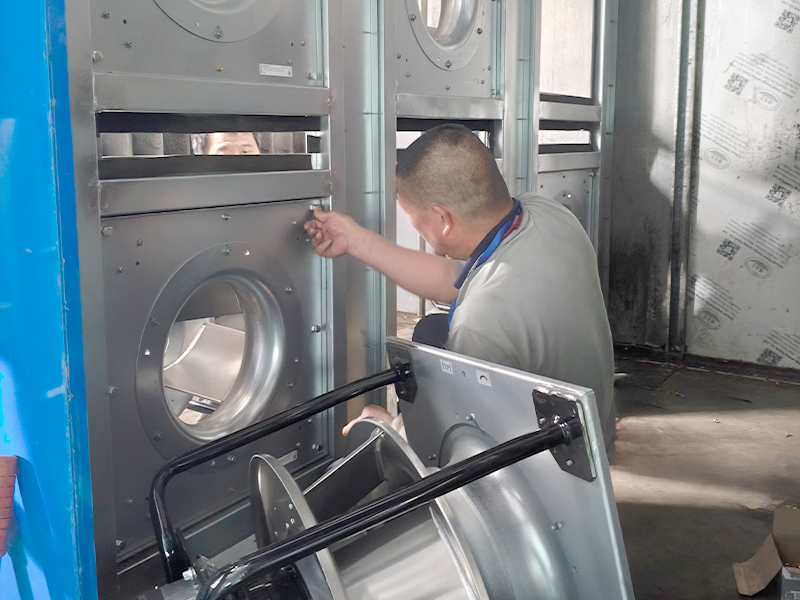
The retrofit transformed the traditional fan section into a fan wall configuration utilizing multiple high-efficiency EC fans operating in parallel.
This design provides several key advantages:
- More uniform airflow distribution across the entire AHU
- Flexible capacity control through modular fan operation
- Improved energy efficiency during partial-load conditions
- Enhanced system redundancy and operational reliability
- Better adaptability to changing production requirements
Engineering Beyond Component Replacement
The success of a FanGrid retrofit depends not only on fan performance but also on how the entire system is engineered and integrated.
To ensure optimal results, the engineering team at AISA PACIFIC SHENGRUI LIMITED conducted a comprehensive evaluation of the existing installation.
On-Site System Assessment
Rather than relying solely on design specifications or theoretical calculations, engineers performed detailed field measurements of airflow, static pressure, and load variation patterns. This provided an accurate understanding of the AHU's actual operating conditions.
Fan Performance Curve Matching
Using the collected data, the team carefully matched the performance characteristics of the selected EC fans to the system's real working point. This ensured the retrofit would operate within the optimal efficiency range across both full-load and partial-load conditions.
Fan Array Layout Optimization
The FanGrid arrangement was engineered specifically for the existing AHU enclosure. By optimizing fan positioning and airflow pathways, the team achieved improved airflow uniformity while minimizing system resistance, all without requiring major modifications to the original structure.
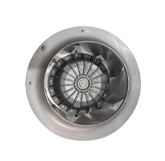
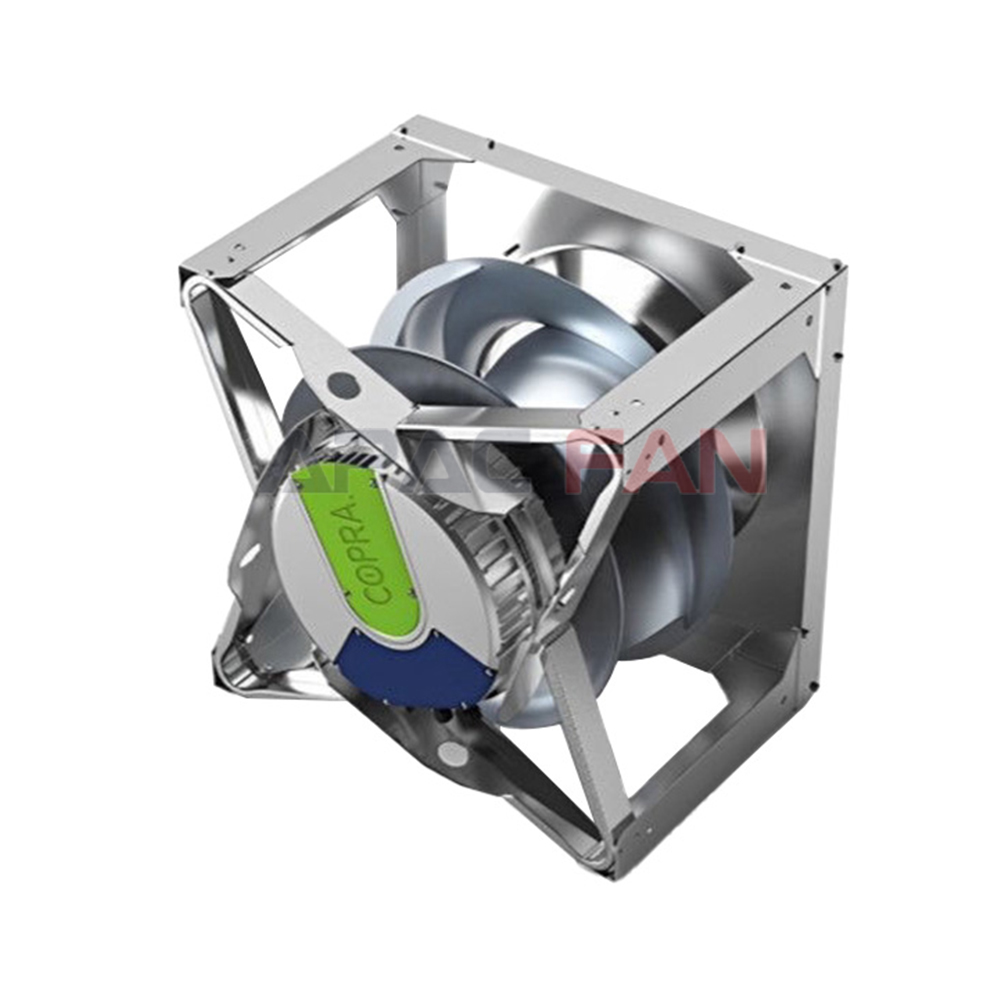
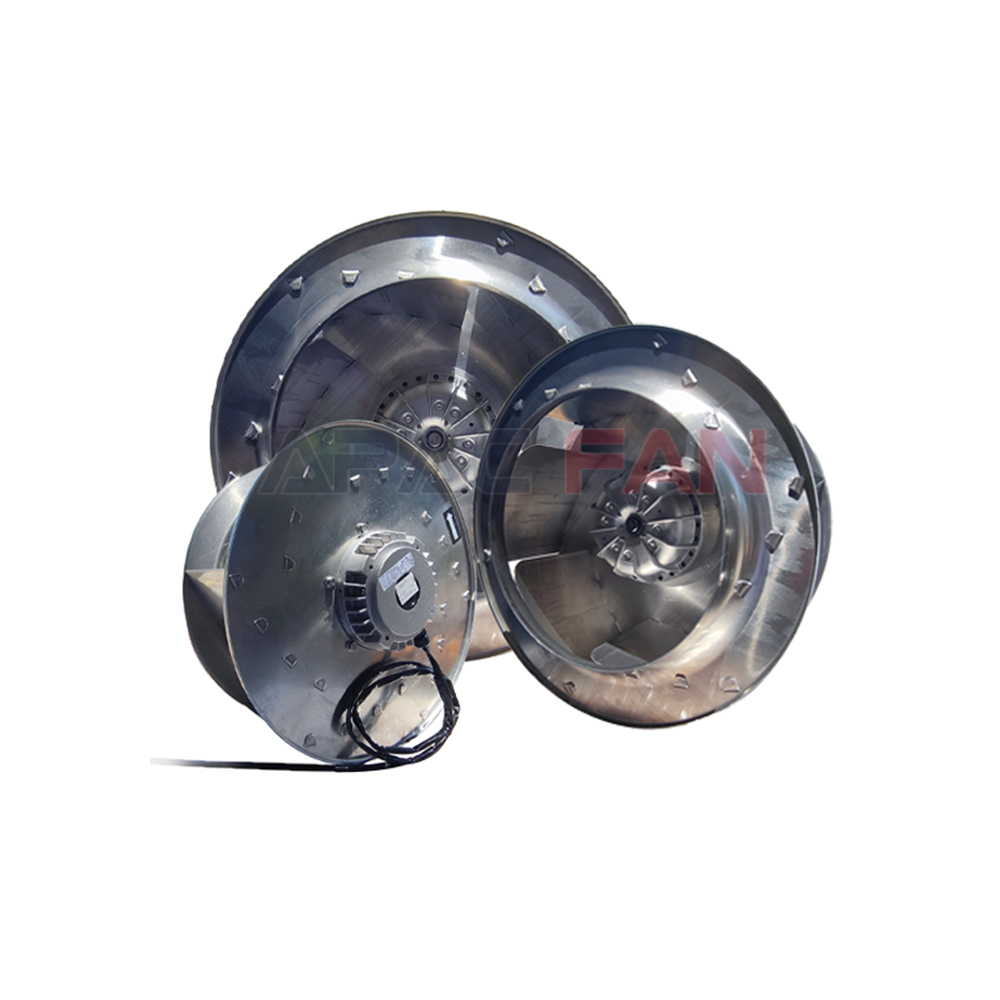
At the core of the solution were ebm-papst EC fans, chosen for their high efficiency, precise speed control, and stable performance across a wide operating range.
Results After the FanGrid Retrofit
Following implementation, the AHU demonstrated significant performance improvements.
Airflow distribution became substantially more uniform across the entire unit, helping eliminate localized airflow imbalances. Cooling stability improved considerably, with temperature fluctuations reduced even as production loads varied throughout the day.
The modular FanGrid design also provided greater operational flexibility. During periods of lower demand, operators could run only a portion of the fan array while maintaining required airflow levels, supporting more efficient system operation.
Perhaps most importantly, these benefits were achieved without replacing the entire AHU. The retrofit effectively extended the service life of the existing equipment while delivering performance levels closer to those of a modern ventilation system.
Conclusion
This project highlights an important reality in industrial ventilation and cooling upgrades: achieving meaningful performance improvements requires more than simply replacing components.
At AISA PACIFIC SHENGRUI LIMITED, every retrofit project is approached from a system-engineering perspective. By combining fan selection expertise with a deep understanding of airflow dynamics, control strategies, and mechanical integration, the company delivers application-specific solutions tailored to real operating conditions.
For facilities where traditional AHU systems can no longer meet evolving cooling requirements, a customized FanGrid retrofit offers a practical, cost-effective path toward improved airflow management, enhanced cooling stability, and long-term operational reliability.
FAQ
1. What are the signs that an AHU needs a FanGrid retrofit?
Common indicators include uneven airflow distribution, unstable room temperatures, insufficient cooling during peak production periods, excessive energy consumption, and limited performance under partial-load conditions. These issues often suggest that the original fan system can no longer meet current operational requirements.
2. What are the benefits of converting a traditional AHU into a FanGrid system?
A FanGrid conversion can improve airflow uniformity, cooling stability, energy efficiency, and system reliability. Because multiple EC fans operate independently, facilities also gain greater operational flexibility and redundancy compared with traditional single-fan configurations.
3. How does a FanGrid retrofit improve cooling stability?
FanGrid systems distribute airflow more evenly across the AHU cross-section and allow precise speed control through EC fan technology. This helps maintain consistent airflow and temperature conditions even when production loads fluctuate, resulting in more stable cooling performance.
4. Why is fan selection important in an AHU retrofit project?
Selecting the correct fan requires matching airflow requirements, static pressure conditions, and operating points to the fan's performance curve. Proper fan selection ensures the system operates efficiently, minimizes energy waste, and delivers reliable long-term performance after the retrofit.
5. Is a FanGrid retrofit more cost-effective than replacing the entire AHU?
In many cases, yes. A FanGrid retrofit allows organizations to upgrade performance while retaining much of the existing AHU infrastructure. This approach typically reduces capital expenditure, shortens installation time, minimizes production downtime, and extends the lifespan of existing equipment.