













 English
 Français
 Deutsch
 Português
 Español
 русский
  한국어
한국어 العربية
 Italiano
 Indonesia
 Schweiz
 Polski
 Nederlands
 ישראל - עברית
 Perzisch
 ไทย
ไทย 日本語
日本語 ኢትዮ-አማርኛ
 Việt Nam
 Kiswahili
 Srpski
 Ελληνικά
 繁體中文
繁體中文How Ambient Temperature Affects Dry Cooler Fan Operation
10/16/2026The outdoor air sets a thermal limit
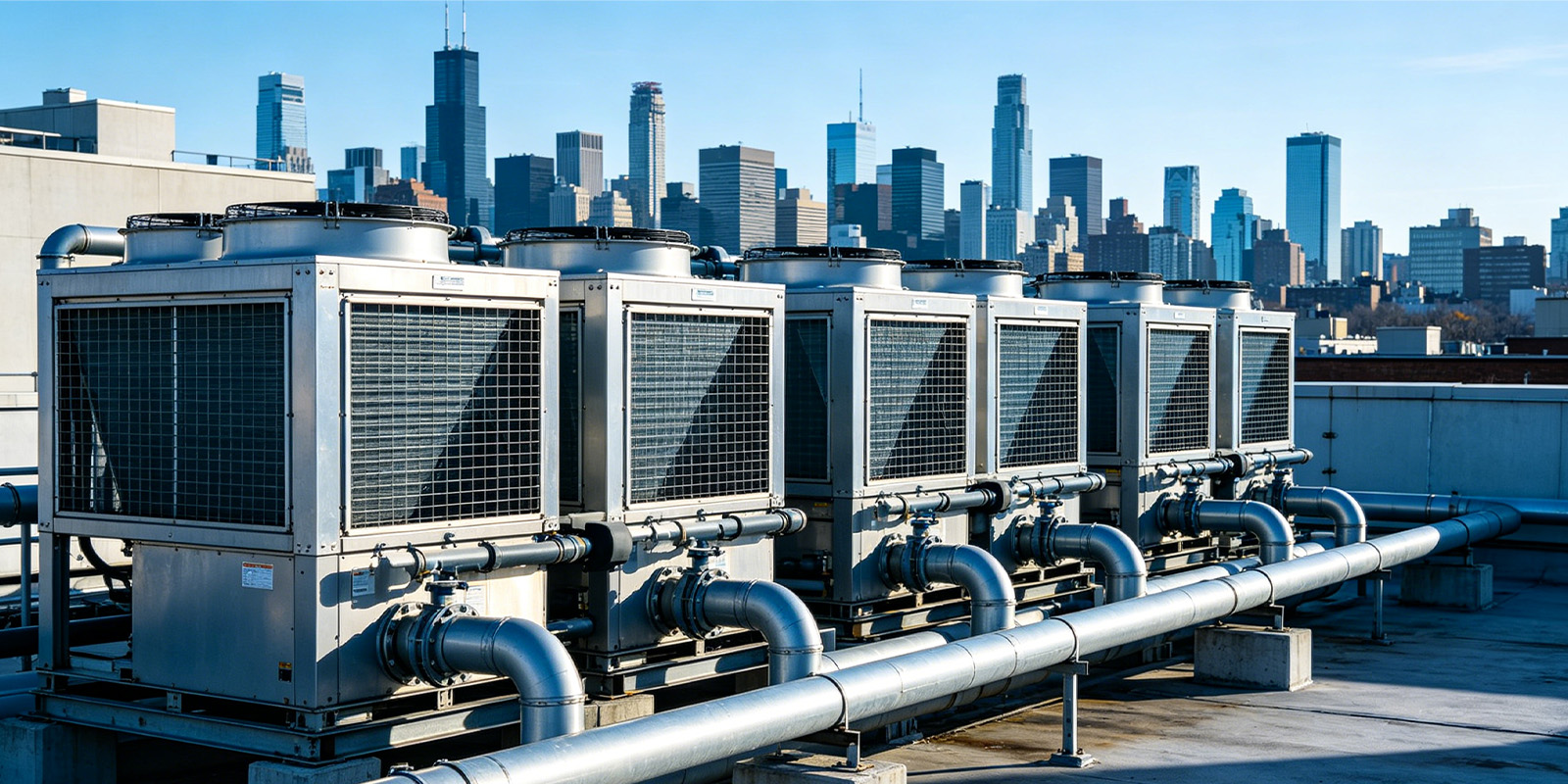
A dry cooler rejects heat to outdoor air, so its performance depends on the temperature difference between the circulating liquid and the incoming air. As ambient dry-bulb temperature rises, that temperature difference usually becomes smaller for the same liquid target. The unit may need more airflow or more heat exchanger surface to reject the same load, and it may not be able to maintain the target if the equipment was selected for cooler conditions.
In dry operation, a fan cannot make the incoming air colder than the outdoor air. It can move more air across the coil, but airflow alone cannot remove the thermal limit imposed by the entering air and the heat exchanger. An adiabatic pre-cooling stage, if the unit has one, changes the incoming-air condition and should be treated as a distinct part of the design.
What the fan can and cannot change
At higher demand, the control system may increase fan speed or bring additional fans online, depending on the design. This can raise the rate of air movement through the coil and help the unit approach its rated duty. The response is bounded by the fan's permitted speed, motor power, sound level, and the pressure drop of the air path.
If the unit is already at its maximum permitted fan output and the liquid temperature remains above target, investigate the whole system. Potential factors include an increased process load, fouled coil surfaces, restricted air intake, warm-air recirculation, low liquid flow, or selection assumptions that do not match the site. Changing fan speed before checking these conditions may add noise and energy use without solving the cause.
Site layout and hot air recirculation
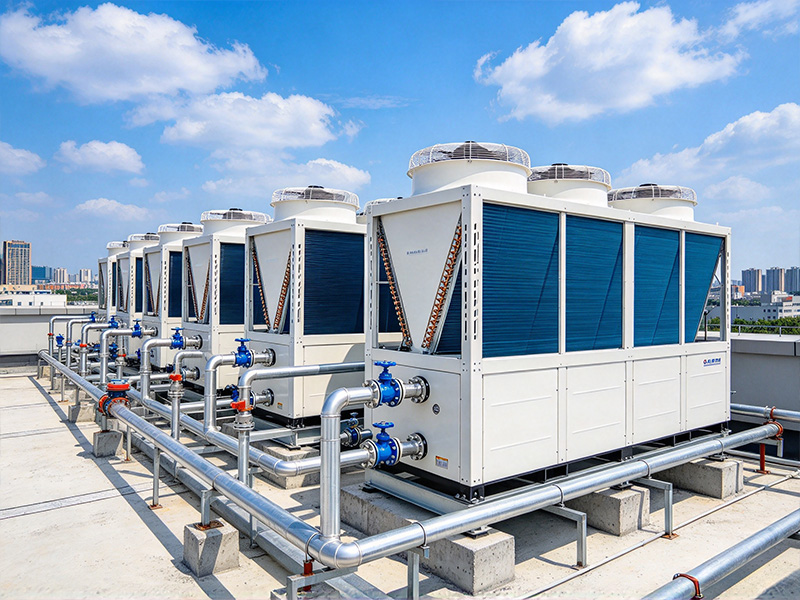
Fans discharge air that has absorbed heat from the coil. If a wall, roof structure, adjacent unit, or enclosure causes this warm air to return to the intake, the dry cooler receives air that is warmer than the surrounding ambient air. This reduces the temperature difference available for heat transfer and can make performance worse during the hottest periods.
Review the air path around the unit, including intake clearance, discharge direction, neighboring equipment, and prevailing site conditions. A fan may be operating as designed while the installation around it limits the available cooling. On multi-unit sites, check whether one unit's discharge is entering another unit's intake, especially when the units operate at the same time.
Check fan and system limits before changing settings
Check the equipment design data and fan limits before changing hot-weather settings. Verify the permitted ambient temperature, speed range, current, and control range for the installed fan. Do not exceed manufacturer limits to compensate for another system problem.
Record outdoor temperature, liquid inlet and outlet temperatures, fan command, and system load. Comparing these values can distinguish a seasonal limit from a fault. If the unit repeatedly misses its target, have a qualified engineer review the heat load, coil condition, airflow, fan duty, and controls together.