















 English
 Français
 Deutsch
 Português
 Español
 русский
 한국어
 العربية
 Italiano
 Indonesia
 Schweiz
 Polski
 Nederlands
 ישראל - עברית
 Perzisch
 ไทย
 日本語
 ኢትዮ-አማርኛ
 Việt Nam
 Kiswahili
 Srpski
 Ελληνικά
 繁體中文
Combustion Blowers in Gas Boilers and Furnaces
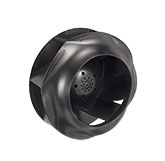
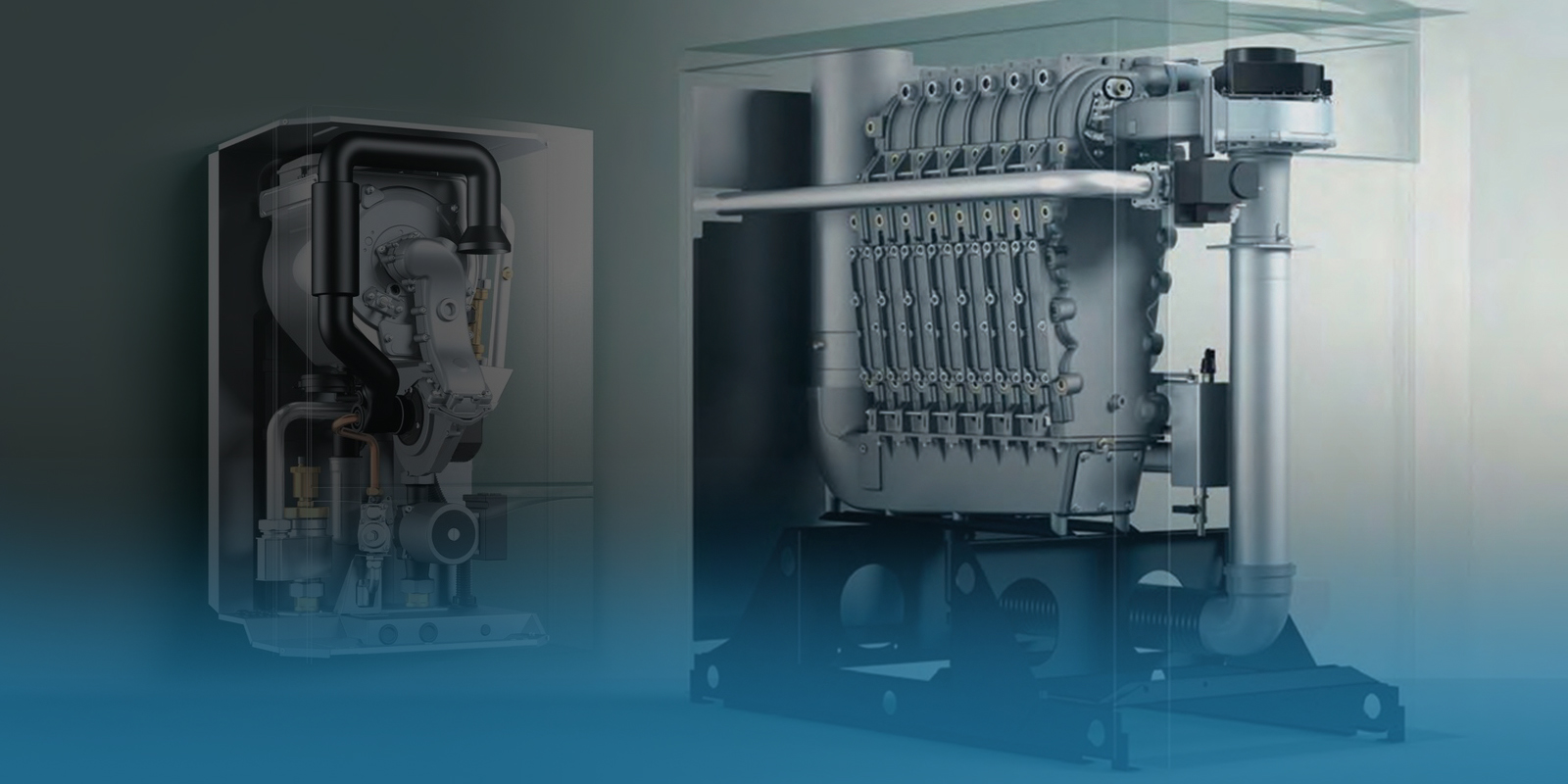
11/17/2026A combustion blower supplies air to a burner or supports the appliance's combustion and venting process, depending on the appliance design. In a gas boiler or furnace, the blower works with the burner, gas controls, venting system and safety devices. These components form a coordinated appliance system.
Combustion air and appliance control
The air supplied to the burner affects combustion. Different appliances use different arrangements, and some systems combine a blower with a venturi and gas valve. The control system may monitor blower operation as part of its startup and safety sequence.
Pressure and airflow requirements depend on the burner and appliance. Similar dimensions or motor power do not establish that a blower produces the correct air supply or pressure across the required operating range.
Why replacement compatibility is critical
Use the appliance manufacturer's approved replacement or a replacement explicitly approved for that exact appliance. Confirm the complete appliance model and blower part number, connector and control interface. Changes to a blower, gas valve, venturi or safety circuit can affect combustion and appliance certification.
Do not adjust the gas-air mixture, bypass an interlock or modify venting based on a generic fan specification. Gas appliance work and commissioning should be performed by a qualified professional under the manufacturer's instructions and local requirements.
Information to provide
Photograph the boiler or furnace nameplate, blower label and connections. Record fault codes and describe when the problem occurs. The technician can use this information to identify the intended part and investigate the appliance before ordering.
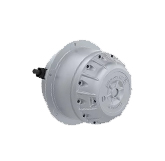
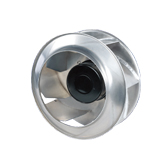
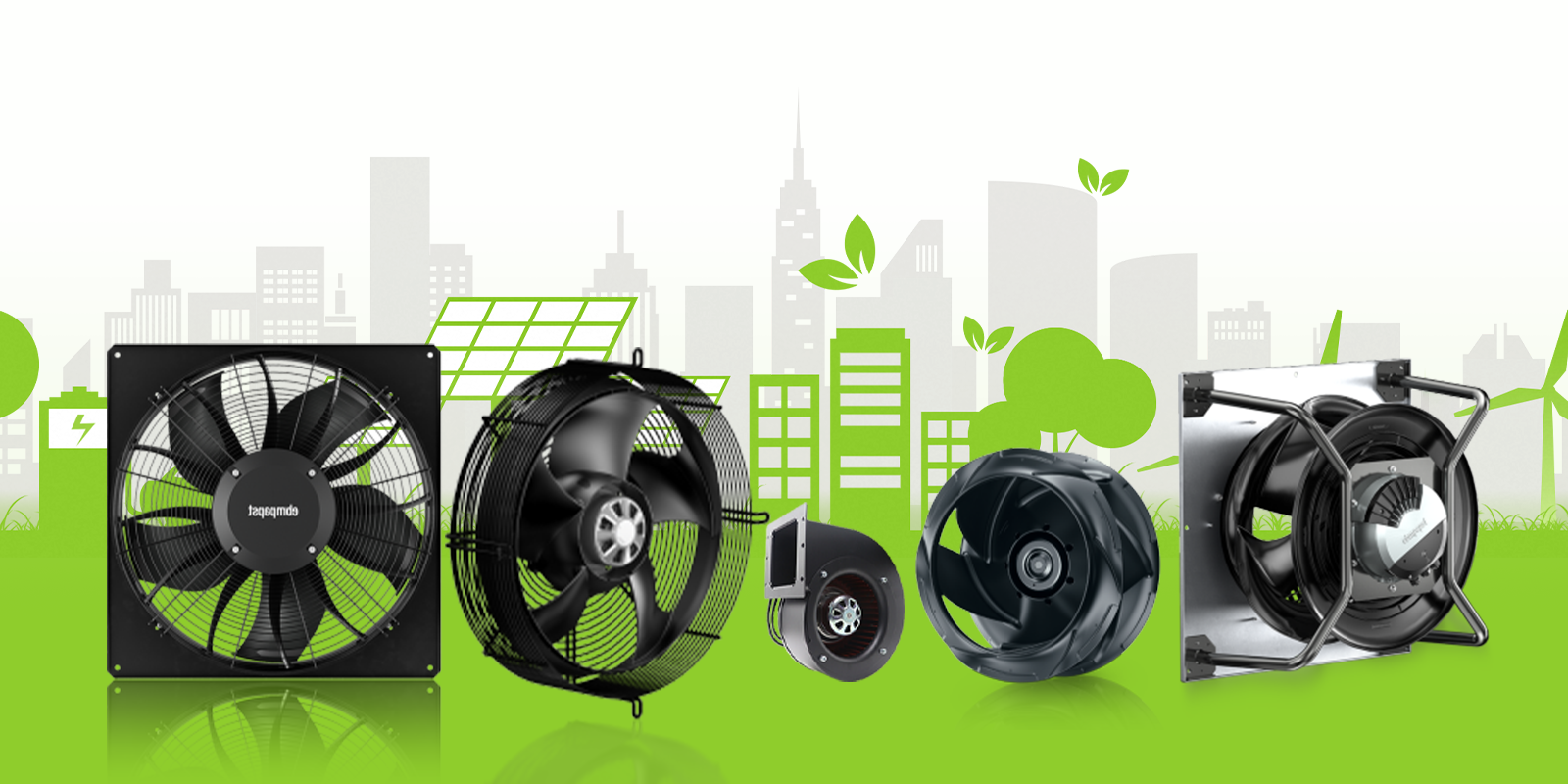
ebm-papst manufactures gas blowers and related heating technology components for equipment manufacturers. An ebm-papst blower is not automatically approved for every boiler or furnace. APAC FAN can help review the exact product information when you provide the appliance and part references with your email or WhatsApp number.
Returning the appliance to service
After replacement, the qualified service provider should perform the manufacturer's required safety, operation and combustion checks. If there is a suspected gas leak or combustion gas issue, stop using the appliance and follow local emergency guidance.
Different blower functions in heating appliances
A gas heating appliance can contain a combustion blower, a draft inducer or a separate circulation blower. The exact arrangement depends on the appliance. A combustion-related blower participates in the air supply or venting process, while a circulation blower moves room air through the heat exchanger and ducts. These functions must not be confused when ordering a replacement.
Some premix burner systems use a blower together with a venturi and gas valve. Other appliances use a different arrangement. The correct components are specified by the appliance manufacturer as a coordinated system. The blower should not be selected by appearance or flange diameter alone.
The relationship between air and combustion
Combustion depends on an appropriate supply of air and fuel. The blower's airflow and pressure characteristics affect the burner and appliance over the intended operating range. A different fan curve can change the conditions under which the gas system operates even if the replacement motor has a similar electrical rating.
A generic industrial blower or a standard ventilation fan should not be assumed suitable for a combustion appliance. Materials, temperature limits, control behavior and the appliance's safety system are relevant. Use an appliance-manufacturer-approved replacement or a replacement explicitly approved for the exact equipment.
Startup, monitoring and shutdown
The appliance's controller manages a defined sequence that may include checks before ignition, blower operation, flame monitoring and shutdown. The details differ between appliances. An alarm associated with the blower can result from the blower, wiring, a sensing device or another part of the appliance.
A technician should use the manufacturer's diagnostic procedure rather than bypass a pressure switch, interlock or other safeguard. A component that appears to run does not by itself prove that the required combustion conditions are present. Safety and combustion verification are part of returning the complete appliance to service.
Documenting the assembly
Record the full appliance model and serial number, the blower part number and any markings on the attached components. Photograph the mounting, electrical connector and the relationship between the blower and adjacent parts. If a gas valve or venturi is involved, record its identification separately rather than treating the whole assembly as an ordinary fan.
Note the fault code and the conditions under which the fault occurs. This information helps the service provider check the appliance documentation and confirm which replacement assembly is intended. APAC FAN can review product information for the exact part, subject to appliance approval and compatibility.
Why installation and commissioning require expertise
Gas appliances involve fuel, combustion products, electrical circuits and safety controls. Replacement work should be undertaken by a qualified professional using the appliance manufacturer's instructions and applicable local requirements. The technician should perform the prescribed post-installation safety and combustion checks with suitable instruments.
Do not alter gas settings, attempt to tune the burner by sound or smell, or rely on visual appearance as proof of safe combustion. Do not modify venting or bypass a safety device to make the appliance run. If a gas leak is suspected, stop using the appliance and follow local emergency guidance.
Planning an equipment enquiry
When sourcing for an OEM, state whether the request concerns a new appliance design or a service replacement. New equipment development requires the blower to be evaluated within the complete burner and controls. A service request requires the specific approved part and appliance identification.
ebm-papst offers heating technology blowers and coordinated components for appliance applications. Product availability and the suitability of a specific assembly depend on its exact reference and approval for the intended appliance. Include your contact details and the documentation available so APAC FAN can support a focused product enquiry.
Distinguish product data from appliance approval
A blower data sheet may provide voltage, speed, pressure or airflow information, but those values alone do not establish approval for a particular boiler. Appliance approval depends on the complete configuration, including the burner, controls and venting. The approved parts list and service documentation should guide replacement.
If the original part is obsolete, ask the appliance manufacturer or qualified service provider to confirm the applicable replacement. A distributor can help obtain product documentation and quotations, but a generic cross-reference should not be treated as authorization to alter a combustion system. Keep the approved part identification with the service record.
Consider the complete replacement scope
A service enquiry should make clear whether it concerns the blower motor, complete blower assembly or an appliance manufacturer's complete replacement kit. Parts supplied together can differ from individual components in their mounting, seals or connections. The approved appliance documentation determines what must be replaced and how the assembly is fitted.
Record the work undertaken and the commissioning checks completed. If a replacement cannot be confirmed as suitable for the exact appliance, the qualified service provider should resolve that question before returning the equipment to operation.