















 English
 Français
 Deutsch
 Português
 Español
 русский
 한국어
 العربية
 Italiano
 Indonesia
 Schweiz
 Polski
 Nederlands
 ישראל - עברית
 Perzisch
 ไทย
 日本語
 ኢትዮ-አማርኛ
 Việt Nam
 Kiswahili
 Srpski
 Ελληνικά
 繁體中文
Circulation Blowers in Forced Air Furnaces
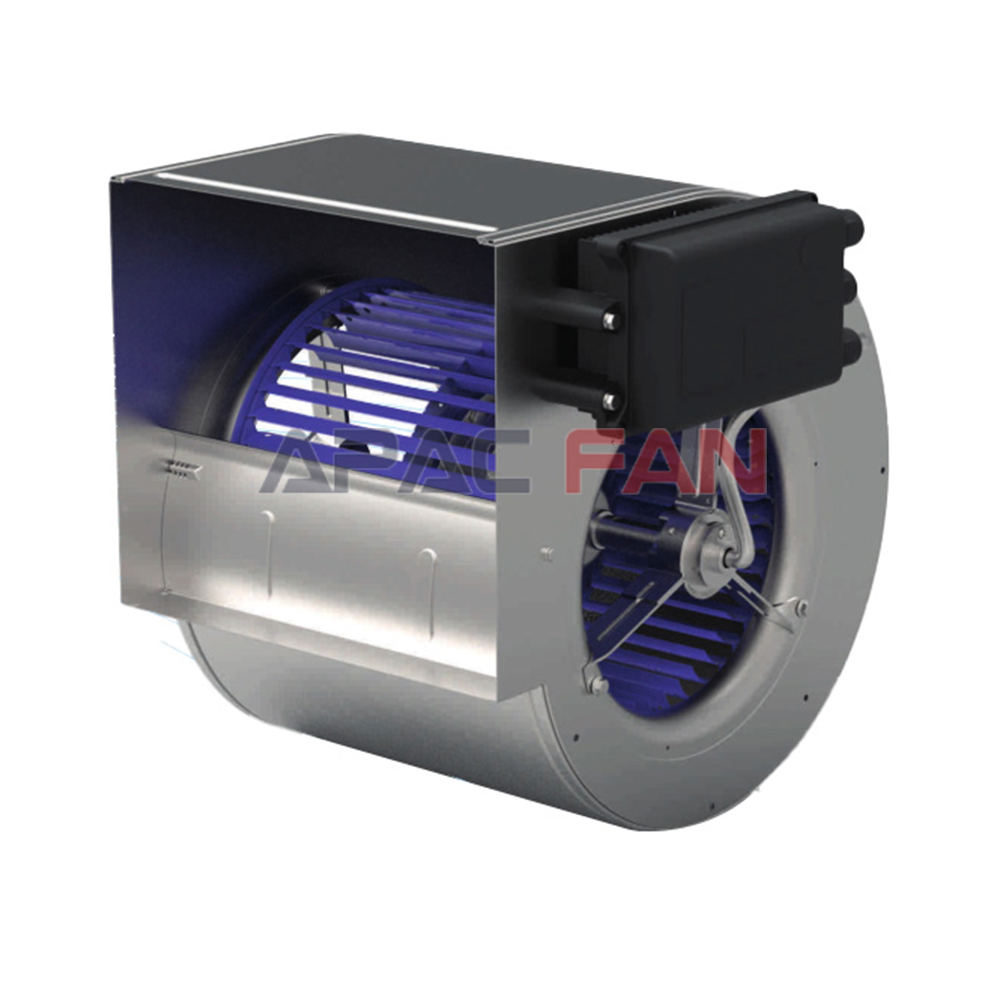
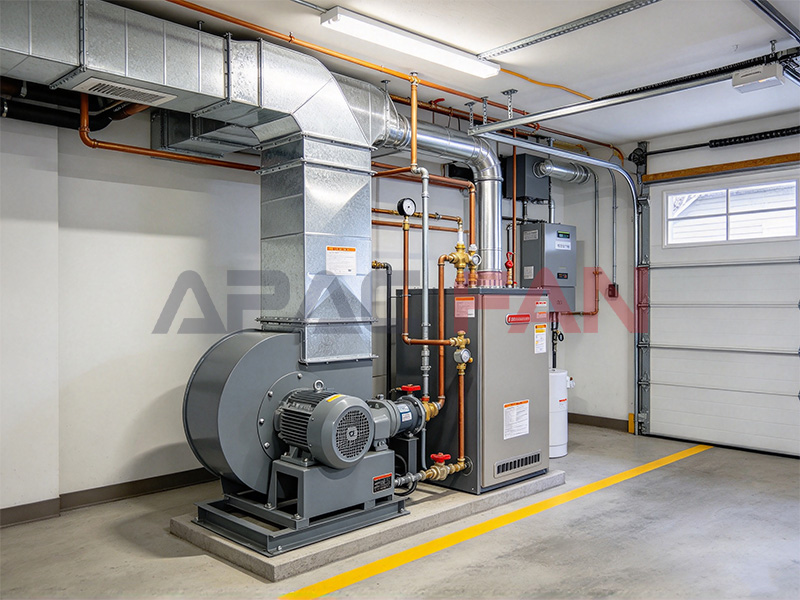
11/18/2026A forced air furnace circulation blower moves indoor air through the furnace and into the duct system. The air passes through the heat exchanger and returns to occupied rooms through supply outlets. The blower serves the building air path and is distinct from a combustion blower or draft inducer used in some gas appliances.
Follow the supply and return paths
Return air enters the furnace through the return system, passes through a filter and heat exchanger, and is delivered through supply ducts. Closed registers, obstructed returns and dirty filters can change resistance and affect delivered airflow.
The furnace and duct system must be considered together. A blower cannot be selected accurately from the size of the room or motor power alone. The required airflow and the resistance presented by the installed system define the operating duty.
Match airflow to the furnace
The furnace manufacturer specifies the acceptable operating conditions for the complete appliance. Insufficient airflow can affect temperature rise and may trigger protective controls. Excessive airflow may produce unwanted noise or comfort issues. Actual requirements vary by appliance and should be checked against its documentation.
Some blowers offer several speed settings or variable-speed control. The correct setting depends on the furnace, heat output and connected ducts. Avoid changing speeds without checking the appliance instructions and the measured operating conditions.
Identify the correct replacement assembly
Record the furnace model and blower part number. Check wheel diameter and width, rotation, housing, mounting, motor specifications and connectors. For a controlled motor, confirm the control and feedback interface as well as the supply.
A motor that physically fits the blower housing may not reproduce the original speed, airflow or protective behavior. Any substitute should be confirmed against the appliance manufacturer's requirements.
Inspect and verify
After safe isolation, a qualified technician can check filters, wheel cleanliness, mounting and unusual vibration. After replacement, verify operation and temperature rise using the appliance's specified procedure.
APAC FAN can help review fan or blower specifications when you share the nameplate, photographs and furnace reference, together with your email or WhatsApp number.
The furnace air circuit
A forced air system draws room air through return ducts and passes it through the furnace. The circulation blower moves that air across the heat exchanger and into supply ducts leading to occupied areas. The return and supply paths, filter, blower and furnace cabinet all contribute to the complete system's resistance.
The circulation blower should be distinguished from a combustion blower or inducer in a fuel-fired appliance. The two may operate in the same furnace but have different functions, installation requirements and replacement parts. Confirm which assembly needs service before ordering.
Filters and duct resistance
A filter collects particles from the air stream, but its resistance can increase as it becomes loaded. Duct bends, dampers, supply grilles and return openings also affect the pressure the blower must overcome. A heavily restricted air path can reduce delivered airflow even when the blower motor is operating.
Replace or clean filters according to the furnace manufacturer's instructions. Avoid choosing a filter solely by how restrictive it appears or by its efficiency label without checking the system requirements. The filter size, fit and pressure characteristics must be appropriate for the installation and the appliance.
Heating airflow and temperature rise
The furnace manufacturer specifies an acceptable temperature rise and other operating conditions for the appliance. A qualified technician can measure temperatures at the prescribed locations and compare the result with the equipment documentation. A high temperature rise can have several causes, including insufficient airflow or an incorrect heat input; it should not be diagnosed from one symptom alone.
A protective limit shutting down the furnace is not an invitation to bypass the limit. The underlying cause needs investigation. Airflow adjustments should be made only within the manufacturer's specifications and verified with suitable measurements.
Motor types and speed settings
Different furnace blowers use different motor technologies and control arrangements. Some have selectable speeds, while others use an electronic controller. The correct heating setting depends on the furnace and duct system. A speed used for another operating mode should not automatically be copied to heating.
The blower's operating point also depends on the wheel and housing. Replacing only the motor requires confirmation that the motor is approved for the complete assembly. Voltage, current, mounting, rotation, speed and control characteristics are all relevant; similar physical dimensions are not sufficient.
Noise, vibration and maintenance
A change in sound can arise from a loose panel, dirty wheel, damaged mount, restriction or worn component. Fan noise can also travel through ducts to occupied rooms. Note whether the noise occurs only in heating or in every mode using the circulation blower, then provide that information to the service technician.
Disconnect and isolate the appliance as required before maintenance. Internal inspection and electrical work should be performed by qualified personnel. The technician should follow the appliance manufacturer's instructions when cleaning the wheel, checking fasteners or servicing the motor.
Replace and verify the complete assembly
Identify the furnace model and original blower reference, including any suffix. Photograph the wheel, housing, motor and connectors. Compare the candidate part with the manufacturer's approved replacement information and confirm the control interface before installation.
After work is complete, the service provider should check airflow-related operation, temperature rise and safety controls using the equipment procedure. APAC FAN can review fan and blower specifications from the information supplied, while final appliance compatibility remains subject to the manufacturer's requirements.
Checking the return side of the system
A supply register with weak airflow does not necessarily identify the location of a restriction. An obstructed return grille, a filter installed incorrectly or a closed damper can affect the entire air circuit. A technician should assess the return side and the supply side together, following the furnace manufacturer's measurement procedure.
For an individual room, the issue may also involve a branch duct or balancing arrangement. Changes to one register can alter airflow elsewhere. Document whether the complaint affects one room or the whole building before requesting a blower replacement, and share that observation with the service provider.
Review replacement choices with the service provider
When comparing replacement assemblies, include the blower wheel and housing as well as the motor. The wheel's dimensions, shape and rotation are part of the airflow performance. A motor-only substitution may require the original wheel and mounting to be in good condition and compatible with the approved replacement.
Ask the technician to document the selected part and the measurements taken after installation. Keep the appliance instructions and service record available for future maintenance. A consistent record makes it easier to recognize whether a later complaint is caused by the same issue or a new restriction elsewhere in the system.