
















 English
 Français
 Deutsch
 Português
 Español
 русский
 한국어
 العربية
 Italiano
 Indonesia
 Schweiz
 Polski
 Nederlands
 ישראל - עברית
 Perzisch
 ไทย
 日本語
 ኢትዮ-አማርኛ
 Việt Nam
 Kiswahili
 Srpski
 Ελληνικά
 繁體中文
How Fans Work in Indoor Air Conditioning Units
11/23/2026An indoor air conditioner fan moves room air through the indoor unit and back into the occupied space. As the air passes across the cooling coil, heat transfers to the refrigerant or chilled water in the coil. The fan does not produce cooling by itself: the quality of the result depends on the complete refrigeration or chilled-water system, the air path and the room layout.
Follow the indoor air path
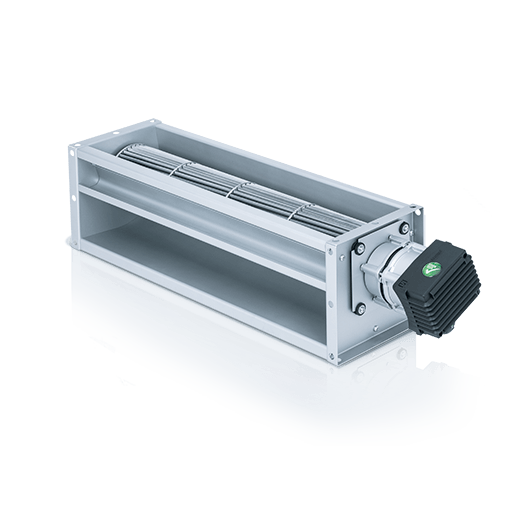
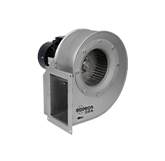
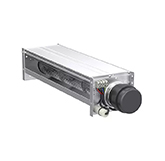
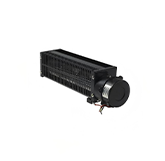
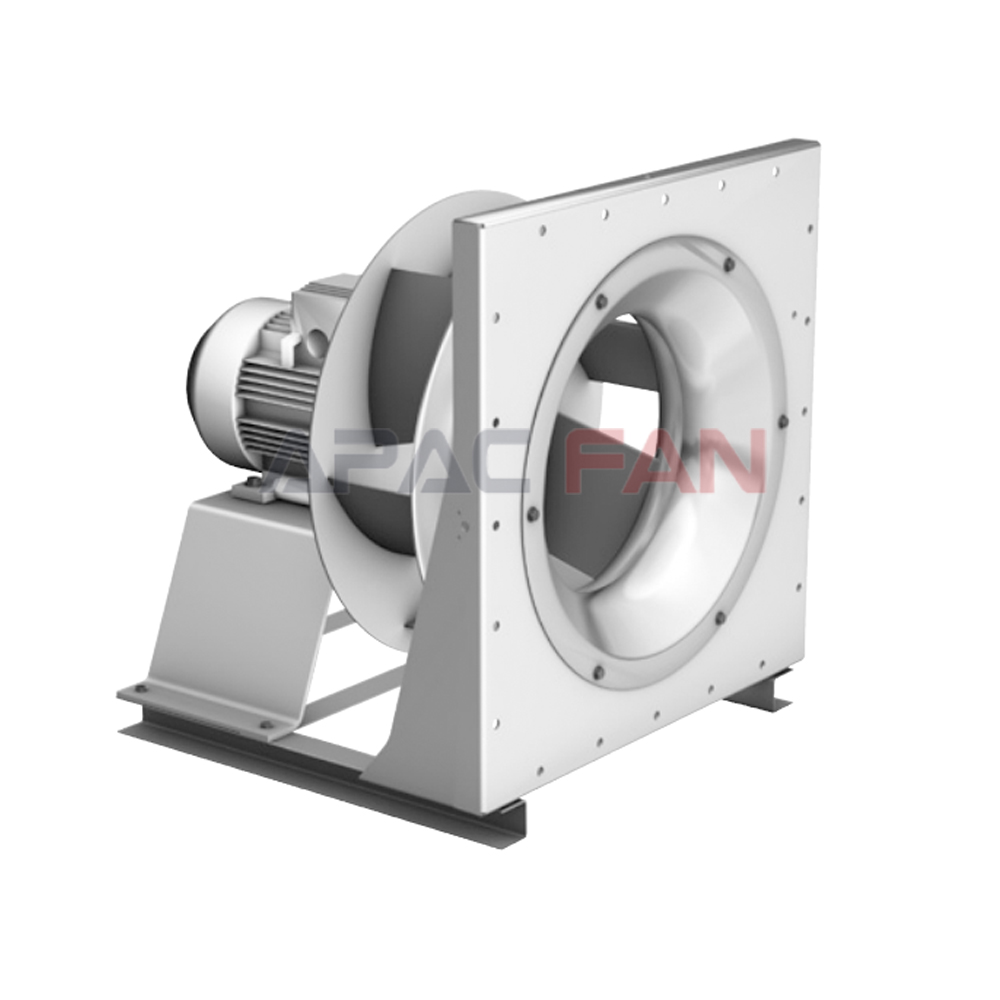
A typical indoor unit draws air through a return opening and filter, moves it across the coil and directs it through a supply outlet. The exact arrangement varies among wall-mounted, ceiling, ducted and floor-standing units. A wall-mounted split system, for example, may use a long cross-flow fan to distribute air across the width of the coil. A concealed unit may use a centrifugal blower connected to ducts. The fan type must be verified for the actual equipment.
The filter protects internal components from airborne dust when correctly installed and maintained. Dust on a filter or coil adds resistance to the air path. A restricted path can reduce delivered airflow and change noise. Follow the appliance manufacturer's instructions for filter inspection and cleaning; some internal coil cleaning requires professional service.
Airflow and room comfort
The air leaving an indoor unit needs to reach the occupied area without causing objectionable drafts. Airflow volume, outlet position, louvers and room obstacles all affect the result. A high fan setting may cool the room more quickly under some conditions, but it can also increase air velocity and sound near occupants. The best setting depends on the unit and room, not on fan speed alone.
Insufficient airflow may leave temperature differences within the room or reduce the cooling system's ability to move heat from the indoor air. However, poor cooling can also be caused by an incorrect control setting, a dirty heat exchanger, refrigerant problems or excessive heat load. A qualified service provider should diagnose the complete system before a fan is replaced.
The coil and moisture removal
As warm, humid room air passes over a sufficiently cold evaporator, moisture can condense on the coil. The condensate is collected and drained through the equipment's intended drainage system. Airflow and coil conditions affect both sensible cooling and moisture removal; the final result depends on the unit's design and control strategy.
Do not assume that a lower fan speed is always the best way to improve dehumidification. The equipment manufacturer specifies acceptable operating settings, and an inappropriate change can affect coil temperature, comfort or reliability. A blocked condensate drain is a separate issue from a fan fault and should be addressed using the appliance's service procedure.
Noise, vibration and inspection
Fan sound can include air movement, motor noise and vibration transmitted to the casing. A new rattle, scraping sound or sudden change in sound may indicate loose panels, an obstruction or a damaged component. Listen for when the issue occurs and record the selected operating mode. Do not remove guards or access moving parts while the unit is powered.
Equipment sound should be compared at the same operating condition. Sound power and sound pressure are different measurements; room acoustics, distance and installation affect what a listener hears. A catalogue number for a bare fan cannot by itself predict the installed indoor unit's sound level.
Information for a replacement
Record the unit manufacturer and model, the complete fan assembly part number, electrical supply, dimensions, mounting and connector arrangement. Check speed control and feedback requirements. A fan of the same length or diameter is not automatically compatible with the housing, controls or required airflow.
APAC FAN can help review the supplied fan information and replacement requirements. Provide the equipment reference, fan label and photographs, together with your email or WhatsApp number, so the selection enquiry can be assessed against the actual assembly.
What fan speed changes in an indoor unit
Fan speed affects how much air passes over the coil and how the air is distributed into the room. A higher setting may increase the amount of air moving past an occupant and change the perceived sound. The useful speed range is defined by the unit's design. Increasing speed does not necessarily solve a room that remains warm if the refrigerant system, coil or control is not operating correctly.
Automatic fan settings can use the unit's own control logic to change the selected speed. Depending on the equipment, the fan may also continue to run after the compressor changes state. The sequence is specific to the appliance. Compare observed behavior with the manufacturer's instructions before assuming that a change in speed is a fault.
Why the room layout matters
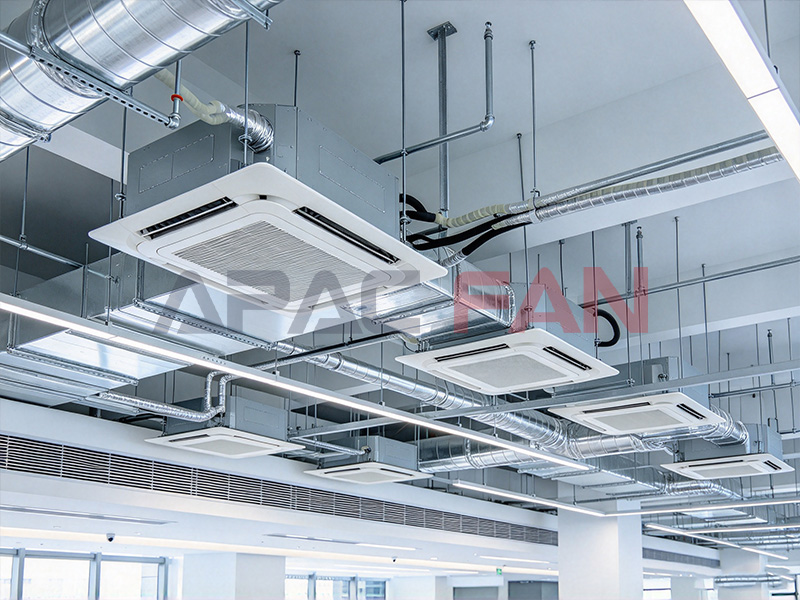
A supply outlet directs air into a particular area. Furniture, partitions or curtains close to the unit can obstruct the stream or direct it toward occupants. The air then returns to the indoor unit through the room and the intended return opening. Blocking either the supply or return path can affect comfort even when the fan assembly is in good condition.
A room with several heat sources may also have uneven conditions. Sunlight through windows, equipment and people create loads that vary across the space. When investigating a complaint, note whether the problem occurs throughout the room or only near a particular outlet. That distinction helps the service provider assess distribution alongside equipment performance.
Inspect the air path before ordering parts
Start with the maintenance tasks permitted by the manufacturer. An accessible filter may be removed and cleaned or replaced following the unit instructions. Check that it is reinstalled correctly and that nearby openings are unobstructed. A filter that is missing or poorly seated can allow dust to reach the coil and fan.
Internal fan and coil inspection requires safe isolation and may require a qualified technician. A dirty impeller can affect balance as well as airflow, but cleaning must use methods suitable for the motor and electronics. Never spray water into an electrical assembly or use a cleaning chemical without checking the appliance instructions.
Symptoms and useful service records
Record the unit model, selected mode, fan setting and timing of the symptom. Is the fan noisy at every speed, or only when the unit changes load? Does the issue occur when the cooling function is off? These observations can help distinguish fan-related sound from compressor or refrigerant-system noise.
For a replacement enquiry, photograph the fan label and the complete mounting arrangement. Include connector information and any error code. A technician should confirm the part against the equipment manufacturer's service documentation and verify normal operation after installation. The appropriate replacement is the one that meets the unit's mechanical, aerodynamic and control requirements.
Questions customers often ask
Can an indoor fan run while the compressor is off? Depending on the appliance and selected mode, the indoor fan may continue to circulate air when the compressor is not operating. This behavior alone does not prove a fault. Compare it with the manufacturer's operating instructions and any active fan-only or automatic setting.
Should a customer choose a larger fan to cool a room faster? The indoor unit is designed around a particular fan, coil and controller. A larger impeller may not fit or deliver the correct operating point. If cooling is inadequate, have the complete appliance and room conditions assessed before considering a replacement.