


















 English
 Français
 Deutsch
 Português
 Español
 русский
 한국어
 العربية
 Italiano
 Indonesia
 Schweiz
 Polski
 Nederlands
 ישראל - עברית
 Perzisch
 ไทย
 日本語
 ኢትዮ-አማርኛ
 Việt Nam
 Kiswahili
 Srpski
 Ελληνικά
 繁體中文
Fan Coil Unit Fans in Central Air Conditioning
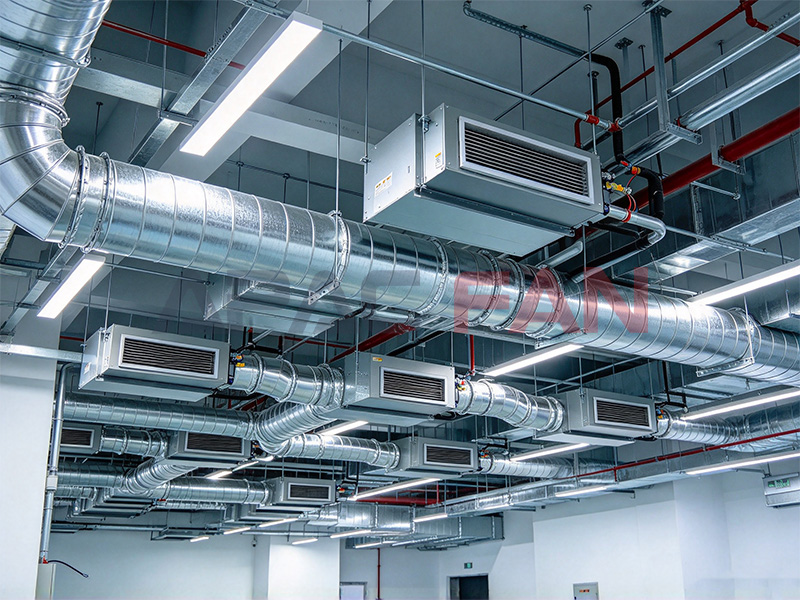
11/24/2026A fan coil unit, or FCU, circulates room air across a water coil. In cooling mode, chilled water flowing through the coil absorbs heat from the air passing over it. The fan supplies the air movement that allows the terminal unit to serve an occupied room or zone. The building's chilled-water plant and water distribution system supply the cooling medium; the FCU fan is one part of that wider system.
How the fan and water coil work together
The coil's performance depends on the condition of both air and water. Water temperature and flow, air temperature and humidity, coil cleanliness and delivered airflow all influence cooling capacity. If the fan delivers less air because the filter or coil is restricted, the room may receive less cooling even when chilled water is available.
An FCU may be installed above a ceiling, within a cabinet, on a wall or in another enclosure. Some units discharge directly into the room, while others connect to short ducts. The permitted duct resistance and mounting requirements vary by manufacturer. An FCU designed for free discharge should not automatically be assumed suitable for a long duct network.
Fan speeds and room conditions
Many FCUs offer several fan speeds or a variable-speed arrangement. The selected speed changes airflow across the coil and the air delivered to the room. A lower speed can reduce audible fan noise in some installations, but it also changes the operating point. The controller may adjust the fan in response to the thermostat or building automation system, depending on the unit design.
Moisture removal also depends on the coil's surface condition and the duration of operation. A different fan setting may change the balance of sensible cooling and dehumidification, but its effect cannot be predicted from fan speed alone. The equipment manufacturer's controls and allowable settings should guide adjustments.
Noise and concealed installation
In a hotel room, office or residential space, a fan coil unit may be close to occupants. Sound can travel from the fan through the casing, ceiling cavity, ductwork and structure. A loose access panel, poorly supported duct or vibration transmitted by the mounting can contribute to what occupants hear.
Allow access to filters, drains and the fan assembly when planning a concealed installation. If a fan must be removed through a ceiling panel, the opening and service route affect the practical replacement choice. Compare acoustic data at the relevant airflow and pressure rather than comparing a maximum sound figure measured under different conditions.
Filters, condensate and maintenance
The filter, coil and drain pan need maintenance according to the manufacturer's instructions. Dust buildup reduces the open area available to air, while a blocked condensate drain may lead to water leakage. A leaking drain pan does not necessarily indicate a fan fault, and a new fan will not correct a blocked drain.
A service provider should isolate electrical power before inspecting internal components. The water circuit may also require isolation for some work. Any cleaning method should be suitable for the coil, motor, electrical connections and surrounding building materials.
Selecting an FCU replacement fan
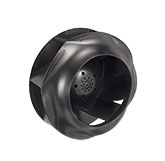
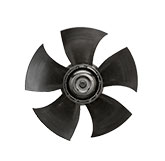
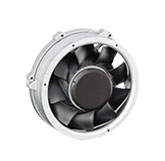
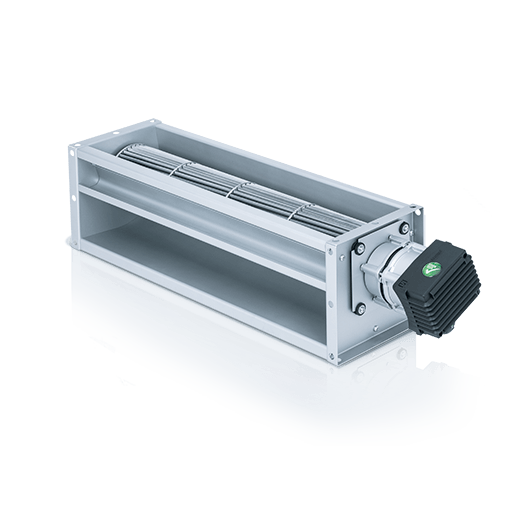
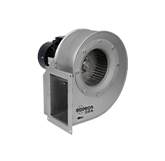
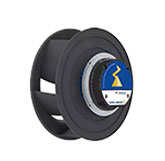
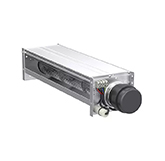
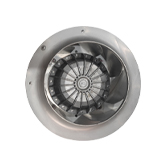
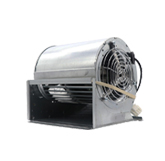
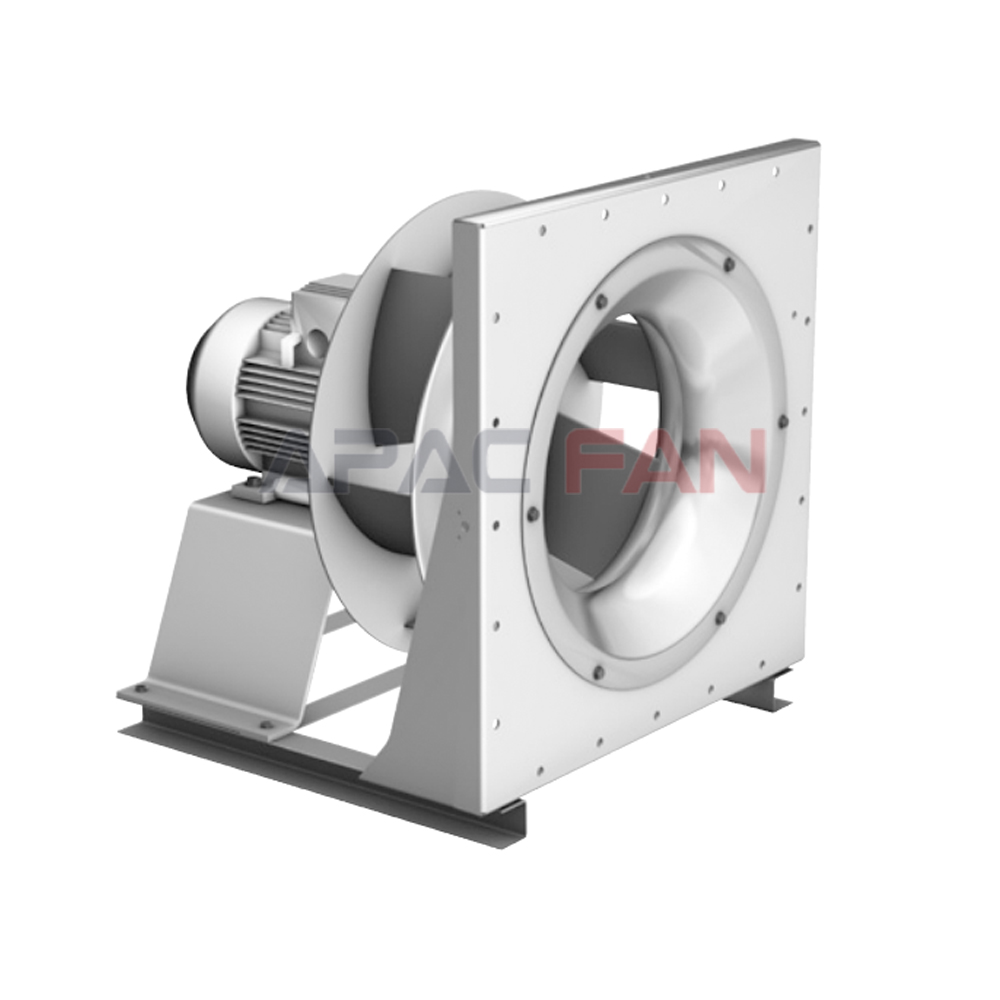
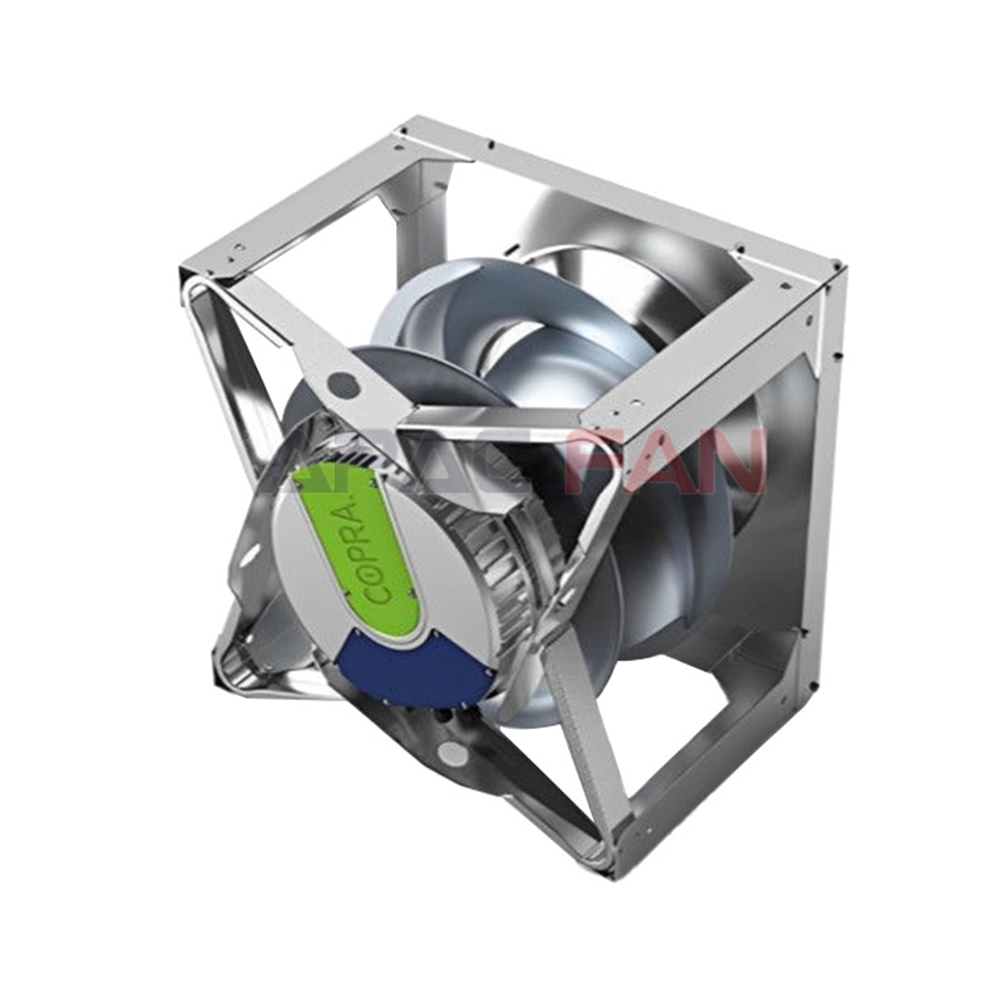
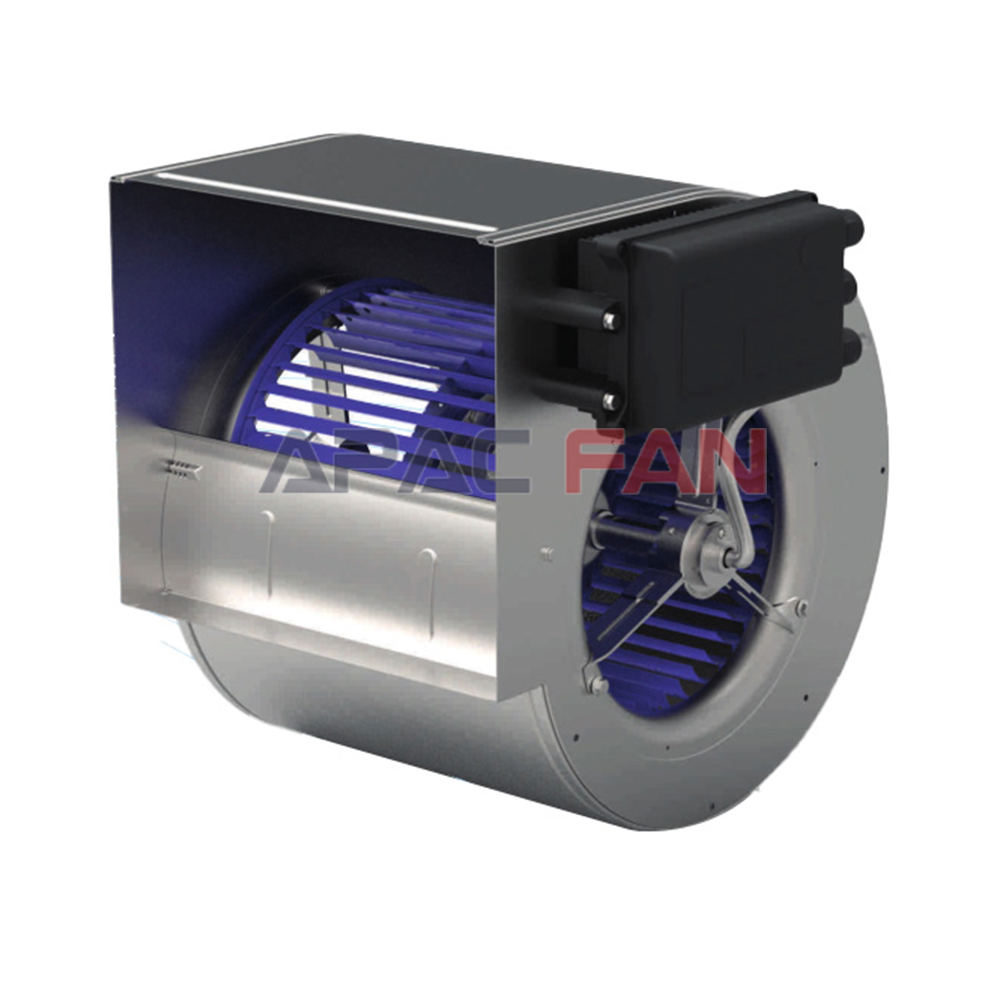
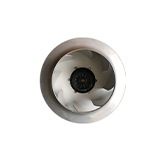
Document the FCU model and the full fan or blower part number. Check the fan wheel and housing, rotation, mounting points, electrical supply and connectors. The required speed commands and any feedback or protective functions must match the unit. A physically similar motor may drive the wrong wheel speed or be incompatible with the controller.
Share the unit label, fan photographs and available performance data with APAC FAN. Include your email or WhatsApp number for assistance reviewing the fan specifications and replacement requirements.
The difference between an FCU and a central air handler
An FCU usually serves an individual room or local zone, while a central air handler can serve a larger distribution system. An FCU's water coil receives chilled water from the building system, and its fan circulates air locally. The actual arrangement varies: some FCUs also connect to a limited duct system or operate alongside a separate outdoor-air system.
A fan coil unit should not be assumed to provide a building's complete fresh-air requirement. Whether outdoor air is supplied separately or through a particular unit is a design question. Review the building and equipment documentation before using an FCU fan setting as a measure of outdoor ventilation.
Selecting the duty for a concealed unit
For a ducted FCU, identify the required supply airflow and the external resistance presented by the connected ducts and grilles. The equipment manufacturer's stated external static pressure is meaningful only at the relevant airflow and speed. Check whether the manufacturer's value includes particular accessories, filters or inlet arrangements.
A higher fan speed may increase delivered airflow but can also change power and sound. Before adjusting settings, verify that the unit is correctly installed and that ducts are unobstructed. A poorly balanced branch or closed grille cannot be diagnosed from fan speed alone. The completed installation should be checked according to the design and commissioning requirements.
Access in hotels, offices and apartments
A ceiling-concealed unit can be difficult to service if its access panel is too small or blocked by other services. When planning a replacement, measure not only the final fan position but also the route needed to remove the assembly. A fan wheel may require different clearance from the motor, and attached wiring must be safely disconnected.
Noise requirements can also vary by space. A hotel bedroom and a service corridor may have different expectations, even when the same cooling capacity is required. Compare fan and unit acoustic information under equivalent test conditions and consider ducts, ceiling cavities and mounting as possible sound paths.
Coordinating water and electrical service
Poor cooling from an FCU is not necessarily a fan failure. A valve that does not open, insufficient chilled-water flow or an unsuitable water temperature can affect the coil. A technician should check the fan, controls and water-side operation using the equipment procedure. Electrical work and water isolation should be carried out by qualified personnel.
When the fan is replaced, verify that the controller can select the intended speeds and that any alarm or feedback behaves as required. Observe condensate drainage and check for abnormal vibration after the unit is reassembled. Document the replacement reference and the operating conditions for future service.
Questions about fan coil unit operation
Does an FCU bring in outdoor air? Some building designs supply outdoor air through a separate system, while others use a different approved arrangement. The local fan coil's primary function is to circulate air across its water coil. Review the building design to establish how ventilation air reaches the room.
Why does a fan coil make a noise after a filter change? Check that the filter is the correct type and is seated as directed. A loose access panel or an obstructed air path may also contribute to noise. If the sound persists, arrange a qualified inspection rather than altering the fan setting without diagnosis.
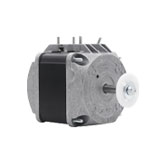
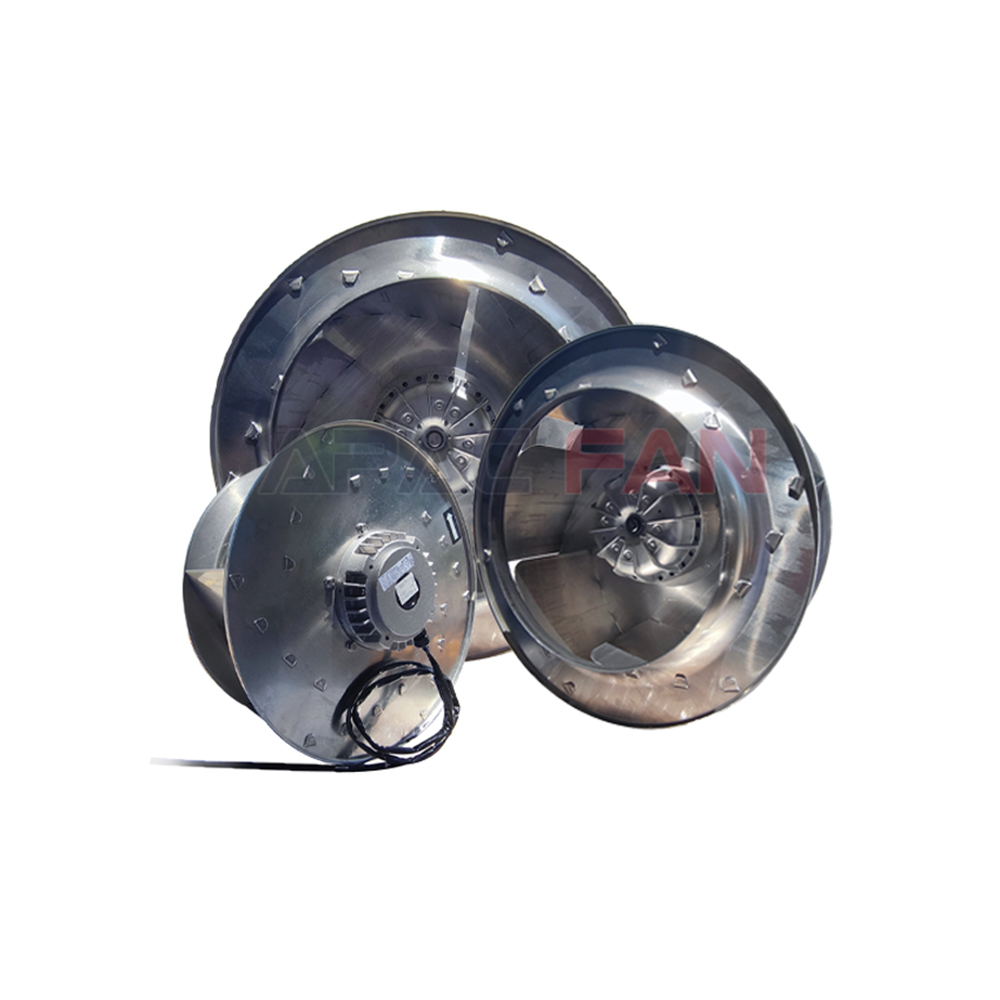
Can a motor be replaced without the wheel? That depends on the manufacturer's service parts and the condition of the complete assembly. The replacement motor must match the wheel, mounting, supply and control requirements. A physically similar motor does not establish approved appliance compatibility.