








 English
 Français
 Deutsch
 Português
 Español
 русский
  한국어
한국어 العربية
 Italiano
 Indonesia
 Schweiz
 Polski
 Nederlands
 ישראל - עברית
 Perzisch
 ไทย
ไทย 日本語
日本語 ኢትዮ-አማርኛ
 Việt Nam
 Kiswahili
 Srpski
 Ελληνικά
 繁體中文
繁體中文Troubleshooting Overheating Issues in Industrial Fans
05/12/2026Industrial fans are designed to operate continuously under demanding conditions, but overheating remains one of the most common causes of reduced performance, unexpected shutdowns, and equipment failure. In ventilation systems, cooling systems, manufacturing plants, and industrial exhaust applications, excessive heat can shorten motor lifespan and increase maintenance costs if the problem is not resolved quickly.
Understanding how to troubleshoot overheating issues in industrial fans is essential for maintaining stable airflow performance and improving long-term system reliability. In many cases, overheating develops gradually due to airflow restrictions, incorrect fan selection, electrical problems, mechanical wear, or harsh environmental conditions.
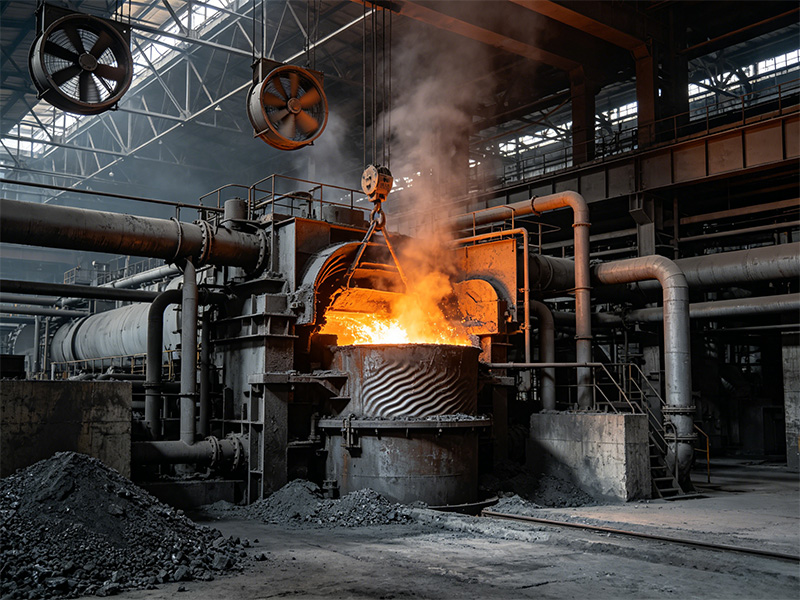
By identifying the root cause early, operators can prevent major failures and keep industrial ventilation systems operating efficiently.
Why Industrial Fans Overheat
Industrial fan overheating is usually not caused by a single issue. Most overheating problems result from multiple factors working together over time. When the fan motor experiences excessive load, poor cooling, or increased friction, operating temperature begins to rise. If the condition continues, thermal protection systems may shut the fan down, or permanent motor damage may occur.
Because industrial fans often run continuously in demanding environments, even small inefficiencies can gradually create serious heat buildup inside the system.
Airflow Restriction and Poor Ventilation
One of the most common causes of overheating in industrial fans is restricted airflow. When air cannot move freely through the ventilation system, the fan must work harder to maintain airflow and static pressure. This increased workload places additional stress on the motor and raises operating temperature.
Blocked air filters, clogged ducts, dirty heat exchangers, and poorly designed airflow paths are all common reasons for restricted airflow in industrial ventilation systems.
In some installations, the issue is not inside the ductwork but around the fan itself. Fans installed in confined spaces without proper ventilation may struggle to dissipate heat effectively. Even if the fan is operating normally, trapped heat around the motor can eventually lead to overheating.
Proper airflow design and sufficient installation clearance are important for maintaining stable fan temperature and long-term operating reliability.
Incorrect Industrial Fan Selection
Improper fan selection is another major reason for overheating problems. If the fan is not correctly matched to the airflow and pressure requirements of the system, the motor may operate outside its optimal efficiency range.
For example, using a low-pressure fan in a high-resistance duct system forces the motor to work continuously under excessive load. Over time, this increases electrical stress, reduces efficiency, and generates more heat.
In industrial fan selection, airflow volume, static pressure, operating temperature, and environmental conditions should always be evaluated together. A properly selected fan operates more efficiently and is far less likely to experience overheating issues.
Electrical Problems and Motor Overload
Electrical faults are a common but sometimes difficult-to-detect cause of overheating in industrial fan systems. Voltage instability, phase imbalance, loose wiring, or incorrect power supply configuration can all force the motor to draw excessive current.
In many cases, the fan continues running even while internal motor temperature rises beyond safe limits. Without regular inspection, the issue may go unnoticed until the thermal protection system activates or motor failure occurs.
Facilities with unstable power conditions should perform regular electrical inspections as part of routine industrial fan maintenance. Monitoring current draw, voltage balance, and motor temperature helps identify potential overheating problems before serious damage develops.
Bearing Wear and Mechanical Friction
Mechanical wear is another important contributor to industrial fan overheating. Bearings are responsible for supporting smooth fan rotation, and when lubrication decreases or bearing surfaces begin to wear, friction increases significantly.
Higher friction creates additional resistance inside the fan assembly, forcing the motor to work harder and produce more heat. Over time, worn bearings can reduce airflow performance, increase vibration, and eventually lead to complete fan failure.
Routine bearing inspection and lubrication are essential for maintaining stable industrial fan performance and preventing overheating caused by mechanical stress.
Environmental Factors and High Temperatures
Industrial operating environments can strongly influence fan temperature and cooling efficiency. High ambient temperatures reduce the motor’s ability to release heat, especially when the fan already operates under heavy load.
Dust accumulation is another common issue. Dirt buildup on motor housings, cooling fins, or impellers can trap heat and reduce airflow around the motor. In dusty workshops or industrial exhaust systems, overheating often becomes more likely when regular cleaning is neglected.
For high-temperature environments, selecting an industrial fan specifically designed for heat resistance is extremely important. High-temperature industrial fans typically use specialized motors, insulation systems, and materials that improve thermal stability under demanding conditions.
Variable Speed Drives and Speed Control Issues
Modern industrial ventilation systems often use EC motors or variable frequency drives to improve energy efficiency and airflow control. While these technologies reduce power consumption, incorrect speed settings can sometimes contribute to overheating.
Running a fan at extremely low speed under high load may reduce internal motor cooling. On the other hand, operating at excessive speed increases electrical and mechanical stress.
Proper speed control configuration helps balance airflow performance, motor cooling, and energy efficiency in industrial fan systems.
How to Prevent Industrial Fan Overheating
Preventing overheating requires a combination of proper system design, regular inspection, and preventive maintenance. In many cases, small adjustments can significantly improve operating temperature and reduce the risk of failure.
Regular cleaning of airflow paths helps maintain proper ventilation and reduces motor workload. Electrical inspections help identify voltage imbalance or excessive current draw before damage occurs. Bearing lubrication and vibration monitoring reduce mechanical friction and improve long-term reliability.
It is also important to evaluate whether the selected fan matches the actual operating conditions. Many overheating issues can be traced back to improper fan sizing or system resistance problems.
By combining preventive maintenance with proper industrial fan selection, facilities can reduce downtime, improve energy efficiency, and extend equipment lifespan.
Final Thoughts
Overheating in industrial fans is not simply a motor problem. It is usually the result of airflow restrictions, electrical stress, mechanical wear, poor ventilation, or incorrect system design working together over time.
Understanding the root causes of overheating allows operators to respond early before performance loss or permanent damage occurs. Proper industrial fan maintenance, airflow management, and system design all play important roles in keeping ventilation systems operating safely and efficiently.
For facilities that rely on continuous airflow and cooling, proactive monitoring and correct fan selection remain the most effective ways to prevent overheating and maintain stable long-term performance.
FAQ
Q: What causes industrial fans to overheat?
A: Industrial fans usually overheat because of restricted airflow, motor overload, incorrect fan selection, electrical problems, worn bearings, or high ambient temperatures. In many cases, several factors contribute to heat buildup at the same time.
Q: How can restricted airflow lead to fan overheating?
A: When airflow is blocked by dirty filters, clogged ducts, or poor ventilation design, the fan motor must work harder to maintain airflow and pressure. This increased load generates additional heat and may eventually cause overheating.
Q: Can incorrect fan selection cause overheating problems?
A: Yes. If a fan is not properly matched to the system’s airflow and static pressure requirements, the motor may operate outside its efficient range. This increases electrical stress, energy consumption, and operating temperature over time.
Q: How do bearings affect industrial fan temperature?
A: Worn or poorly lubricated bearings increase mechanical friction inside the fan assembly. Higher friction forces the motor to work harder, generating excess heat and increasing the risk of overheating or equipment failure.
Q: How can overheating in industrial fans be prevented?
A: Preventing overheating involves regular maintenance, airflow inspection, electrical monitoring, bearing lubrication, proper speed control, and selecting the correct industrial fan for the operating environment. Early detection is key to avoiding major system failures.