
















 English
 Français
 Deutsch
 Português
 Español
 русский
  한국어
한국어 العربية
 Italiano
 Indonesia
 Schweiz
 Polski
 Nederlands
 ישראל - עברית
 Perzisch
 ไทย
ไทย 日本語
日本語 ኢትዮ-አማርኛ
 Việt Nam
 Kiswahili
 Srpski
 Ελληνικά
 繁體中文
繁體中文ebm-papst Fans for Refrigeration Systems
02/25/2026Refrigeration systems form the backbone of the global cold chain, a critical infrastructure essential for preserving food, ensuring pharmaceutical efficacy, and supporting countless industrial processes. From the supermarket aisle to the pharmaceutical warehouse, maintaining precise, stable, and efficient cooling is non-negotiable. In an era defined by rising global energy costs, stringent environmental regulations, and an intense focus on operational sustainability, the components within these systems are under increasing scrutiny. Among these, the humble fan plays a disproportionately vital role. The choice of fan technology transcends mere component selection; it is a strategic decision that directly impacts energy consumption, system reliability, total cost of ownership, and ultimately, the quality and safety of the products being preserved.
ebm-papst fans for refrigeration systems have emerged as a leading solution in this demanding field, recognized worldwide for their superior energy efficiency, exceptional reliability, and advanced, intelligent EC (Electronically Commutated) motor technology. This article provides a comprehensive overview of the critical role of fans in refrigeration, explores the diverse applications from commercial display cases to industrial cold storage, and details why EC fan technology from ebm-papst is becoming the definitive standard for modern, high-performance cooling systems across global markets.
The Critical Role of Fans in Refrigeration System Performance
At its core, a refrigeration system functions as a heat transfer machine. Fans are the indispensable components that enable and optimize this transfer by moving air. Their performance is fundamental to the entire system's efficiency and stability. In refrigeration applications, fans are primarily tasked with two key functions: moving air across the evaporator coil (to absorb heat from the cooled space) and across the condenser coil (to reject absorbed heat to the environment). Beyond this basic duty, they are responsible for ensuring uniform temperature distribution throughout a cold room or display case, preventing hotspots that could compromise product integrity. They also facilitate efficient frost control on evaporator coils and help maintain appropriate humidity levels.
The consequences of inadequate or inefficient airflow are severe and costly. Poor airflow forces the system's compressor to work harder and longer to achieve the desired temperature, leading to excessive energy consumption and accelerated wear. It results in temperature fluctuations and stratification, putting perishable goods at risk and shortening shelf life. Inefficient condenser airflow, especially in high-ambient regions like the Middle East, can cause system pressures to soar, tripping safety controls and risking breakdowns. Therefore, fan selection is not an afterthought; it is a primary design decision that directly dictates the operational cost, reliability, and effectiveness of the entire refrigeration system.

Typical Refrigeration Applications and Fan Requirements
Refrigeration needs vary dramatically by sector, each presenting unique challenges that demand specific fan solutions.
- Commercial Refrigeration
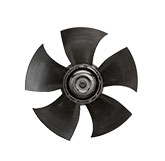
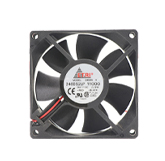
This segment encompasses the cooling solutions visible in daily life, such as supermarket open and closed display cases for dairy, meat, and produce, walk-in coolers and freezers in restaurants and hotels, and dedicated beverage coolers. The operating environment here demands a careful balance of performance and discretion. Commercial refrigeration fans must operate with very low noise levels to ensure a pleasant customer and staff environment. Space is often at a premium, requiring compact fan designs. Energy efficiency is paramount due to continuous, 24/7 operation, directly impacting the store's utility bills. Furthermore, these fans must be exceptionally reliable to avoid spoilage of high-value inventory. For these applications, compact, efficient, and quiet EC axial fans from ebm-papst are extensively used in evaporator and condenser units, providing the necessary airflow with minimal energy draw and acoustic footprint.
- Cold Storage Warehouses
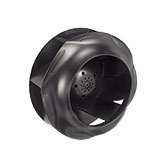
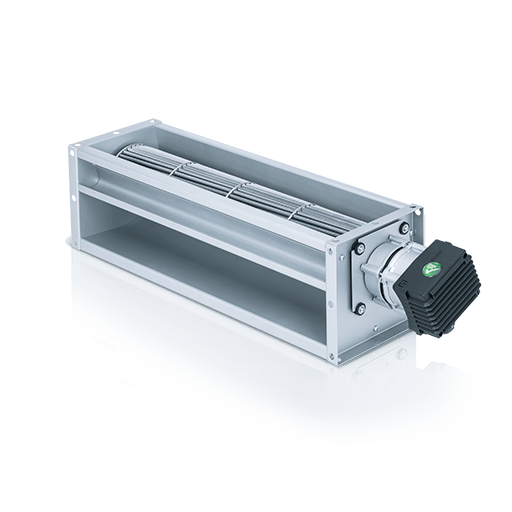
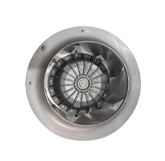
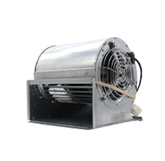
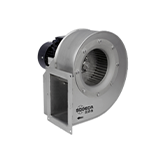
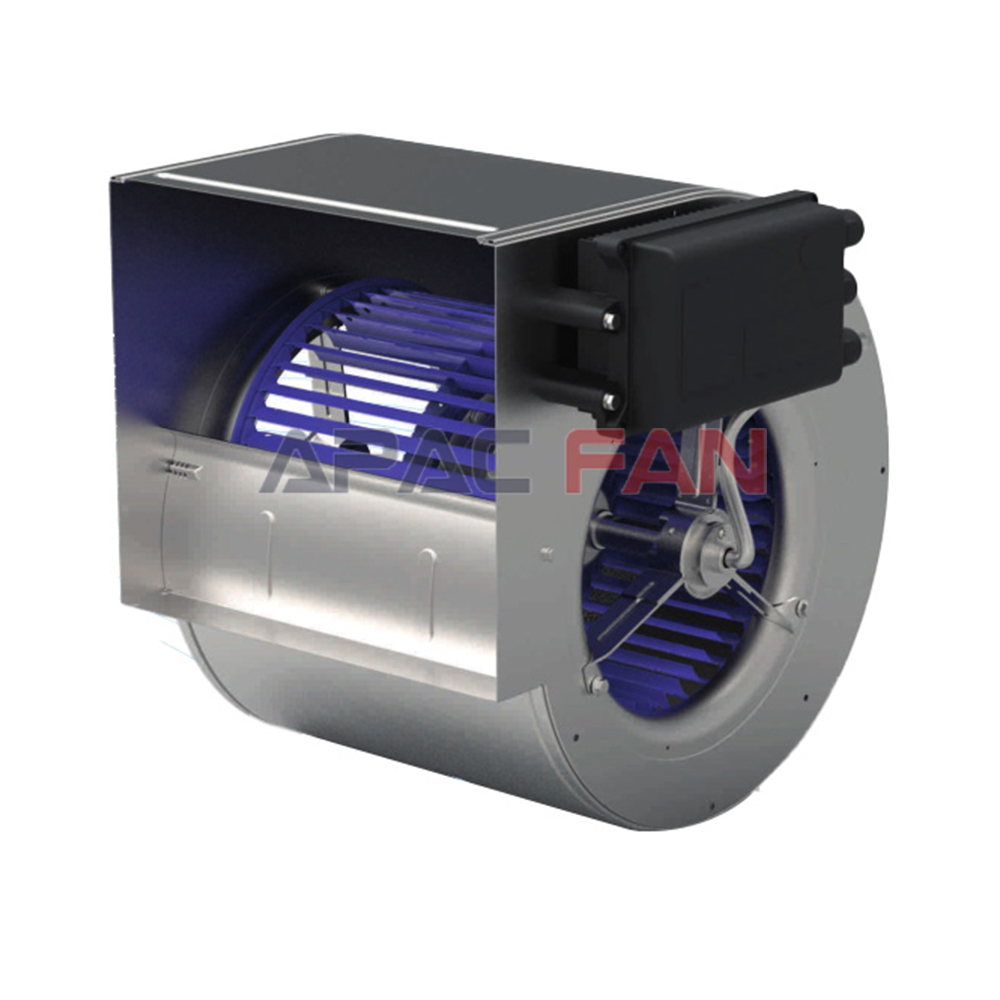
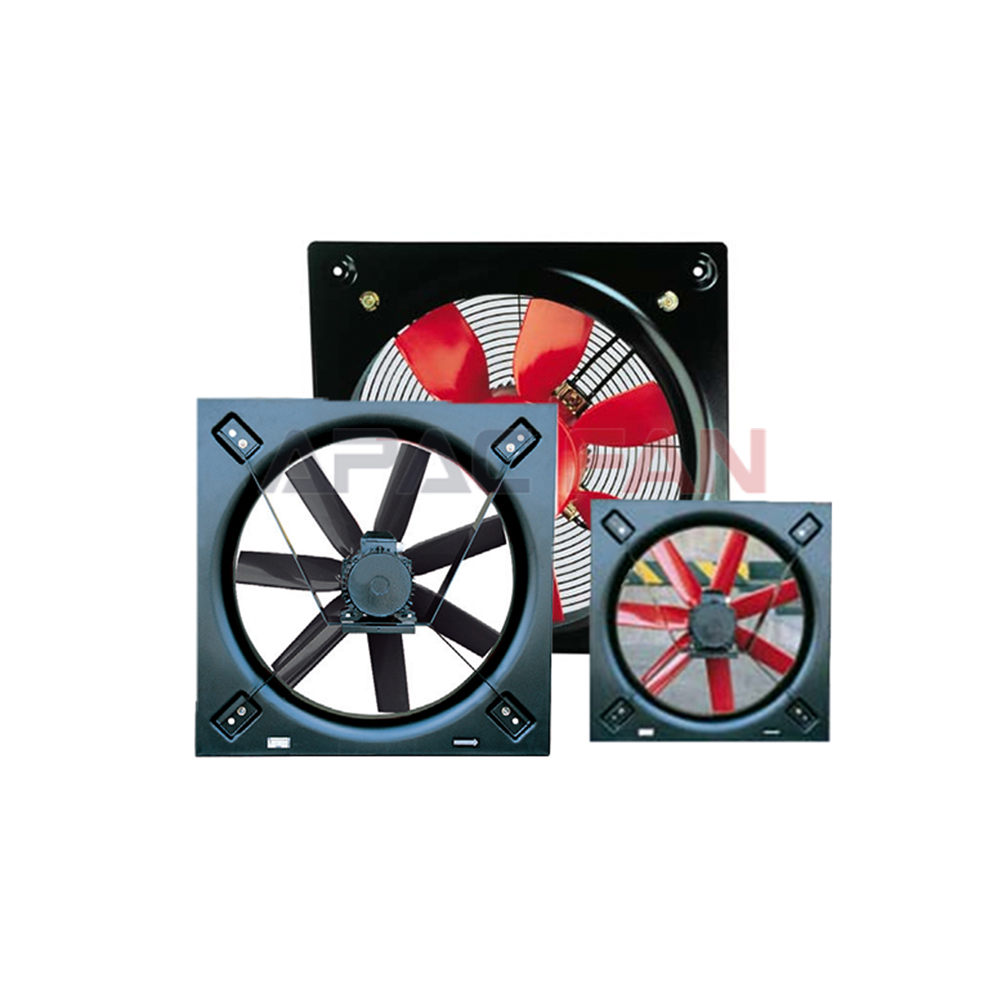
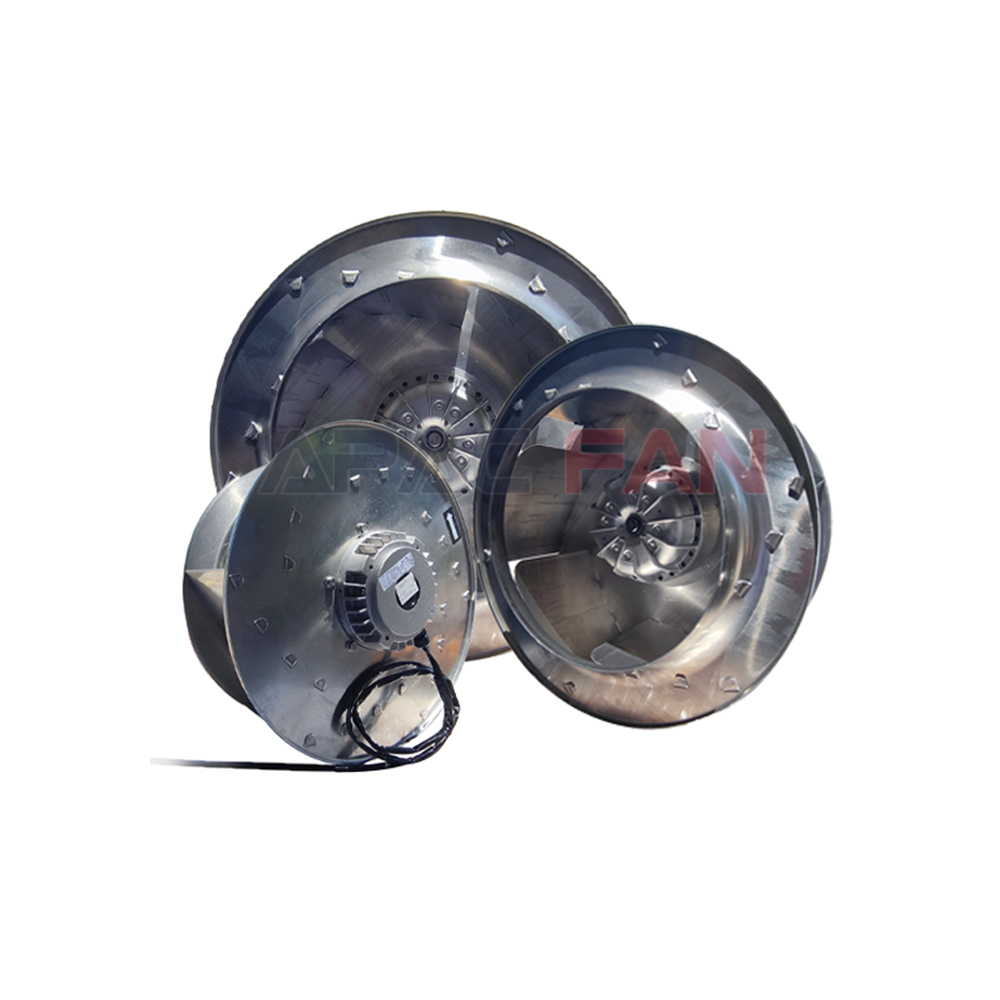
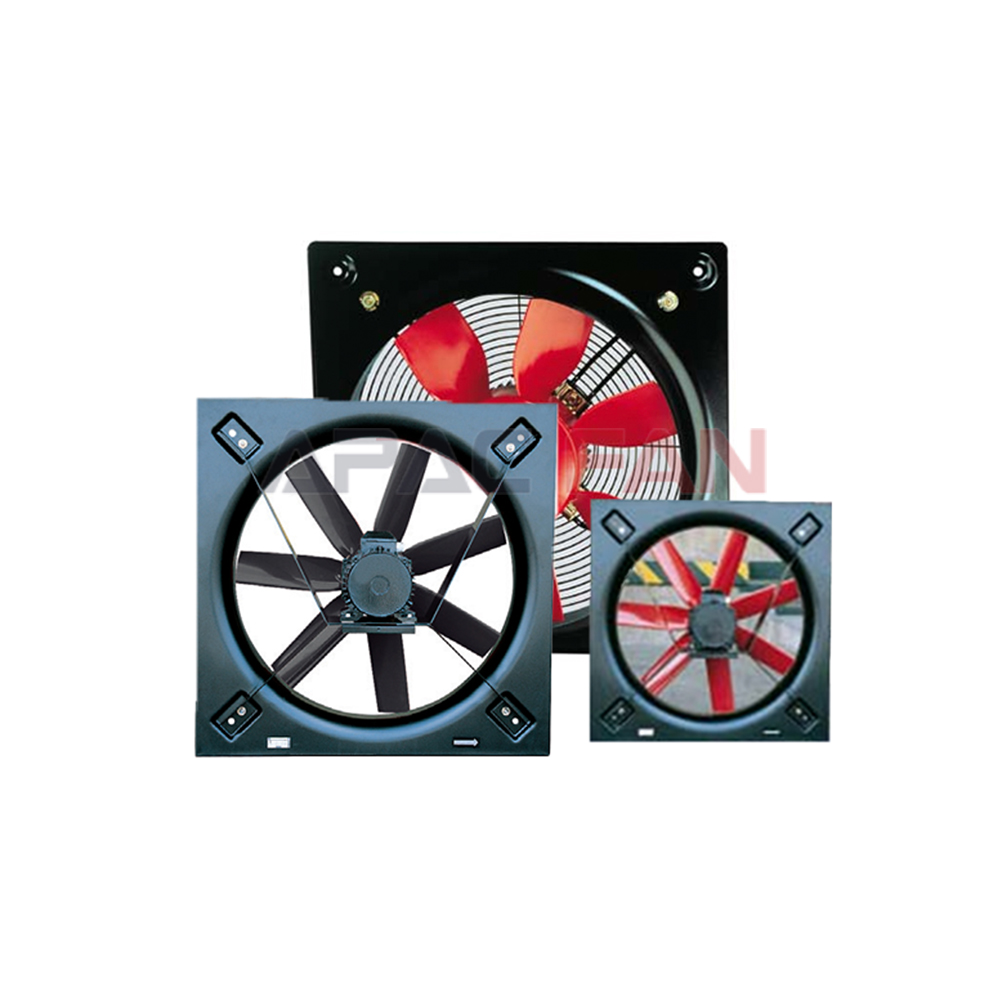
The scale and demand change significantly in large-scale storage facilities, including food distribution logistics centers, dedicated warehouses for meat, seafood, and frozen goods, and agricultural storage for fruits and vegetables. These are vast, volume-driven applications. The primary requirement is moving very high volumes of air consistently and uniformly throughout large spaces to maintain a stable temperature profile. Fans must operate flawlessly in sustained low-temperature and high-humidity environments, resisting frost buildup on their blades and housings. Durability and the ability to start reliably at low temperatures are critical. For such demanding settings, robust centrifugal fans (for applications requiring higher static pressure to overcome ducted systems) and large axial fans (for high-volume, low-resistance airflow) equipped with EC technology are the preferred choice, offering the necessary power, environmental resistance, and speed controllability for optimal warehouse climate management.
- Industrial Refrigeration
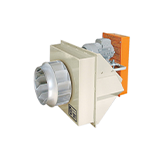
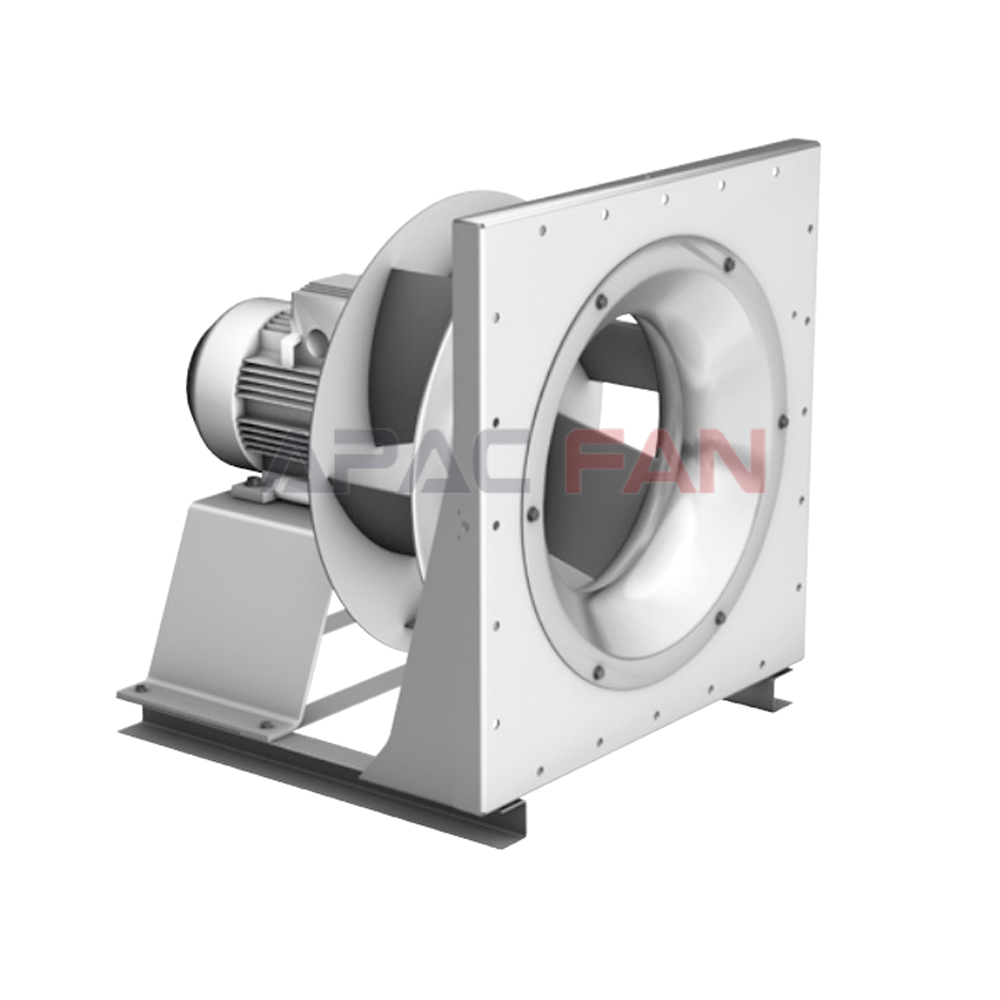
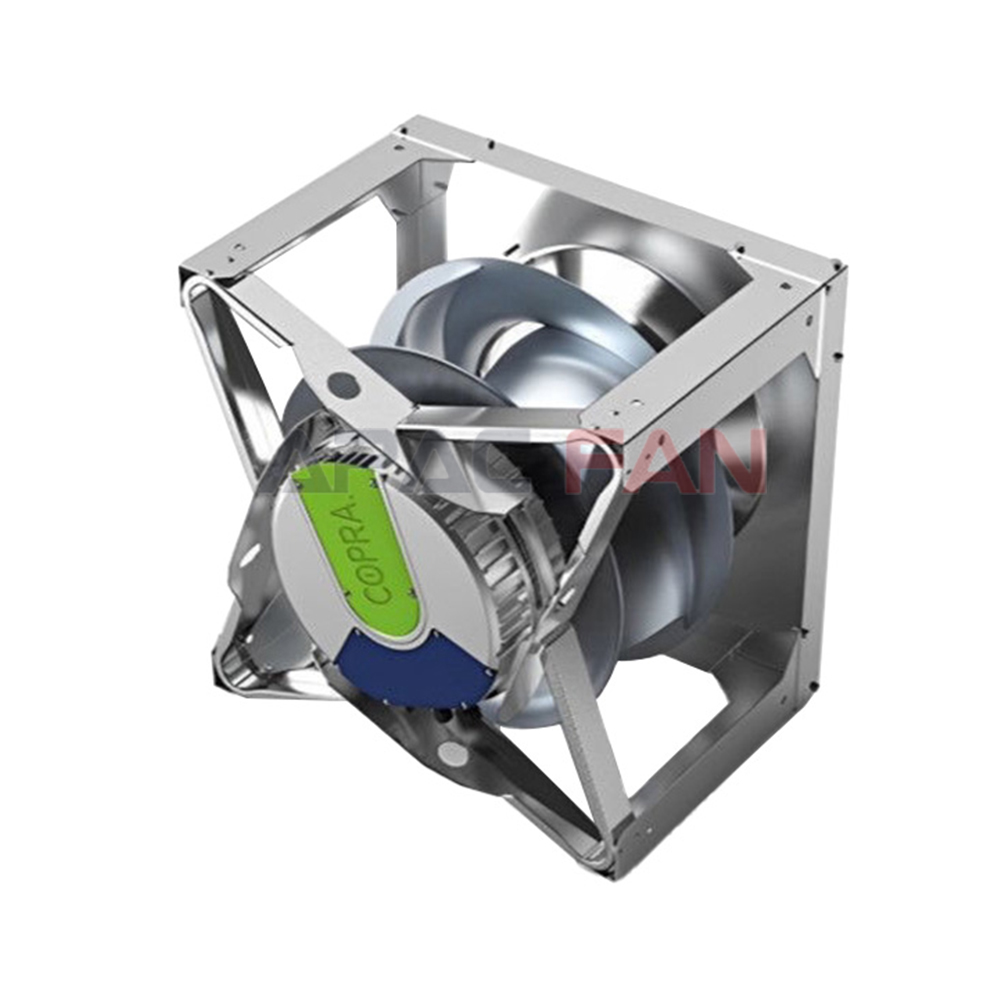
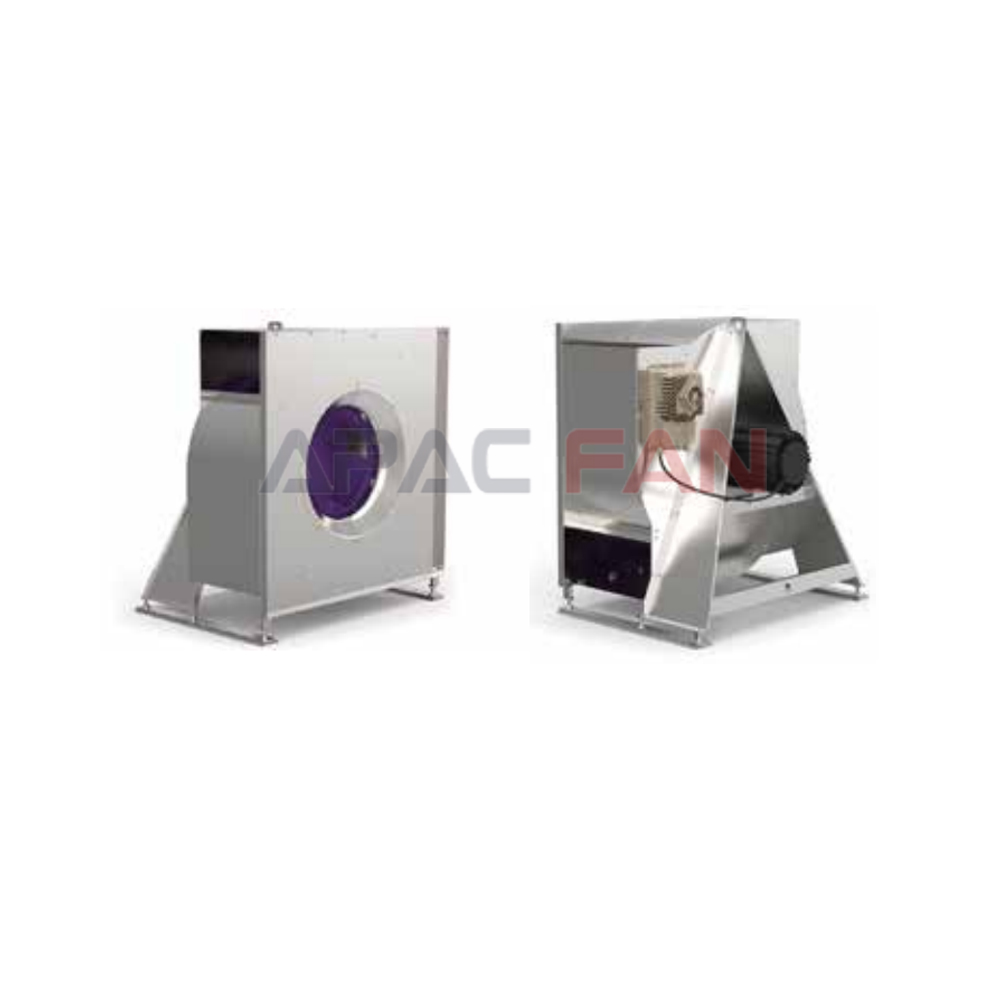
This category includes the most demanding applications within food processing plants (e.g., for blast freezing, process cooling), the stringent cold chain for pharmaceuticals and vaccines, and industrial ice-making plants. Here, the emphasis is on extreme reliability, robustness, and the ability to handle challenging conditions over long, uninterrupted operating hours. System downtime can result in massive product loss. Fans in these systems often need to provide high airflow against significant system resistance (high static pressure), such as when pushing air through dense finned-tube coils or lengthy duct runs. Plug fans (which offer a efficient, packaged solution) and heavy-duty centrifugal EC fans are frequently specified for these roles. Their robust construction, high-efficiency EC motors, and capability for precise control make them ideal for ensuring the critical process stability required in industrial settings.
The Technological Shift: Why EC Fans Are Dominating Modern Refrigeration
The global transition from traditional AC (Alternating Current) induction motors to EC motor technology in refrigeration fans is driven by compelling technical and economic advantages that address the core pain points of the industry.
- Substantial Energy Savings
Refrigeration systems are among the largest energy consumers in commercial and industrial facilities, operating continuously. This makes even small efficiency gains tremendously valuable. EC motors are inherently more efficient than AC induction motors, converting a higher percentage of electrical input into useful mechanical work. Their efficiency remains high even at partial speeds, unlike AC fans which see significant drops. When integrated into a variable-speed control scheme, an EC fan can reduce its speed during low-load periods (e.g., at night or in cooler ambient conditions), consuming dramatically less power. The accumulated energy savings over the fan's lifespan often far outweigh its initial purchase premium, delivering a rapid return on investment.
- Intelligent and Precise Speed Control
This is a cornerstone benefit. EC fans are inherently controllable. Their integrated electronics allow for seamless, continuous speed adjustment via standard control signals (0-10 VDC, PWM, or Modbus communication). This enables smart refrigeration systems to modulate fan speed based on real-time needs—such as condenser pressure, evaporator temperature, or ambient conditions. This precise control minimizes temperature swings, reduces the on/off cycling of compressors, and maintains optimal system pressures, leading to further energy savings and enhanced component longevity. The fan becomes an intelligent, responsive part of the cooling management system.
- Reduced Heat Generation and Lower Noise
The electronic commutation and higher efficiency of EC motors mean they generate significantly less waste heat within the motor compared to their AC counterparts. This reduction in parasitic heat injected into the airstream is particularly beneficial in condenser and electronics cooling applications, as it slightly reduces the actual cooling load on the system. Additionally, the smooth, brushless operation of EC motors and the ability to run at lower optimized speeds result in markedly lower noise levels, a critical factor for commercial settings.
- Enhanced Reliability and Longer Service Life
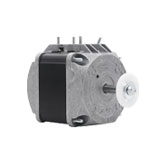
Refrigeration environments are tough, with moisture, thermal cycling, and continuous operation. EC fans have fewer wearing parts than traditional shaded-pole AC motors (no brushes, simpler mechanical construction). They also feature soft-start capabilities, eliminating the high inrush current and mechanical stress associated with AC motor start-ups. This leads to reduced mechanical wear, lower maintenance frequency, and a demonstrably longer service life, maximizing uptime and reducing lifecycle costs—a crucial factor for remote or critical cold storage installations.
The ebm-papst Advantage in Refrigeration Applications
Manufacturers, system integrators, and end-users globally specify ebm-papst fans because they deliver a proven combination of advanced technology and application-specific engineering. The benefits are clear:
- Advanced EC Motor Platform: At the heart of the solution is ebm-papst's proprietary EC technology, offering peak efficiencies and robust, field-proven reliability.
- Optimized Aerodynamics: Fans are not just efficient motors; they are precisely engineered air-moving devices. ebm-papst invests heavily in aerodynamic design (impellers, housings, guide vanes) to maximize airflow and pressure performance while minimizing noise.
- Designed for Demanding Environments: The products are built to thrive in the harsh conditions of refrigeration, with features like corrosion-resistant coatings, humidity-protected electronics, and designs that resist frost accumulation.
- Global Compliance and Support: The product range is designed to meet or exceed international energy efficiency standards (like EU ErP) and safety certifications, simplifying specification for global projects, backed by a worldwide technical support network.
Regional Market Considerations and Trends
Understanding regional drivers is key to successful specification:
- Europe: The market is shaped by some of the world's most rigorous energy efficiency and F-gas regulations. This has accelerated the adoption of EC technology as the default choice for new installations and retrofits, driven by both compliance and total cost-of-ownership calculations.
- Southeast Asia: The climate presents challenges of high ambient temperature and extreme humidity, demanding robust system performance. At the same time, high and volatile energy costs create a strong financial incentive for investing in high-efficiency EC fans to reduce operational expenses. The focus is on reliability in humid conditions and fast payback periods.
- Middle East: Operating conditions are defined by exceptionally high ambient temperatures, placing extreme demand on condenser performance. Here, the reliability and performance of condenser fans at high temperatures are critical to prevent system failure. EC fans that maintain high efficiency and stable operation under these stresses are essential for system integrity.
Conclusion: The Clear Path to Efficient Cooling
The evolution of refrigeration technology is unequivocally moving towards greater intelligence, efficiency, and connectivity. In this landscape, the fan has transformed from a simple commodity component into a critical, efficiency-defining subsystem. ebm-papst EC fans for refrigeration provide the essential combination of superior energy performance, precise controllability, unwavering reliability, and robust construction required to meet the challenges of modern commercial and industrial cooling applications.
From ensuring the perfect presentation of goods in a supermarket to safeguarding the viability of pharmaceuticals or enabling large-scale food logistics, the right airflow solution is fundamental. As global priorities firmly converge on energy conservation, carbon footprint reduction, and sustainable operations, EC fan technology from leaders like ebm-papst is not just an option—it is rapidly establishing itself as the new standard for building the efficient, reliable, and smart refrigeration systems of today and tomorrow. Investing in this technology is a direct investment in lower operating costs, improved system stability, and enhanced sustainability credentials.