



















 English
 Français
 Deutsch
 Português
 Español
 русский
  한국어
한국어 العربية
 Italiano
 Indonesia
 Schweiz
 Polski
 Nederlands
 ישראל - עברית
 Perzisch
 ไทย
ไทย 日本語
日本語 ኢትዮ-አማርኛ
 Việt Nam
 Kiswahili
 Srpski
 Ελληνικά
 繁體中文
繁體中文How to Select Fans for Cold Storage Rooms
03/04/2026Cold storage rooms form the backbone of numerous critical industries, including food processing, pharmaceutical storage, agricultural logistics, and general industrial refrigeration. Whether preserving perishable foods, maintaining stable conditions for temperature-sensitive medications, or supporting large-scale cold chain operations, these facilities rely on consistent, reliable low-temperature environments to protect inventory and ensure product integrity. At the heart of maintaining these stable conditions lies effective airflow management and high-performance ventilation equipment, with fans playing an indispensable role in regulating temperature, humidity, and air circulation throughout the entire space.
Selecting the appropriate fan for a cold storage room is far more than a matter of matching size or power; it is a decision that directly impacts multiple aspects of system performance and long-term operational success. Foremost among these is temperature uniformity, which prevents dangerous hotspots and uneven cooling that can compromise stored goods. Equally important is energy consumption, as inefficient fans force compressors and other refrigeration components to work harder, driving up utility costs and increasing overall operational expenses. Fan selection also influences frost formation on evaporator coils and internal surfaces; poorly chosen fans can lead to excessive icing, reduced heat exchange efficiency, and more frequent defrost cycles. Finally, the right fan contributes to extended equipment lifespan by reducing unnecessary strain on motors, bearings, and associated refrigeration hardware.
This practical guide is designed to walk facility managers, refrigeration engineers, and maintenance professionals through the complete process of selecting fans for cold storage rooms. It focuses on core technical considerations, including accurate airflow calculations, static pressure evaluation, suitable motor technologies, and strategies for maximizing long-term energy efficiency. By following these structured principles, users can make informed decisions that balance performance, reliability, and cost-effectiveness in even the most demanding cold storage environments.
Step 1: Determine the Cooling Capacity and Airflow Requirements
Before selecting any fan, it is essential to begin with precise calculations that align the ventilation system with the actual needs of the cold storage facility. The foundation of this process lies in determining the required airflow, usually measured in cubic meters per hour (m³/h) or cubic feet per minute (CFM), as this value dictates how much air the fan must move to maintain desired conditions. This airflow must be paired with an accurate assessment of the total cooling load in kilowatts (kW), which accounts for heat generated by stored products, external heat infiltration, lighting, equipment, and frequent door openings.
The overall volume of the cold storage room is another critical factor, as larger spaces naturally require greater airflow to achieve consistent circulation. The type of storage also heavily influences airflow requirements: chilled storage for fresh produce operates under different parameters than sub-zero frozen storage for meat and seafood, while pharmaceutical cold rooms often demand extremely stable, tightly controlled conditions with minimal temperature fluctuation.
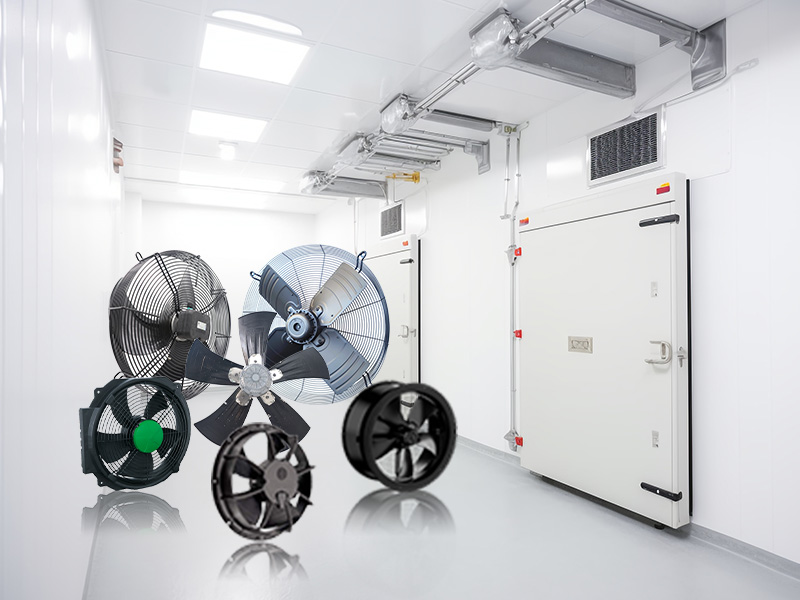
Properly calibrated airflow ensures even temperature distribution across every section of the room, eliminating isolated hotspots that can lead to spoilage or inconsistent product quality. It also helps maintain stable humidity levels, which are vital for preserving sensitive goods and reducing condensation that contributes to frost buildup. Conversely, inadequate airflow creates a cascade of problems: inconsistent cooling forces the refrigeration compressor to cycle more frequently and run for longer periods, increasing wear and tear while consuming excess energy. Over time, insufficient airflow not only raises operational costs but also shortens the service life of the entire refrigeration system. Taking the time to accurately calculate cooling capacity and airflow requirements at the planning stage prevents costly mismatches between fan performance and real-world operational needs.
Step 2: Evaluate Static Pressure Conditions
Once airflow requirements are established, the next critical step is evaluating static pressure conditions within the cold storage system. Static pressure represents the resistance that the fan must overcome to push air through the entire ventilation circuit, and every component within the system adds to this resistance. Common elements that increase static pressure include evaporator coils, which restrict airflow as frost accumulates, rigid or flexible air ducts, protective grilles and filters, air curtains at entry points, and other structural obstructions within the airflow path.
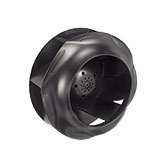
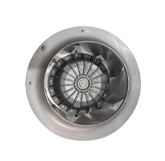
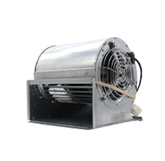
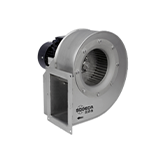
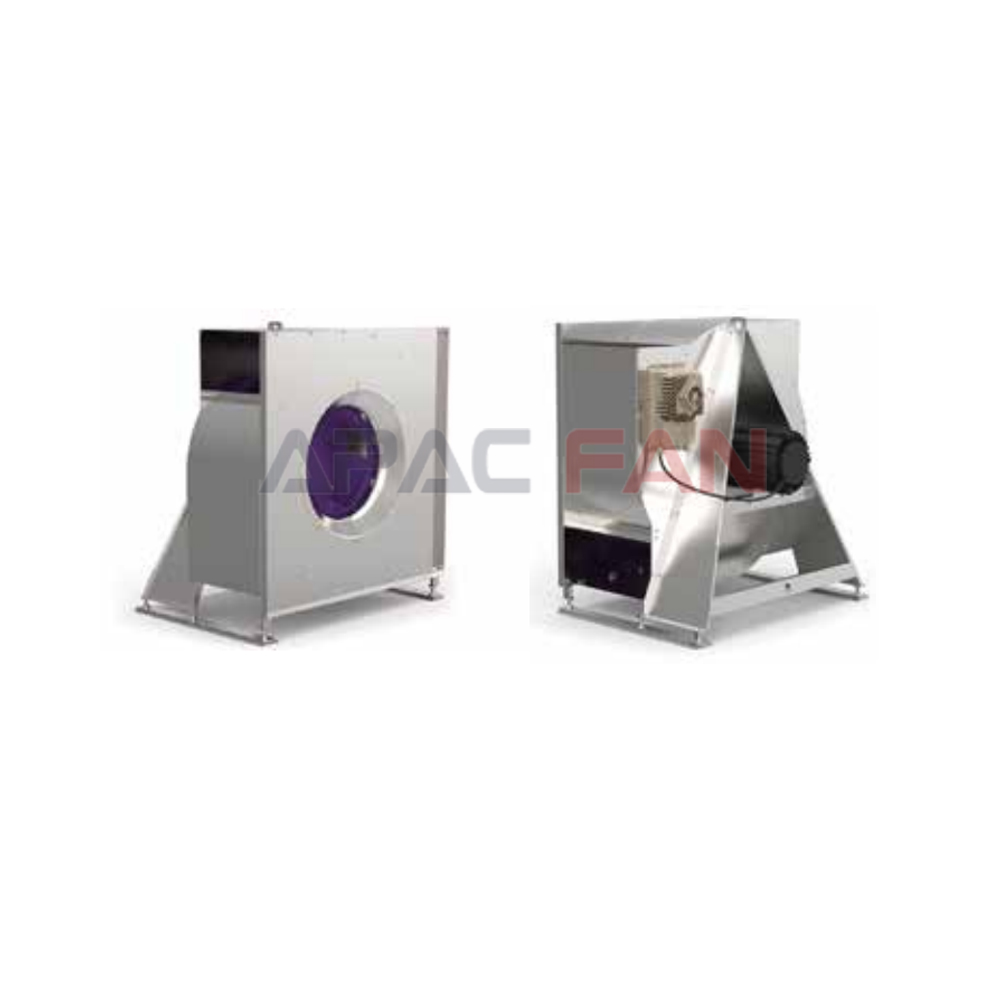
Understanding these resistance levels is essential to choosing a fan that can perform reliably under actual operating conditions. In systems where static pressure is moderate to high—such as ducted setups, units with dense coils, or configurations with multiple airflow restrictions—centrifugal EC fans are strongly preferred. Centrifugal fans are engineered to generate higher pressure while maintaining stable airflow, making them well-suited for applications where resistance cannot be avoided.
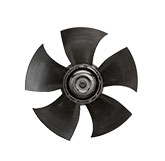
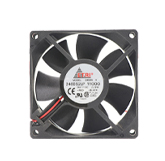
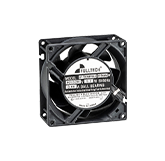
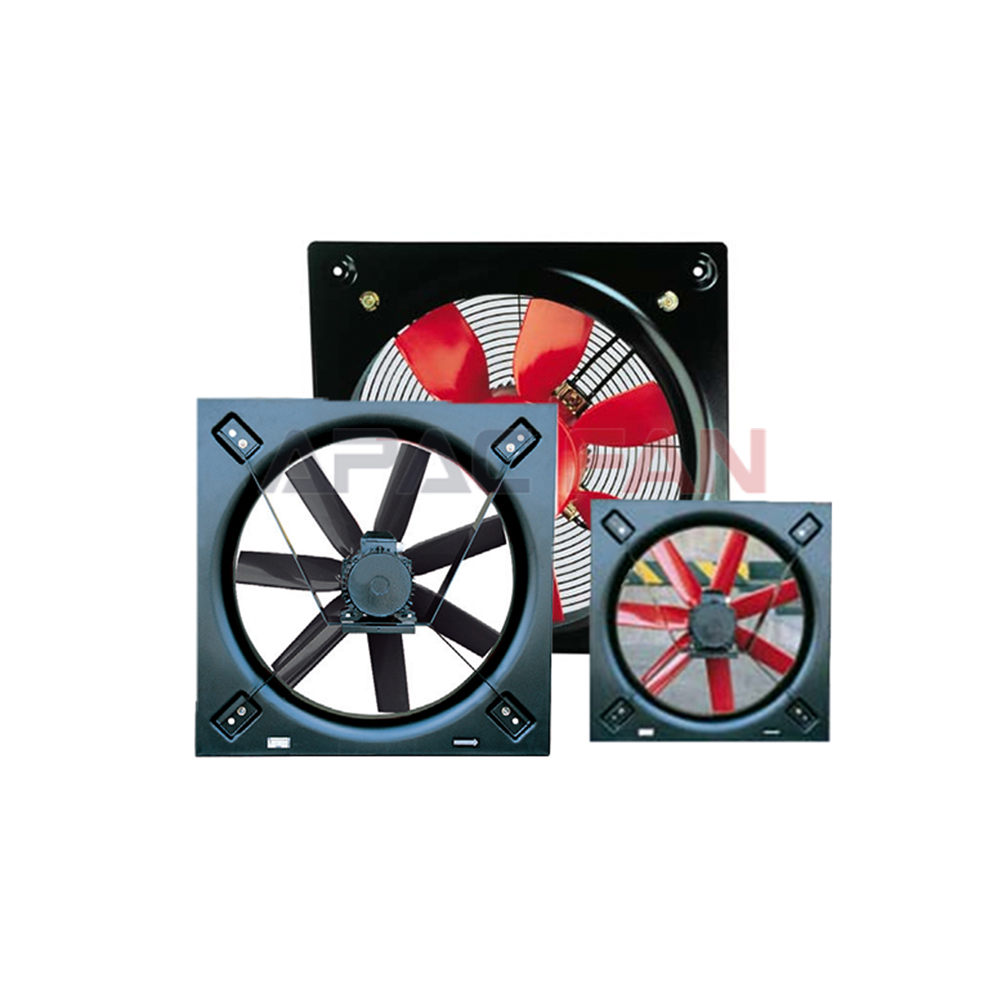
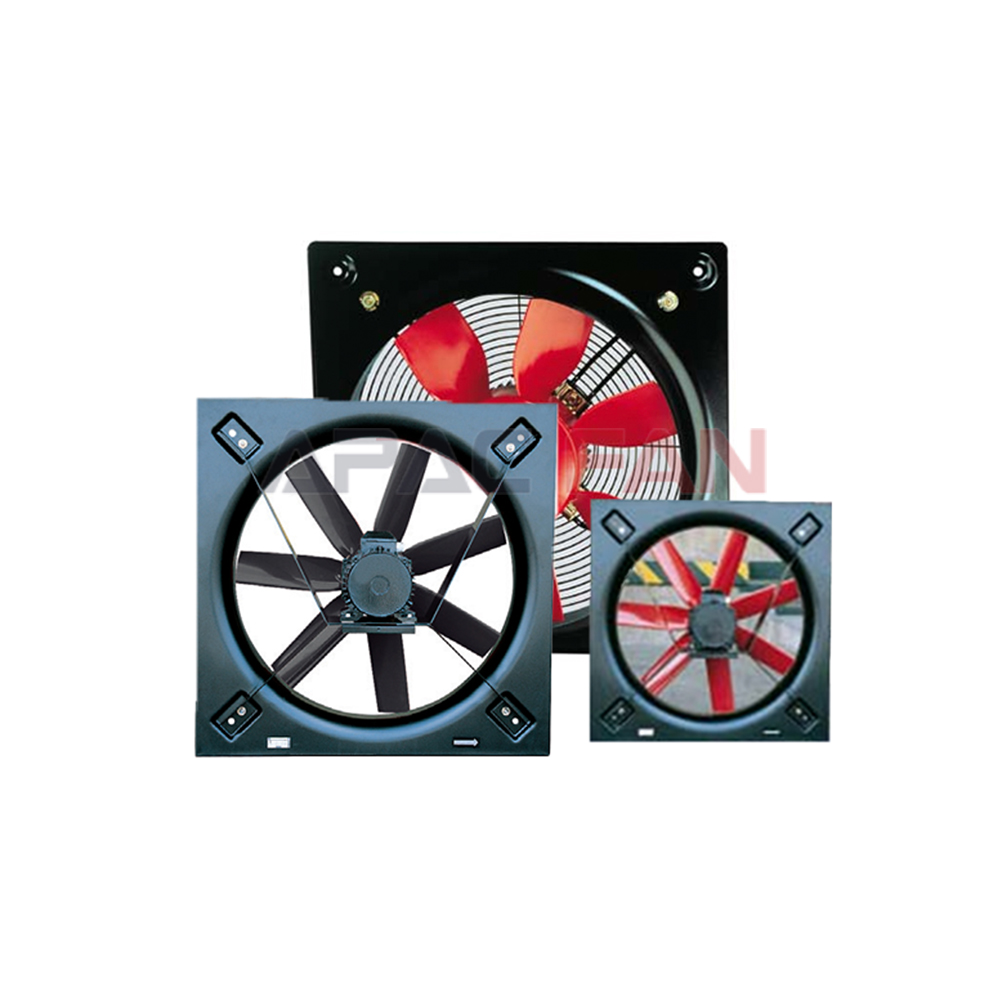
For open evaporator units with simpler airflow paths and lower overall resistance, axial EC fans may provide sufficient performance at a more compact size. These fans excel at moving high volumes of air with relatively low pressure, aligning perfectly with open, unrestricted cold storage layouts. Accurate static pressure evaluation prevents two common and costly errors: undersizing, which results in insufficient airflow and poor cooling, and oversizing, which wastes energy, increases noise, and creates unnecessary turbulence. By matching fan pressure capabilities to the actual resistance of the system, operators ensure efficient, stable airflow without overworking components or sacrificing performance.
Step 3: Consider Low-Temperature Operating Conditions
Cold storage rooms operate across a range of challenging low-temperature environments, and fans must be specifically designed to withstand these harsh conditions without compromising performance or durability. Chilled storage facilities typically maintain temperatures between 0°C and 5°C, ideal for fresh fruits, vegetables, dairy products, and certain medical supplies. In contrast, frozen storage facilities regularly operate at -18°C or below, creating an extremely demanding environment for electrical and mechanical components.
Beyond low temperatures, cold storage fans must tolerate persistent high humidity, frequent condensation, and regular exposure to frost and ice formation. These conditions can damage standard motors, corrode bearings, and degrade internal components over time, leading to premature failure and unexpected downtime. For this reason, fans used in cold storage must feature robust construction tailored to low-temperature operation.
EC fans with sealed bearings, moisture-resistant wiring, and corrosion-protected housings represent the ideal solution for these environments. Sealed bearings prevent moisture intrusion and ice formation around moving parts, ensuring smooth operation even in sub-zero conditions. Moisture-resistant components reduce the risk of short circuits and electrical damage, while durable external coatings protect against the corrosive effects of humidity and frost. Choosing a fan not built for these conditions can result in frequent breakdowns, costly replacements, and interruptions to temperature-sensitive storage operations. Prioritizing cold-resistant, moisture-proof design ensures reliable performance year-round, even in the harshest frozen storage facilities.
Step 4: Choose Between EC and AC Motor Technology
One of the most impactful decisions in cold storage fan selection is choosing between EC (Electronically Commutated) and AC (Alternating Current) motor technology. Given that most cold storage facilities operate continuously, 24 hours a day and seven days a week, motor efficiency directly influences ongoing energy costs, system stability, and long-term operational economics. For nearly all modern cold storage applications, EC fans are the recommended choice due to their superior performance and efficiency advantages.
EC fans offer significantly higher motor efficiency compared to traditional AC fans, converting a greater proportion of electrical energy into useful airflow rather than waste heat. This efficiency is especially valuable in cold storage, where excess internal heat from motors can add to the cooling load and force compressors to compensate. EC fans also feature integrated variable speed control, allowing operators to adjust airflow dynamically based on real-time conditions.
This adaptability is crucial in cold storage environments, where demands change regularly: airflow can be reduced when doors remain closed, increased during busy periods with frequent entries and exits, adjusted to match varying product loads, and fine-tuned during defrost cycles to minimize frost buildup. By contrast, AC fans generally operate at fixed speeds, providing constant airflow regardless of actual needs. While AC fans often have a lower upfront purchase price, their higher energy consumption and lack of controllability make them significantly more expensive to operate over the lifespan of the system. For facilities focused on long-term efficiency and cost reduction, EC technology delivers consistent savings and greater operational flexibility.
Step 5: Optimize Air Distribution
Beyond raw performance specifications, effective cold storage fan selection requires careful attention to air distribution design. Even the most powerful and efficient fans will fail to deliver optimal results if airflow is uneven, misdirected, or poorly matched to the room’s geometry. Uniform air distribution is critical to preventing temperature stratification, eliminating dead zones, and ensuring consistent conditions from floor to ceiling and from wall to wall.
Several key design considerations influence air distribution effectiveness. Fan placement height determines how air circulates vertically; placing fans too high or too low can create stagnant areas or excessive turbulence. Air throw distance—the distance air travels after leaving the fan—must be matched to the room’s dimensions to avoid either insufficient coverage or excessive air bouncing off walls. The number of fans per evaporator unit also plays a vital role, as multiple smaller fans often provide more uniform coverage than a single large fan in medium and large cold rooms.
Equally important is airflow direction, which should be planned to create smooth, consistent circulation rather than chaotic eddies or concentrated jets. Improper airflow design leads to a range of operational problems: uneven freezing of stored products, increased risk of spoilage in poorly circulated zones, and excess frost buildup on coils and surfaces where air movement is weak. When selecting fans, professionals must consider not just technical specifications but also how each unit integrates with the overall layout of the cold storage room. By aligning fan type, quantity, and placement with room geometry, operators achieve balanced airflow that maximizes cooling efficiency and protects stored inventory.
Step 6: Noise and Vibration Control
While often overlooked in favor of cooling performance, noise and vibration control are important considerations in many cold storage environments, particularly those integrated with food processing lines, pharmaceutical manufacturing facilities, or occupied buildings. Excessive noise can create unsafe or uncomfortable working conditions, while persistent vibration can loosen fittings, damage sensitive components, and accelerate mechanical wear on both fans and associated refrigeration equipment.
EC fans excel in this area due to their advanced motor design and smooth operation. Unlike AC fans, which often experience abrupt speed changes and mechanical noise, EC fans offer gradual, smooth speed transitions that reduce both audible noise and physical vibration. This smooth operation lowers mechanical stress on bearings, mounts, and surrounding structures, improving overall system stability and reducing the need for frequent maintenance.
In facilities where noise levels are regulated or where quiet operation is preferred—such as urban cold storage centers, pharmaceutical warehouses, or food processing plants with nearby workstations—chopping low-noise, low-vibration EC fans directly improves the working environment while enhancing equipment reliability. Reduced vibration also minimizes the risk of loosened wiring, ductwork, or mounting hardware, preventing small issues from developing into costly failures. By prioritizing fans with excellent noise and vibration characteristics, operators create safer, more stable, and more pleasant cold storage operations.
Step 7: Energy Efficiency and Operating Cost Analysis
Given that cold storage systems run continuously, fan energy consumption represents a significant portion of total operational costs. Unlike equipment that runs intermittently, fans operate 24/7, meaning even small improvements in efficiency translate to substantial savings over time. Conducting a thorough energy efficiency and operating cost analysis is therefore essential to making a cost-effective fan selection.
High-efficiency EC fans deliver multiple interconnected economic benefits. First and foremost, they reduce electricity consumption by operating at peak efficiency across a wide range of speeds and loads. Lower energy use directly lowers monthly utility bills, providing consistent financial savings. Additionally, efficient fans reduce the load on the refrigeration compressor by maintaining stable temperatures and minimizing heat input from motor operation, further reducing overall energy consumption.
This combined efficiency improves the entire refrigeration system’s performance, allowing it to maintain target temperatures with less effort and greater reliability. For businesses operating in energy-sensitive markets—including regions in Europe, Southeast Asia, and other areas with high electricity costs—these savings become even more impactful. Many facilities see a relatively fast return on investment (ROI) when upgrading to high-efficiency EC fans, as reduced utility costs offset the initial purchase price within a reasonable timeframe. When evaluating fan options, looking beyond upfront cost to consider long-term operational expenses reveals the true economic value of high-efficiency solutions.
Common Mistakes in Cold Storage Fan Selection
Even with a clear understanding of technical requirements, many professionals fall prey to common avoidable mistakes when selecting cold storage fans. One of the most frequent errors is ignoring static pressure requirements, choosing a fan based solely on airflow without accounting for system resistance. This mismatch leads to underperformance, insufficient cooling, and overworked components.
Another common issue is selecting fixed-speed fans for facilities with highly variable loads. Fixed-speed fans cannot adapt to changing conditions such as door openings, varying inventory levels, or defrost cycles, resulting in consistent energy waste and less precise temperature control. Similarly, oversizing airflow “just to be safe” leads to unnecessary energy use, increased frost buildup, and uneven cooling, as excessive airflow creates turbulence rather than improved circulation.
Perhaps the most costly long-term mistake is using standard, non-resistant motors in high-humidity, low-temperature environments. Fans not designed to withstand moisture, frost, and sub-zero temperatures fail prematurely, leading to emergency replacements, downtime, and disrupted cold storage operations. By recognizing and avoiding these common errors, facility managers and engineers significantly improve the reliability, efficiency, and lifespan of their cold storage ventilation systems.
Typical Fan Types for Cold Storage Rooms
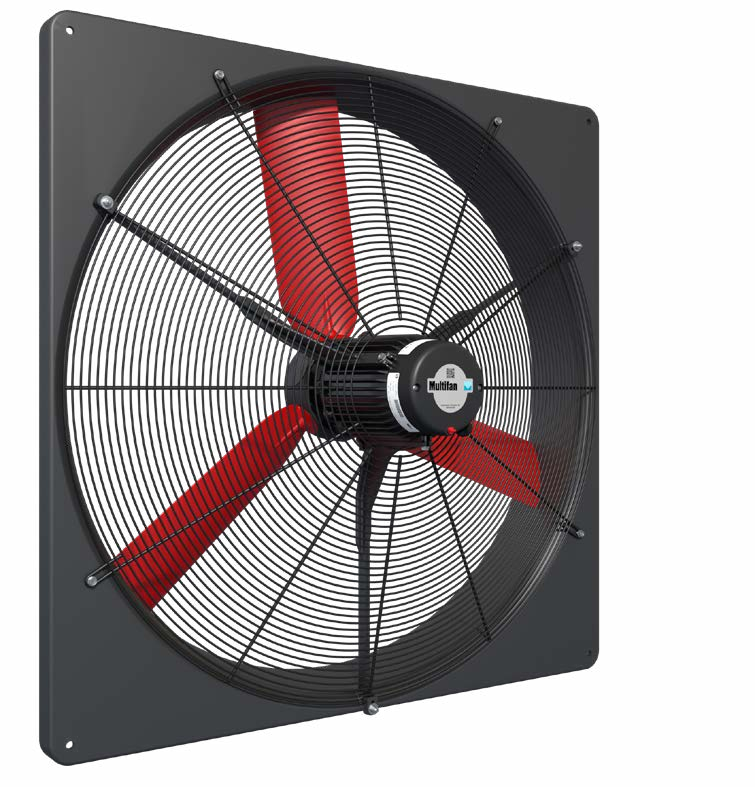
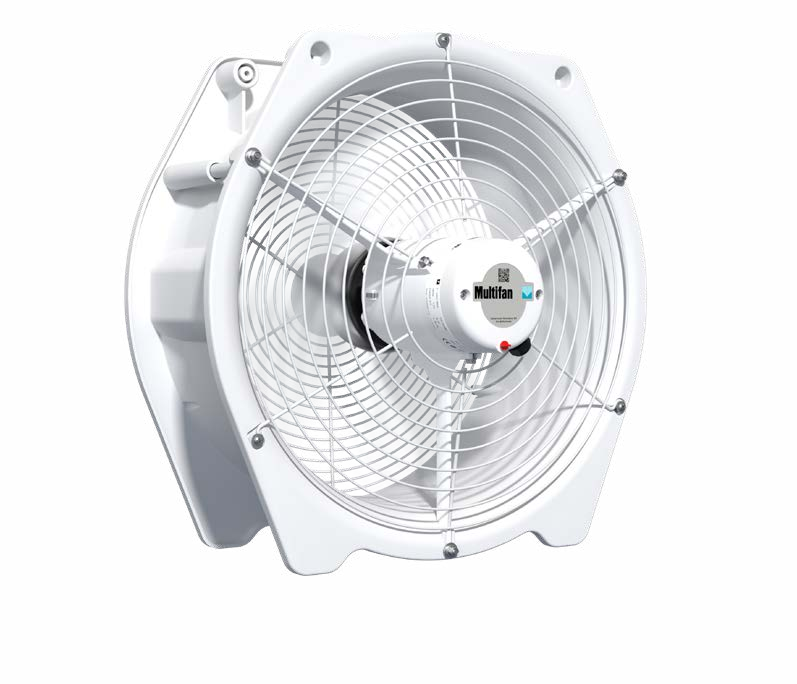
Different cold storage applications demand specific fan types to achieve optimal performance, and matching fan design to use case is a key part of the selection process. For standard evaporator units commonly found in small to medium cold rooms, EC axial fans are the recommended choice, offering high airflow in a compact form factor ideal for direct coil mounting.
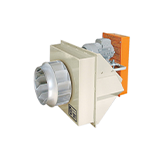
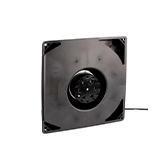
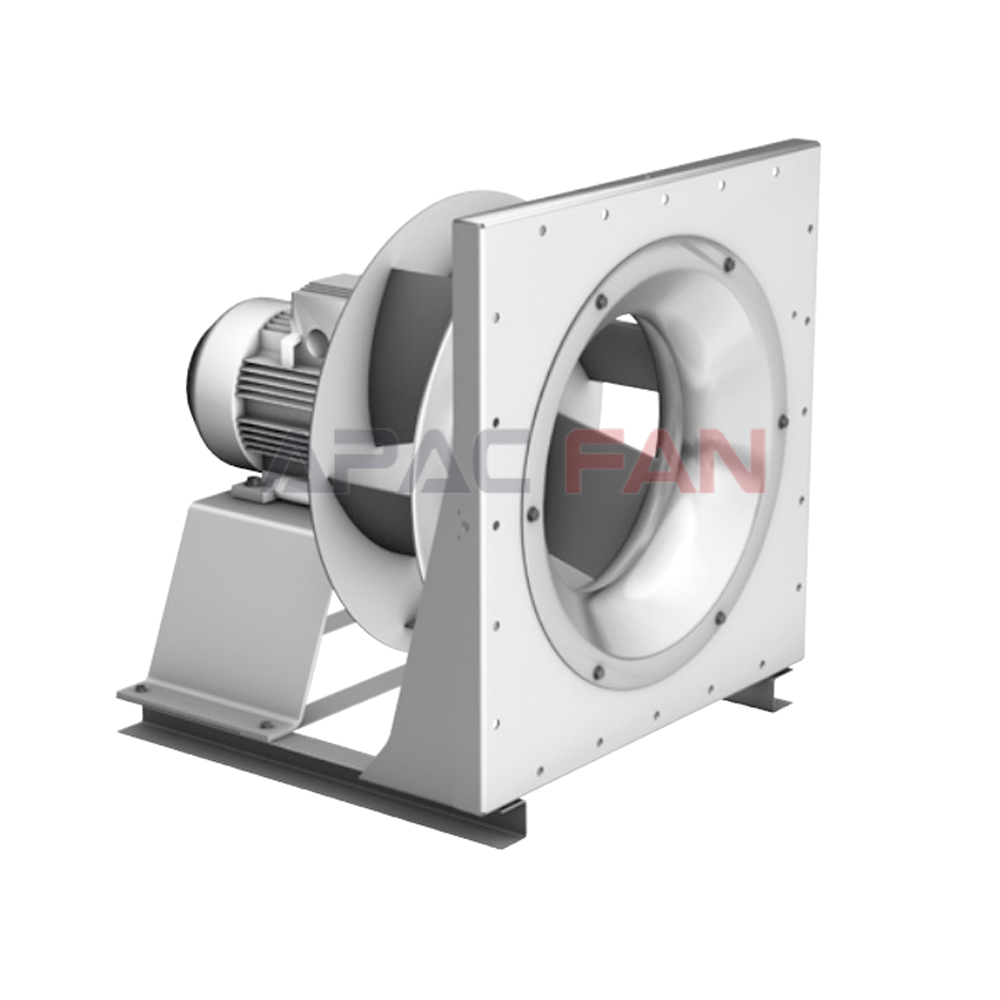
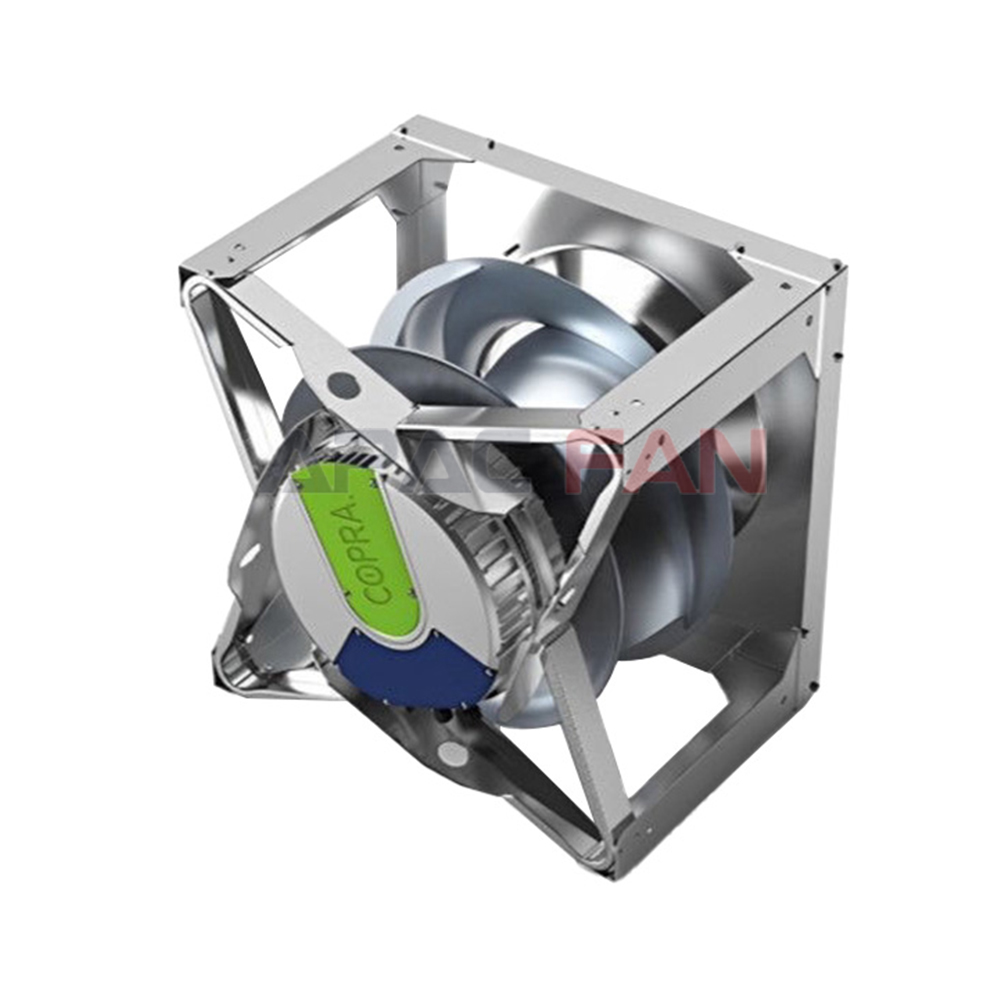
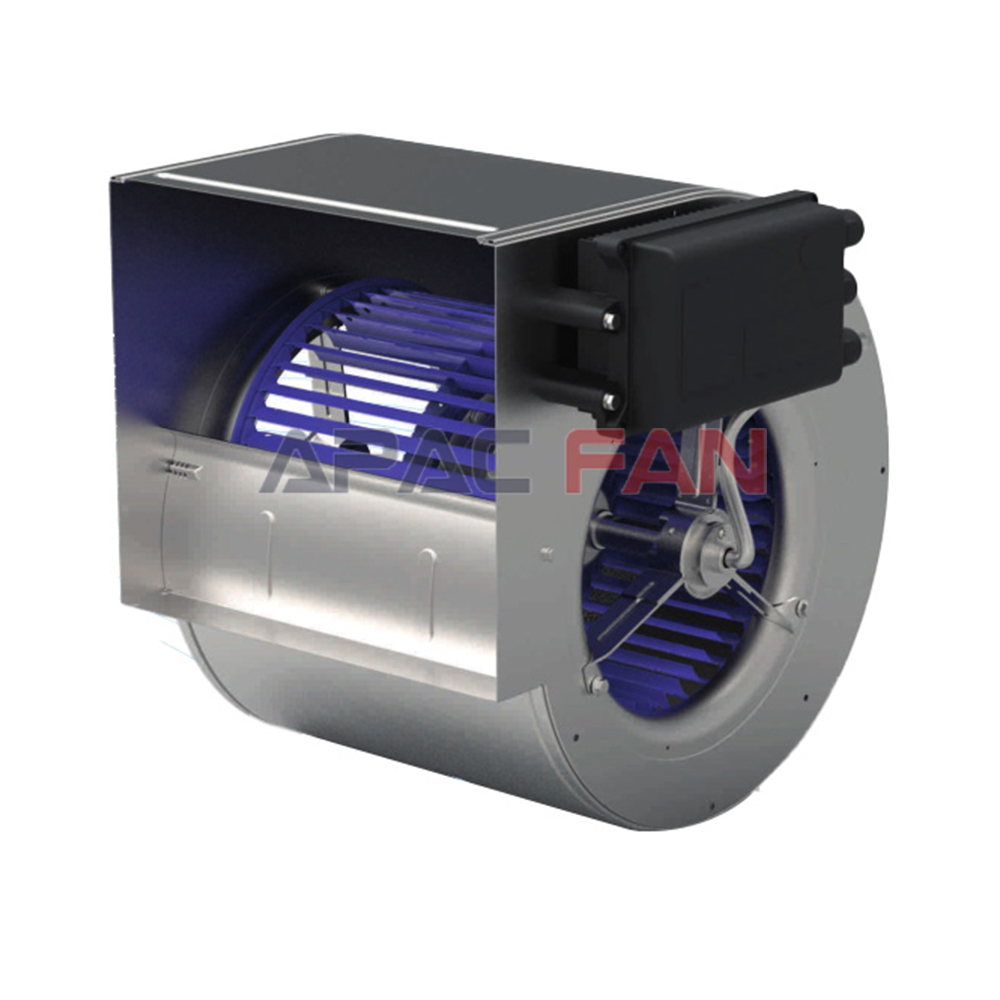
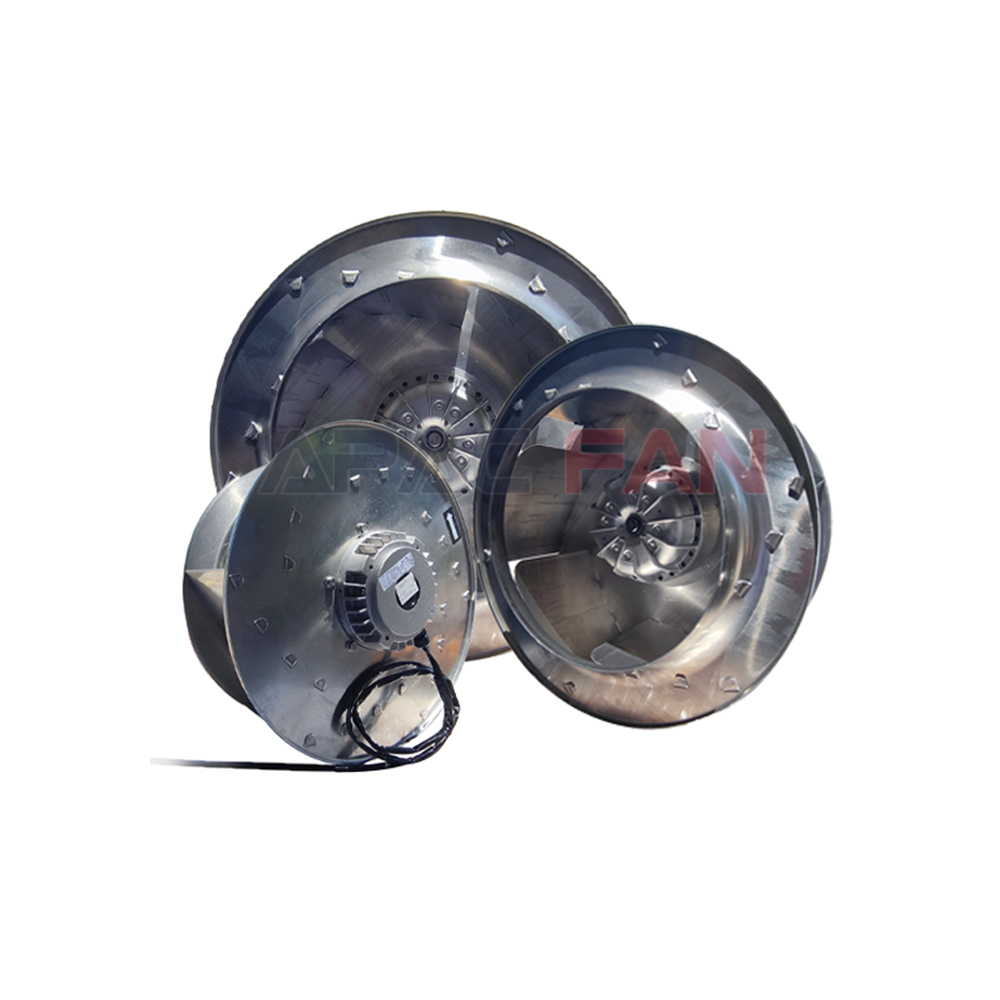
In ducted systems where air must be pushed through longer pathways with higher resistance, EC centrifugal fans provide the necessary pressure and stability to maintain consistent airflow. For large industrial cold rooms and high-capacity storage facilities, plug fans offer powerful, modular performance that can be scaled to match expansive spaces and heavy cooling demands. In high-humidity areas or facilities prone to frequent condensation and frost, fans with sealed EC motors provide the necessary protection against moisture and ice, ensuring reliable operation in challenging conditions.
Understanding these application-specific recommendations helps streamline the selection process, ensuring that each fan is chosen to fulfill its unique role within the broader refrigeration system. Whether for a small chilled storage room or a large industrial frozen warehouse, matching fan type to application is a simple yet powerful way to enhance efficiency and reliability.
Conclusion
Selecting the right fan for cold storage rooms is a decision that shapes every aspect of refrigeration system performance, from temperature stability and energy efficiency to frost control and long-term operational reliability. As cold storage facilities continue to play a vital role in global food supply chains, pharmaceutical storage, and industrial logistics, the importance of optimized ventilation and airflow management only increases.
By prioritizing accurate calculation of airflow and cooling requirements, careful evaluation of static pressure, consideration of low-temperature operating conditions, and adoption of advanced EC motor technology, operators can build systems that deliver consistent, cost-effective performance. Optimizing air distribution, controlling noise and vibration, and analyzing long-term energy costs further enhance the value and reliability of cold storage operations.
Avoiding common selection mistakes and choosing application-appropriate fan types ensure that the ventilation system supports rather than hinders refrigeration performance. In the end, investing time and resources into proper fan selection yields significant returns: lower energy bills, reduced maintenance costs, extended equipment life, and consistent protection for temperature-sensitive inventory. For any professional involved in cold storage design, management, or maintenance, following this practical guide to fan selection is an essential step toward building efficient, reliable, and future-proof refrigeration systems.