















 English
 Français
 Deutsch
 Português
 Español
 русский
  한국어
한국어 العربية
 Italiano
 Indonesia
 Schweiz
 Polski
 Nederlands
 ישראל - עברית
 Perzisch
 ไทย
ไทย 日本語
日本語 ኢትዮ-አማርኛ
 Việt Nam
 Kiswahili
 Srpski
 Ελληνικά
 繁體中文
繁體中文Reducing HVAC Fan Energy in a Tire Manufacturing Facility: A Practical Upgrade Story
07/15/2026Energy projects sometimes focus on chillers while leaving air movement unchanged. In many facilities, however, supply and exhaust fans operate for long periods and continue at high speed even when demand has fallen. A retrofit delivered by AISA PACIFIC SHENGRUI LIMITED for a large tire manufacturing plant illustrates how better fan selection and control can address this hidden load.
The first step was not to select a new fan. It was to understand how the existing equipment was being used. Tire production areas combine high process heat, continuous ventilation demand, and airborne contamination. Belt-driven fans may operate inefficiently at partial load and require recurring attention to belts, bearings, alignment, and vibration. The review therefore included filters, dampers, leakage paths, duct transitions, operating schedules, and the difference between design demand and current demand.
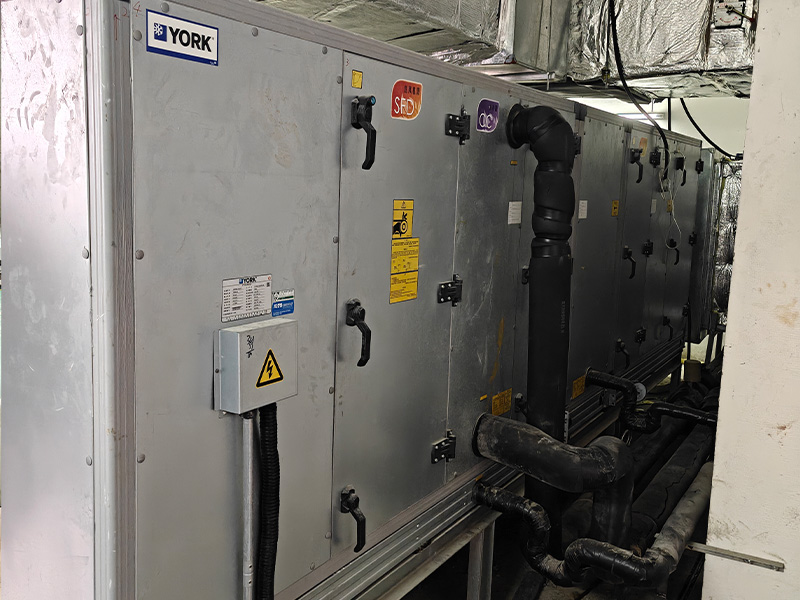
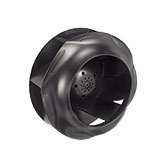
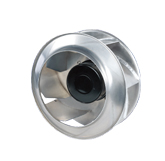
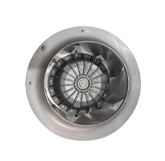
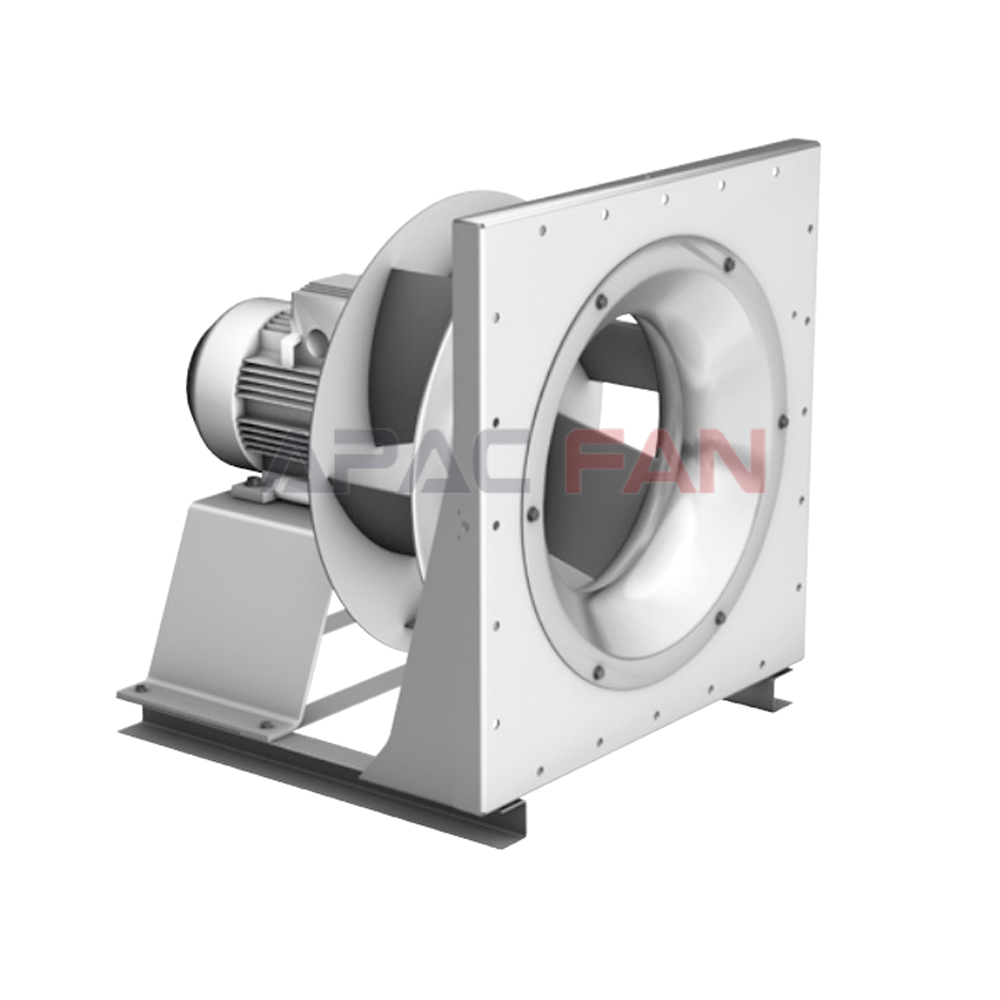
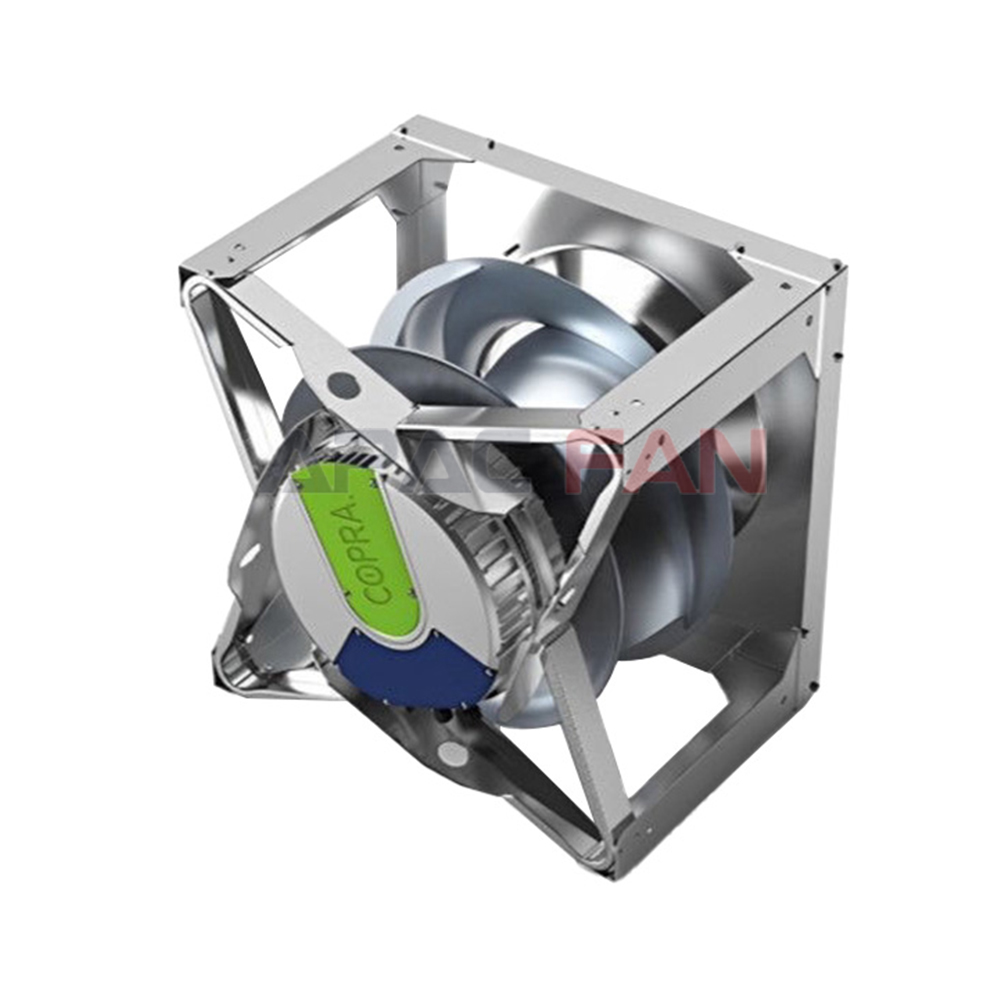
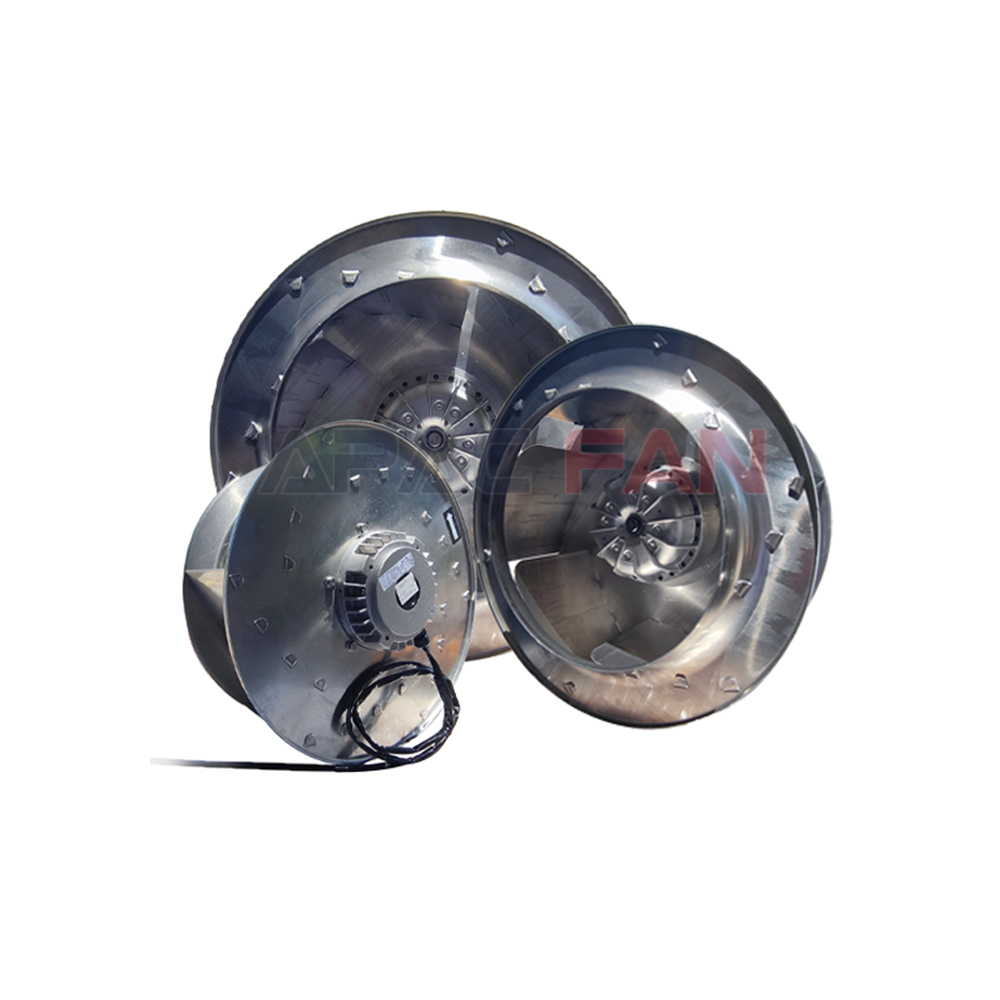
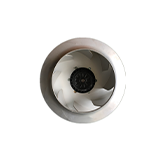
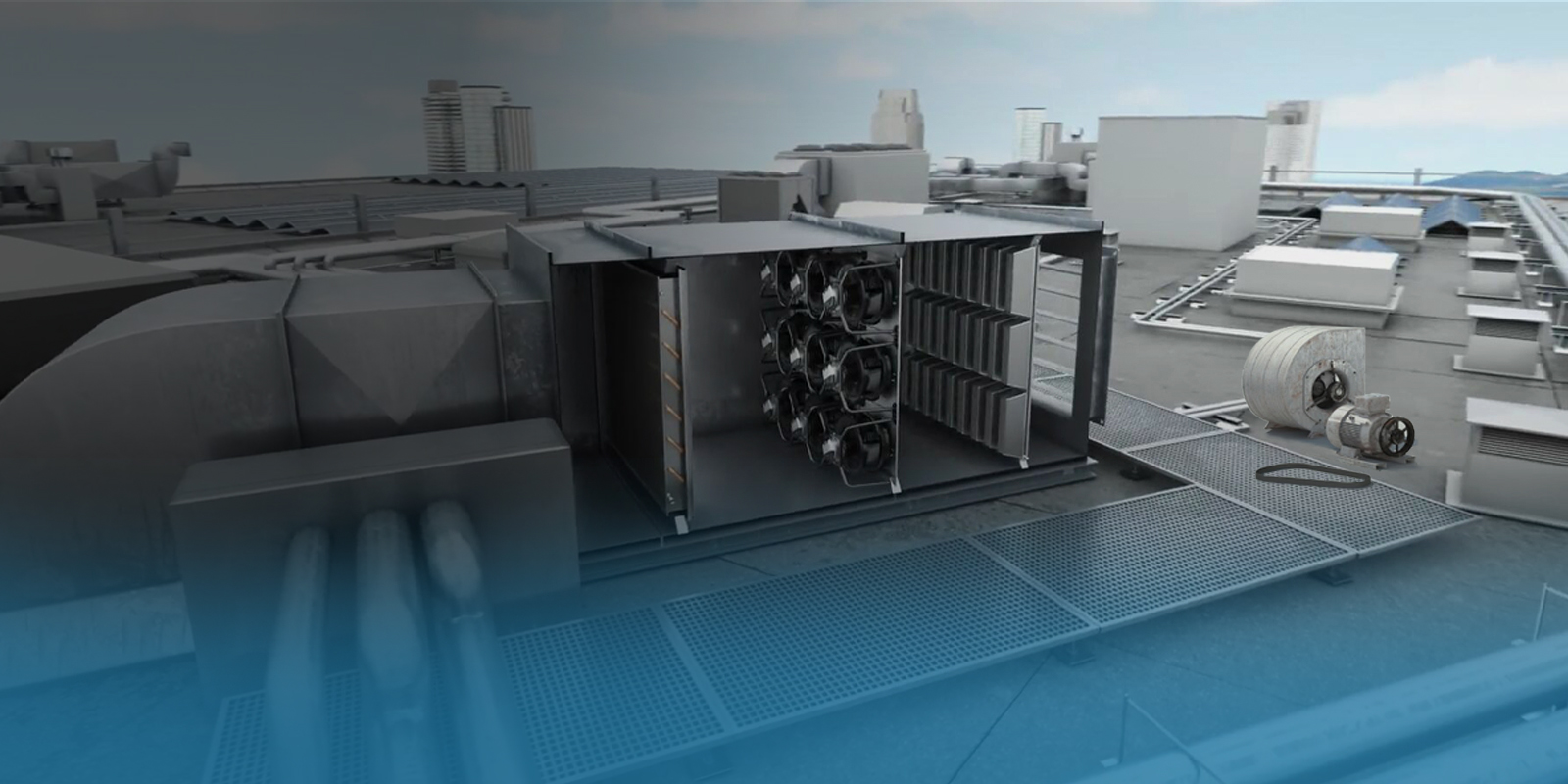
Available project information showed that The original combined air-handling unit was rated at approximately 43,000 m³/h, around 800 Pa, with a 22 kW motor. The retrofit used four R3G630-FB32-03 EC centrifugal fans. At the selected operating point, the fan array delivered about 50,000 m³/h at approximately 500 Pa with a reported operating power of about 10.4 kW. The project record states an energy-saving rate of roughly 40%. These figures provided a traceable engineering reference, while final selection remained subject to measurement and verification.
The retrofit strategy combined efficient EC technology with airflow-path improvement. The engineering approach replaced the conventional fan arrangement with a parallel EC centrifugal fan array. Fan-wall layout, bypass sealing, filter resistance, controls, and airflow distribution were considered together so that capacity could follow actual demand instead of remaining fixed. This avoided the common mistake of installing a fan with an attractive free-air rating but insufficient pressure capability inside the real unit.
Control logic was equally important. EC fans can respond directly to speed commands, but efficiency gains depend on using that capability. Minimum ventilation, temperature or pressure feedback, scheduled setback, soft starting, and fail-safe operation were considered so that the fan would not simply run at maximum speed throughout the day.
The retrofit reduced fan energy demand, removed several belt-drive maintenance points, and introduced finer capacity control as production loads changed. Final acceptance should still be based on measured airflow, pressure, power, noise, and critical-zone temperature and humidity.
From a maintenance perspective, AISA PACIFIC SHENGRUI LIMITED considered the removal or reduction of belt-related service, easier access to fan modules, and clearer operating feedback. Trending speed and power can also help identify rising system resistance before it develops into a comfort or process complaint.
A credible retrofit closes the loop with commissioning. Airflow, pressure, power, sound, vibration, and zone conditions should be tested at representative loads. When those results are connected to operating hours and local electricity cost, the owner receives a realistic business case rather than a theoretical efficiency claim.
Frequently Asked Questions
What was the recorded result of this tire plant retrofit?
The project record states approximately 50,000 m³/h at about 500 Pa, roughly 10.4 kW operating power, and an energy-saving rate near 40%.
Where do EC fan energy savings come from?
Savings can come from efficient motors, direct drive, reduced mechanical losses, improved airflow paths, and speed control that follows actual demand.
Does an EC fan retrofit require changes to the control system?
Usually yes. The project should define speed commands, minimum ventilation, sensor feedback, alarm handling, and fail-safe operation with the existing controls or BMS.
How can maintenance requirements change after the retrofit?
Direct-drive EC fans can remove belt adjustment and replacement tasks, while speed and fault feedback can make developing airflow problems easier to identify.
How should long-term savings be verified?
Compare power and operating hours under equivalent loads, and normalize results for airflow, pressure, occupancy, production level, weather, and filter condition where relevant.