















 English
 Français
 Deutsch
 Português
 Español
 русский
  한국어
한국어 العربية
 Italiano
 Indonesia
 Schweiz
 Polski
 Nederlands
 ישראל - עברית
 Perzisch
 ไทย
ไทย 日本語
日本語 ኢትዮ-አማርኛ
 Việt Nam
 Kiswahili
 Srpski
 Ελληνικά
 繁體中文
繁體中文EC Fan Retrofit Case Study for a Large Industrial Park Public Facilities
07/15/2026Air-handling fans are often treated as supporting equipment, yet they can run for thousands of hours every year and strongly influence both energy use and indoor or process conditions. AISA PACIFIC SHENGRUI LIMITED supported an EC fan retrofit for a large industrial park public facilities. To protect the end user's confidentiality, this case study identifies only the facility type and discusses the technical information needed to understand the project.
Industrial parks serve buildings with different schedules and ventilation profiles. The portfolio may include both high-pressure low-volume duties and larger-airflow units. A single fixed control strategy commonly wastes energy during nights and low-occupancy periods.
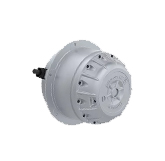
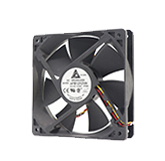
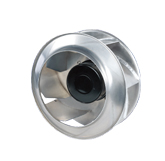
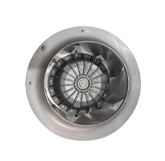
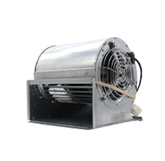
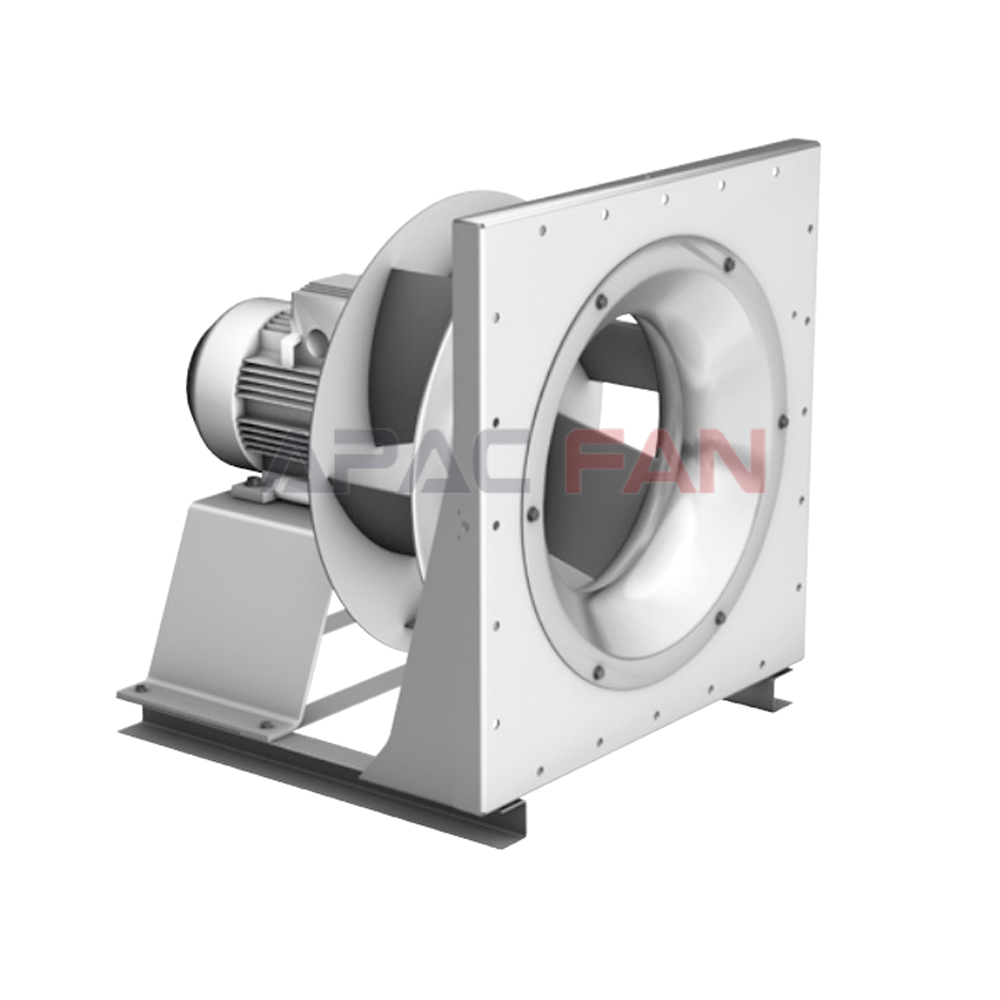
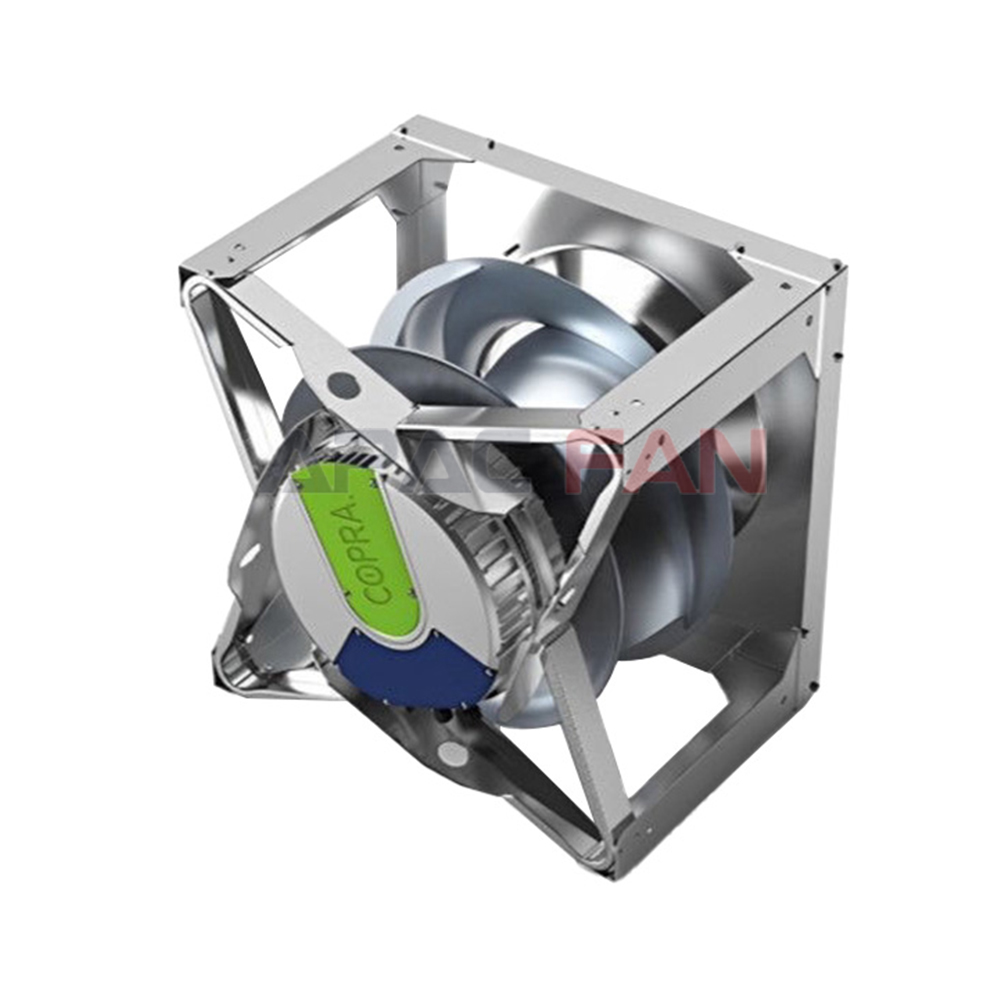
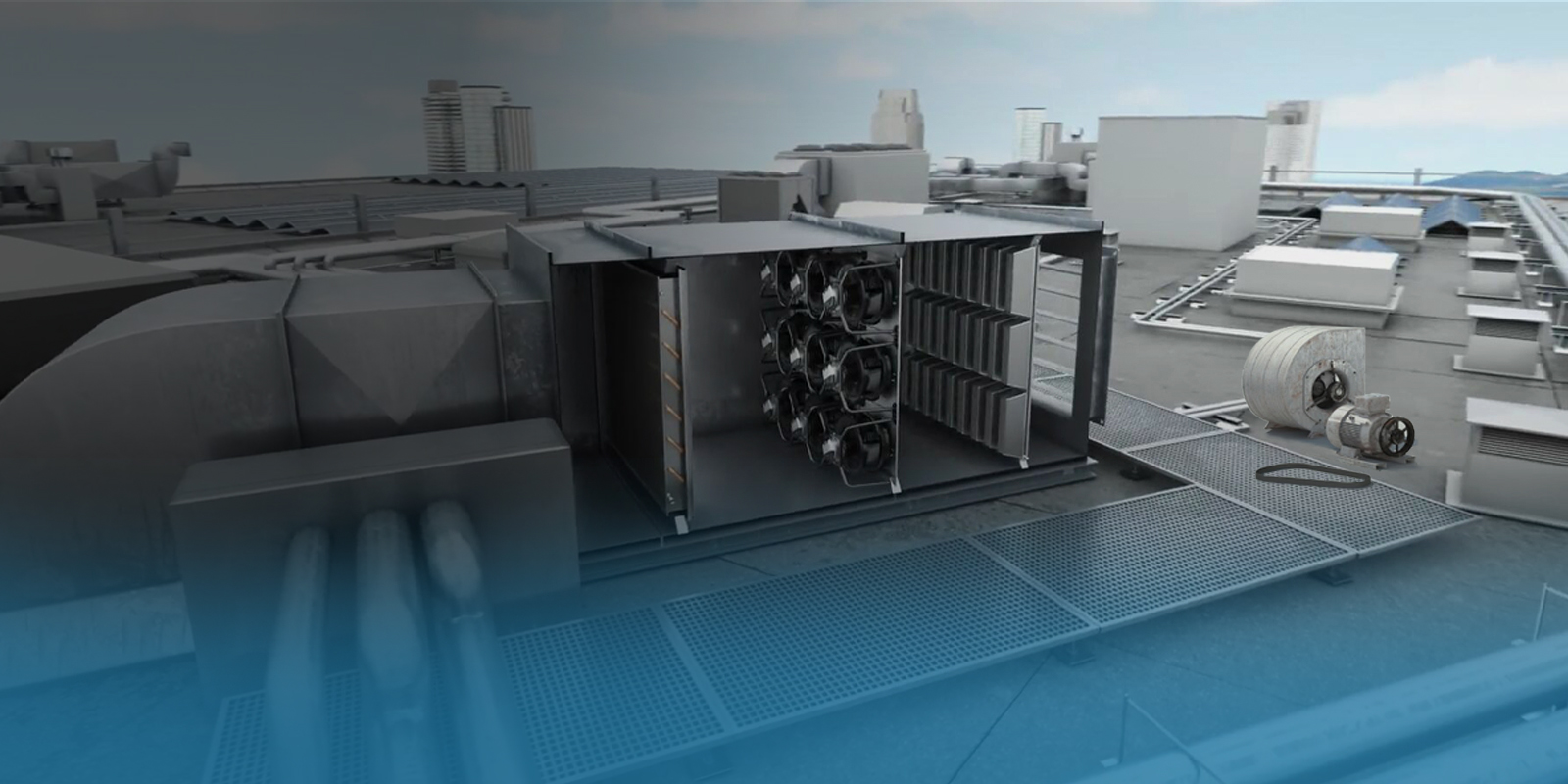
The engineering review began with nameplate verification, fan-section dimensions, filter and coil condition, duct restrictions, and available control signals. The documented baseline was as follows: The project covered multiple AHU supply and exhaust sections rated at approximately 4,200 to 15,360 m³/h and around 500 to 1,200 Pa external static pressure. EC selections included K3G450PA3103, K3G450PB2401, and K3G500PB3301 configurations. Recorded operating-point power ranged from about 2.25 to 9.2 kW, with unit-level savings of approximately 37% to 65%. Nameplate data was treated as a starting point rather than a substitute for field measurement.
Each AHU was treated as an individual duty. Supply and exhaust selections were separated, with single- or twin-fan arrangements chosen according to airflow and pressure. Building controls were then prepared for speed commands, minimum ventilation, fault alarms, and duty rotation.
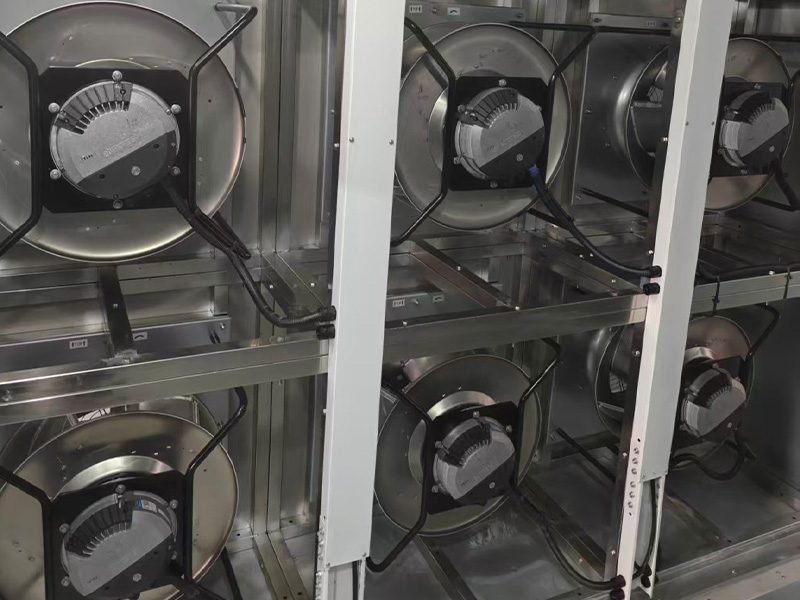
AISA PACIFIC SHENGRUI LIMITED also reviewed installation access, shutdown constraints, electrical protection, mounting structure, service clearance, and compatibility with the existing control panel. After installation, the fan speed was increased in controlled steps while airflow, pressure, current, input power, vibration, and abnormal sound were checked.
The major advantage of a park-wide program is repeatability. Once testing and control standards are established for the first group, the method can be extended to other buildings. Standardized EC interfaces and alarm logic also improve spares management, centralized monitoring, and preventive maintenance.
The most important lesson is that an EC retrofit is a system project, not a simple motor replacement. A fan can be highly efficient at one duty point and unsuitable at another. Reliable results require the selected fan curve, the actual resistance of the air path, and the control sequence to work together.
For similar facilities, AISA PACIFIC SHENGRUI LIMITED recommends establishing an acceptance baseline that includes measured airflow and pressure, power at representative loads, critical environmental conditions, alarm behavior, and maintenance access. This creates evidence for the energy result and provides a practical reference for future retrofits.
Frequently Asked Questions
What energy-saving range was recorded for the industrial park AHUs?
The documented unit-level savings ranged from approximately 37% to 65% for the units with complete selection and operating-point data.
Why use EC fans instead of a like-for-like motor replacement?
EC fans combine an efficient motor, integrated speed control, and a direct-drive arrangement that can reduce transmission losses and maintenance points.
How is the correct EC fan size selected?
Selection should use measured airflow, static or total pressure, system resistance, available space, electrical supply, noise limits, and the required control interface.
Can nameplate data alone confirm the new fan selection?
No. Nameplate values provide a starting point, but filters, coils, ducts, leakage, and current operating demand must be checked in the actual system.
What should be measured during commissioning?
Commissioning should verify airflow, pressure, input power, speed response, vibration, noise, alarms, and the temperature or process conditions served by the AHU.