













 English
 Français
 Deutsch
 Português
 Español
 русский
  한국어
한국어 العربية
 Italiano
 Indonesia
 Schweiz
 Polski
 Nederlands
 ישראל - עברית
 Perzisch
 ไทย
ไทย 日本語
日本語 ኢትዮ-አማርኛ
 Việt Nam
 Kiswahili
 Srpski
 Ελληνικά
 繁體中文
繁體中文Data Center Fan Applications: Why Air Movement Still Matters in the Age of AI Cooling
08/24/2026The continuing role of airflow
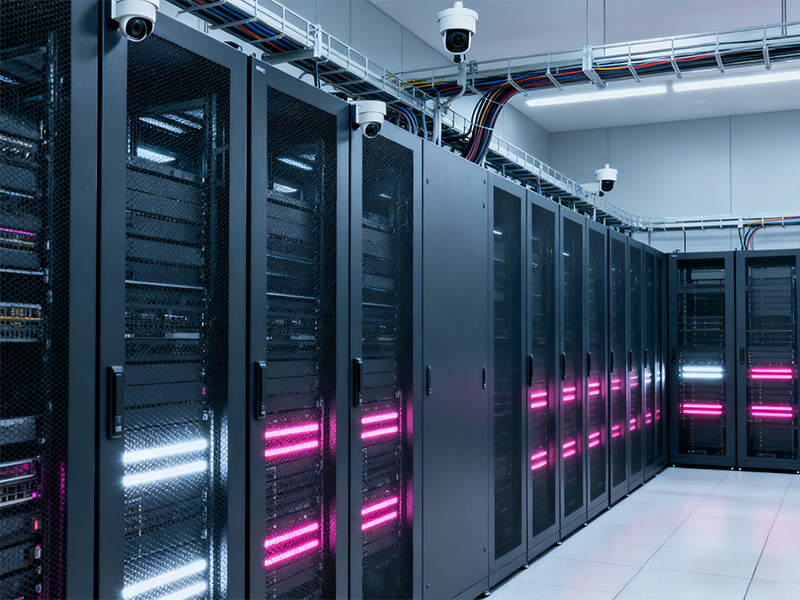
Data center cooling is often described as a race between heat density and infrastructure design. That description is useful, but it can make the role of fans sound old-fashioned. In reality, fans remain one of the most practical control points in the thermal chain. Whether the facility uses traditional air cooling, rear door heat exchangers, in-row units, indirect evaporative systems, or partial liquid cooling, air still has to be guided, pressurized, filtered, balanced, and monitored.
The basic job has not changed: protect IT equipment from thermal stress. What has changed is the precision required. A fan is no longer just a rotating component inside a box. In modern facilities it becomes part of an integrated airflow system that responds to server load, filter condition, coil performance, containment quality, and building management commands. Good fan application design is therefore less about simply adding more airflow and more about delivering controlled airflow with less wasted pressure and less wasted energy.
How heat density changes fan requirements
The growth of cloud computing, AI training, AI inference, high-performance storage, and dense networking has increased rack-level thermal variation. Some rows in the same white space may behave like conventional enterprise IT, while others may concentrate high loads in a smaller footprint. Fans in this environment must handle uneven demand gracefully. Overcooling the whole room to protect one hot zone wastes energy, while ignoring local pressure and airflow problems invites throttling and alarms.
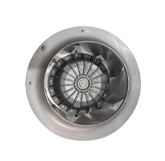
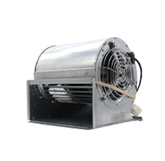
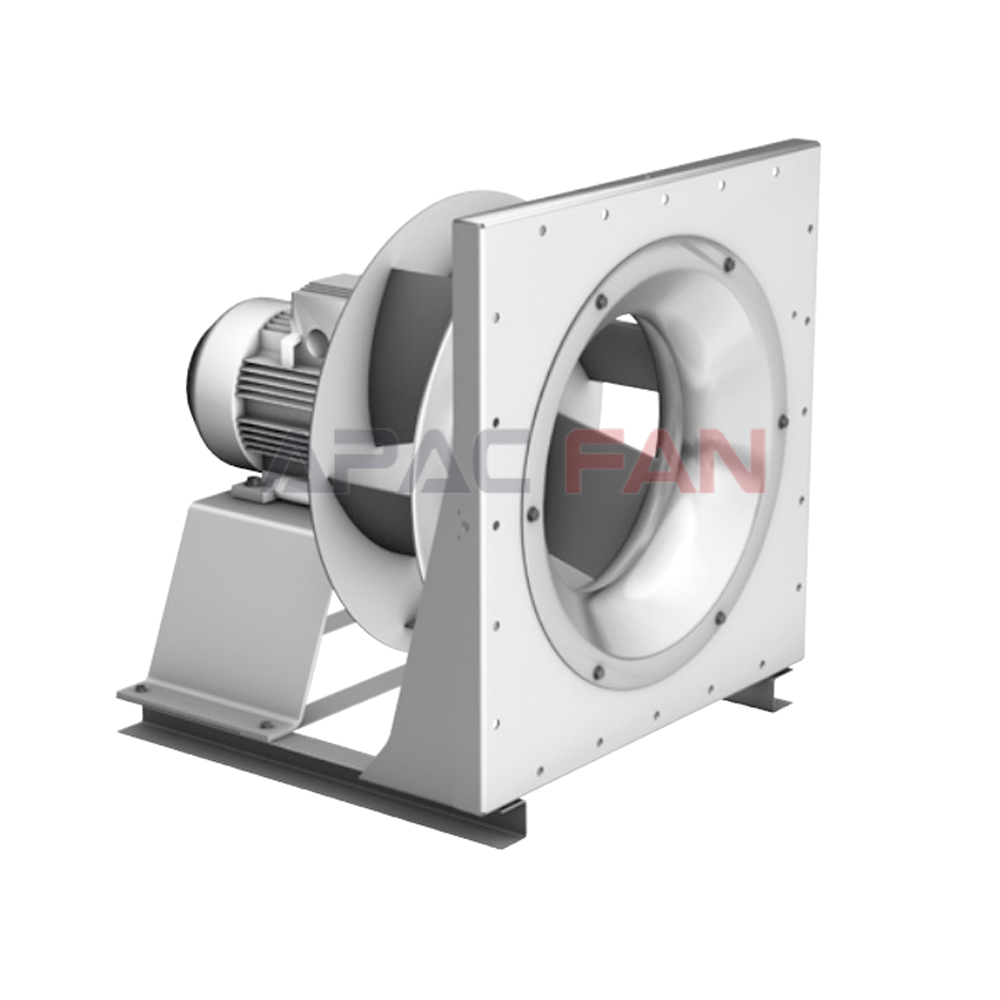
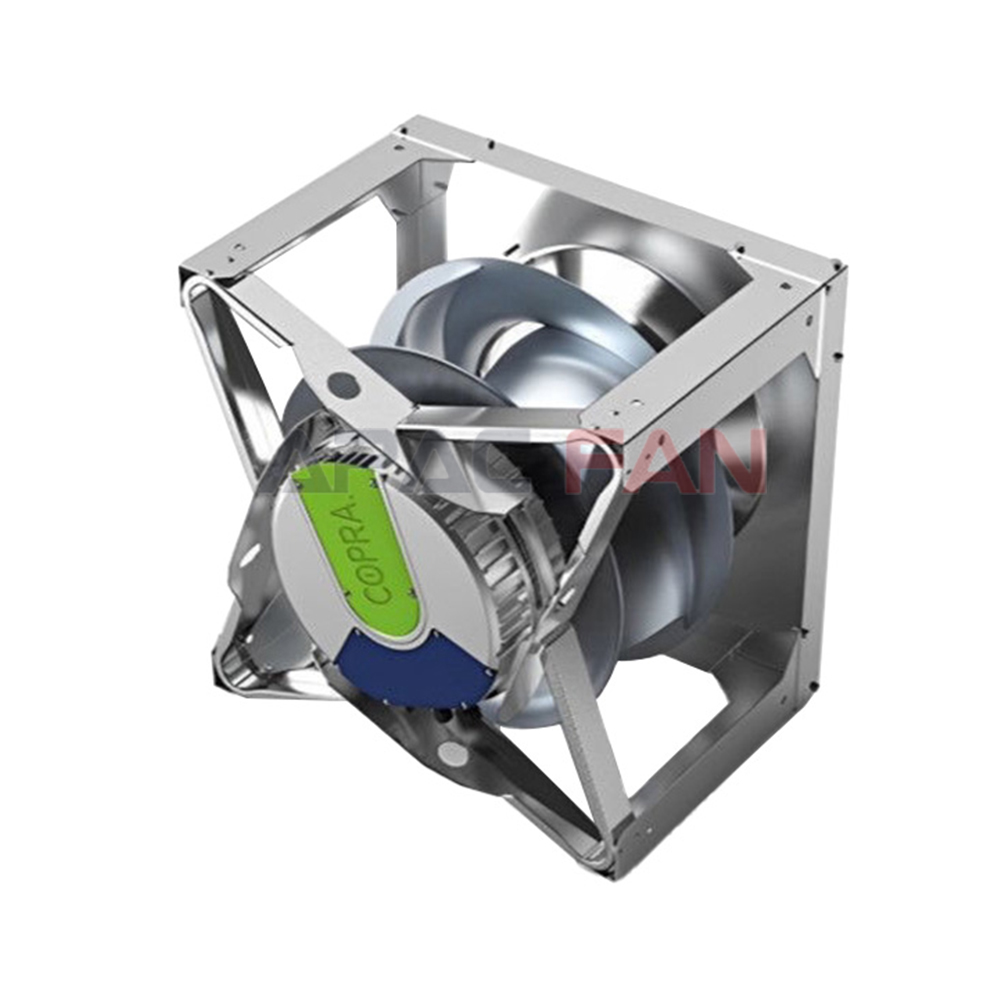
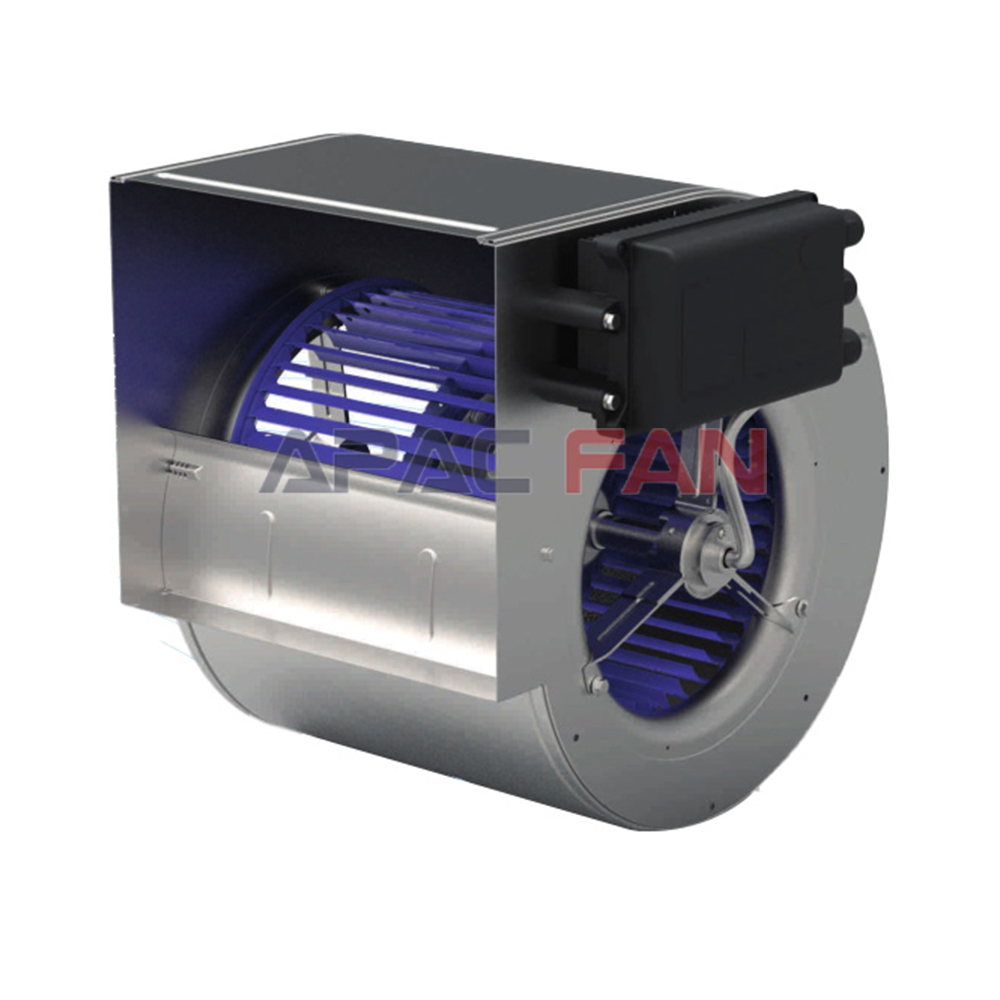
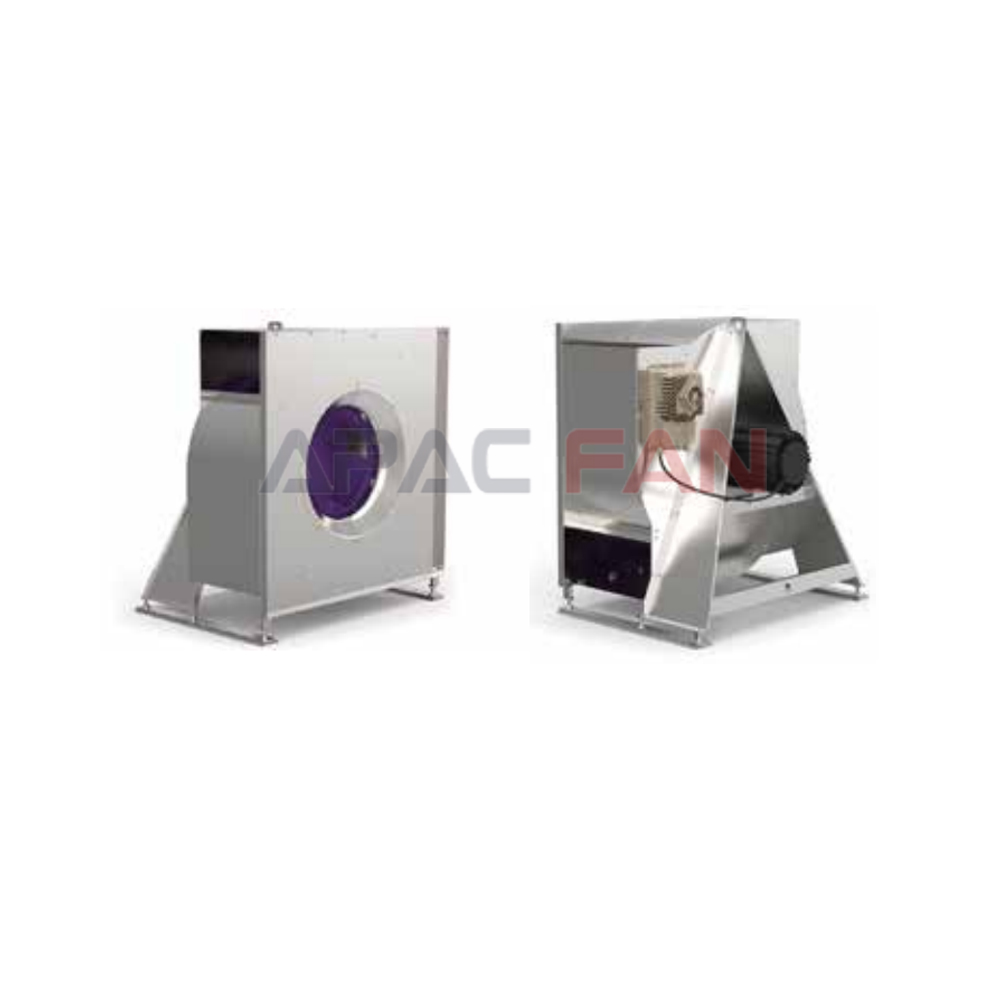
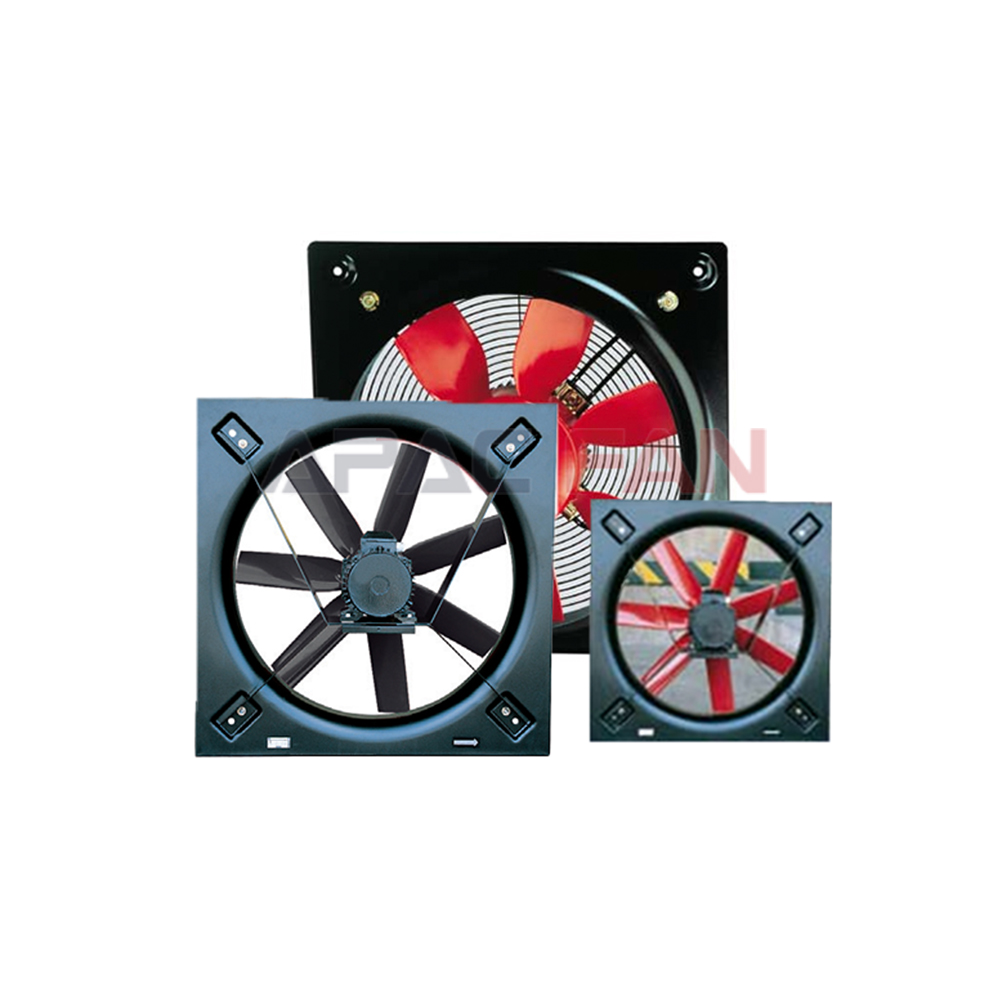
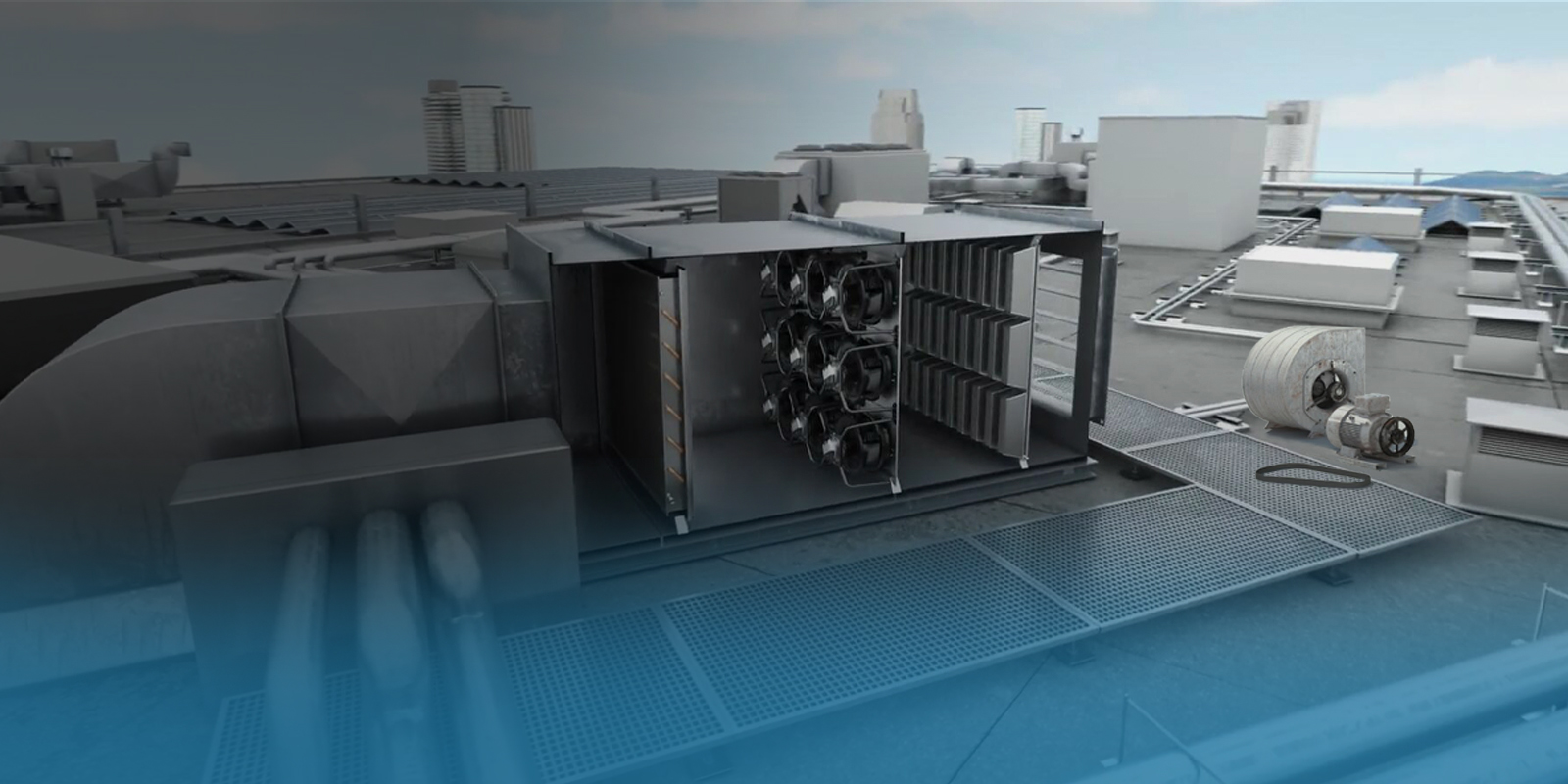
This is why fan selection should begin with the application, not the brand or the motor alone. A perimeter CRAH unit may need efficient centrifugal fans that tolerate filters and coils. A rear door heat exchanger may benefit from compact modules that overcome local resistance. A server or UPS enclosure may require compact fans with high pressure capability. A central air handling unit may use a FanGrid for redundancy and better distribution. Each location asks the fan to solve a different problem.
ebm-papst examples that fit real applications
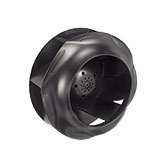
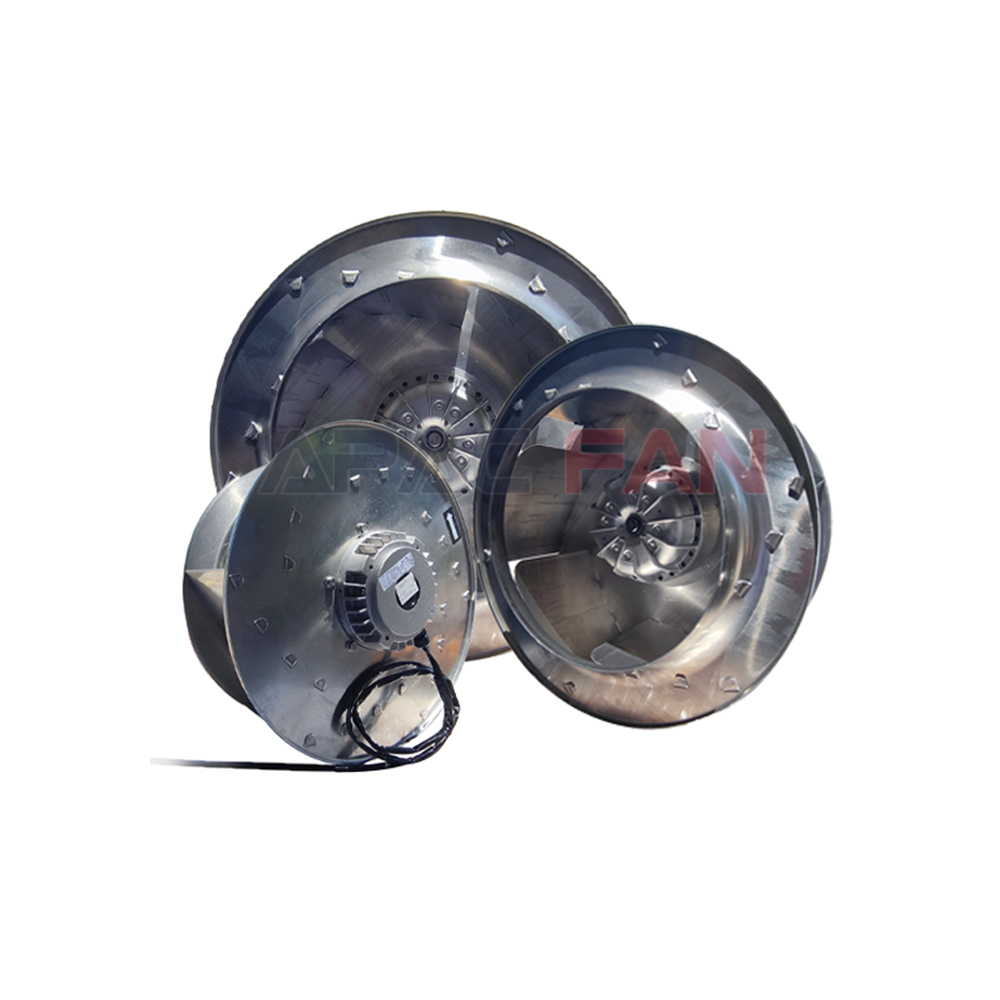
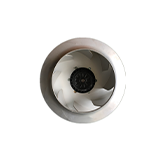
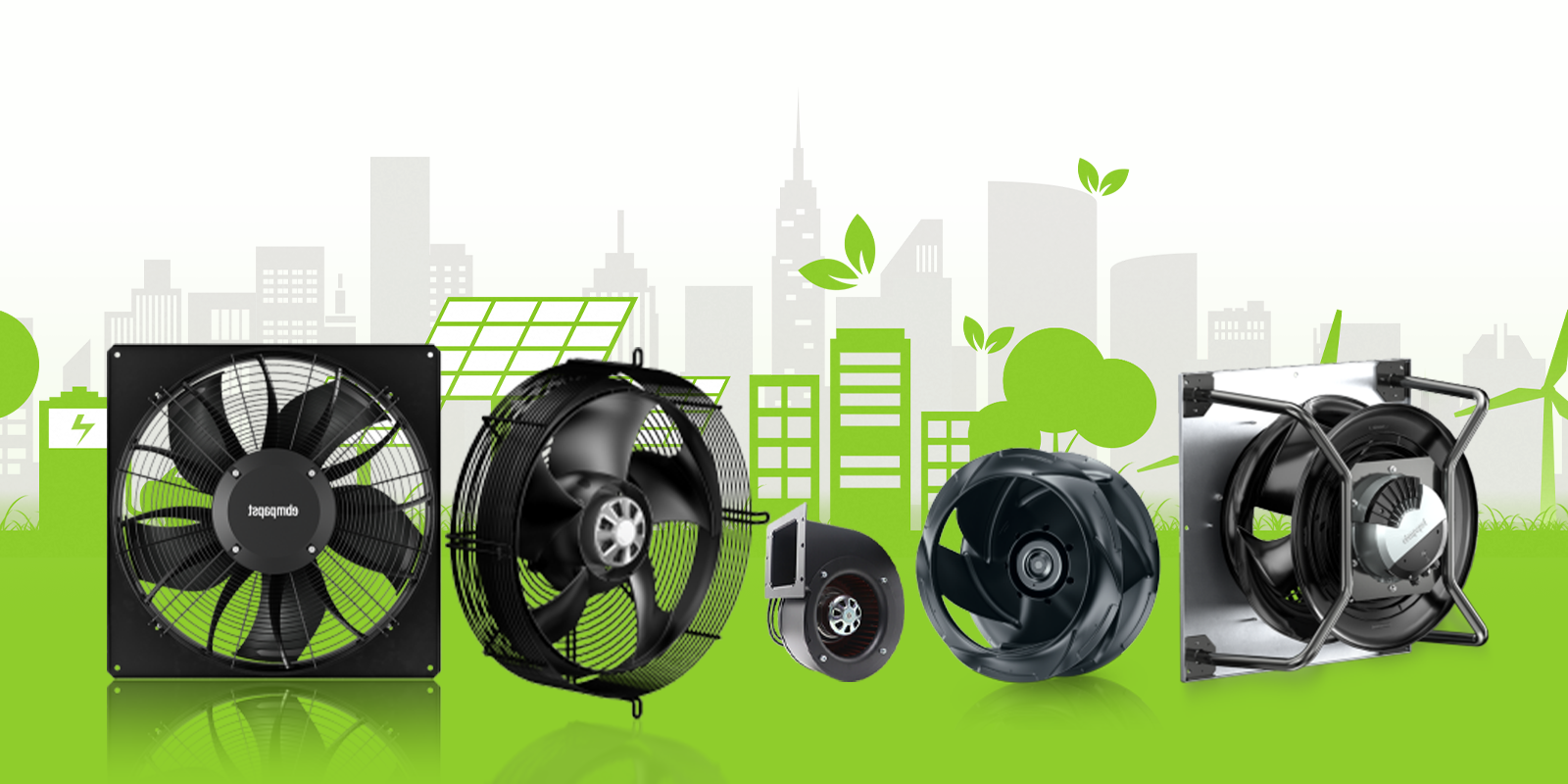
ebm-papst official pages identify multiple data center application areas for its fan portfolio, including precision air conditioning units, air handling units, server cooling, FanGrids, in-row cooling, and rear door heat exchangers. Its RadiPac materials describe EC centrifugal fans used in ventilation and air conditioning technology, including ready-to-install modules for FanGrid networks and applications such as precision air conditioning units in data centers. Those statements support a practical, non-speculative way to discuss the brand: by linking product families to application categories rather than inventing site-specific results.
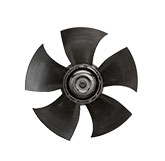
The same approach applies to compact and axial products. ebm-papst materials describe AxiEco 200 as a compact fan aimed at pressure-demanding applications, with official content referencing in-row cooling and rear door heat exchanger contexts. Its ICT and electronics page discusses cooling for network technology, routers, storage, servers, and mainframes. These claims do not mean one model fits every cabinet, but they do show where such fans are positioned in the data center cooling ecosystem.
Application design before component selection
Before selecting a fan, engineers should understand the airflow path. Air may pass through louvers, filters, coils, dampers, containment leaks, cable openings, blanking panel gaps, heat exchangers, and grilles. Every part of that path can add pressure drop. If the pressure drop is underestimated, the fan may operate away from the intended point. If airflow paths are not sealed, the fan may move air that never reaches the server inlet. In both cases, the fan works, but the cooling system underperforms.
A mature data center fan specification therefore includes the design airflow, expected static pressure, redundancy target, speed control method, acoustic limit, service access plan, sensor strategy, and integration method. It also considers how the fan behaves at partial load, because most facilities do not operate every rack at peak load all year. Good fan application engineering treats the full operating range as important, not just the maximum operating point.
Energy, uptime, and maintainability
Fan energy matters because airflow power rises quickly when airflow and pressure are increased unnecessarily. Even when cooling energy is not the largest single item in a facility, fan power becomes a visible operating cost across thousands of hours per year. Variable-speed EC fan systems can help align output to demand, but controls must be commissioned carefully. A fan that is capable of efficient partial-load operation still needs good sensors, stable control logic, and a clean airflow path to deliver those benefits.
Uptime is just as important as efficiency. In a data center, maintenance often occurs while the facility remains live. Fan modules should be accessible, identifiable, and replaceable without creating avoidable risk. Redundant arrangements such as FanGrids can support continued operation when a single fan is offline, but redundancy is not magic; it has to be sized and controlled intentionally. The correct question is not whether the fan is efficient or reliable in isolation. The correct question is whether the whole fan application supports the thermal mission of the data center.
Application perspective
A useful way to audit a data center fan application is to trace heat from the chip to the final heat rejection path. At the chip level, heat may move through a heat sink or cold plate. At the server level, residual heat moves through chassis airflow. At the rack level, exhaust air may enter a hot aisle, rear door heat exchanger, or in-row cooling path. At the room level, air returns to coils or air handlers. At each stage, a fan may either help the heat move efficiently or waste energy by moving air through a poor path. This chain-of-heat view keeps the specification grounded in function rather than product labels.
It also helps buyers write better content and procurement language. Instead of saying a data center needs a powerful fan, the requirement can explain whether the fan supports CRAH airflow, FanGrid redundancy, RDHx pressure, CDU electronics cooling, UPS cooling, or server hardware airflow. Each use case has different expectations for pressure, noise, monitoring, replacement access, and controls. The result is a more accurate article for readers and a better engineering conversation for the project team.
FAQ
Q: Are fans still important when a data center uses liquid cooling?
A: Yes. Liquid cooling moves a larger share of chip heat into coolant, but fans are still commonly needed for power supplies, memory, network equipment, coolant distribution units, heat rejection equipment, and air-to-liquid or liquid-to-air support loops.
Q: What is the main purpose of fans in a data center?
A: Their main purpose is to move the right amount of air through the right path at the right time so IT equipment receives stable inlet conditions and heat is carried away from racks, coils, filters, and electronic enclosures.
Q: Where can ebm-papst fans appear in data center cooling?
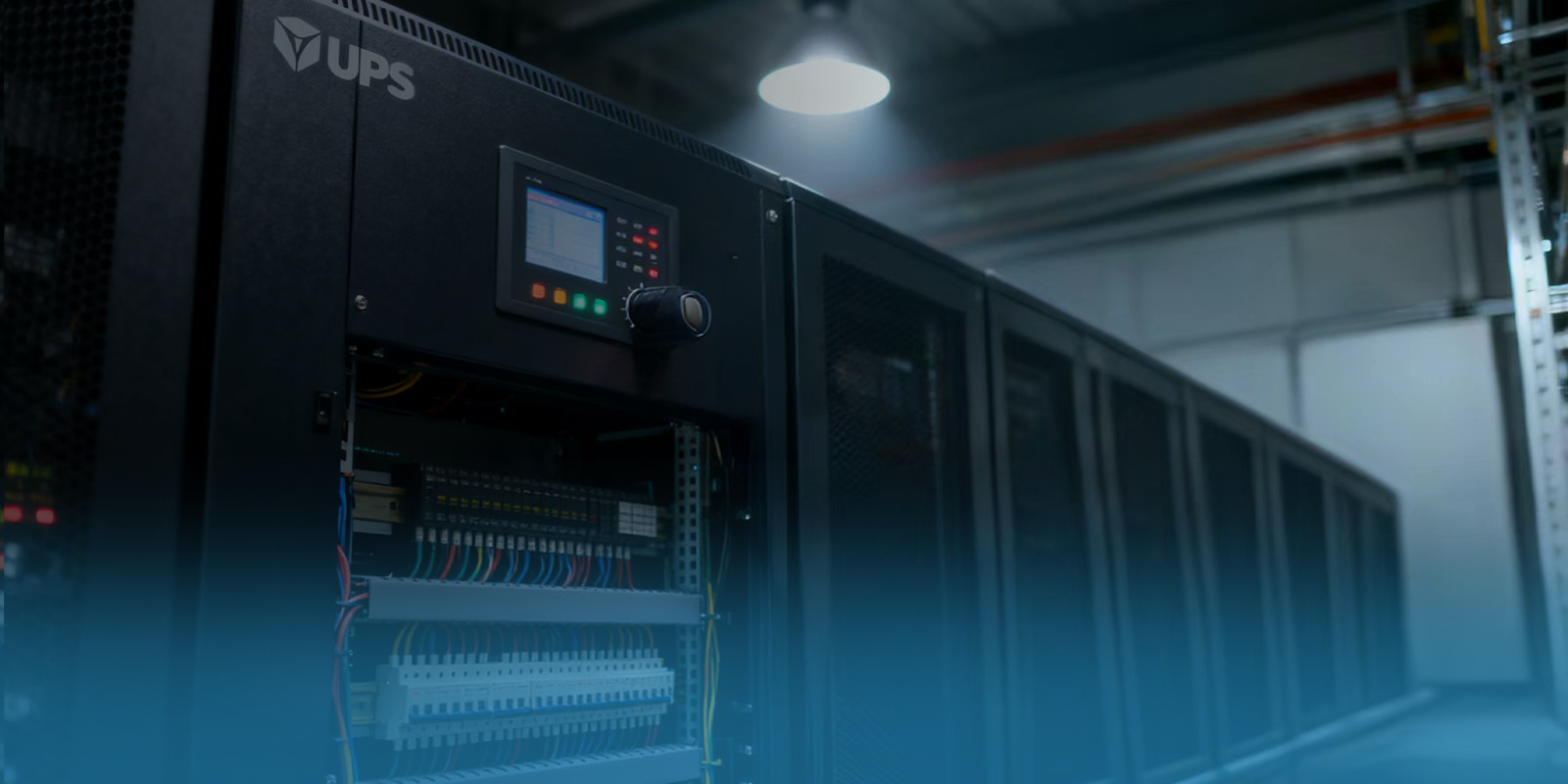
A: Official ebm-papst materials list data center uses such as precision air conditioning units, AHUs, server cooling, FanGrids, in-row cooling, rear door heat exchangers, UPS cooling, and cooling support for newer high-density applications.
Q: Why is variable speed control valuable?
A: Variable speed control allows fan output to follow actual thermal load, which helps avoid constant full-speed operation and supports better energy use without abandoning reliability.
Q: Can one fan type serve every data center application?
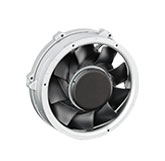
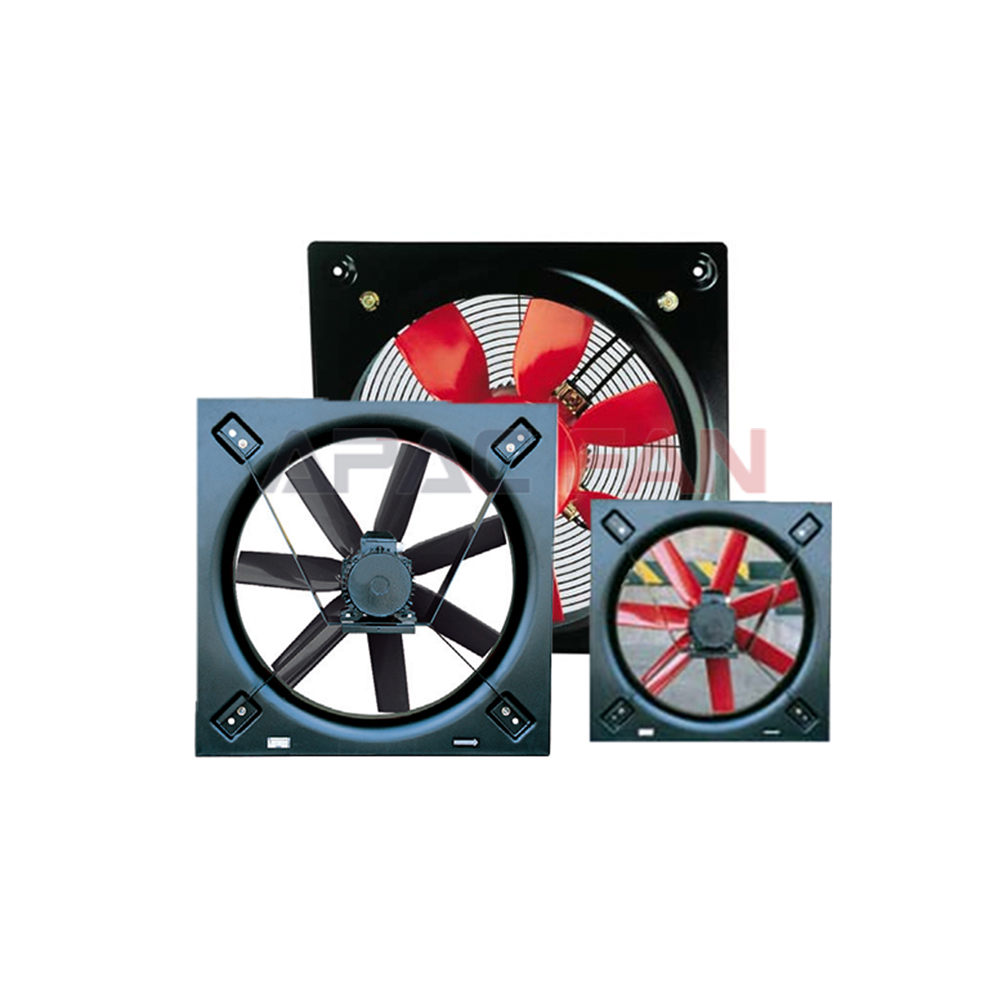
A: No. Axial, centrifugal, compact axial, diagonal, and blower designs serve different pressure, airflow, space, acoustics, and redundancy requirements.