











 English
 Français
 Deutsch
 Português
 Español
 русский
  한국어
한국어 العربية
 Italiano
 Indonesia
 Schweiz
 Polski
 Nederlands
 ישראל - עברית
 Perzisch
 ไทย
ไทย 日本語
日本語 ኢትዮ-አማርኛ
 Việt Nam
 Kiswahili
 Srpski
 Ελληνικά
 繁體中文
繁體中文Balancing Airflow and Pressure in Multi-Fan Systems
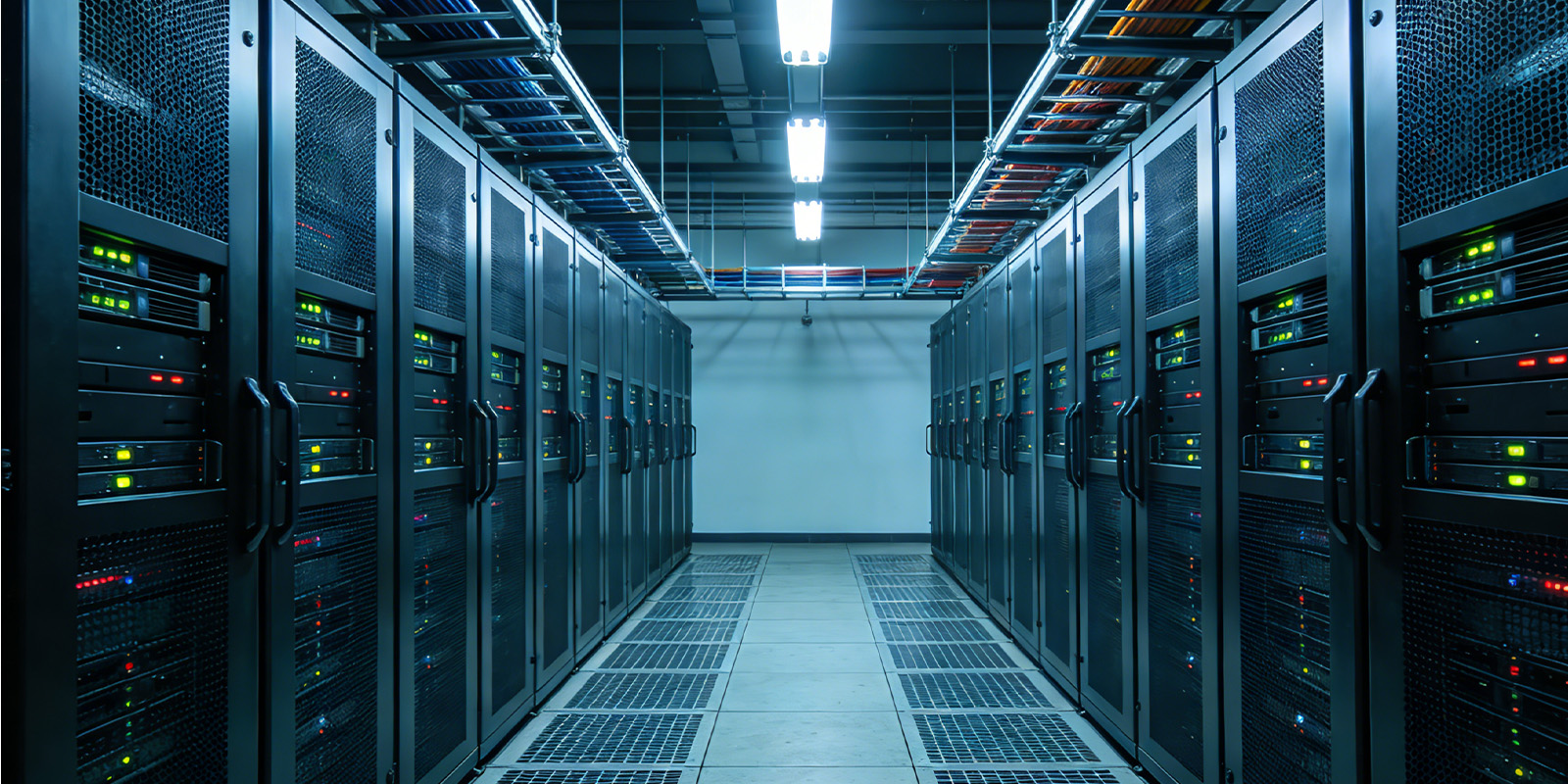
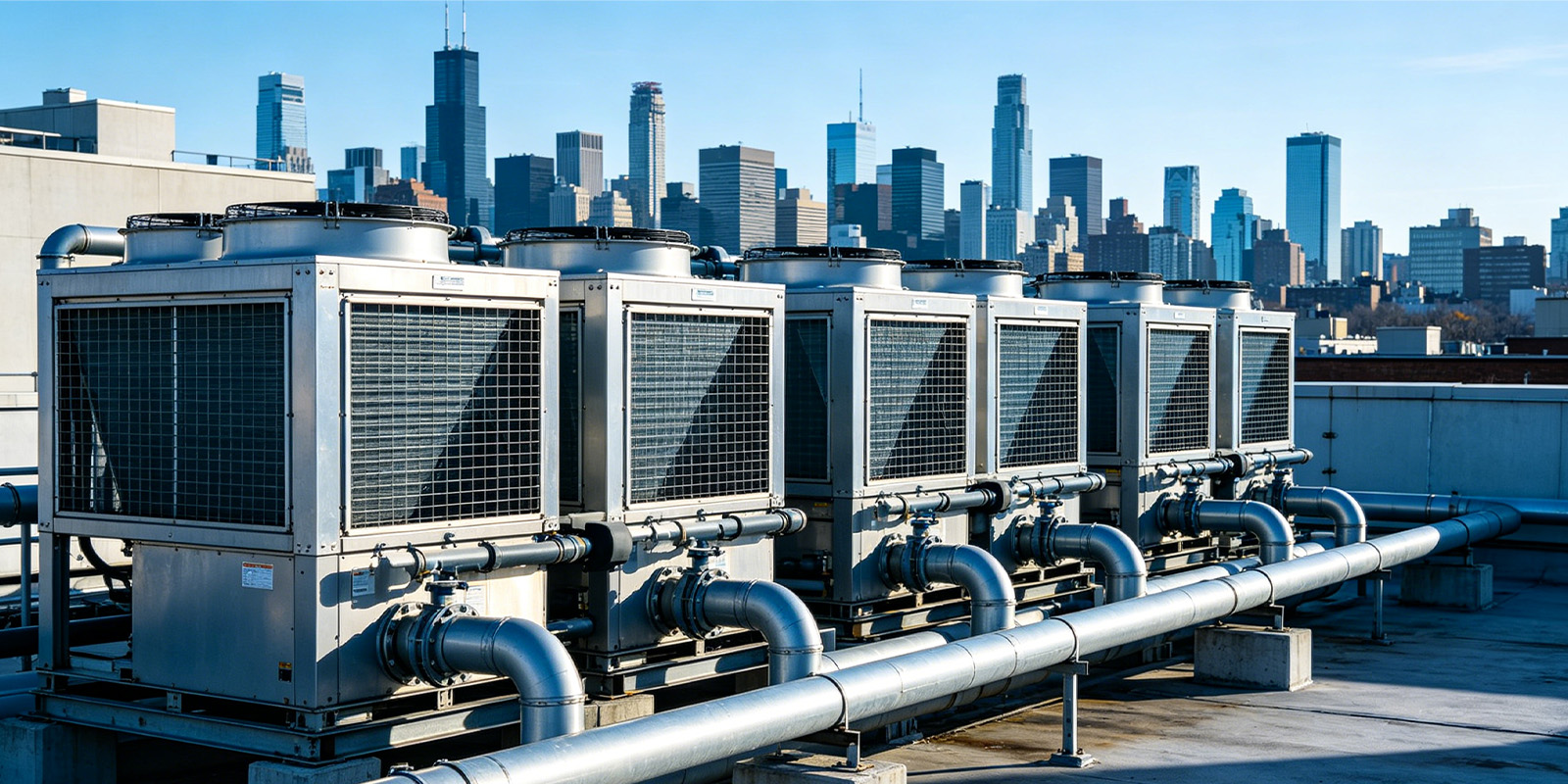
05/28/2026Multi-fan systems are widely used in industrial and commercial ventilation applications where a single fan cannot meet airflow or pressure requirements. Facilities such as factories, data centers, tunnels, power plants, and large HVAC systems often rely on multiple fans working together in a shared network.
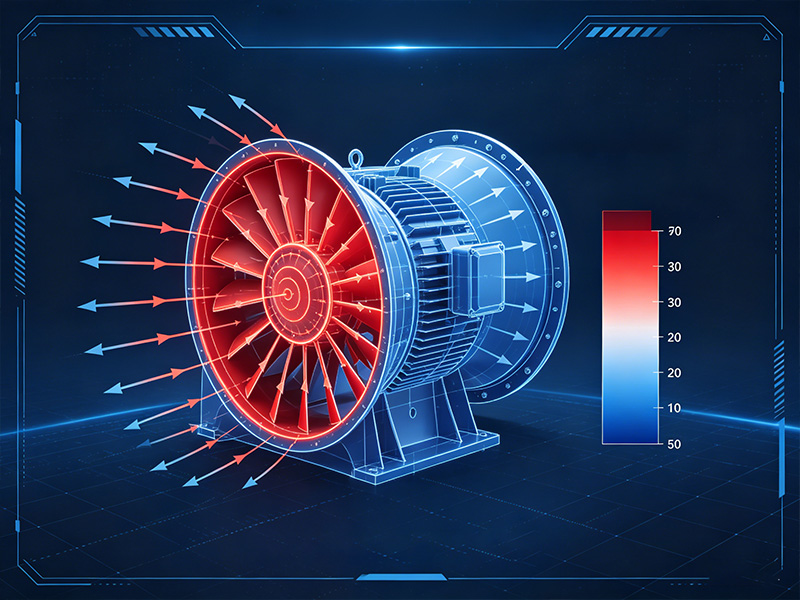
While multi-fan configurations improve capacity and system flexibility, they also introduce a critical engineering challenge: maintaining proper balance between airflow and static pressure. If airflow is not evenly distributed, some fans may become overloaded while others operate inefficiently, leading to higher energy consumption, unstable performance, and reduced equipment lifespan.
Understanding how to balance airflow and pressure in multi-fan systems is essential for achieving stable and energy-efficient ventilation system performance.
Understanding Airflow and Pressure in Multi-Fan Systems
In any ventilation system, airflow and static pressure are closely connected. When multiple fans operate together, each unit contributes to total system performance, but the load is not always shared evenly.
Small differences in duct resistance, layout design, or control settings can significantly affect how air is distributed. As a result, one fan may end up working harder than others, while another operates below its optimal efficiency range.
This imbalance reduces overall industrial ventilation efficiency, even if all fans are functioning correctly.
Parallel Fan Systems and Airflow Distribution
In parallel fan configurations, multiple fans are used to increase total airflow volume. Ideally, each fan should share the load equally and contribute the same amount of airflow.
However, in real-world systems, perfect balance is difficult to achieve. Differences in duct length, bends, filters, and system resistance can cause uneven airflow distribution. Air naturally follows the path of least resistance, which means some fans may dominate airflow while others operate under lighter load conditions.
When this happens, system efficiency decreases and energy consumption increases because the fans are not operating in a balanced state.
Proper duct design and careful industrial fan coordination are essential to ensure that airflow is distributed evenly across all units in a parallel system.
Series Fan Systems and Pressure Control
In series configurations, multiple fans are arranged to increase static pressure rather than airflow volume. This setup is commonly used in systems with long duct runs, dense filtration systems, or high-resistance equipment such as heat exchangers.
While series fan systems improve pressure capability, they also require precise coordination. If one fan operates outside its optimal range, it can affect the performance of the entire system.
Without proper balancing, some fans may experience overload while others contribute less effectively, reducing overall industrial fan performance and system stability.
Causes of Airflow Imbalance in Multi-Fan Systems
Airflow imbalance is one of the most common problems in multi-fan ventilation networks. Even small differences in system resistance can significantly affect airflow distribution.
Changes in duct geometry, partial blockages, dirty filters, or uneven installation can all shift airflow patterns. Over time, these small variations cause certain fans to carry more load than others.
This not only reduces efficiency but also increases mechanical wear on overloaded components, leading to higher maintenance requirements and shorter equipment lifespan.
Role of Control Systems in Fan Balancing
Modern multi-fan systems rely heavily on intelligent control technologies to maintain balance. Variable speed drives (VSDs) and EC motor systems allow fan speed to be adjusted dynamically based on real-time operating conditions.
By continuously regulating speed and output, these systems help maintain stable airflow distribution and reduce energy waste.
Advanced control systems improve energy-efficient ventilation system performance by ensuring that each fan operates within its optimal efficiency range instead of running at a fixed speed regardless of demand.
Sensor-Based Monitoring and System Stability
Sensor integration plays an important role in maintaining balanced multi-fan systems. Pressure sensors, airflow monitors, and temperature sensors provide real-time data on system conditions.
With this information, control systems can automatically adjust fan speed and operation to maintain balance across the network.
Without monitoring systems, airflow imbalance may go unnoticed until it begins to affect performance, energy consumption, or equipment reliability.
Maintenance and Long-Term Balance
Maintenance is a critical factor in maintaining airflow balance in multi-fan systems. Over time, dust buildup, filter blockage, and mechanical wear can change system resistance.
When resistance changes unevenly across the system, airflow distribution becomes unstable. Some fans may work harder to compensate, while others become underutilized.
Regular cleaning, inspection, and component replacement help maintain consistent operating conditions and stable industrial fan airflow distribution.
Preventive maintenance is one of the most effective ways to ensure long-term system balance and efficiency.
Importance of Proper Fan Matching
Fan matching is another important factor in multi-fan system design. All fans in the system should have similar performance characteristics, including airflow capacity, pressure curves, and efficiency ranges.
Mixing different fan models or sizes without proper engineering calculation can lead to unpredictable airflow behavior and system instability.
Proper industrial fan selection ensures that each fan contributes evenly to total system performance and operates within its intended efficiency range.
Optimizing Multi-Fan System Performance
Balancing airflow and pressure in multi-fan systems is not a one-time adjustment but an ongoing optimization process. It requires proper system design, correct fan selection, intelligent control strategies, and consistent maintenance practices.
When all these elements work together, multi-fan systems can achieve stable airflow distribution, improved energy efficiency, and reduced operational costs.
A well-balanced system not only improves performance but also extends equipment lifespan and reduces long-term maintenance requirements.
Final Thoughts
Multi-fan systems are essential in large-scale ventilation applications, but their performance depends heavily on how well airflow and pressure are balanced across all units.
By focusing on system design, control strategies, sensor monitoring, and maintenance, operators can significantly improve efficiency and reliability.
Proper balancing ensures that all fans work together as a unified system rather than independent units, delivering stable and energy-efficient ventilation performance over the long term.
FAQ
What is airflow balancing in multi-fan systems?
Airflow balancing ensures that each fan in a multi-fan system shares the load evenly so that no single fan is overworked or underutilized. This improves efficiency and system stability.
Why do multi-fan systems become unbalanced?
Imbalance often occurs due to uneven duct resistance, dirty filters, duct design differences, sensor inaccuracies, or inconsistent fan performance characteristics.
How do variable speed drives help balance multi-fan systems?
Variable speed drives adjust fan speed based on real-time system conditions, helping maintain even airflow distribution and reducing energy waste in industrial ventilation systems.
What happens if multi-fan systems are not balanced?
Unbalanced systems can lead to higher energy consumption, uneven fan wear, reduced airflow efficiency, increased maintenance costs, and premature equipment failure.
How can maintenance improve multi-fan system performance?
Regular maintenance removes dust buildup, prevents filter blockage, and ensures consistent airflow resistance, helping all fans operate under stable and balanced conditions.