








 English
 Français
 Deutsch
 Português
 Español
 русский
  한국어
한국어 العربية
 Italiano
 Indonesia
 Schweiz
 Polski
 Nederlands
 ישראל - עברית
 Perzisch
 ไทย
ไทย 日本語
日本語 ኢትዮ-አማርኛ
 Việt Nam
 Kiswahili
 Srpski
 Ελληνικά
 繁體中文
繁體中文ebm-papst Fans for Data Centers
01/15/2026In the digital age driven by cloud computing, artificial intelligence, and the Internet of Everything, data centers have become the core cornerstone of the global information economy. These facilities operate 24/7, handling exponentially growing data processing demands. Consequently, they face an increasingly severe thermal management challenge: rising server densities, continuously growing power consumption of computing clusters, and the significant heat generated by supporting power distribution, storage, and network hardware. In this environment, cooling systems have far surpassed their role as auxiliary functions; they are directly critical to operational integrity, energy efficiency, and business continuity. A single cooling failure can lead to sudden server performance throttling, drastically shortened hardware lifespan, and even trigger costly unplanned downtime, with potential losses amounting to tens of thousands per minute. Therefore, the selection of cooling components is no longer merely a procurement decision but a strategic choice impacting Total Cost of Ownership (TCO), sustainability goals, and infrastructure resilience. It is precisely in this high-pressure environment that ebm-papst, leveraging decades of German engineering expertise in aerodynamic technology, has established its fan products as a cornerstone of reliable environmental control systems for data centers. Trusted by original equipment manufacturers (OEMs) and operators worldwide, they are widely deployed in HVAC systems, Computer Room Air Conditioning (CRAC), and precision airflow management applications.
Why Cooling is Critical in Data Centers
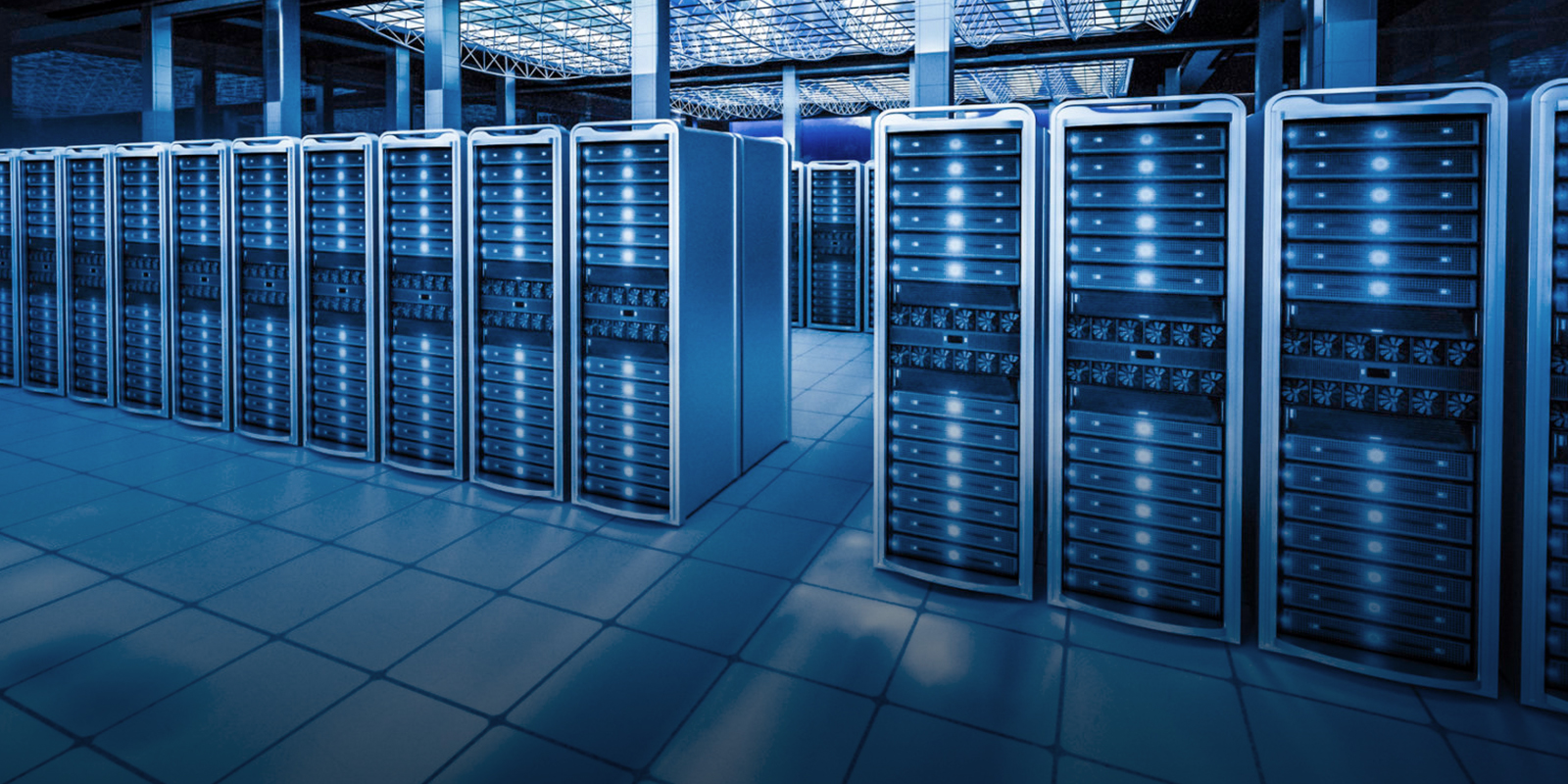
The operational heart of a data center is its IT load—servers, switches, and storage arrays that perform billions of calculations per second. This immense computational power comes at a cost: virtually all electrical energy consumed is ultimately converted into heat. With the rise of high-density servers, AI training racks, and powerful blade systems, thermal loads have concentrated dramatically, creating intense "hot spots" that can exceed 30 kW per rack. Beyond the IT hall, ancillary systems like Uninterruptible Power Supplies (UPS), Power Distribution Units (PDUs), and battery rooms contribute significantly to the total heat output.
Inefficient or inadequate cooling leads to a cascade of detrimental effects. First, to prevent physical damage, servers automatically throttle performance ("thermal throttling") as temperatures rise, directly reducing processing power and increasing latency. Second, sustained high temperatures accelerate the degradation of electronic components, shortening the Mean Time Between Failures (MTBF) and increasing hardware replacement costs. Third, and most impactful financially, is the dramatic surge in energy consumption. Cooling systems that must work harder to compensate for poor design or inefficient components can account for 40% or more of a data center's total energy bill. Finally, the ultimate risk is unplanned downtime due to overheating, which can cost millions in lost revenue and recovery. Therefore, precise airflow control, efficient heat removal, and ultra-reliable cooling components are not optional; they are fundamental to the data center's very existence.
Why Choose ebm-papst Fans for Data Center Cooling?
Data center operators and OEMs select ebm-papst based on a convergence of advantages that directly address the industry's core challenges: efficiency, precision, and unwavering reliability.
1. Unmatched Energy Efficiency with EC Motor Technology
ebm-papst is a pioneer and global leader in Electronically Commutated (EC) motor technology. Unlike traditional AC induction motors, EC motors integrate permanent magnets and smart electronics, enabling fundamentally more efficient conversion of electrical power into controlled airflow. The benefits are profound. In an environment where cooling can constitute 30-40% of total energy use, EC fans can reduce fan energy consumption by 30-50% compared to conventional AC alternatives. This efficiency is dynamic, not static. EC technology inherently enables seamless, continuous speed modulation. Fan output can be dynamically adjusted in real-time based on temperature sensors, pressure sensors, or commands from a central management system, perfectly matching cooling capacity to the instantaneous thermal load. This demand-responsive operation eliminates the energy waste of older, fixed-speed or step-controlled systems, directly contributing to a lower Power Usage Effectiveness (PUE) and a significantly reduced TCO.
2. Precision Airflow Control for Optimized Cooling Strategies
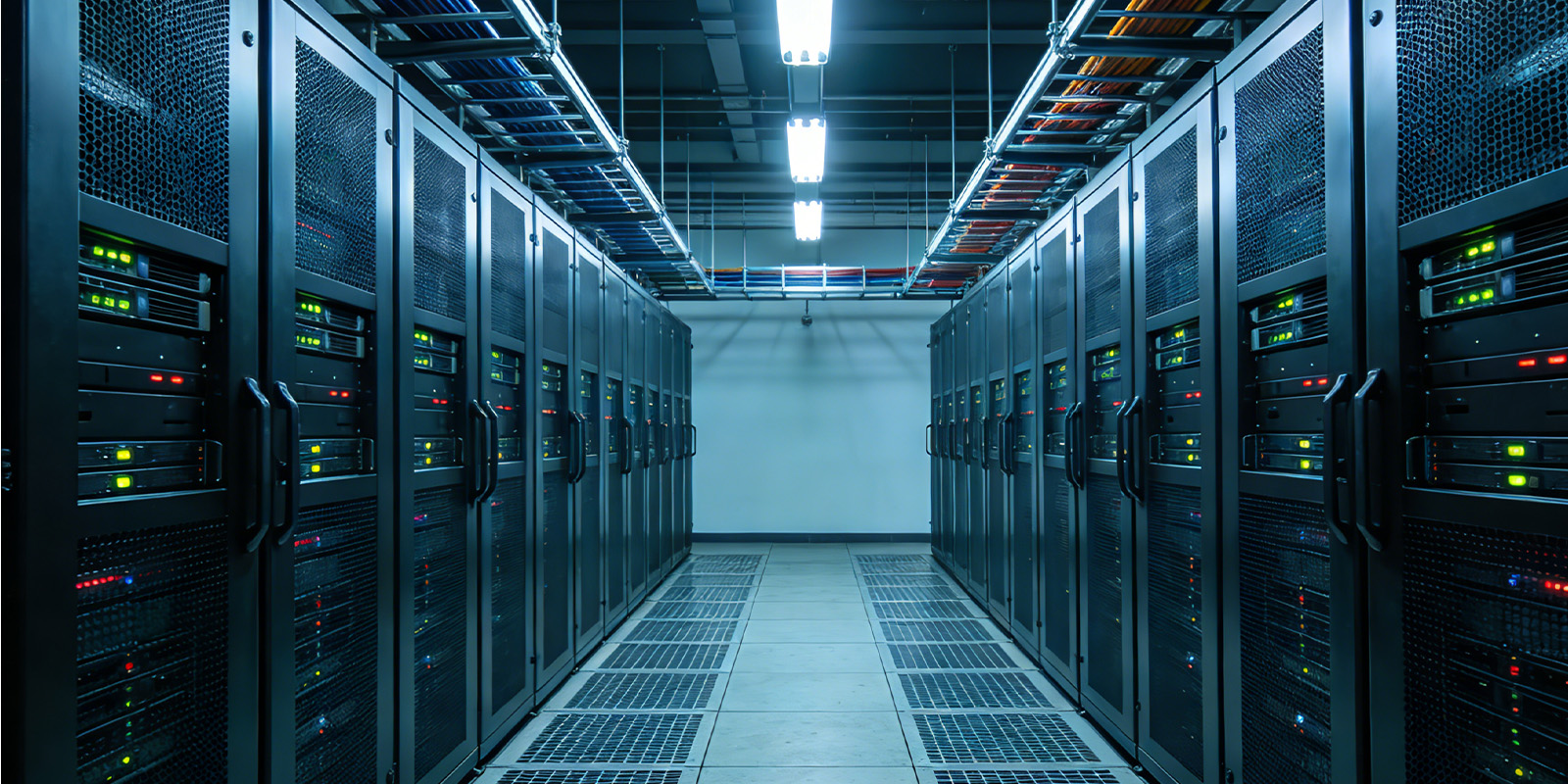
Modern data center thermal management relies on precise airflow architecture, such as hot-aisle/cold-aisle containment. Here, consistent and controllable airflow is paramount. ebm-papst fans provide exceptionally stable performance characteristics, maintaining designed airflow volumes even under varying system backpressure from filters, ductwork, or coils. This stability is crucial for predictable cooling performance. Furthermore, ebm-papst fans are designed for seamless integration, offering industry-standard control interfaces like PWM (Pulse Width Modulation) and 0-10V analog signals. This allows them to be effortlessly incorporated into sophisticated Building Management Systems (BMS) and Data Center Infrastructure Management (DCIM) platforms, enabling holistic, automated cooling strategies where fan speeds are intelligently orchestrated.
3. Engineered for Maximum Reliability in 24/7 Operation
For mission-critical infrastructure, component failure is not an option. ebm-papst designs reliability into every fan, from material selection to final testing. The fans are engineered for continuous, maintenance-free operation under the demanding conditions typical of data center mechanical plants, including elevated ambient temperatures. The use of high-grade ball bearings or advanced, maintenance-free sleeve bearing systems ensures an exceptionally long service life, often exceeding 60,000 hours. This focus on durability and robustness aligns perfectly with the data center ethos, where maximizing uptime is the ultimate priority.
4. Acoustic Performance for Diverse Deployment Environments
As data centers move closer to population centers—through edge computing deployments or colocation facilities in urban areas—noise emission becomes a critical consideration. ebm-papst addresses this through sophisticated aerodynamic design. Impellers, housings, and inflow guides are optimized using advanced simulation tools to minimize turbulence, a key source of noise. Combined with the smooth, low-vibration operation of the EC motor, this results in significantly lower sound pressure levels. This allows for efficient cooling without compromising environmental comfort in adjacent office spaces or violating local noise ordinances.
Typical Data Center Applications of ebm-papst Fans
The technological advantages of ebm-papst fans are realized across the entire data center cooling infrastructure:
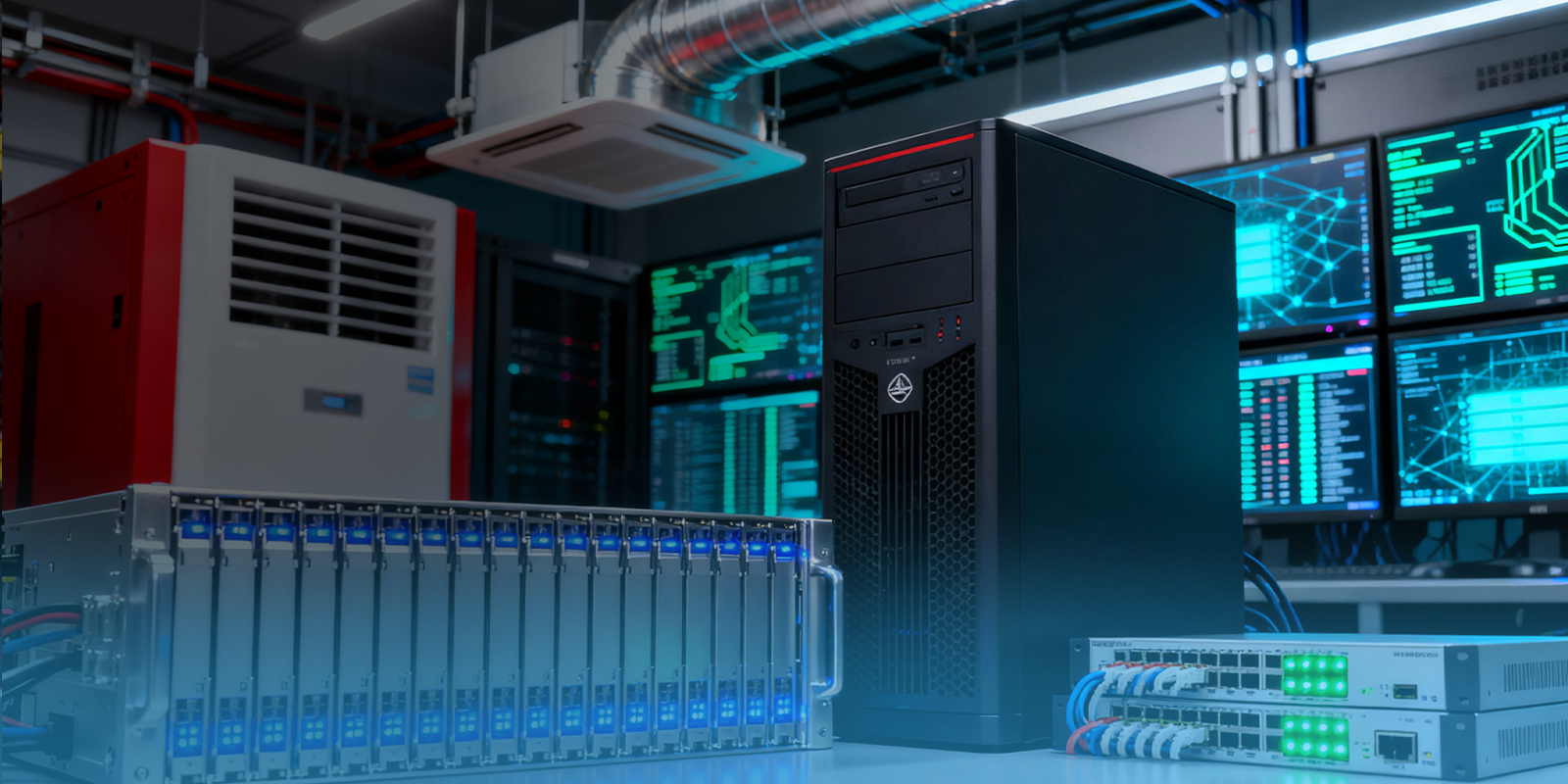
CRAC & CRAH Units: These are the workhorses of data center cooling. ebm-papst's high-performance centrifugal fans are specified for their ability to generate the necessary static pressure to push conditioned air through extensive ductwork and filters, all while operating at peak efficiency across their performance range.
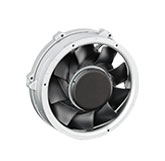
In-Row and In-Rack Cooling Systems: For targeted cooling of high-density zones, compact and powerful axial and mixed-flow fan designs are used. These fans deliver precise, localized cooling directly to the heat source, reducing air travel distance and mixing losses, thereby improving overall cooling effectiveness and efficiency.
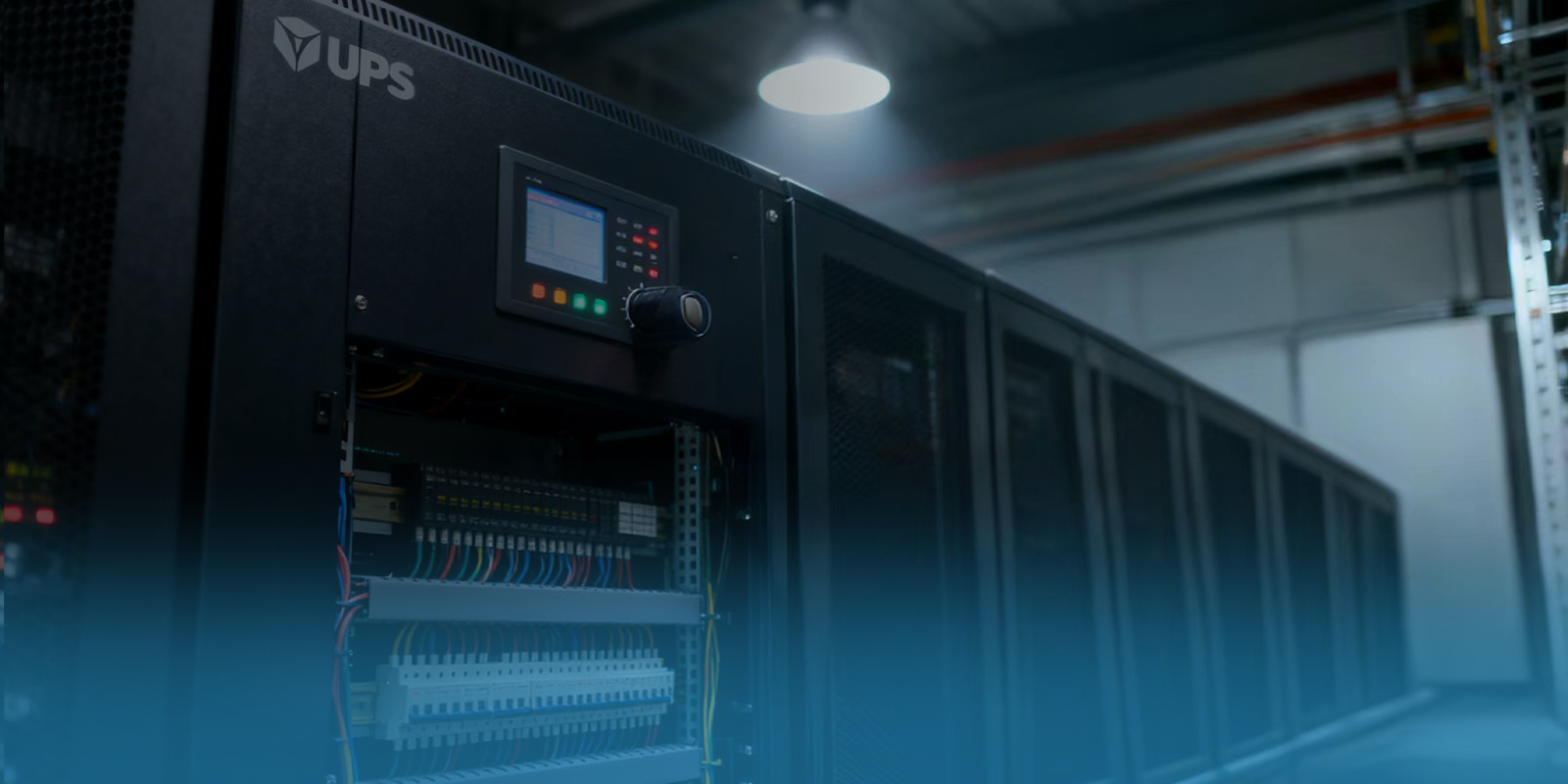
UPS and Power Rooms: The reliability of power infrastructure is equally critical. Fans designed for higher temperature resilience ensure safe and effective heat dissipation from UPS units, switchgear, and battery strings, protecting sensitive power electronics and ensuring backup system availability.
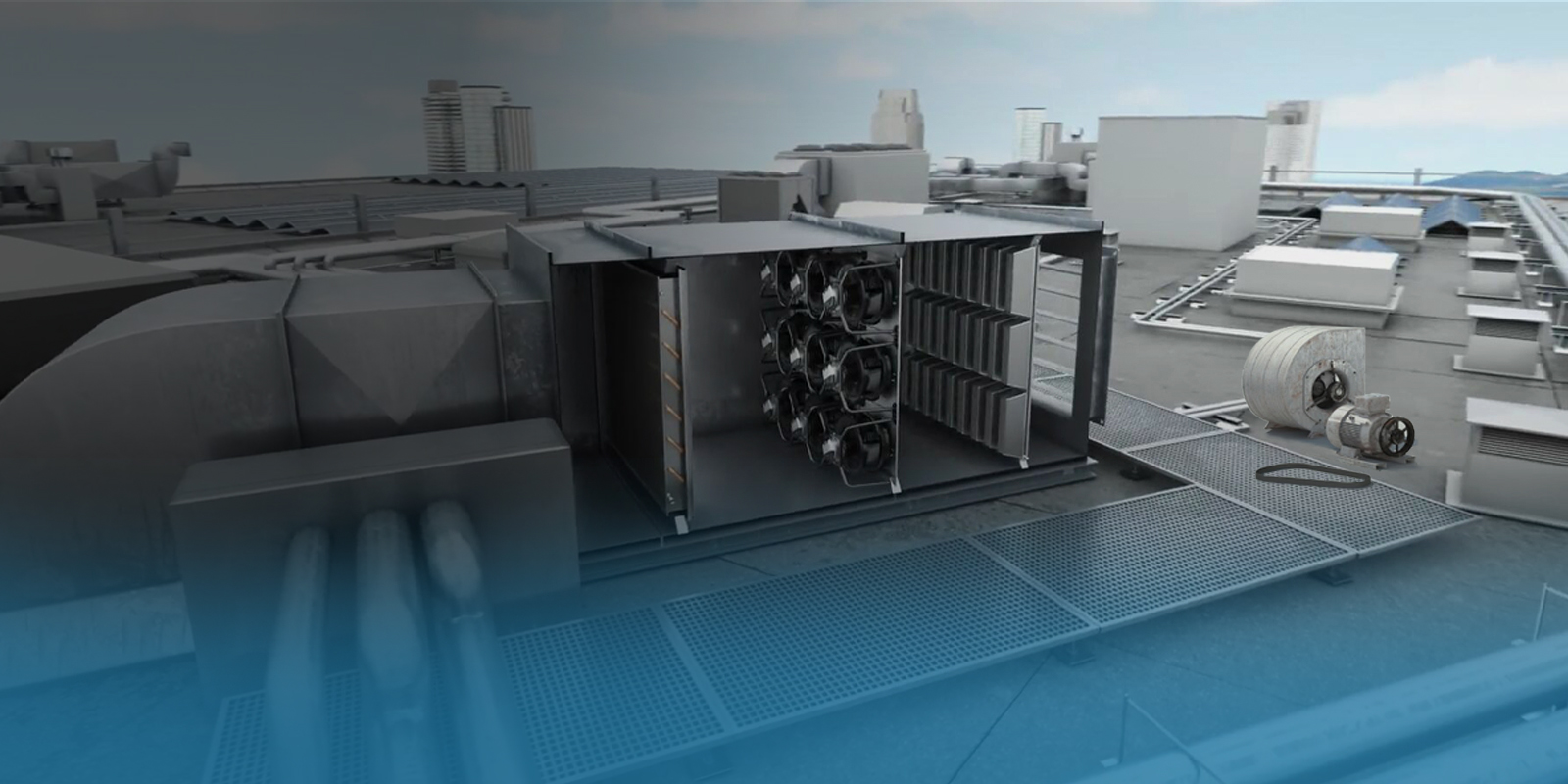
Air Handling Units (AHUs) and Advanced Cooling Systems: For large-scale air handling and innovative cooling architectures like indirect evaporative cooling and waterside economizer systems, ebm-papst's large-diameter fans and plug fan technology are key. Their high efficiency magnifies the energy savings of these systems, significantly reducing the facility's annual energy consumption.
Common ebm-papst Fan Types for Data Centers
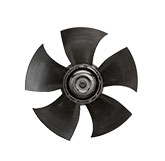
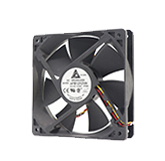
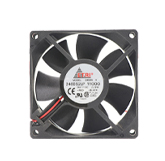
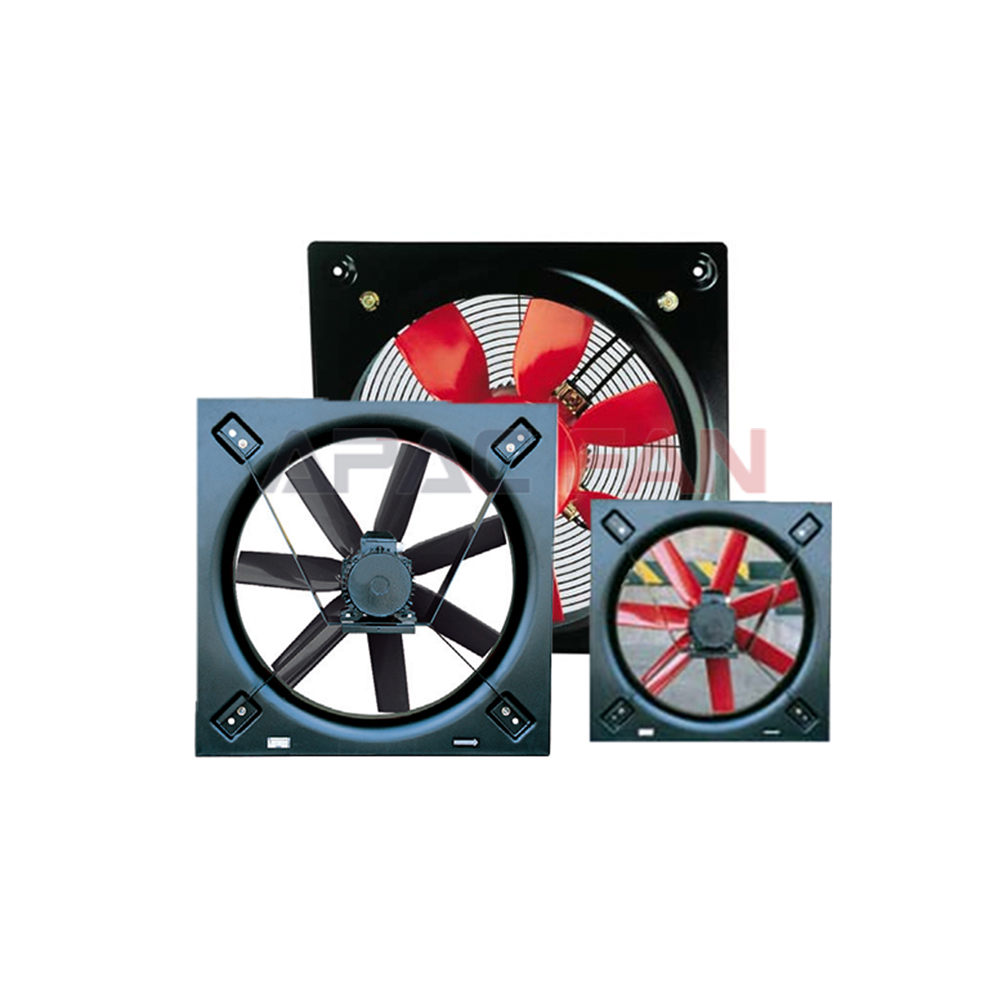
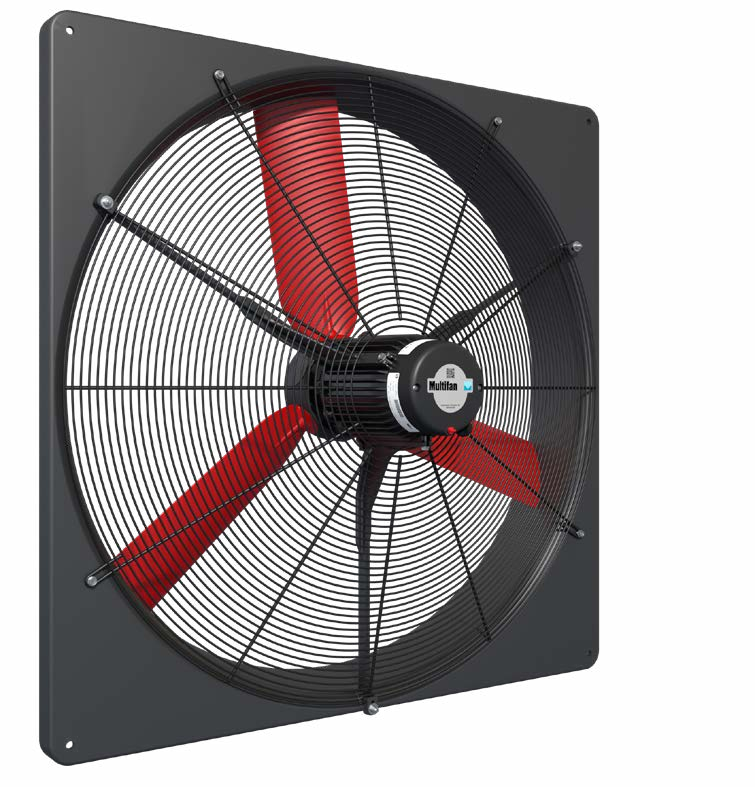
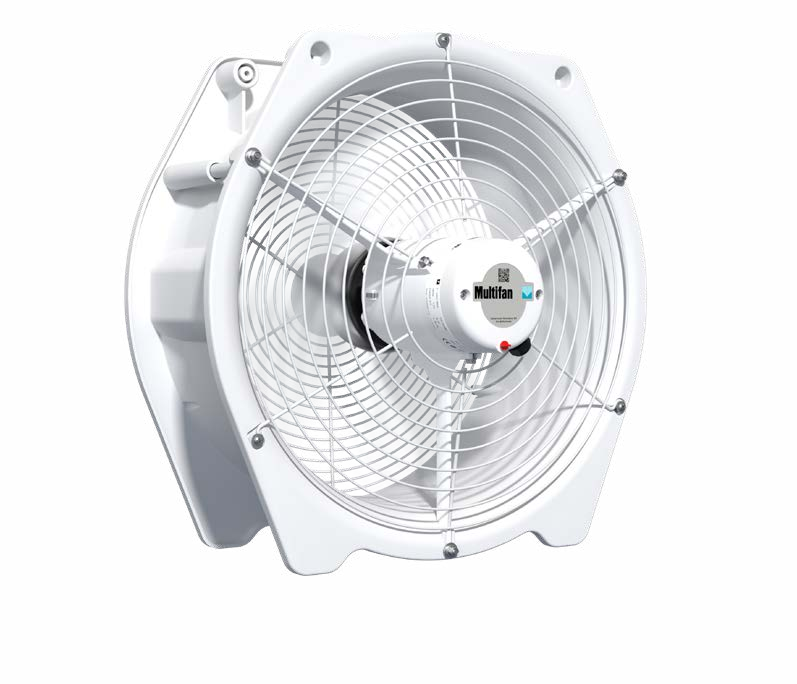
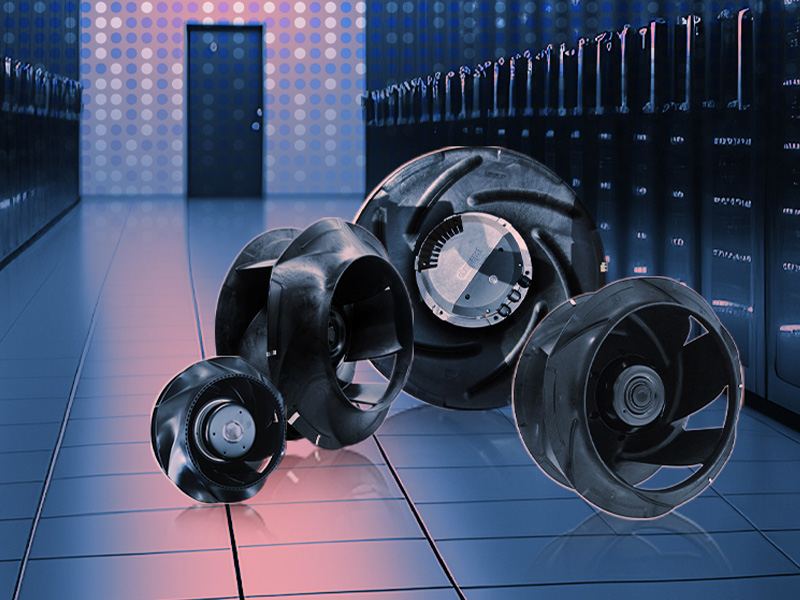
EC Axial Fans: Ideal for high airflow, low to medium static pressure applications, such as in-row coolers, heat exchangers, and general ventilation.
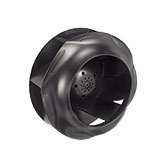
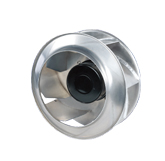
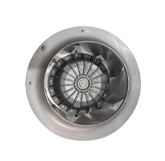
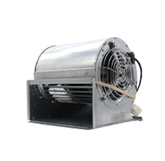
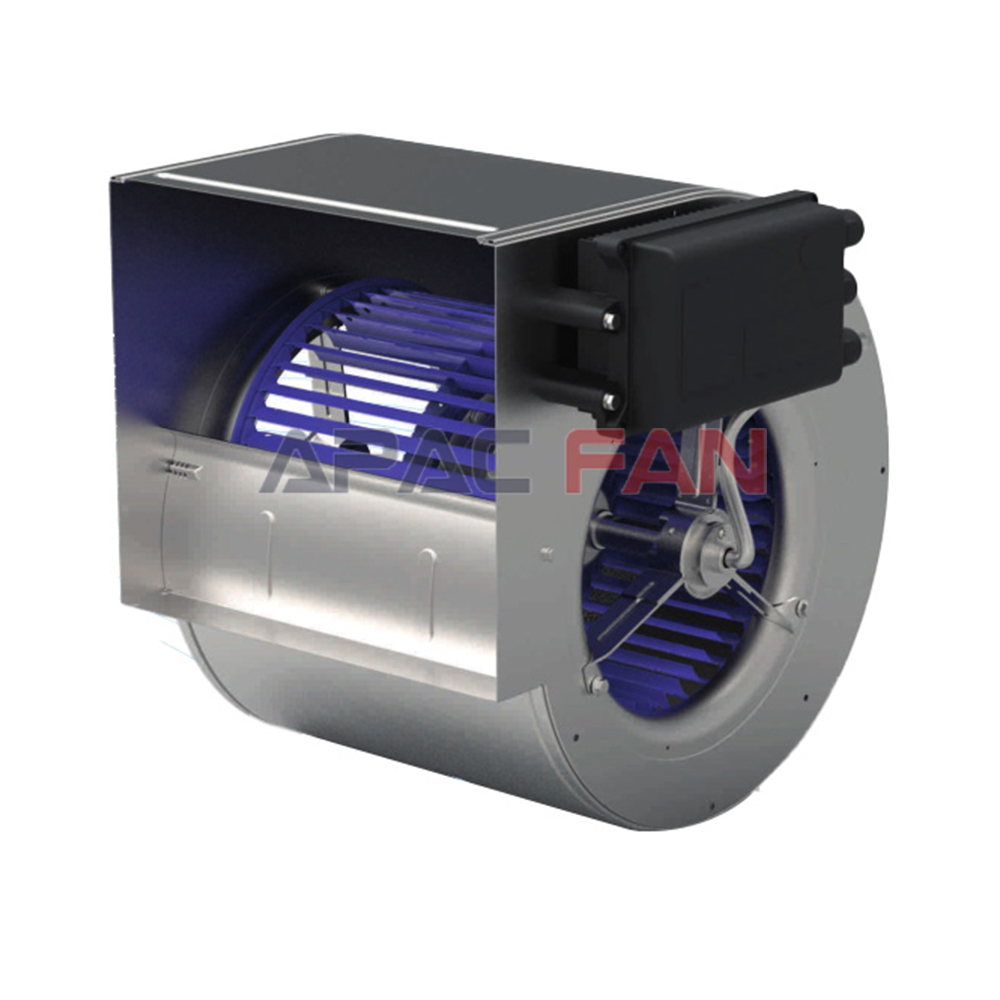
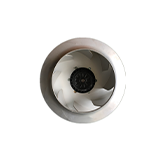
EC Centrifugal Fans: The preferred choice for ducted systems, CRAC/CRAH units, and AHUs requiring higher static pressure to overcome system resistance.
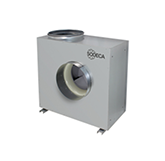
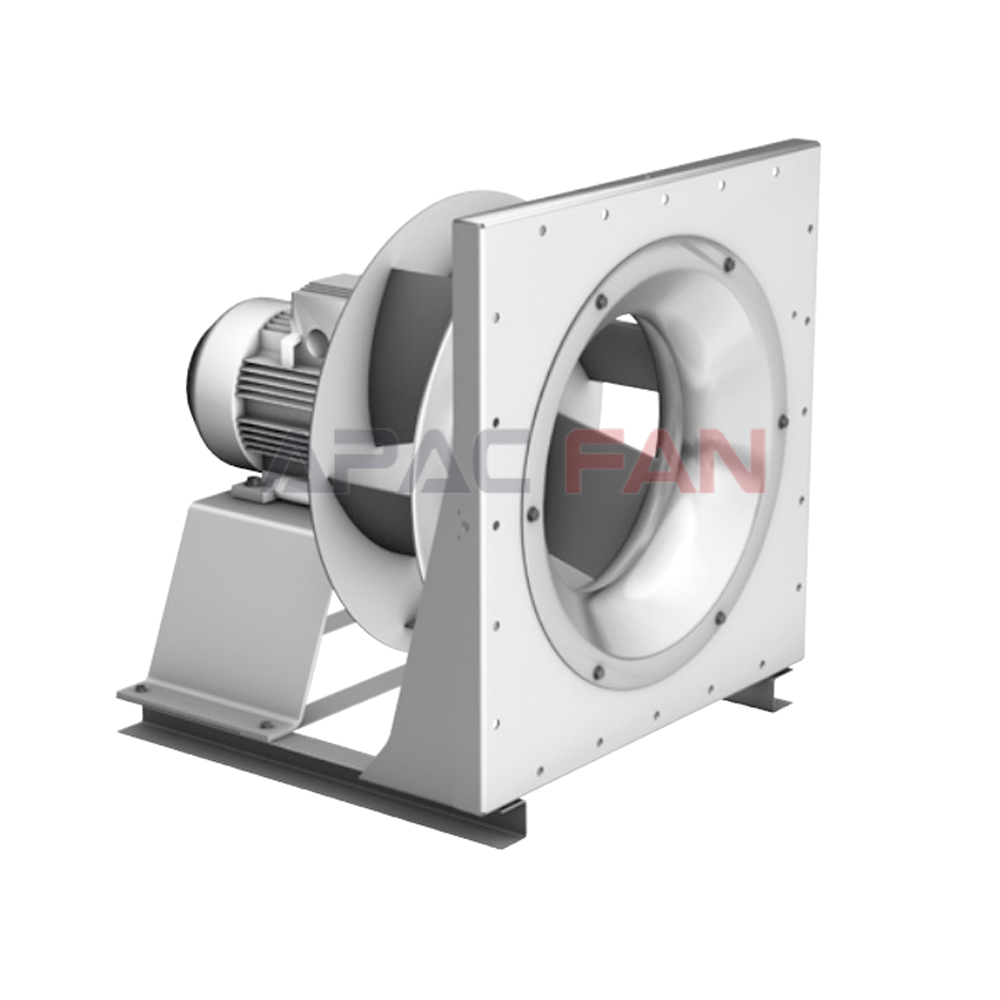
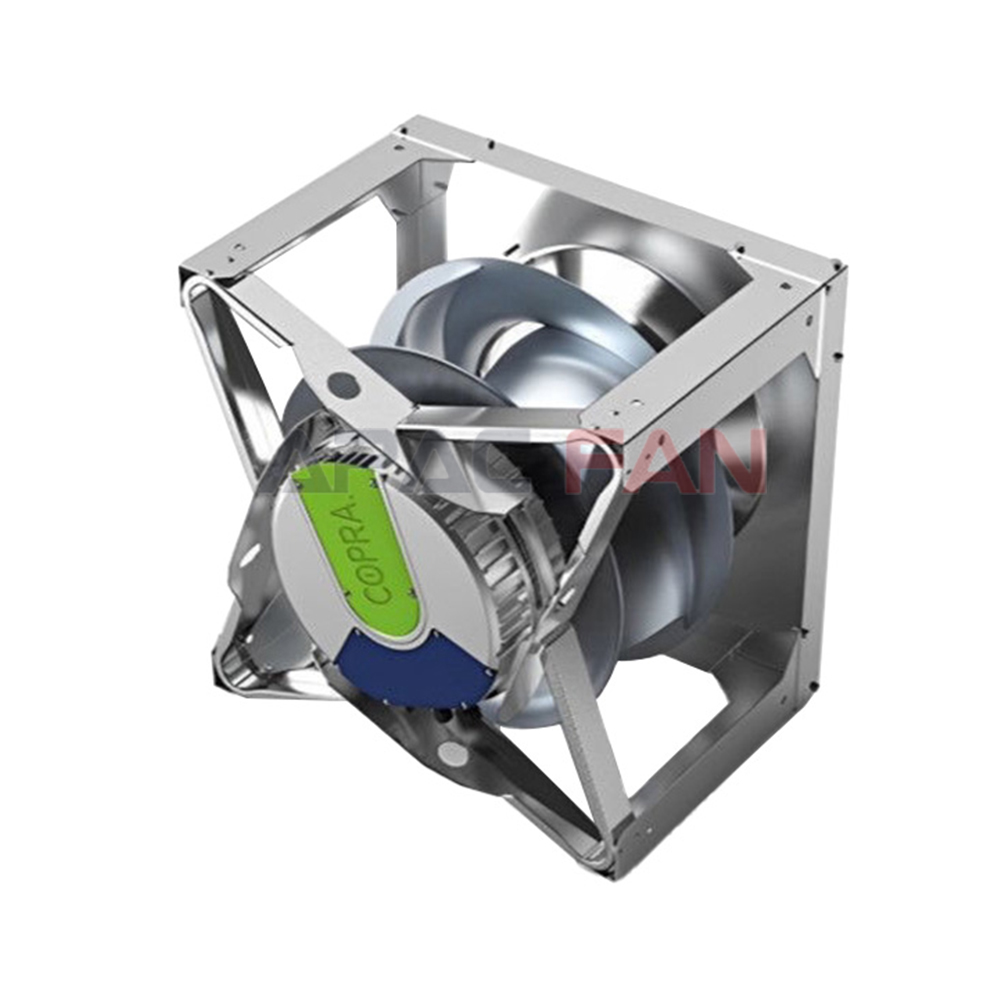
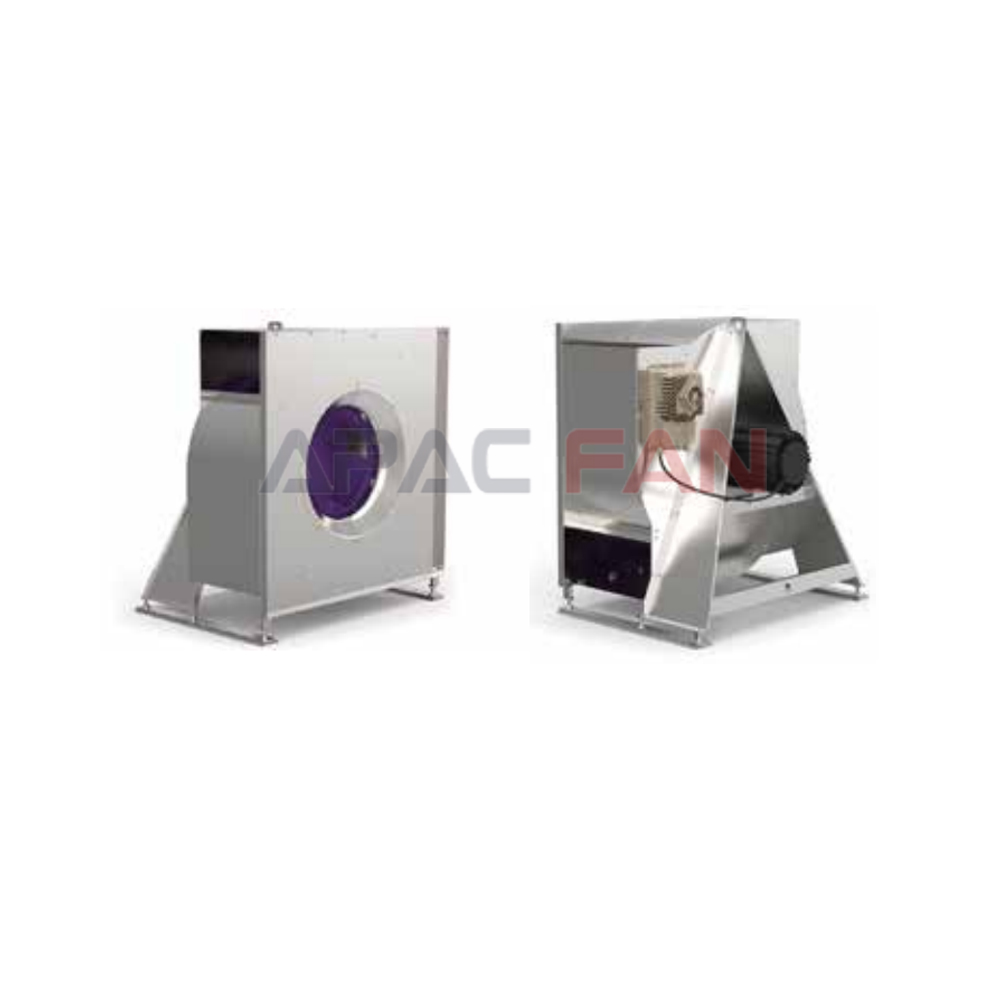
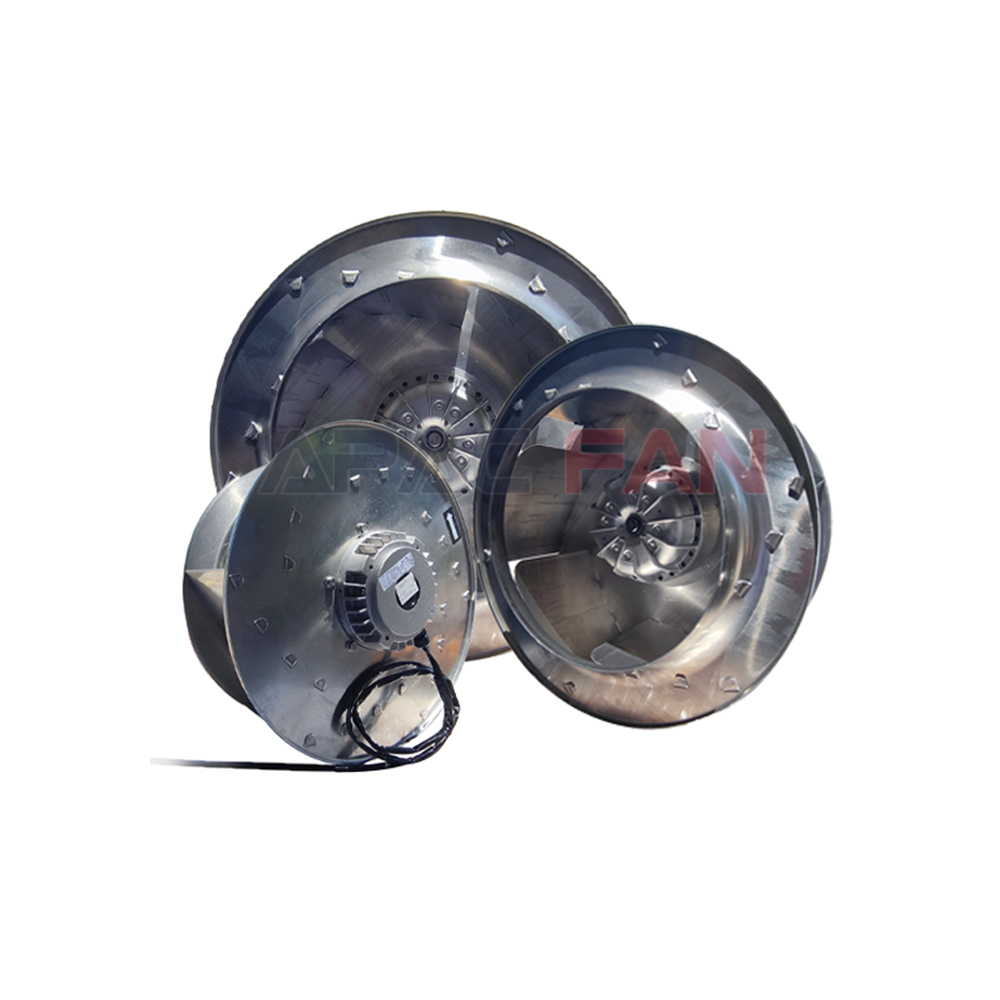
EC Plug Fans: Designed for optimal efficiency in plenum and cabinet applications, commonly used in modular AHU designs and some CRAH units for their compact, high-performance profile.
Conclusion
As data centers evolve to support a more connected and intelligent world, they face conflicting pressures: to increase computational density, reduce energy consumption and carbon footprint, and guarantee unwavering reliability. In this complex equation, the cooling system is a pivotal variable. ebm-papst fans provide a proven, intelligent solution that addresses all aspects of this challenge. By combining market-leading energy efficiency with precise control, unwavering reliability, and low acoustic emission, they do more than just move air—they actively contribute to a more sustainable, resilient, and cost-effective digital infrastructure. For engineers designing the next generation of cooling units and operators managing mission-critical facilities, ebm-papst represents a trusted partnership in ensuring that the heart of our digital world continues to beat coolly, reliably, and efficiently.