












 English
 Français
 Deutsch
 Português
 Español
 русский
  한국어
한국어 العربية
 Italiano
 Indonesia
 Schweiz
 Polski
 Nederlands
 ישראל - עברית
 Perzisch
 ไทย
ไทย 日本語
日本語 ኢትዮ-አማርኛ
 Việt Nam
 Kiswahili
 Srpski
 Ελληνικά
 繁體中文
繁體中文The Critical Choice: EC Fans vs. AC Fans for Modern Data Center Cooling
01/16/2026In the relentless pursuit of higher energy efficiency, reduced operational expenditure, and enhanced reliability, data center designers and operators face a multitude of critical decisions. Among the most impactful, yet sometimes overlooked, is the selection of fan technology for cooling systems. Given that cooling infrastructure operates continuously, accounting for a dominant portion of a facility's power usage, the efficiency, controllability, and reliability of its fans are paramount. This has brought the comparison between traditional Alternating Current (AC) fans and modern Electronically Commutated (EC) fans to the forefront. A detailed examination reveals why EC fan technology, particularly as exemplified by industry leaders like ebm-papst, is becoming the definitive choice for forward-thinking data center cooling strategies.
To understand the shift, one must first grasp the fundamental operational differences. Traditional AC fans utilize alternating current motors, which are inherently designed to run at a fixed speed based on the mains power frequency. To achieve any form of speed control, these systems require additional, often bulky and inefficient, external components such as variable frequency drives (VFDs). This adds layers of complexity in wiring, installation, and control logic, while also introducing points of energy loss. In contrast, EC fans represent an advanced integration of motor and electronics. They accept standard AC input but utilize built-in electronics to convert this to direct current for a brushless DC motor. This core architectural difference, with the controller embedded within the fan assembly itself, unlocks a suite of advantages that directly address the dynamic demands of a data center environment.
The most compelling advantage of EC technology lies in its superior energy efficiency, especially under the variable loads typical of data centers. AC motors are generally most efficient at or near their full rated speed; at partial loads, which represent the vast majority of operational hours, their efficiency drops significantly. The added losses from external VFDs further erode system-wide efficiency. EC fans, however, maintain exceptionally high motor efficiency across their entire speed range—from 100% down to 20% or lower. Their integrated speed control responds instantly to signals from building management systems (BMS) or data center infrastructure management (DCIM) software, allowing fan speed—and thus energy consumption—to be precisely matched to the real-time heat load. This ability to "right-size" cooling dynamically, rather than running at a constant, often excessive, fixed speed, translates into dramatic reductions in annual energy consumption and a direct lowering of PUE.
This leads seamlessly to the second critical advantage: precision control and airflow management. Modern data centers rely on sophisticated cooling architectures like hot aisle/cold aisle containment, in-row cooling, and variable refrigerant flow systems to eliminate wasted cooling capacity. The effectiveness of these strategies hinges on the ability to modulate airflow with precision and rapid response. EC fans, with their native support for standard 0-10V or PWM control signals, integrate directly into these control schemes. They act as intelligent, responsive endpoints, allowing cooling units to deliver exact airflow where and when needed. AC fans, even with VFDs, offer slower, less granular control and can struggle with stability at very low speeds. The precision of EC fans minimizes the risk of overcooling, stabilizes containment pressures, and ensures optimal thermal conditions for sensitive IT equipment.
Furthermore, EC fans significantly reduce system complexity from installation through to long-term operation. By eliminating the need for external VFDs, control cabinets, and associated complex wiring, they simplify the bill of materials, reduce panel space requirements, and accelerate commissioning. For OEMs building computer room air conditioning (CRAC) units, air handling units (AHUs), or in-row coolers, and for integrators deploying them, this means a more streamlined design process, lower installation costs, and reduced points of potential failure. The reliability argument is further strengthened by the inherent design of EC motors. With fewer mechanical components subject to wear, lower operational temperatures, and robust construction, EC fans are engineered for the relentless 24/7/365 duty cycle of a data center. This enhanced reliability directly supports service level agreement (SLA) compliance and uptime goals, a non-negotiable priority for any facility.
Noise performance, while sometimes considered a secondary concern, is increasingly important, especially for edge data centers located in office environments or urban colocation facilities. The aerodynamic design of premium EC fans, coupled with their ability to run smoothly at reduced speeds, results in significantly lower acoustic emissions compared to AC fans often running at a constant, high speed. This operational quietness provides greater siting flexibility and improves conditions for any on-site technical staff.
When these differences are applied across key data center applications, the pattern is clear. In CRAC and CRAH units, EC fans enable variable airflow that adapts to changing room conditions, whereas AC-driven units often cycle compressors inefficiently or dump excess cold air. For in-row and perimeter cooling, precise rack-level control is only truly achievable with EC responsiveness. In air handling units for indirect evaporative cooling or makeup air, the intelligent control of EC fans optimizes the blend of air streams. Even in supporting spaces like UPS and battery rooms, where heat loads can shift, the stable and adaptable cooling provided by EC fans offers a reliability benefit.
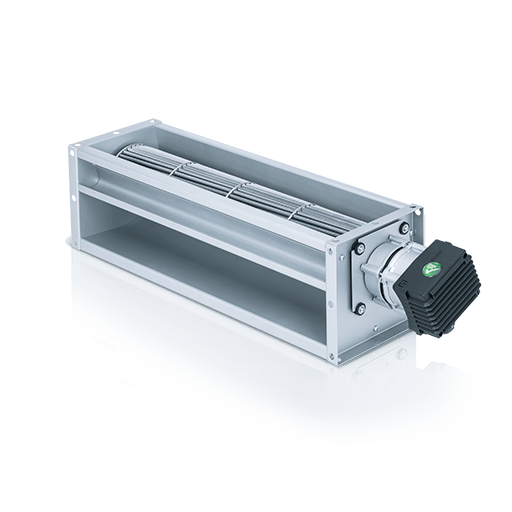
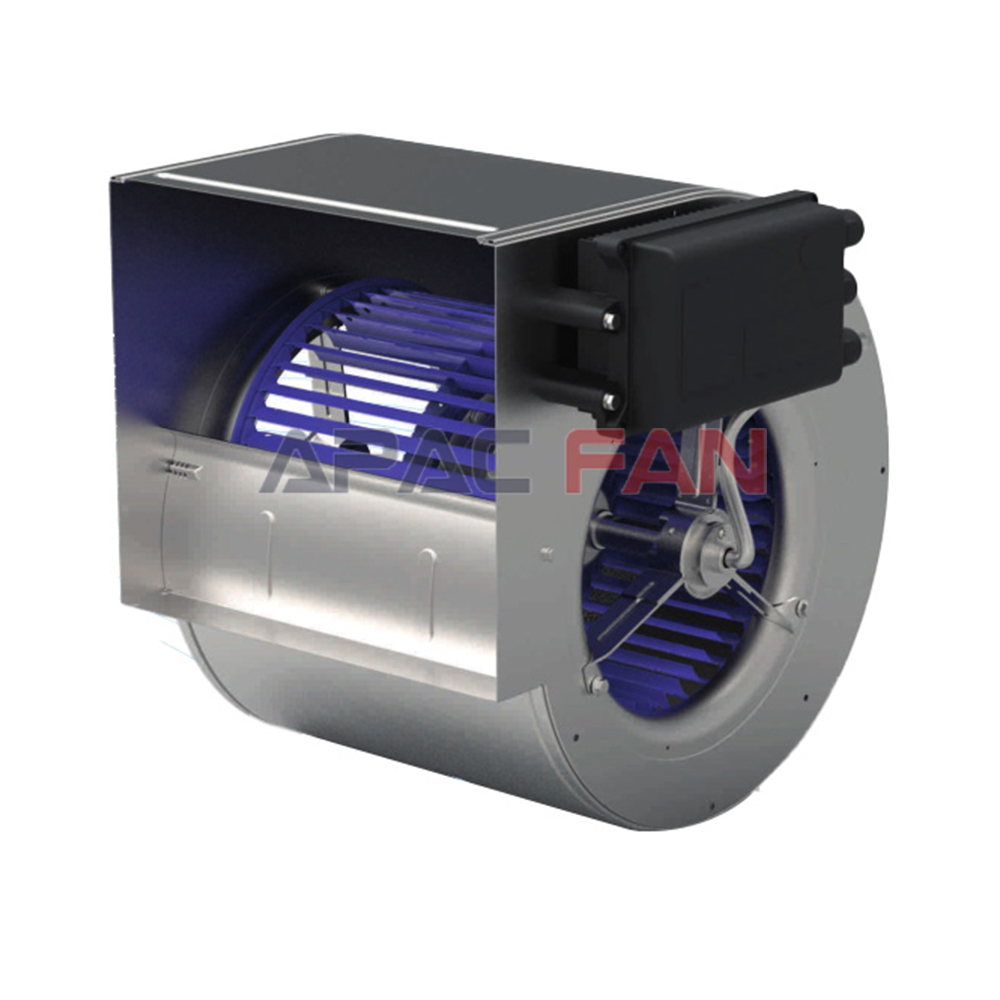
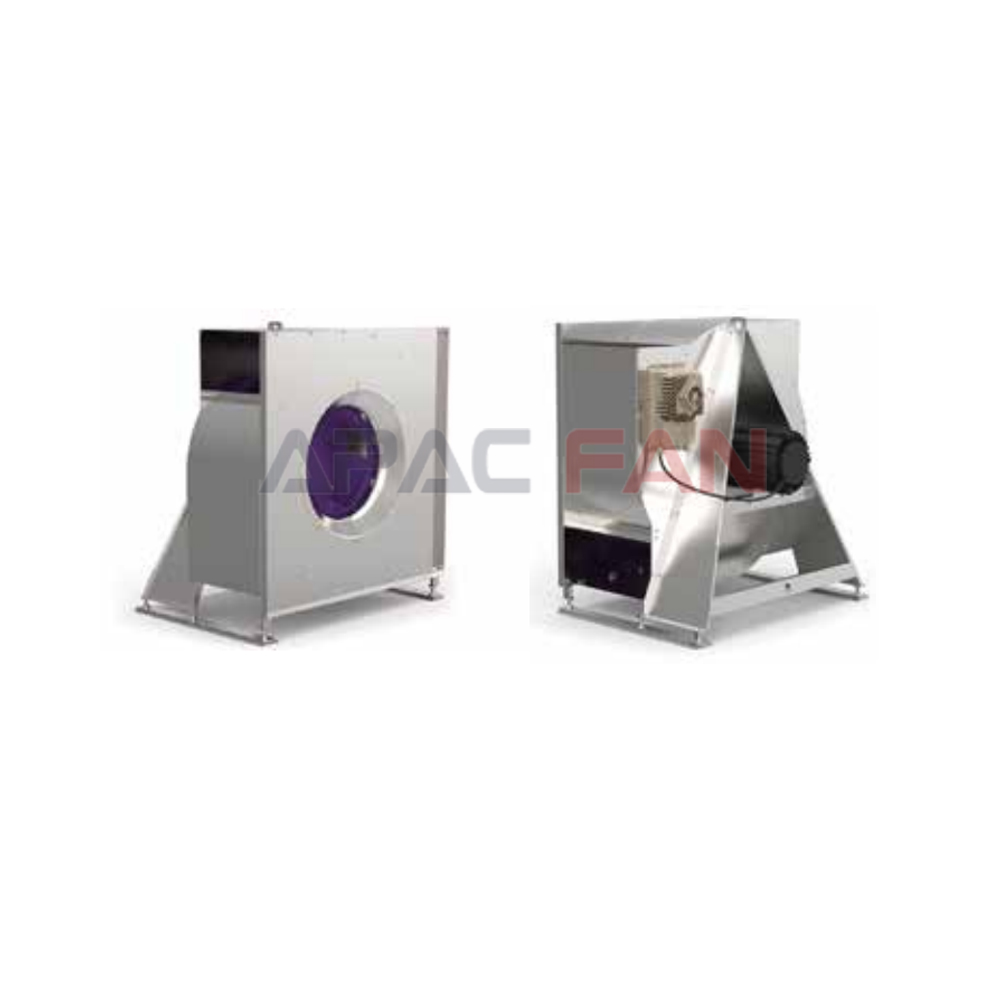
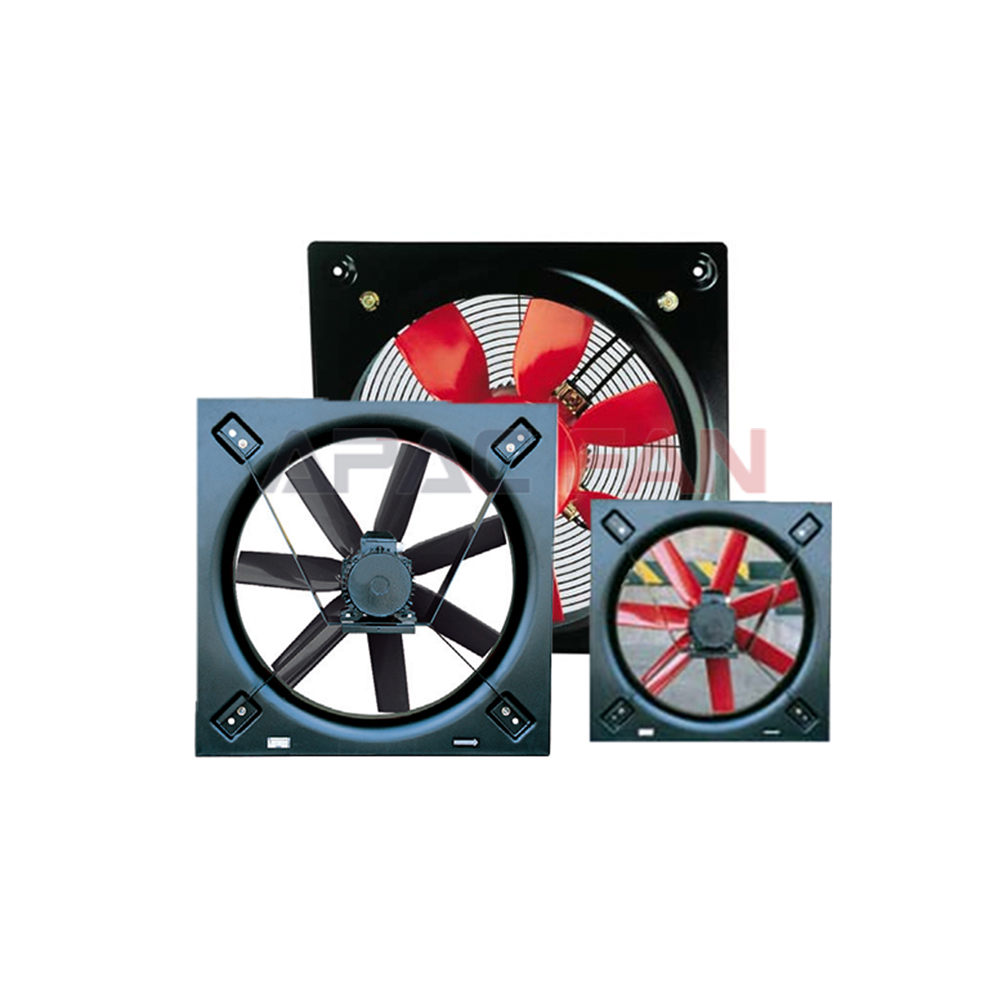
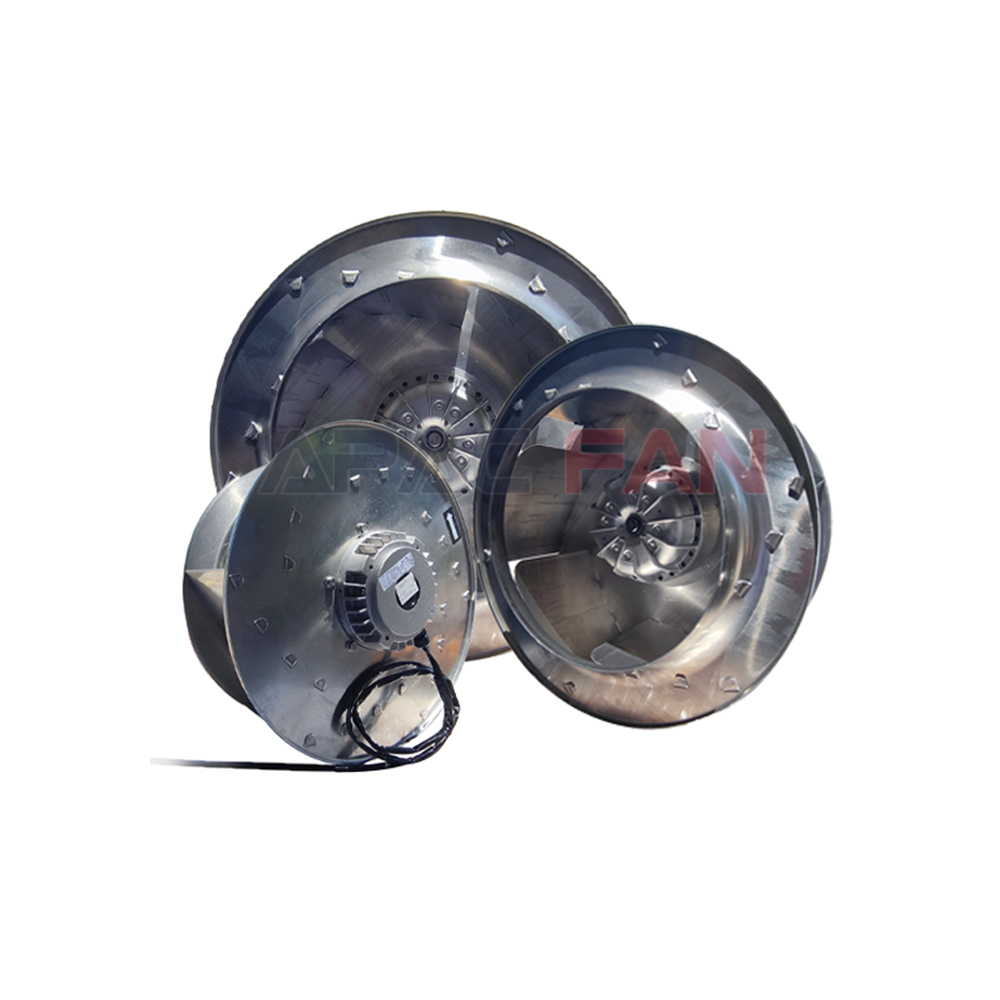
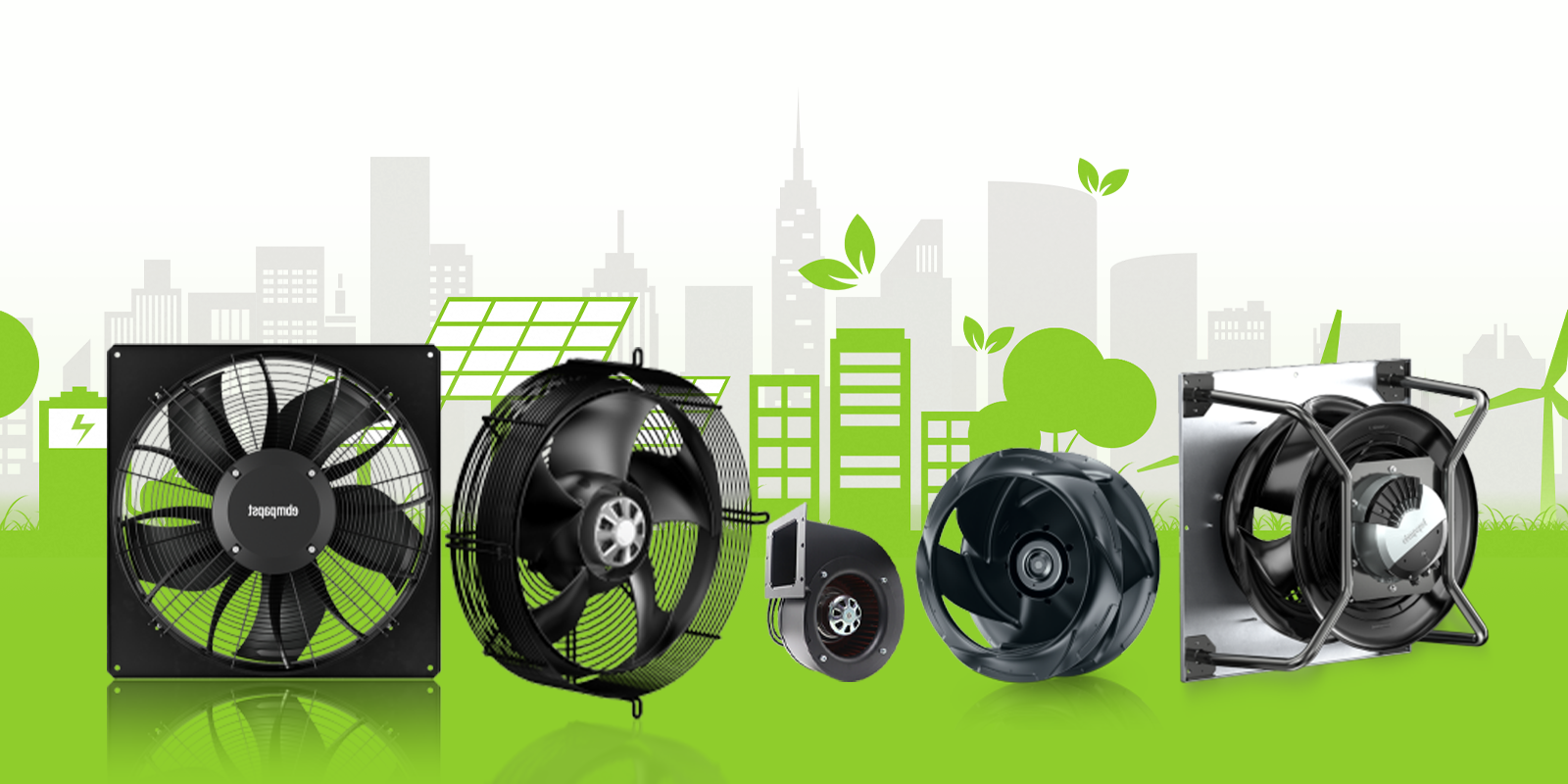
While AC fans may still find a place in specific scenarios—such as low-cost retrofits of legacy systems with minimal control or in projects with severely constrained upfront capital—these are becoming exceptions. For new builds, modular deployments, and any upgrade focused on total cost of ownership and sustainability, EC technology is the new standard. Industry leaders like ebm-papst have accelerated this transition by offering a comprehensive range of robust, high-performance EC axial, centrifugal, and plug fans that are proven in mission-critical installations worldwide. Their technology integrates advanced motor design with sophisticated electronics, delivering not just a component, but a smart, efficient, and reliable airflow solution.
In conclusion, the comparison between EC and AC fans for data center cooling is decisively tilted in favor of EC technology. The combination of transformative energy efficiency, unparalleled control precision, reduced system complexity, enhanced reliability, and quieter operation delivers a compelling value proposition. As data centers continue to evolve under pressures of scale, density, and environmental responsibility, the choice of cooling fan technology becomes a strategic one. For operators aiming to future-proof their facilities, optimize operational expenditure, and ensure uninterrupted service, EC fans, and particularly those engineered to the highest standards, represent the superior and logical choice for modern cooling system design.