











 English
 Français
 Deutsch
 Português
 Español
 русский
  한국어
한국어 العربية
 Italiano
 Indonesia
 Schweiz
 Polski
 Nederlands
 ישראל - עברית
 Perzisch
 ไทย
ไทย 日本語
日本語 ኢትዮ-አማርኛ
 Việt Nam
 Kiswahili
 Srpski
 Ελληνικά
 繁體中文
繁體中文A New Benchmark for Industrial Energy Efficiency: EC Fan Retrofit Project Supports Green Transformation in Electronics Manufacturing
06/25/2026As China continues accelerating its “Dual Carbon” strategy, industrial enterprises are placing greater focus on energy-saving upgrades and low-carbon manufacturing solutions. Among various optimization measures, upgrading outdated HVAC ventilation systems has become one of the most effective ways to reduce electricity consumption, improve operational efficiency, and support sustainable manufacturing goals.
AISA PACIFIC SHENGRUI LIMITED recently completed a large-scale MAU and AHU cabinet fan retrofit project for a major electronics manufacturing company in Suzhou. By replacing traditional belt-driven ventilation systems with high-efficiency EC fan technology, the project achieved outstanding energy-saving performance and created a strong benchmark for industrial HVAC energy retrofit projects in the electronics manufacturing sector.
The retrofit project significantly reduced power consumption while improving airflow stability, intelligent control capability, and long-term system reliability. Measured energy-saving rates ranged from 31 percent to as high as 78 percent across multiple ventilation systems, while total annual electricity savings exceeded 500,000 kWh.
1.Traditional Ventilation Systems Could No Longer Meet Modern Manufacturing Requirements
In modern electronics manufacturing facilities, maintaining stable temperature, humidity, and clean airflow conditions is critical for ensuring production quality and equipment reliability.
At the same time, ventilation and air handling systems must operate continuously for long periods, placing heavy demands on energy efficiency and operational stability. As energy costs continue rising and environmental regulations become stricter, traditional HVAC systems are increasingly unable to meet modern manufacturing requirements.
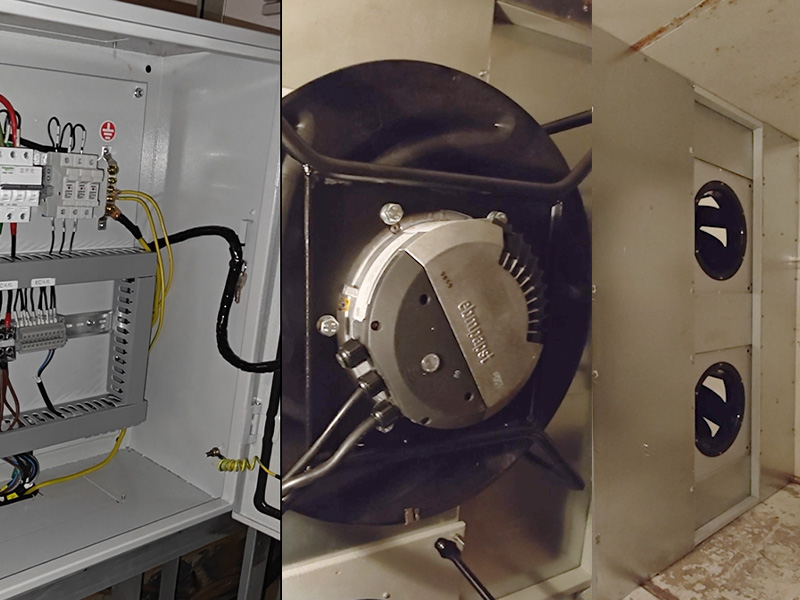
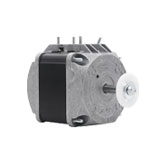
The large electronics company’s original MAU and AHU systems used conventional belt-driven centrifugal fan configurations powered by three-phase asynchronous motors.
Although this design had been widely adopted in industrial ventilation systems for many years, several operational limitations gradually became more apparent over time.
The asynchronous motors operated at relatively low efficiency, while belt transmission systems generated additional mechanical energy losses through friction and slippage. Components such as belts and bearings also required frequent maintenance and replacement, increasing operational costs and creating higher risks of unexpected equipment failure.
As production capacity continued expanding, the company required a more advanced ventilation solution capable of supporting long-term green manufacturing goals while reducing overall energy consumption.
2.From Conventional Fan Systems to High-Efficiency EC Fan Wall Technology
As an experienced provider of industrial ventilation and thermal management solutions, AISA PACIFIC SHENGRUI LIMITED has completed numerous EC fan retrofit projects across multiple industrial sectors.
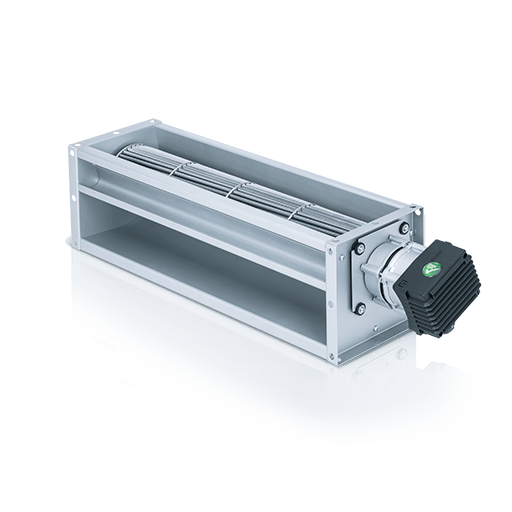
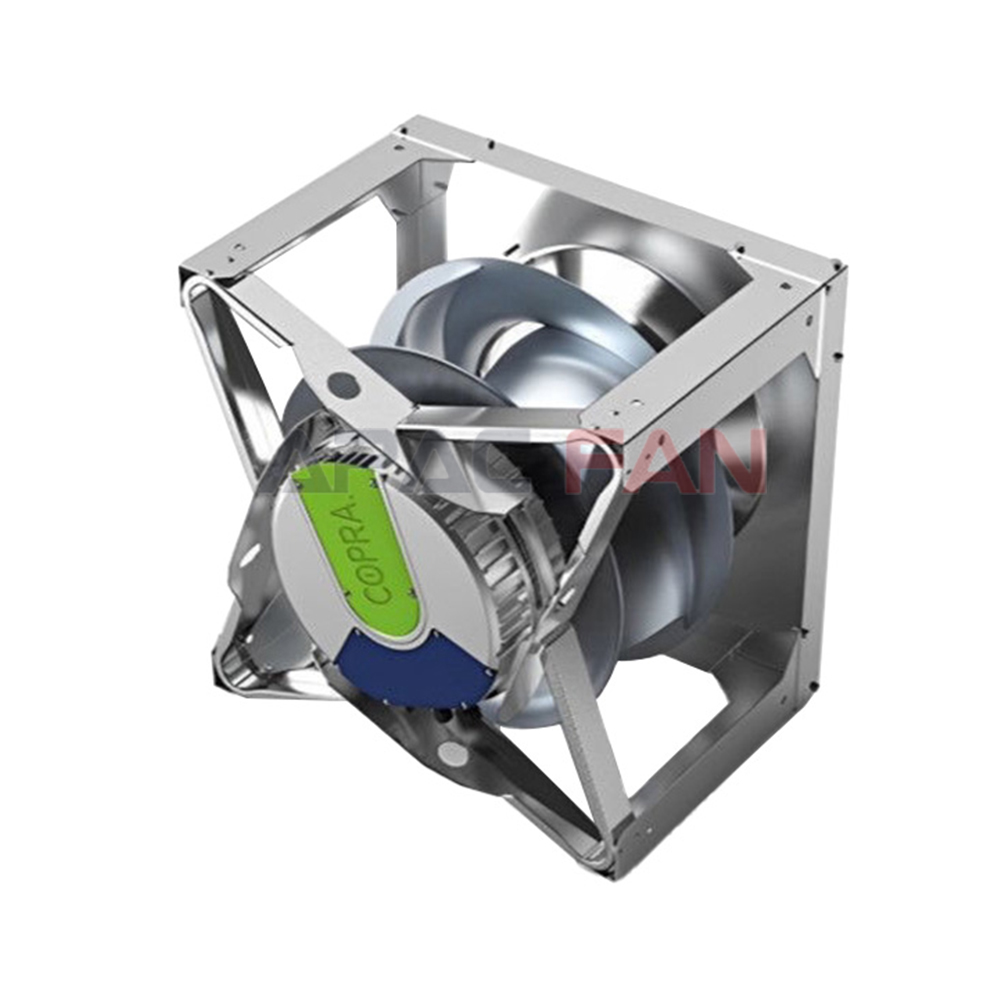
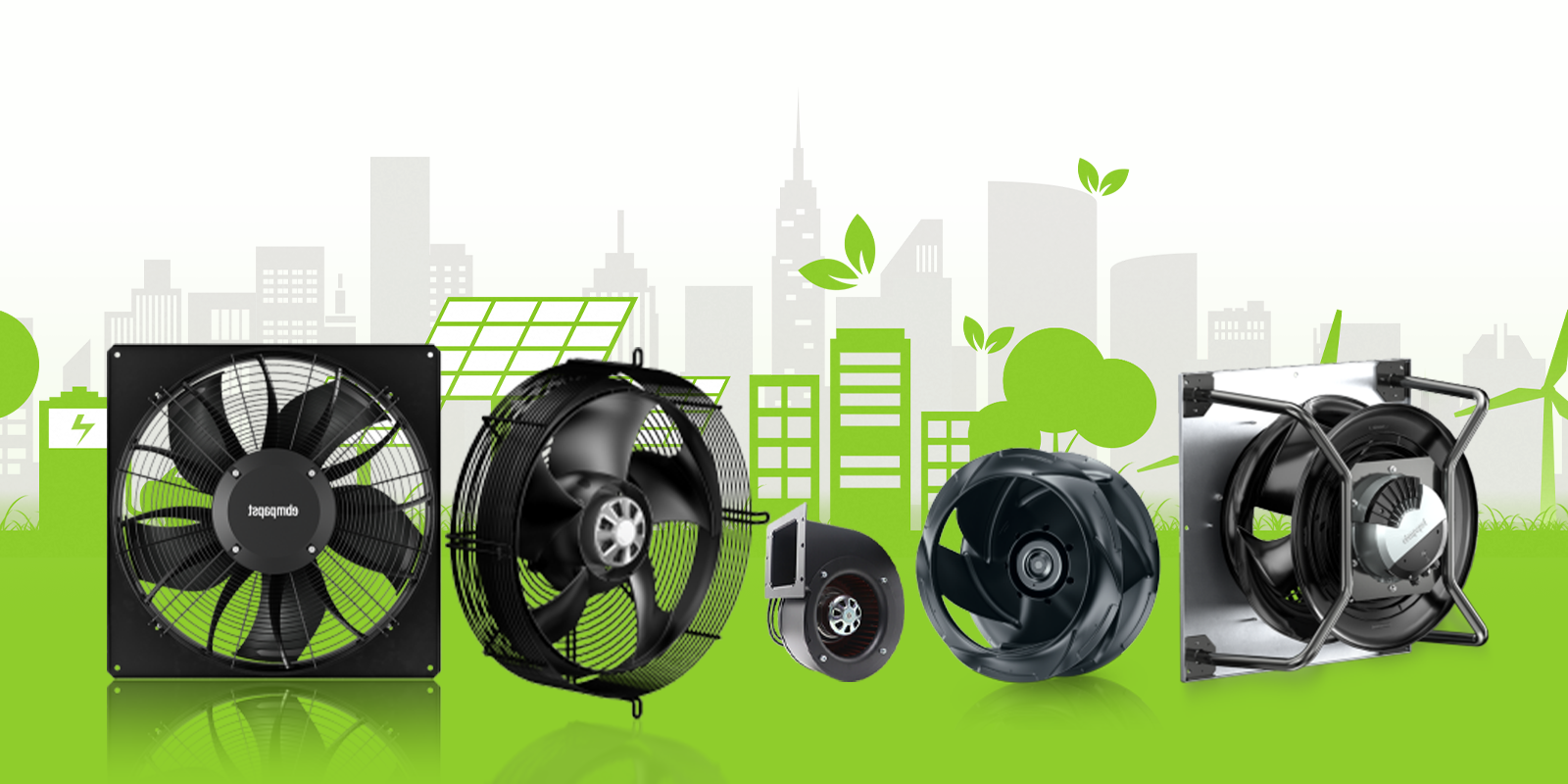
For this project, the engineering team did not adopt a simple repair or partial modification approach. Instead, the company implemented a comprehensive ventilation system upgrade by replacing the original belt-driven fans with high-efficiency German ebm-papst EC fans.
This upgrade strategy directly addressed the root causes of high energy consumption, unstable airflow performance, and excessive maintenance requirements.
Compared with traditional AC fan systems, EC fan technology provides substantially higher motor efficiency, more accurate airflow control, lower operating noise, and improved long-term operational reliability.
The new system also introduced intelligent fan control capabilities, allowing the ventilation equipment to automatically adjust operating conditions according to real-time airflow demand and temperature changes.
3.Advanced EC Fan Technology Improves Energy Efficiency and System Reliability
EC fan technology has become one of the most important solutions for industrial HVAC energy-saving retrofits due to its outstanding operational advantages.
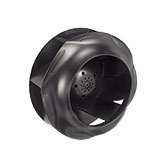
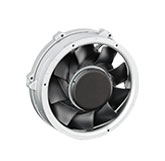
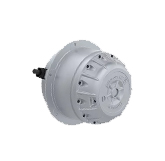
The EC fans used in this project feature permanent magnet brushless DC motors combined with advanced electronic commutation technology. Compared with traditional asynchronous motors, EC motors can achieve operating efficiency exceeding 90 percent.
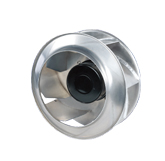
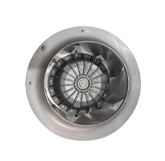
The backward-curved airfoil impeller design further improves aerodynamic efficiency, increasing overall fan efficiency from approximately 50 percent in traditional systems to as high as 70 percent.
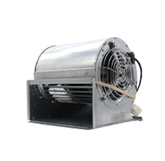
Unlike conventional belt-driven fan structures, the EC fan system adopts a direct-drive configuration that completely eliminates belt transmission losses. This not only improves energy efficiency but also significantly reduces maintenance requirements.
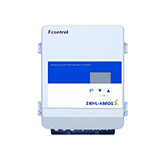
In addition, the EC fans integrate intelligent control functions directly into the motor system. The upgraded system supports PWM and 0–10V speed regulation as well as MODBUS-RTU communication protocol, enabling precise airflow adjustment, intelligent temperature management, and remote monitoring through the building management system.
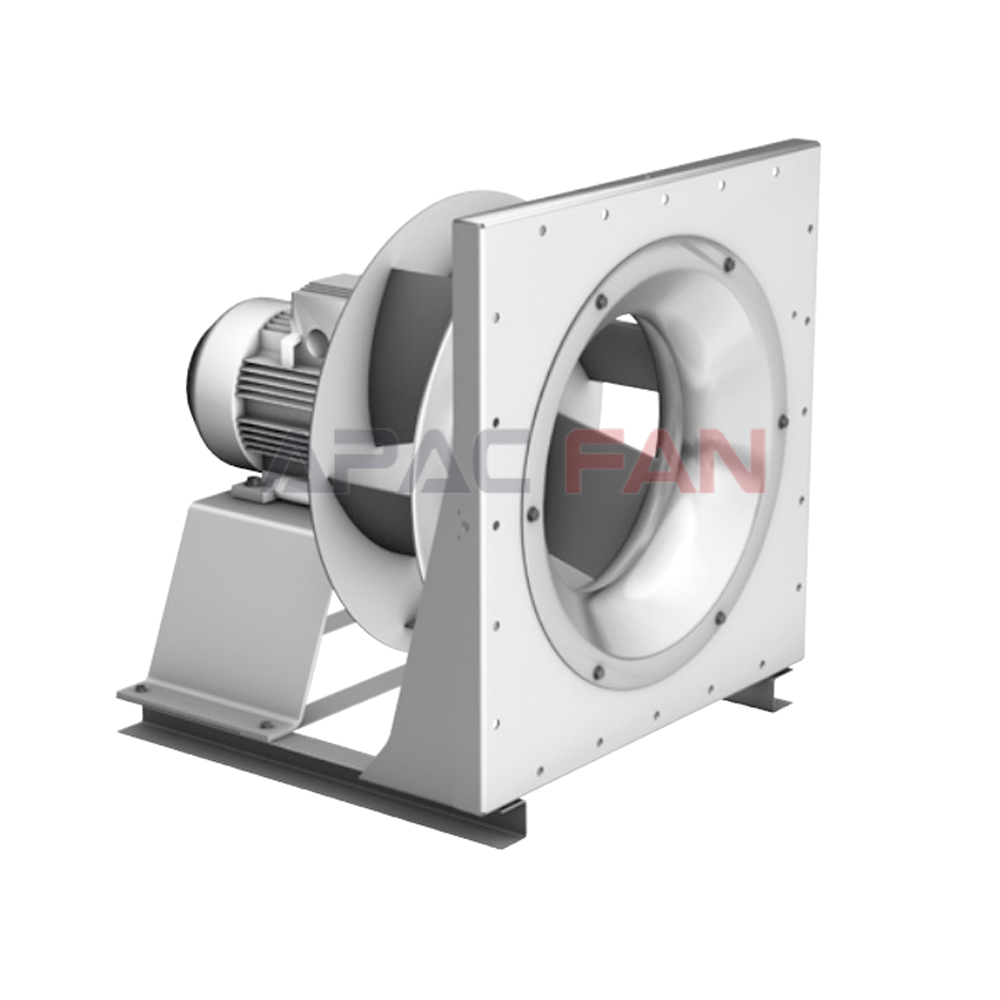
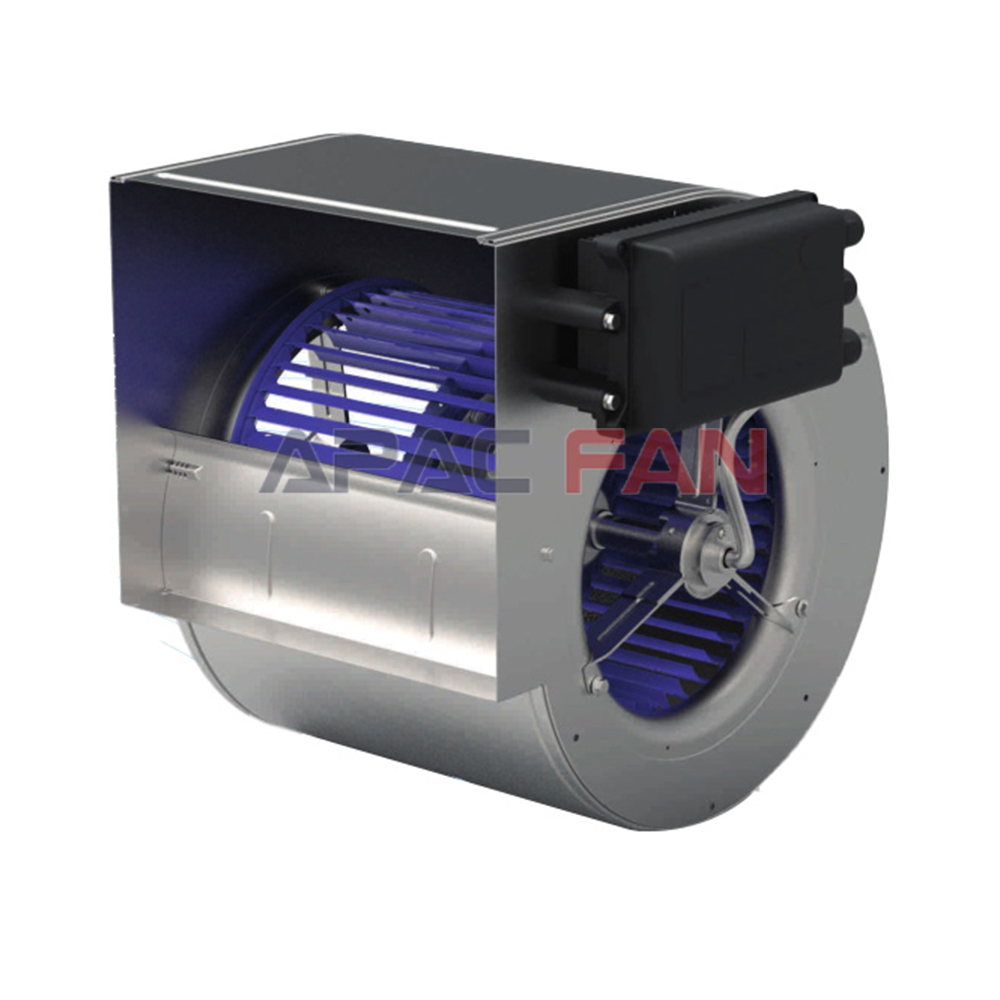
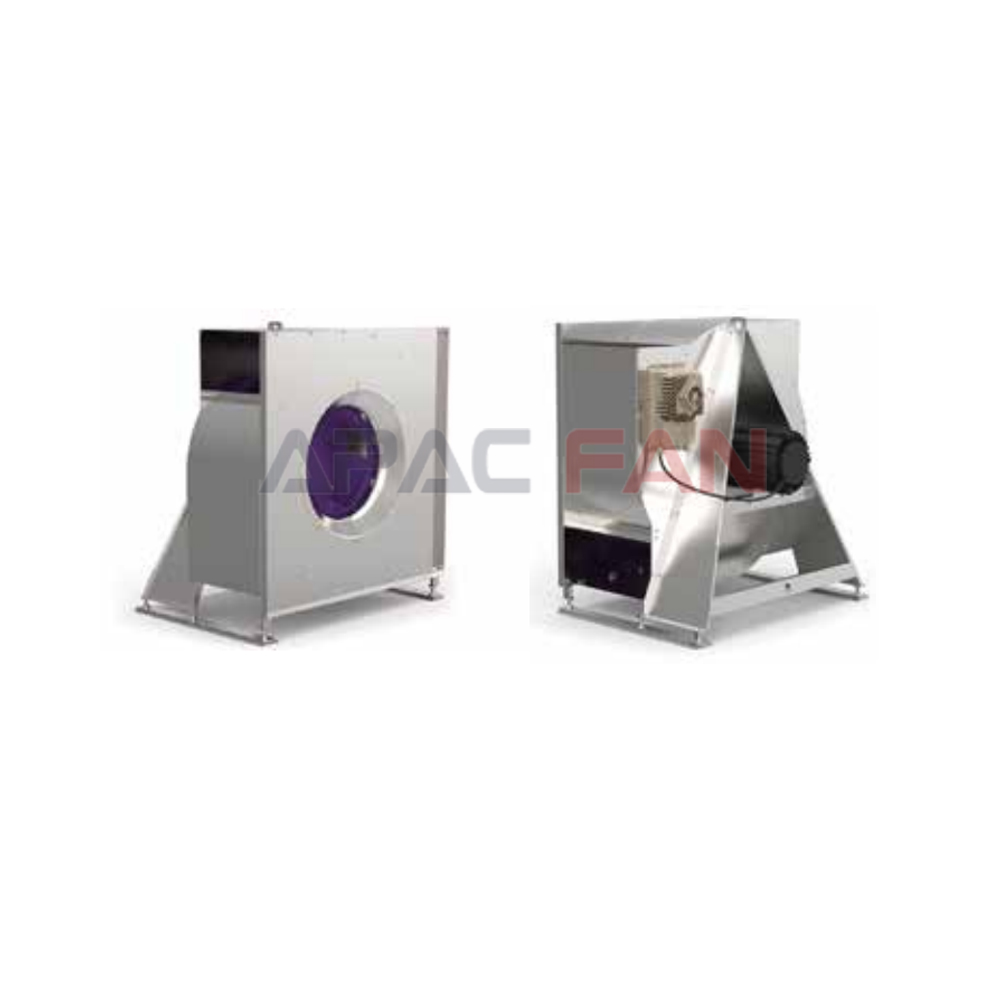
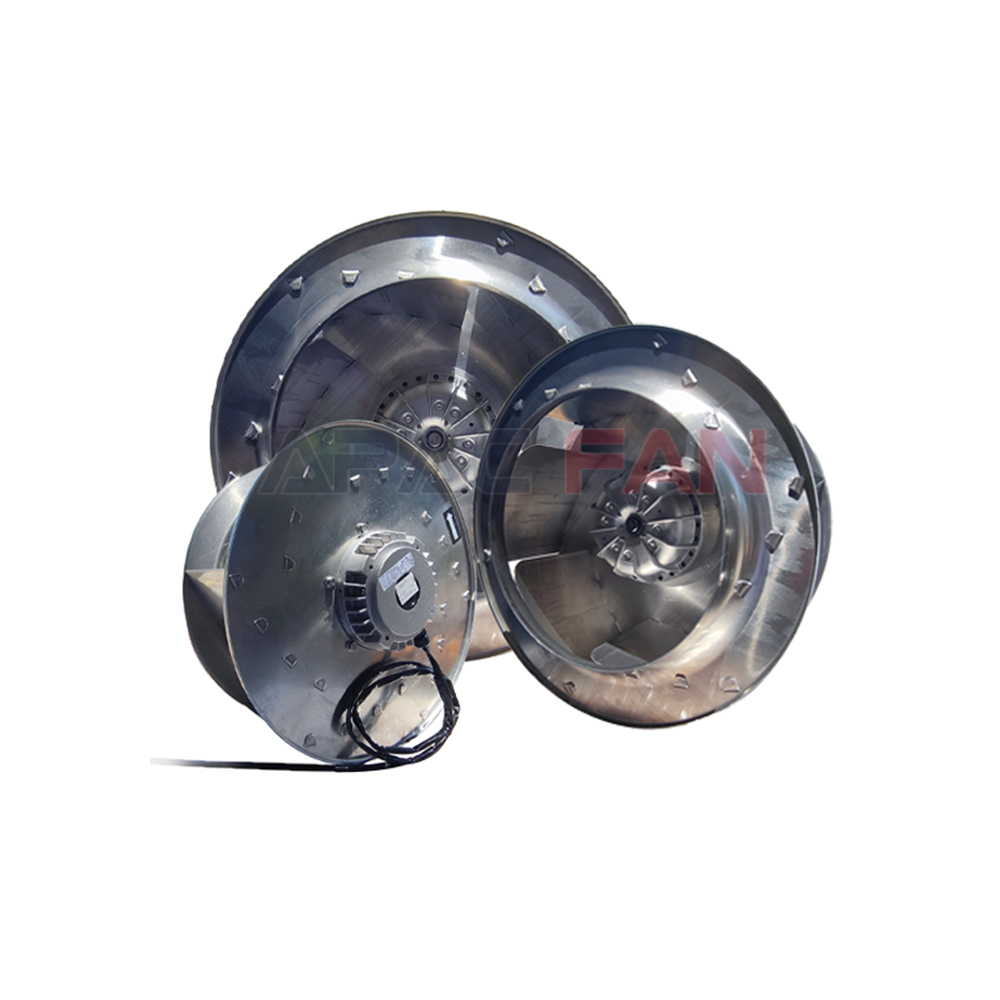
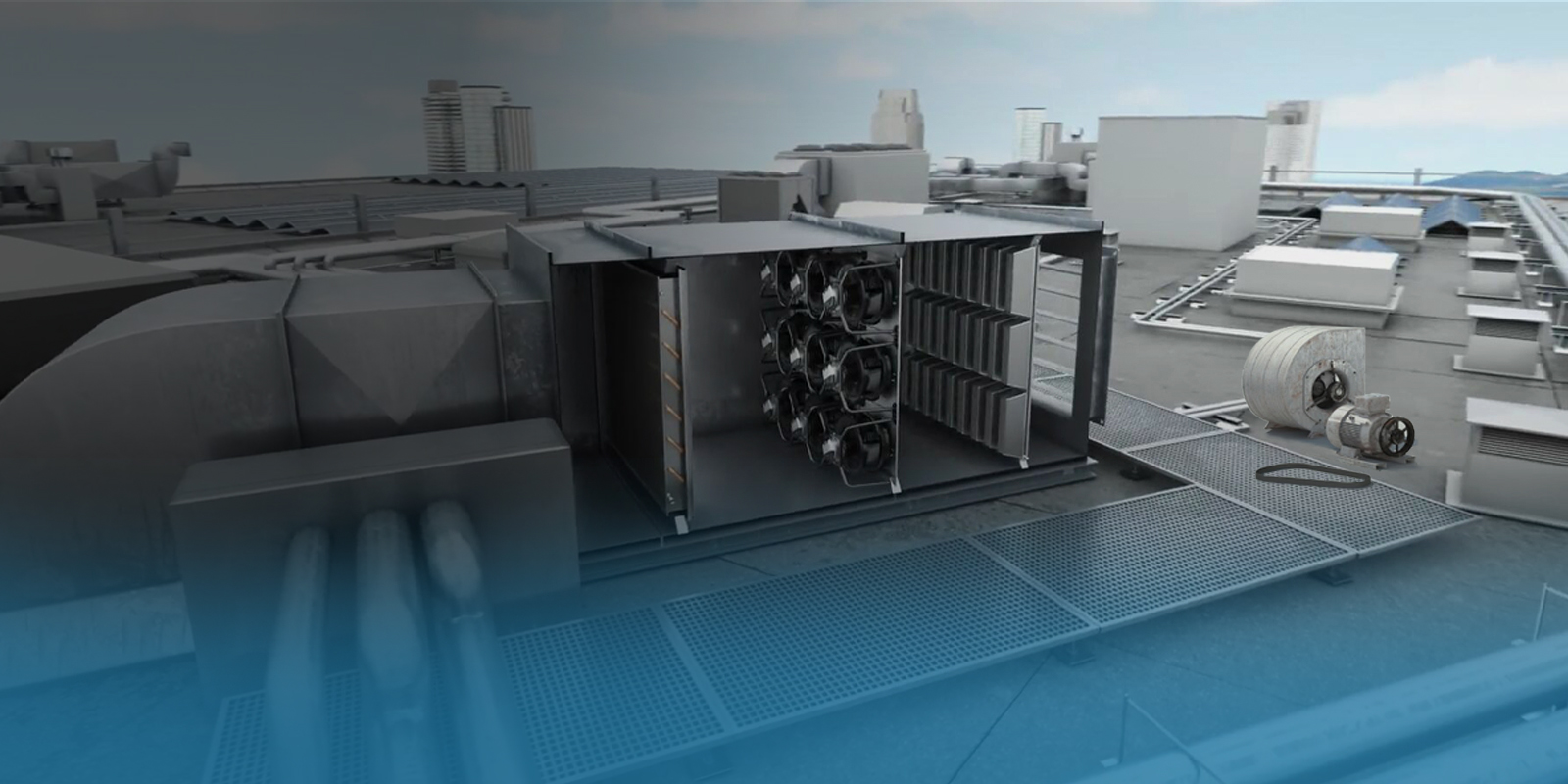
To ensure compatibility with the existing ventilation infrastructure, the AISA PACIFIC SHENGRUI LIMITED engineering team carefully analyzed the airflow and static pressure requirements of each MAU and AHU cabinet before selecting EC fan models including the K3G450 and R3G500 series.
Customized mounting brackets and optimized installation structures were also designed to ensure seamless integration with the original HVAC systems.
4.Outstanding Energy-Saving Results Across Multiple MAU and AHU Systems
The retrofit project covered more than ten MAU and AHU cabinets across the electronics manufacturing facility.
After the upgrade, all systems successfully maintained their original airflow and static pressure performance while achieving substantial reductions in power consumption.
Depending on operating conditions and system configuration, measured energy-saving rates ranged from 31 percent to as high as 78 percent.
Among the upgraded systems, the AHU101 cabinet achieved annual electricity cost savings exceeding USD 19,097. Meanwhile, the AHU107 cabinet delivered the project’s highest measured energy-saving rate of 78 percent.
Overall, the retrofit project is expected to save more than 500,000 kWh of electricity annually, significantly reducing carbon emissions while lowering long-term operating costs.
From an investment perspective, the project also demonstrated strong economic value. The estimated payback period was controlled within one to two years, allowing the customer to achieve both rapid financial returns and long-term sustainability benefits.
5.EC Fan Retrofits Are Becoming a Major Trend in Industrial Green Manufacturing
The successful cooperation between AISA PACIFIC SHENGRUI LIMITED and the large electronics manufacturer represents more than a single HVAC retrofit project.
It reflects a broader transformation taking place across the industrial sector, where high-efficiency EC fan systems are rapidly replacing traditional high-energy-consumption ventilation equipment.
As environmental policies continue tightening and industrial energy-saving standards become more demanding, the market demand for EC fan retrofit projects is expected to grow significantly in the coming years.
For manufacturers seeking to reduce HVAC operating costs, improve system reliability, and achieve sustainable production goals, EC fan retrofit technology offers a highly practical and cost-effective upgrade path.
6.Supporting Sustainable Industrial Development Through Advanced Ventilation Solutions
As a professional provider of industrial fan and airflow technologies, AISA PACIFIC SHENGRUI LIMITED has accumulated extensive experience in industrial ventilation optimization, HVAC energy-saving retrofits, and thermal management solutions.
The company continues leveraging advanced EC fan technology, engineering expertise, and global industry resources to provide customized energy-saving retrofit solutions for manufacturers across multiple industries.
By helping industrial enterprises reduce energy consumption, improve operational efficiency, and achieve low-carbon manufacturing goals, AISA PACIFIC SHENGRUI LIMITED remains committed to supporting greener, more sustainable, and higher-efficiency industrial development worldwide.
FAQ
What is an EC fan retrofit?
An EC fan retrofit is an energy-saving upgrade that replaces traditional AC belt-driven fans with electronically commutated fan systems. EC fans provide higher efficiency, intelligent speed control, lower maintenance requirements, and improved airflow performance.
Why are EC fans more efficient than traditional belt-driven fans?
EC fans use permanent magnet brushless motor technology combined with electronic commutation control, allowing the system to operate more efficiently and reduce energy losses caused by belts and mechanical friction.
What are the advantages of upgrading MAU and AHU systems with EC fans?
EC fan upgrades can significantly reduce HVAC energy consumption, improve airflow stability, lower operating noise, reduce maintenance frequency, and extend system service life.
How much energy can an EC fan retrofit save?
Energy-saving performance depends on operating conditions and system configuration. Many industrial retrofit projects achieve energy savings between 20 percent and 40 percent, while optimized systems can achieve even higher savings.
Can EC fan retrofits reduce maintenance costs?
Yes. EC fan systems use direct-drive structures that eliminate belts and pulleys, reducing routine maintenance tasks such as belt replacement, lubrication, and mechanical adjustment.
What industries commonly use EC fan retrofit solutions?
EC fan retrofit projects are widely used in electronics manufacturing, semiconductor production, pharmaceuticals, food processing, data centers, commercial buildings, and cleanroom environments.
Do EC fans support intelligent control systems?
Yes. Most EC fan systems support intelligent control protocols such as MODBUS-RTU, PWM, and 0–10V speed regulation, allowing integration with building management systems for remote monitoring and automated airflow control.
Why are EC fan retrofits important for green manufacturing?
Industrial HVAC systems consume large amounts of electricity. EC fan retrofits help manufacturers reduce energy consumption, lower carbon emissions, improve operational efficiency, and support long-term sustainability goals.