















 English
 Français
 Deutsch
 Português
 Español
 русский
  한국어
한국어 العربية
 Italiano
 Indonesia
 Schweiz
 Polski
 Nederlands
 ישראל - עברית
 Perzisch
 ไทย
ไทย 日本語
日本語 ኢትዮ-አማርኛ
 Việt Nam
 Kiswahili
 Srpski
 Ελληνικά
 繁體中文
繁體中文EC Fans for AHUs: Benefits, Control and HVAC Applications
08/12/2026Why EC Fan Technology Fits Modern AHUs
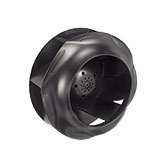
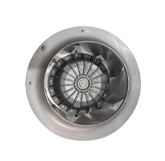
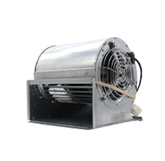
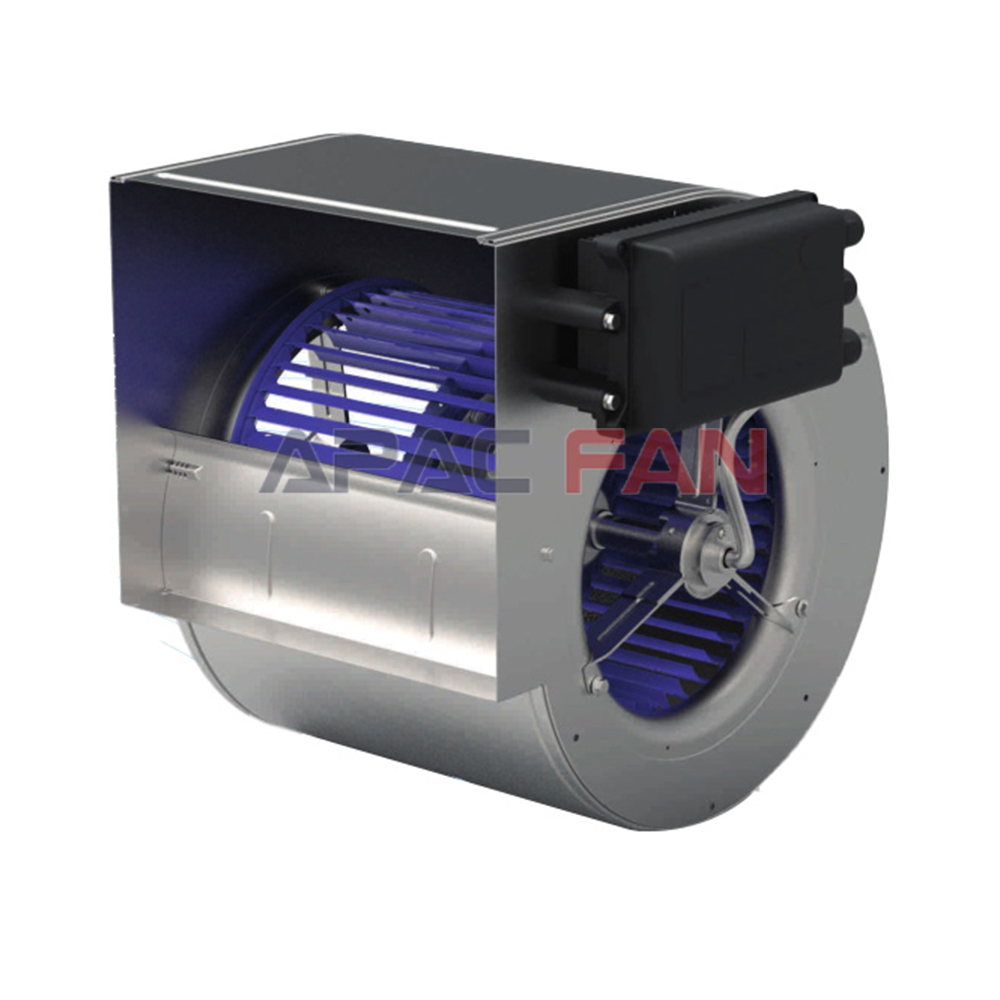
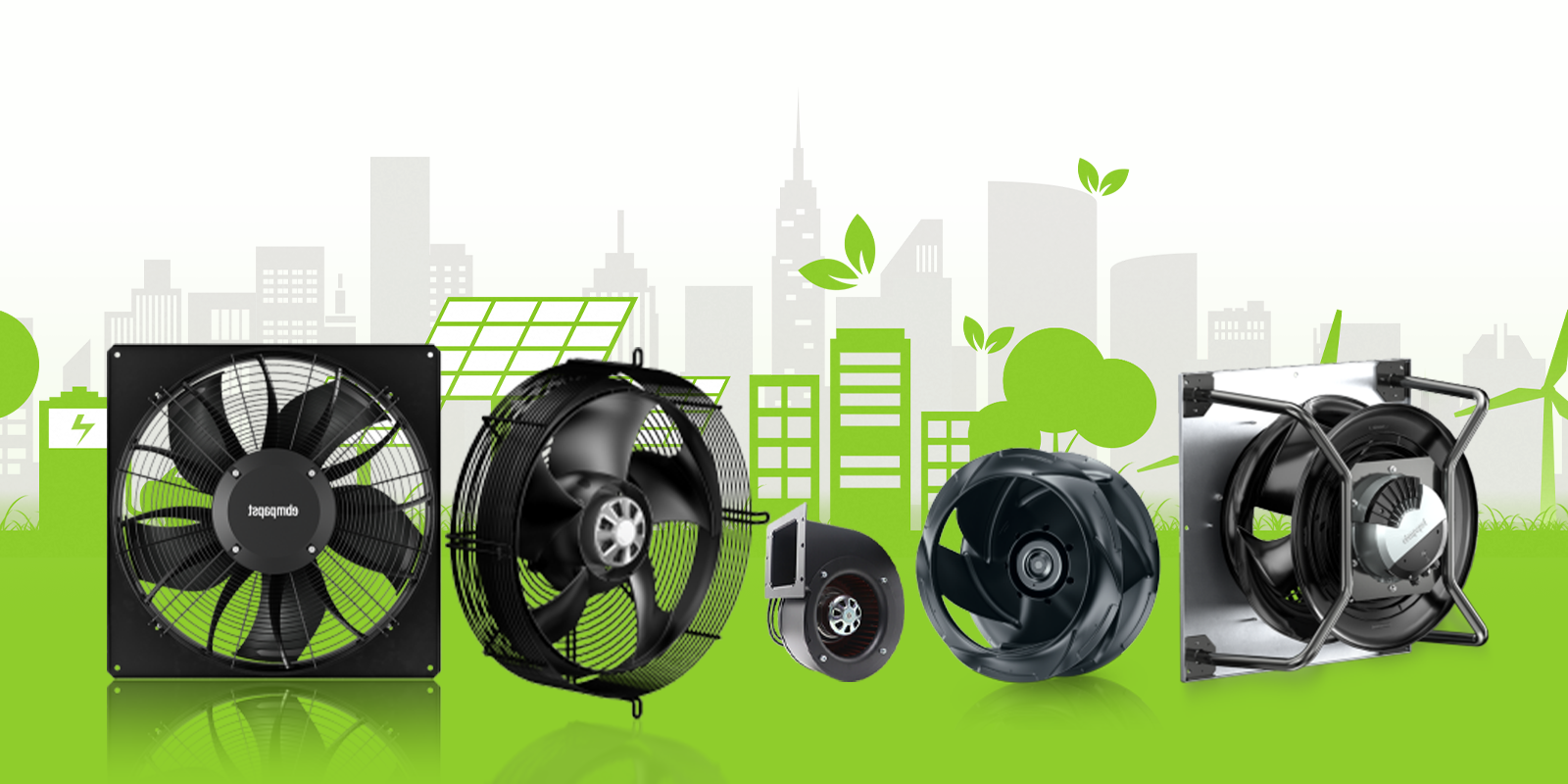
Electronically commutated fans combine a permanent-magnet motor with electronic commutation and an aerodynamic impeller. In an air handling unit, that combination replaces the mechanical switching associated with older motor designs and gives the fan an integrated way to regulate speed. The result is not simply a different motor. It is a controllable air-moving package that can respond closely to the actual duty of the AHU. Because most systems spend much of their operating life away from peak design conditions, the ability to reduce speed smoothly is especially valuable. EC technology therefore supports the broader HVAC shift from constant-volume operation toward demand-based ventilation, pressure control, and continuous optimization.
Energy Benefits at Part Load
The main efficiency opportunity comes from matching fan output to demand. When airflow can be reduced, fan power generally falls much faster than airflow, provided the system and controls allow the operating point to move appropriately. An EC fan can change speed without a separate variable-frequency drive in many common configurations, which simplifies the path to part-load control. This does not guarantee low energy use on its own: poor ductwork, excessive filter resistance, or an unnecessarily high pressure setpoint can still waste power. However, a correctly selected EC fan gives designers and operators a flexible tool for maintaining required airflow while avoiding the losses of throttling dampers or constant high-speed operation.
Integrated Motor and Control Architecture
An EC motor receives AC power, converts it electronically, and energizes the motor windings in a controlled sequence. The electronics often accept a speed command through an analog signal or a digital building-automation interface. Depending on the product and project, the fan may also provide speed, status, temperature, power, or alarm information. This integration reduces the number of separate components that must be coordinated, but it increases the importance of electrical compatibility and communication planning. Engineers should confirm supply voltage, signal type, grounding, electromagnetic compatibility, cable routing, and the behavior of the fan after a signal loss. These details determine whether the packaged solution operates reliably in the finished AHU.
Common Control Strategies
EC fans can serve constant-air-volume, variable-air-volume, and pressure-controlled systems. A simple AHU may use a fixed commissioning command after measured balancing. A variable system can modulate speed to maintain supply-duct static pressure, airflow, room pressure, or a process requirement. Demand-controlled ventilation may reset the airflow command from occupancy, carbon dioxide, schedules, or zone requests. The best strategy uses the lowest practical setpoint that still satisfies the critical zone. Static-pressure reset is often more effective than holding a conservative fixed pressure throughout the day. Control loops should be tuned to the response of the duct system so that the fan does not hunt, surge, or react sharply to ordinary damper movement.
Fan Arrays and Redundancy
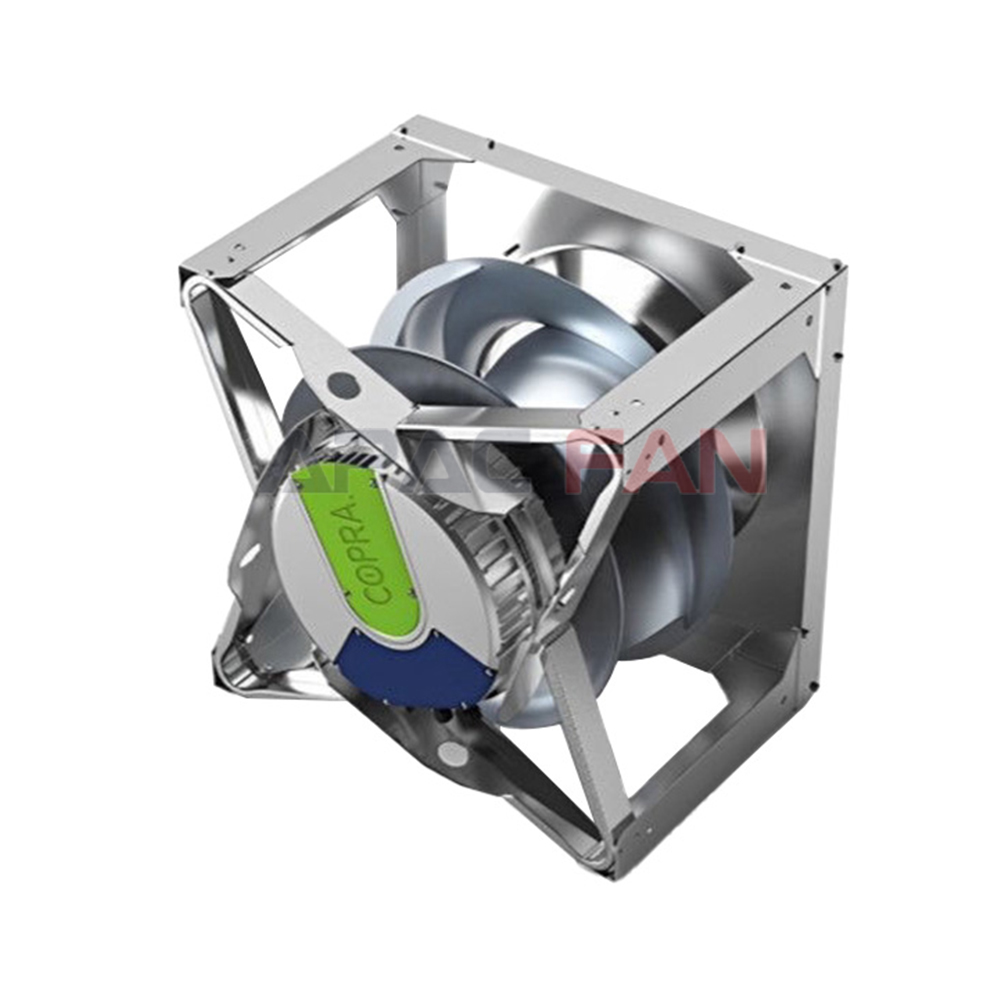
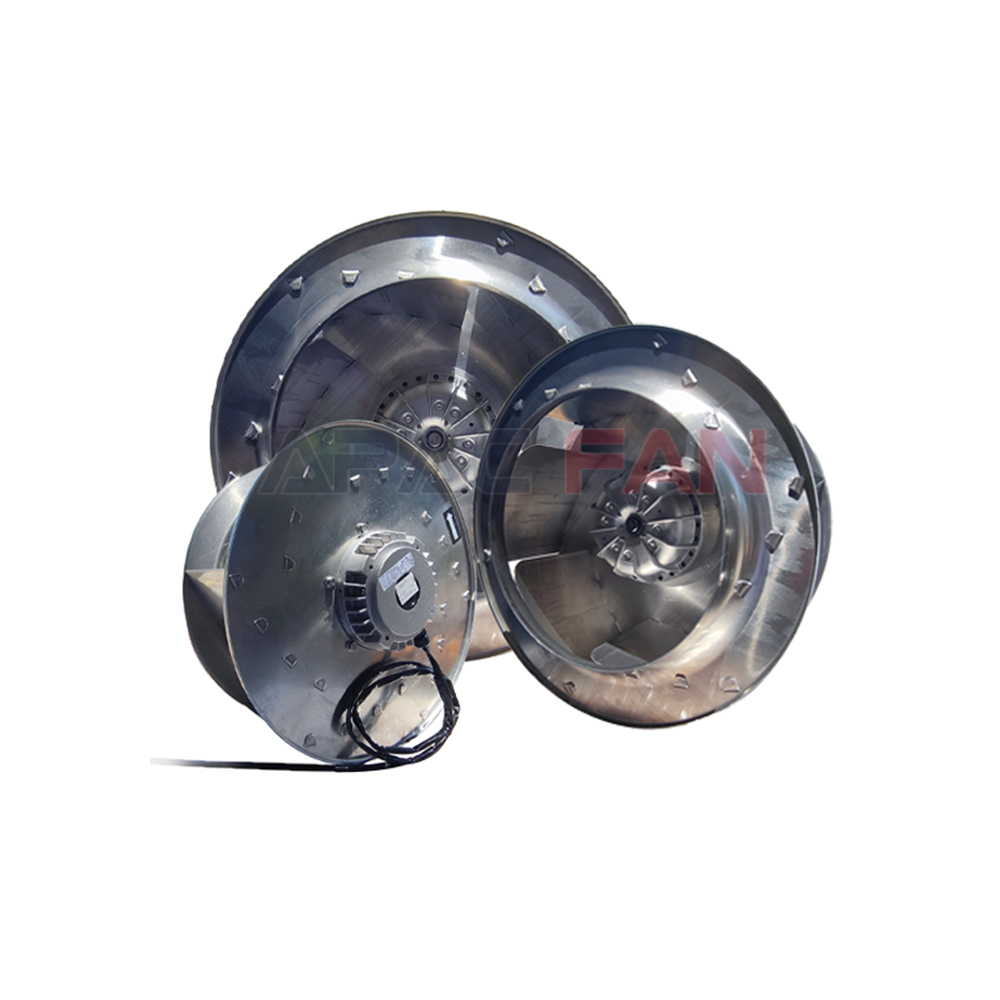
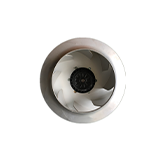
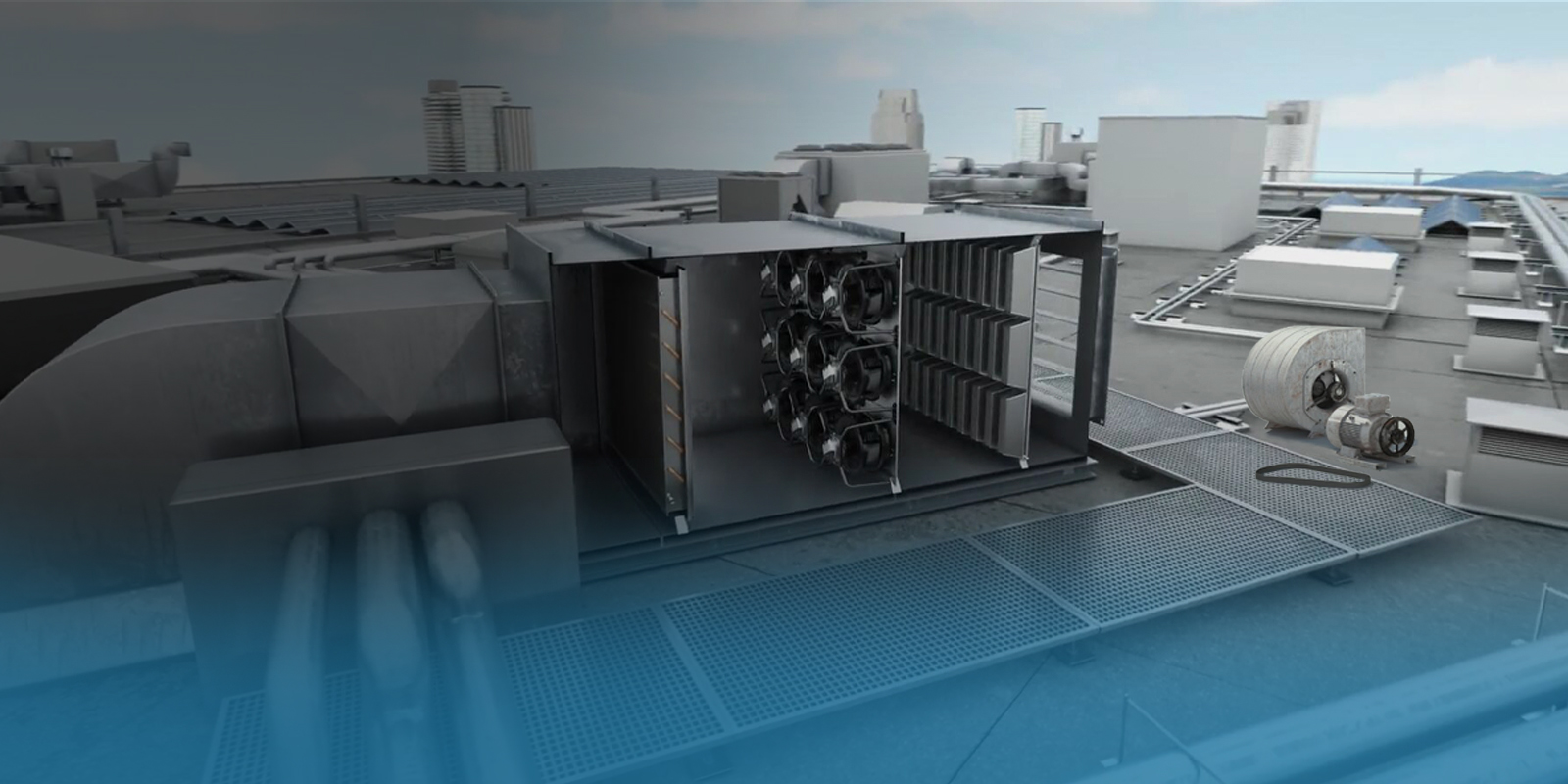
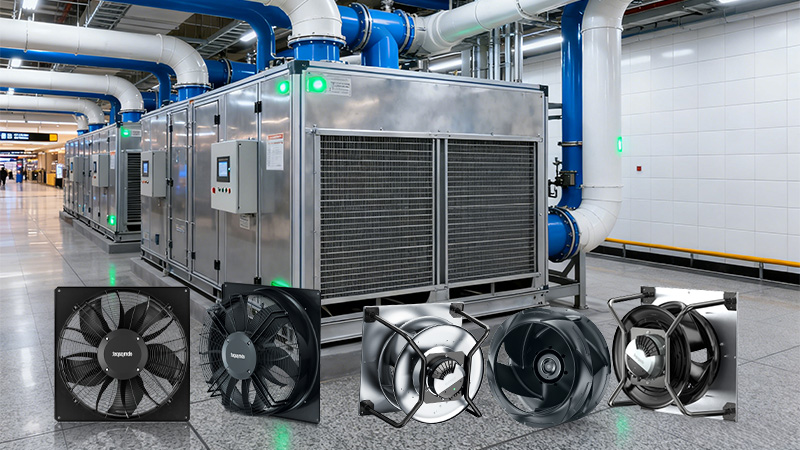
Multiple EC plug fans are frequently arranged as a fan wall or array inside a large AHU. The arrangement can distribute air more evenly across coils and filters, reduce the size of individual service components, and provide partial capacity if one fan is unavailable. Array control requires more than sending every fan the same percentage command. The controller should define staging, minimum stable speed, fault response, and how remaining fans share the load. Running all available fans at a lower speed may be efficient in some systems, while staging may be preferable under other conditions. Selection software and project-specific calculations should guide that decision rather than a universal rule.
Indoor Air Quality and Comfort Applications
Accurate airflow control helps an AHU maintain outdoor-air delivery, temperature control, humidity management, and building pressure. In offices, schools, hospitals, hotels, and retail facilities, ventilation demand changes with occupancy and schedule. EC fans can track those changes without forcing the unit to operate at one fixed duty. In clean spaces or laboratories, stable pressure relationships may be more important than simple temperature response. In humid climates, coordinated fan and coil control can support dehumidification by preventing uncontrolled airflow through the cooling coil. The fan remains only one part of the sequence, so its command must be coordinated with dampers, valves, heat recovery, terminal units, and safety interlocks.
Selection and System Effect
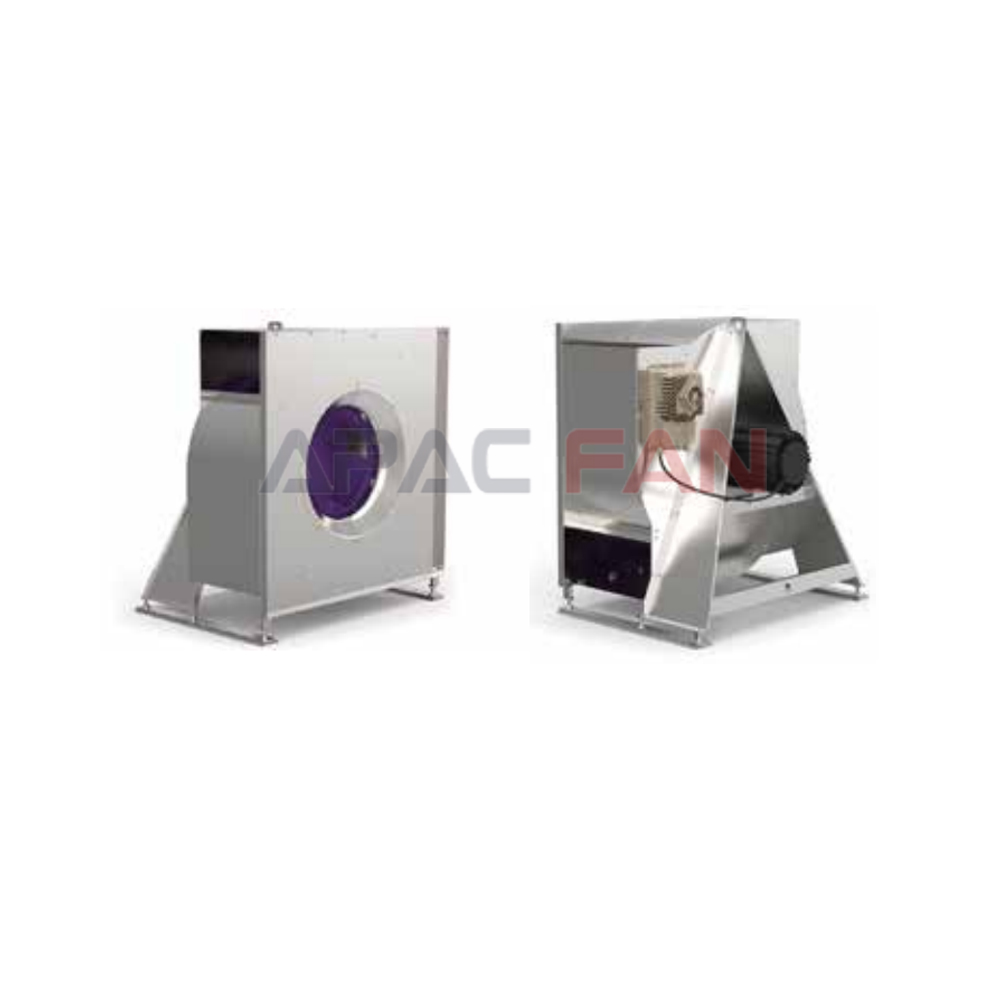
An efficient motor cannot compensate for a fan selected at an unsuitable point or installed in a restrictive cabinet. Selection should use the required airflow and total static pressure, including clean and dirty filter conditions, coils, dampers, silencers, heat-recovery devices, and external duct resistance. Designers should examine the complete operating range, not only a single design point. Inlet obstructions, abrupt transitions, uneven entry flow, and insufficient discharge space can increase noise and reduce realized performance. Where an array is used, spacing and blanking panels influence recirculation between fans. AHU manufacturers should therefore evaluate the fan within the cabinet rather than treating catalog data as a guarantee of assembled-unit performance.
Acoustic Considerations
Reducing speed can lower aerodynamic noise, but EC fans are not automatically silent. Sound depends on impeller type, tip speed, pressure duty, inflow quality, cabinet panels, vibration isolation, and the frequency content produced by both the fan and its electronics. A fan operating near an unstable region may create objectionable low-frequency fluctuations even if its overall sound-power value appears acceptable. Electronic switching can also introduce tonal components that require attention in sensitive spaces. Acoustic selection should consider octave-band data and the complete transmission path through casing, ducts, openings, and structure. Good control logic should avoid repeatedly crossing operating ranges associated with resonance or unstable airflow.
Commissioning and Maintenance
Commissioning should verify rotation, command scaling, airflow or pressure feedback, alarm reporting, and operation across the intended speed range. The measured system curve may differ from design assumptions, so setpoints should be adjusted using field data rather than left at conservative defaults. Maintenance typically includes keeping the impeller clean, checking fasteners and wiring, inspecting connectors, confirming unobstructed cooling, and reviewing fault history. Integrated electronics should be protected from condensation, excessive heat, corrosive contaminants, and inappropriate cleaning methods. Replacement planning matters because the motor and controller may be supplied as a matched assembly. Recording configuration data and product identifiers makes future service faster and reduces the risk of installing an incompatible substitute.
Where EC Fans Deliver the Most Value
EC fans are particularly attractive where operating hours are long, airflow varies, control accuracy matters, or compact fan arrays improve the AHU layout. They are used in comfort ventilation, data-center air handling, healthcare units, clean environments, retrofit fan walls, and packaged rooftop or indoor equipment. The business case should include more than motor efficiency: controls, installation, service access, redundancy, acoustics, and expected load profile all affect value. A well-designed EC application treats the fan as an active part of the air system. When selection, cabinet design, sensors, and control sequences are aligned, the technology can provide responsive airflow with practical energy and operational benefits.