

















 English
 Français
 Deutsch
 Português
 Español
 русский
  한국어
한국어 العربية
 Italiano
 Indonesia
 Schweiz
 Polski
 Nederlands
 ישראל - עברית
 Perzisch
 ไทย
ไทย 日本語
日本語 ኢትዮ-አማርኛ
 Việt Nam
 Kiswahili
 Srpski
 Ελληνικά
 繁體中文
繁體中文FanGrid Systems in Data Centers: Redundancy, Control, and Scalable Airflow
08/25/2026Why fan arrays fit data center risk profiles
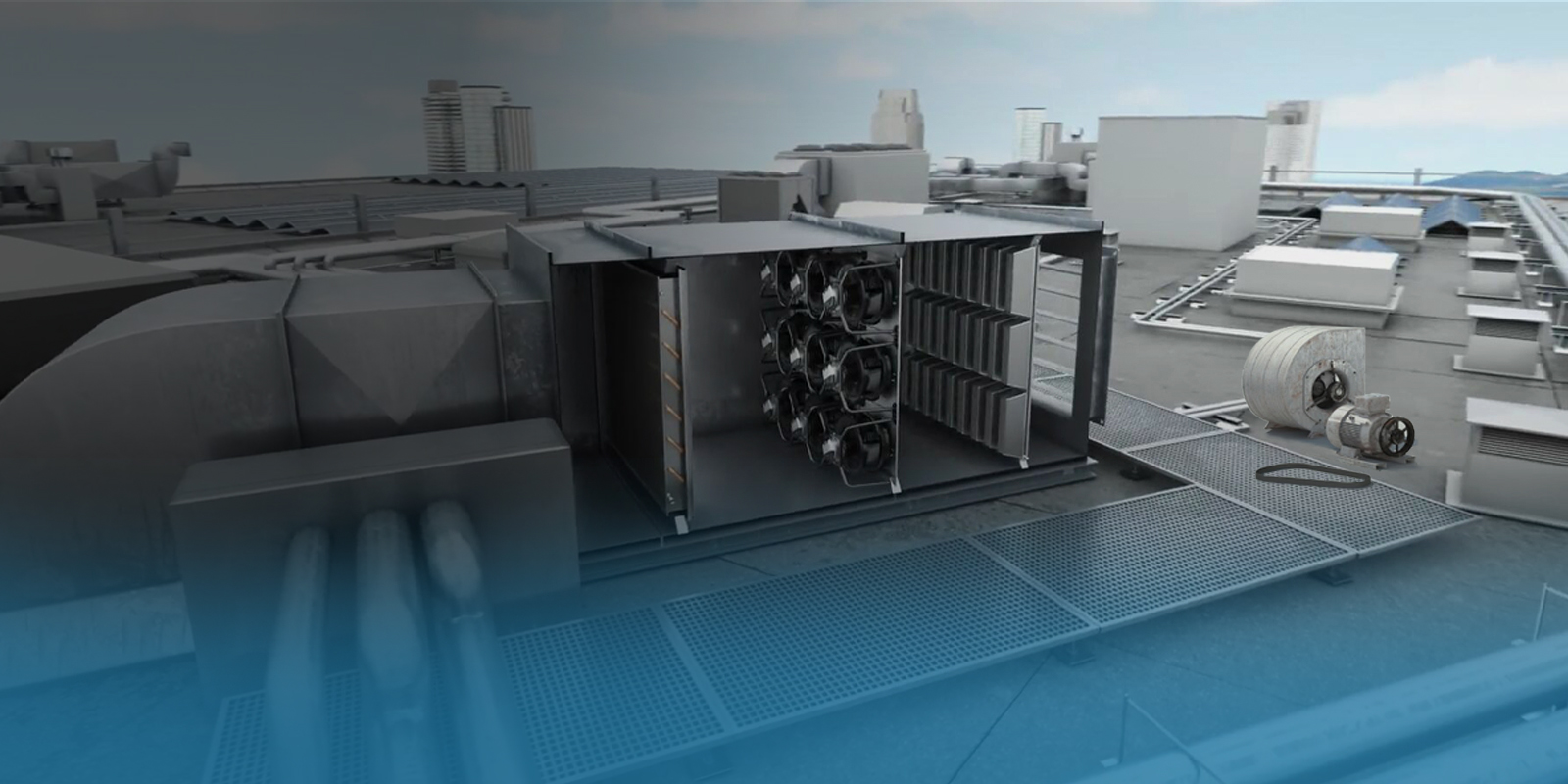
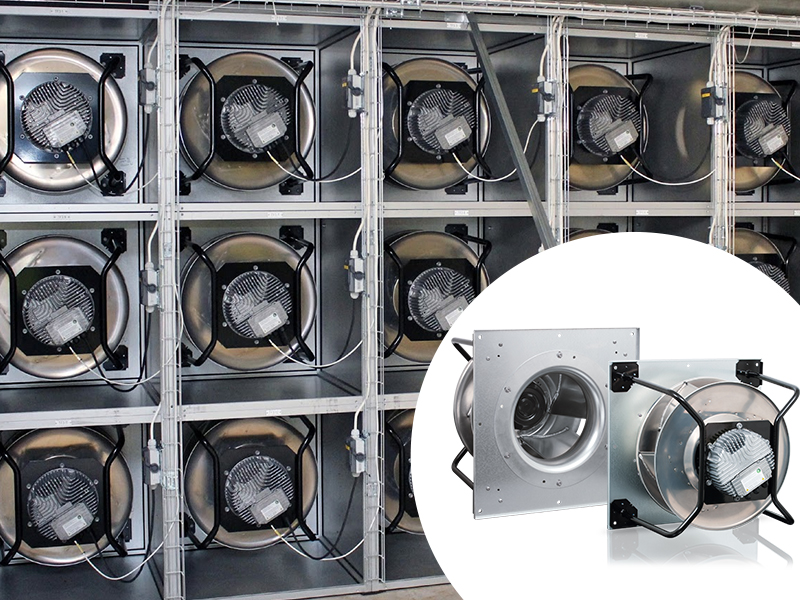
Data centers dislike single points of failure. That is one reason the FanGrid concept has become attractive in large air handling and precision cooling applications. Instead of depending on one large fan, a FanGrid places multiple smaller fans in parallel. If the design includes appropriate redundancy and controls, the remaining fans can continue to provide airflow when one module is stopped for service or unavailable.
ebm-papst official FanGrid materials describe this parallel arrangement as a way to provide redundancy and fail-safe operation. The same materials also emphasize that multiple adjustable fans can adapt more easily to the air performance actually required. This matters in data centers because cooling demand changes by time of day, IT utilization, outdoor conditions, filter loading, and maintenance state.
Air distribution is as important as total airflow
A common mistake is to look only at total cubic feet per minute or cubic meters per hour. In data center equipment, airflow uniformity can be just as important. A single large fan may create uneven velocity patterns through a coil, filter bank, or discharge plenum. Uneven flow can reduce heat exchanger effectiveness and create local hot spots even when the calculated airflow number seems adequate.
FanGrid arrangements can help distribute air across a broader face area. ebm-papst magazine material notes that FanGrids can improve air distribution and support more even airflow through upstream or downstream components such as filters or heat exchangers. That does not remove the need for careful plenum design, but it gives designers another practical tool for smoothing the air path.
Control advantages at partial load
Data center cooling systems rarely need their theoretical maximum fan output all the time. A FanGrid can stage and modulate several fans so that the system operates closer to demand. In many designs, running multiple fans at reduced speed can be more favorable than forcing a single fan to cover the entire operating range. The benefit depends on the fan curve, system curve, controls, and the actual operating hours at each load point.
The control question should be asked early. Will the fans respond to static pressure, temperature, valve position, IT load, or a combination of signals? Will the building management system monitor each fan or only the group? How will the system react to a failed module? These questions are not details to leave until commissioning. They shape whether the FanGrid behaves like an intelligent array or merely a set of fans mounted in the same wall.
Products and application notes from ebm-papst
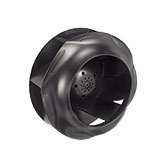
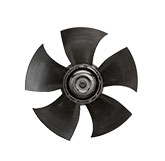
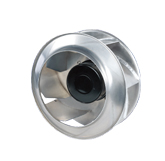
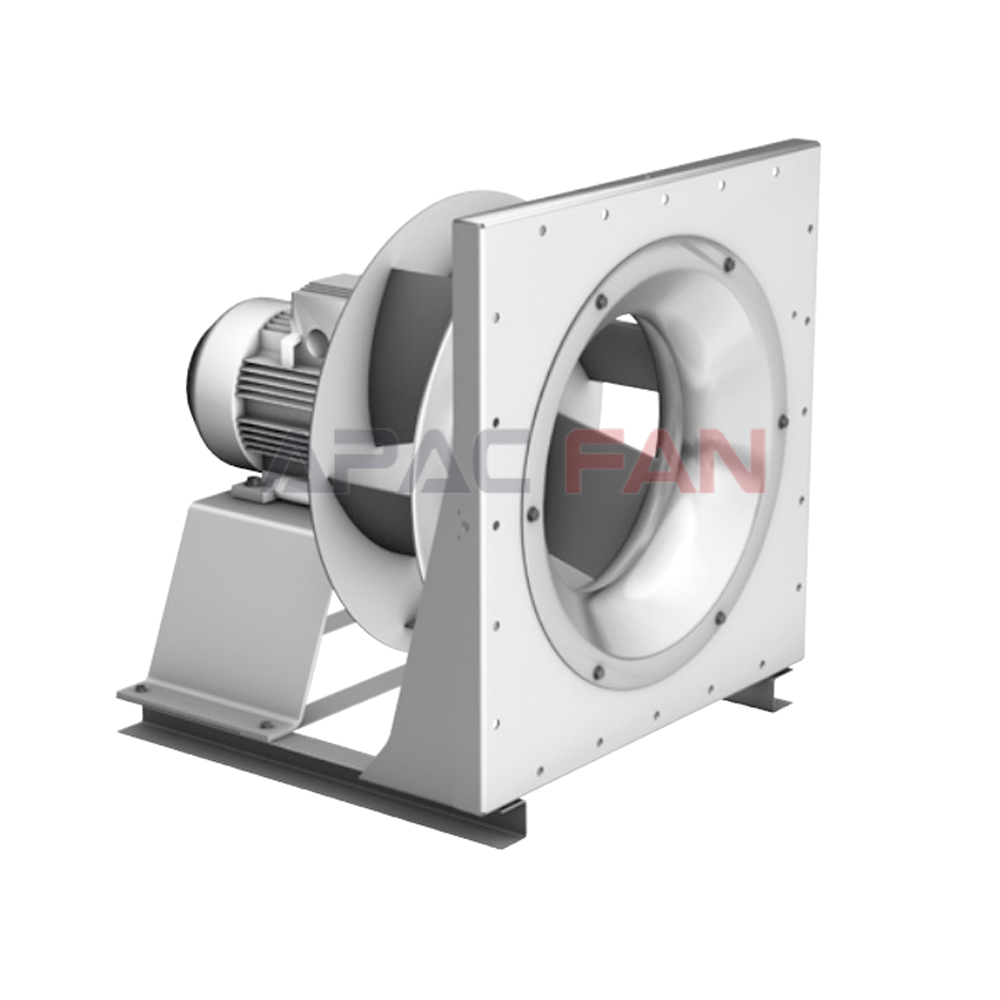
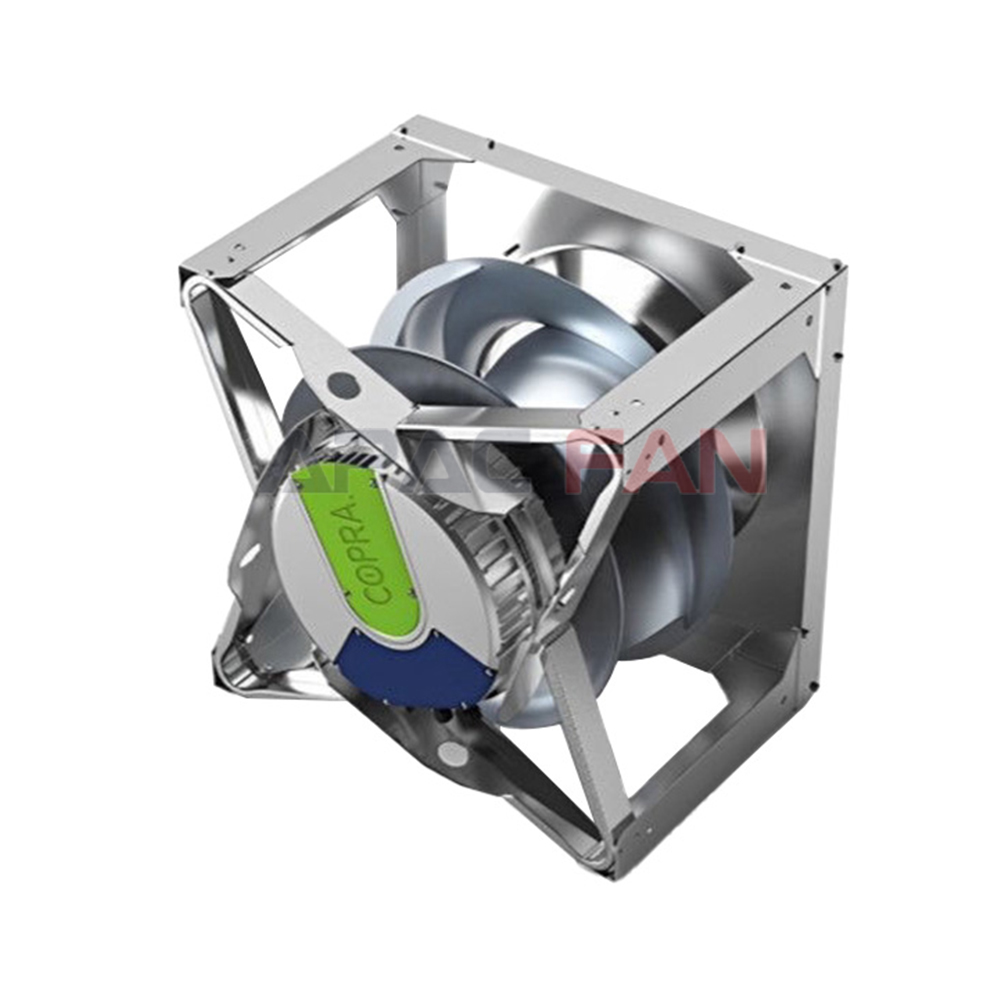
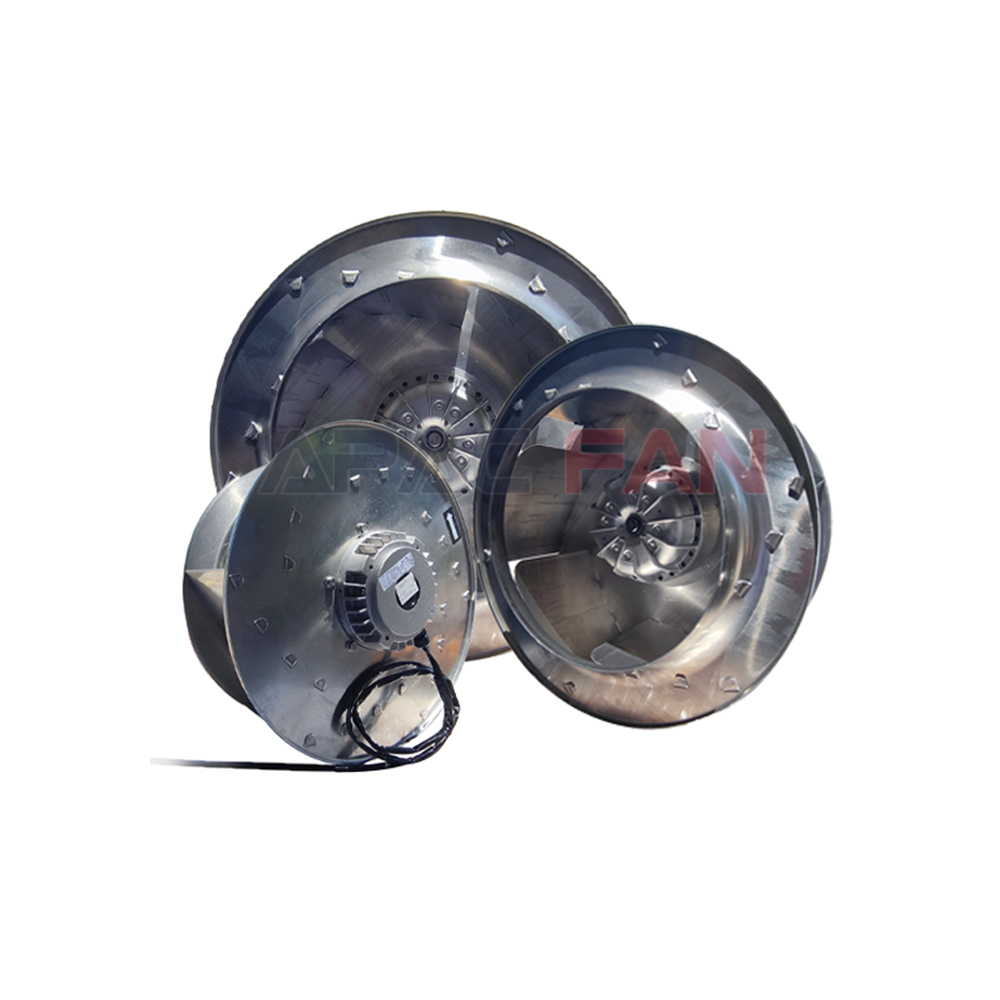
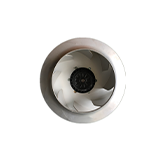
ebm-papst lists RadiPac for FanGrids as ready-to-install modules developed for FanGrid networks, with references to redundant operation and easy replacement. Its FanGrid page identifies products such as RadiPac, RadiCal, AxiBlade, and axial fans with integrated diffuser as suitable product directions for FanGrid applications. These official statements support the general idea that FanGrid design can be built from different fan technologies depending on duty point and geometry.
The important limitation is that product family names are not a substitute for sizing. A FanGrid for a data center AHU should be selected from actual operating points, pressure requirements, installation dimensions, redundancy targets, and service expectations. ebm-papst also provides fan selection support and references tools such as FanScout, but any final selection should be verified with current manufacturer data and project-specific conditions.
Serviceability and lifecycle thinking
The best FanGrid designs think beyond day-one performance. Data centers operate continuously, and filters, coils, dampers, and sensors drift over time. Fan modules should be accessible from a safe service side. Wiring should be clear. Controls should identify individual fan status. Replacement procedures should be practical for technicians working under uptime pressure, not just theoretically possible in a catalog.
Lifecycle value also includes acoustic behavior and maintenance planning. Multiple smaller fans can reduce some practical service burdens, but poor control tuning can create hunting, resonance, or unnecessary sound. ebm-papst materials discuss features such as resonance detection in RadiPac generations, which illustrates why fan behavior across the speed range matters. In a data center, the FanGrid is not only an airflow source. It is a maintainable, controllable subsystem that must protect IT load for years.
Application perspective
FanGrid planning should include operating hours, not just peak duty. A data hall may be sized for a maximum future IT load, but it may operate for long periods below that point. If all fan selections are optimized only for the rare maximum case, the array may spend most of its life away from its best operating region. ebm-papst materials about FanScout mention operating states and operating hours in the context of FanGrid selection, which is a useful reminder that lifecycle performance is duty-profile dependent.
Backflow deserves attention as well. If one fan in an array stops, air can sometimes pass through the inactive opening instead of through the intended system path. Depending on the design, this can reduce effective airflow and create local inefficiency. A complete FanGrid design therefore considers isolation, control response, and how the remaining fans compensate. Redundancy is strongest when the physical arrangement, controls, and maintenance process are designed as one system.
The physical layout of the array also affects service behavior. A FanGrid mounted behind a tight access panel may be theoretically modular but practically awkward. If technicians need unusual lifting tools or must remove adjacent components to reach one module, the uptime value of modularity is reduced. Good content should therefore connect FanGrid benefits to the maintenance envelope, the clearances around the air handler, the labeling of individual modules, and the way alarms identify the exact fan needing attention.
FAQ
Q: What is a FanGrid?
A: A FanGrid is a fan arrangement where multiple smaller fans operate in parallel instead of relying on one large fan. ebm-papst official materials describe this concept as a way to support redundancy and adjustable air performance.
Q: Why use several fans instead of one large fan?
A: Several fans can improve redundancy, make service easier, support flexible control, and create more even airflow through adjacent components such as coils and filters when the system is designed properly.
Q: Does a FanGrid always save energy?
A: Not automatically. Energy performance depends on fan selection, operating points, controls, pressure losses, commissioning, and how often the system operates at each load condition.
Q: Can FanGrids be used in data center AHUs?
A: Yes. ebm-papst materials describe FanGrids as relevant for high air performance applications and data center/server room contexts, including use with RadiPac modules.
Q: What should engineers verify before specifying a FanGrid?
A: They should verify total airflow, static pressure, redundancy needs, backflow behavior, controls, access space, acoustic targets, and integration with the building management system.