









 English
 Français
 Deutsch
 Português
 Español
 русский
  한국어
한국어 العربية
 Italiano
 Indonesia
 Schweiz
 Polski
 Nederlands
 ישראל - עברית
 Perzisch
 ไทย
ไทย 日本語
日本語 ኢትዮ-አማርኛ
 Việt Nam
 Kiswahili
 Srpski
 Ελληνικά
 繁體中文
繁體中文Reducing Fan Energy in Data Centers Without Compromising Uptime
09/04/2026Efficiency must start with reliability
Reducing data center fan energy is a worthy goal, but it must be approached in the correct order. Uptime comes first. A fan energy project that creates unstable rack inlet temperatures, nuisance alarms, or reduced maintenance safety is not successful even if the power meter improves temporarily. The goal is controlled reduction, not blind reduction.
The safest path begins with understanding where airflow is wasted. Many data centers move more air than the IT equipment can use because bypass paths, missing blanking panels, unsealed cable openings, poor containment, or pressure imbalance allow cold air to return without passing through servers. In that case, reducing fan speed before fixing the air path can expose hot spots. Fixing the air path first often allows the same or better thermal protection with less airflow.
Fan laws and practical caution
It is common to hear that fan power can fall dramatically when speed is reduced. The general relationship is useful, but real data centers are more complicated. Controls, minimum speeds, pressure setpoints, filter loading, coils, redundancy, and room leakage all influence the actual result. Engineers should use measured data rather than slogans.
A good energy project measures rack inlet temperatures, fan speeds, static pressure, cooling unit behavior, and alarms before changes are made. It then changes one thing at a time where possible. If containment is improved, fan setpoints may be adjusted gradually while temperature data is watched. If filters are replaced, pressure requirements may fall. If an EC fan retrofit is completed, the new control sequence should be commissioned rather than assumed.
Technology options from ebm-papst context
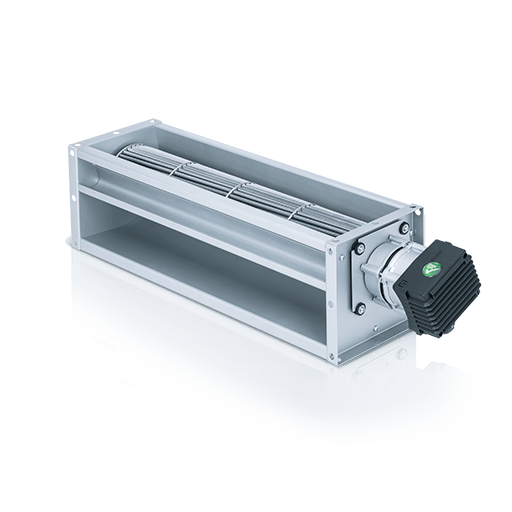
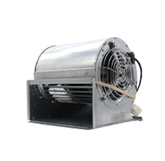
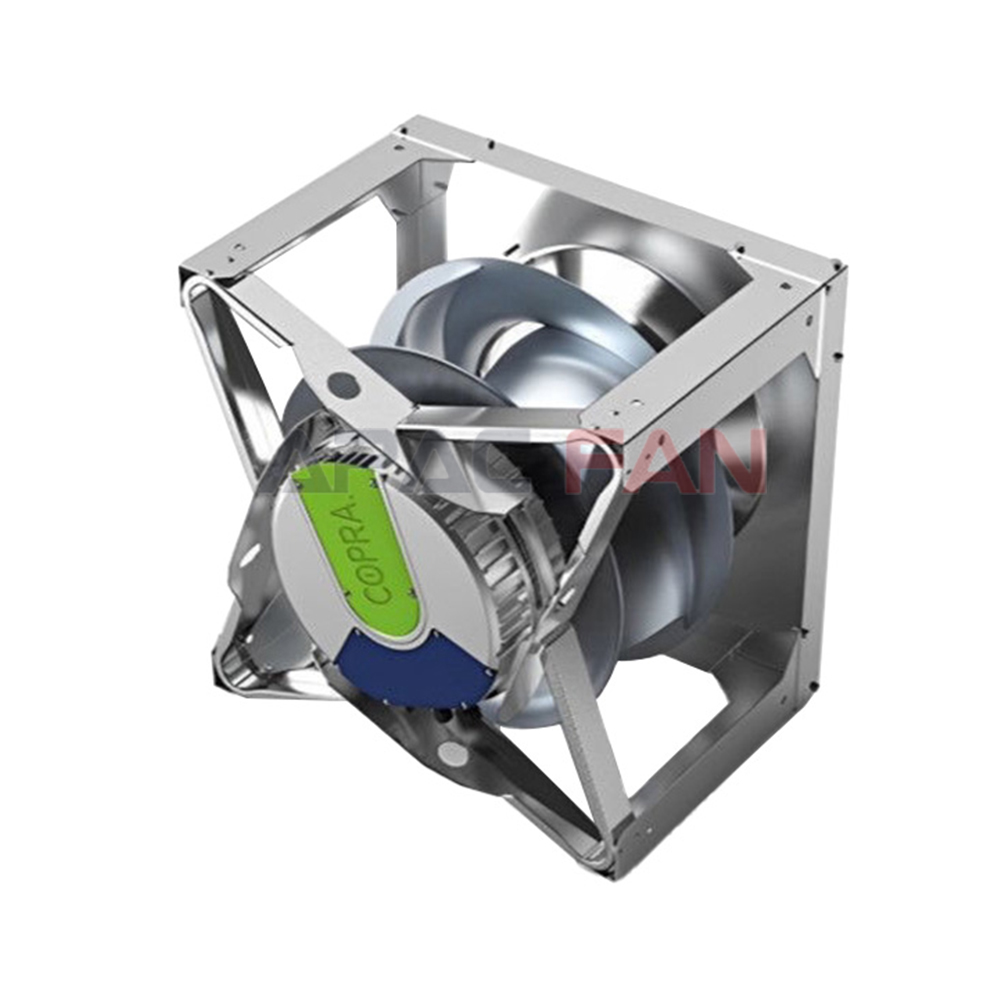
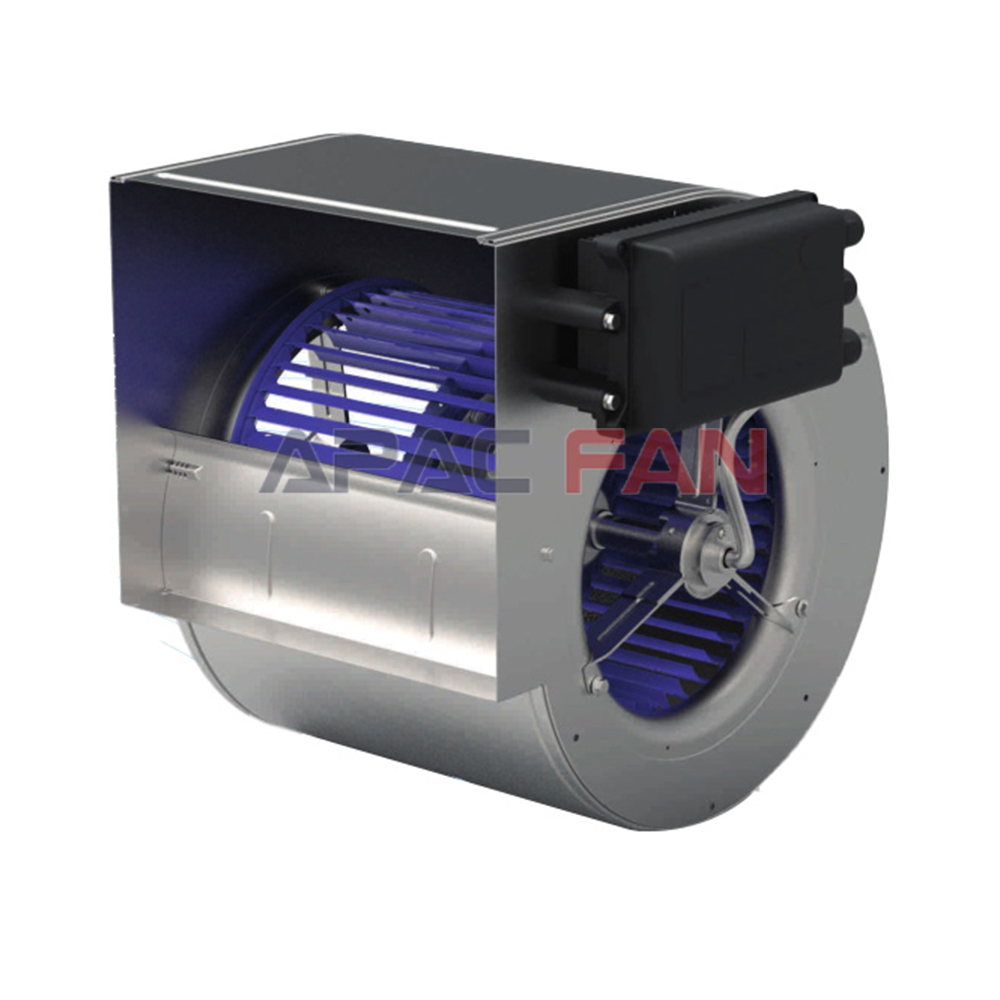
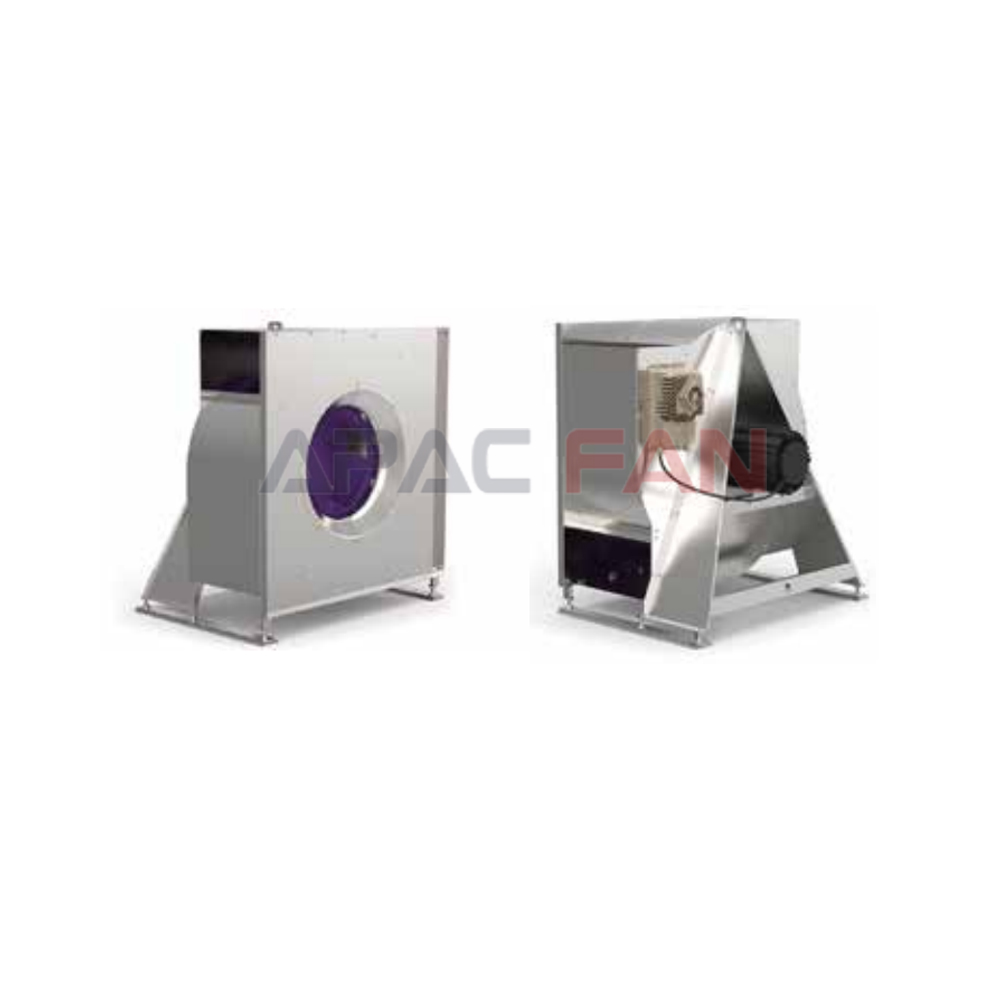
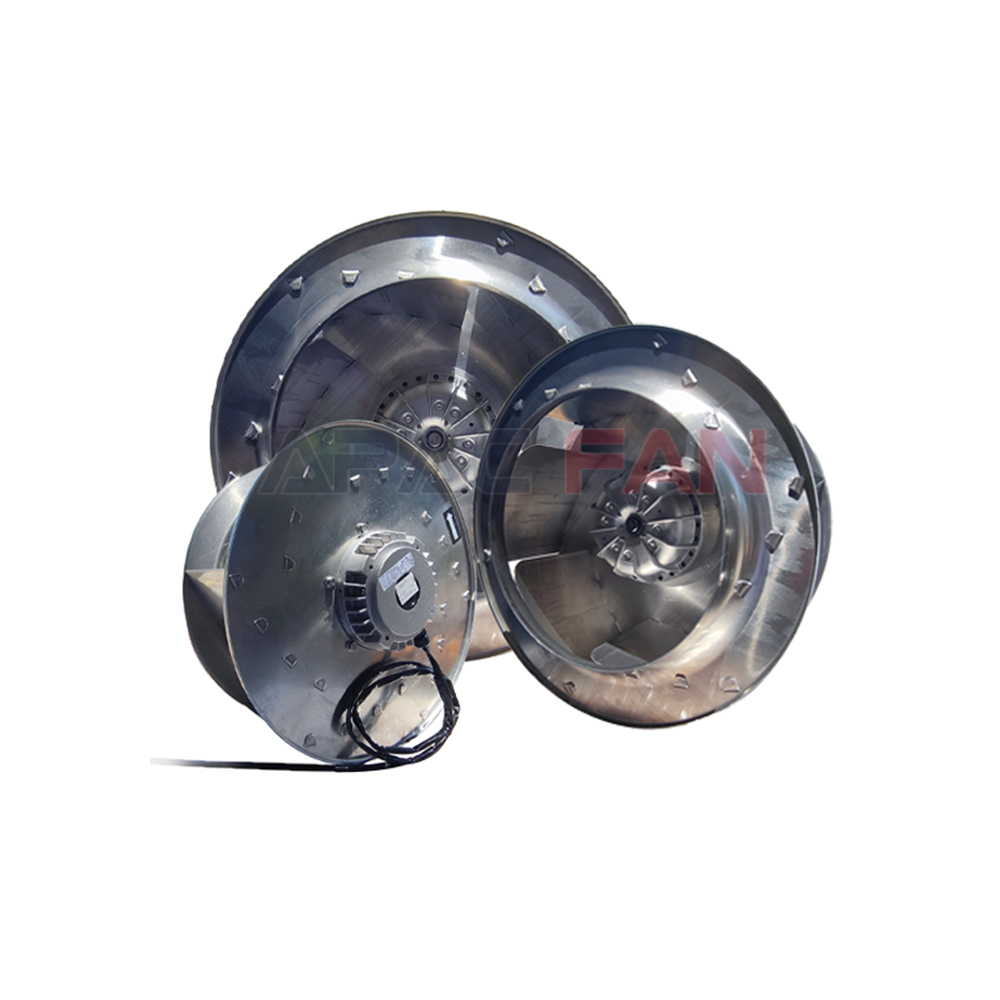
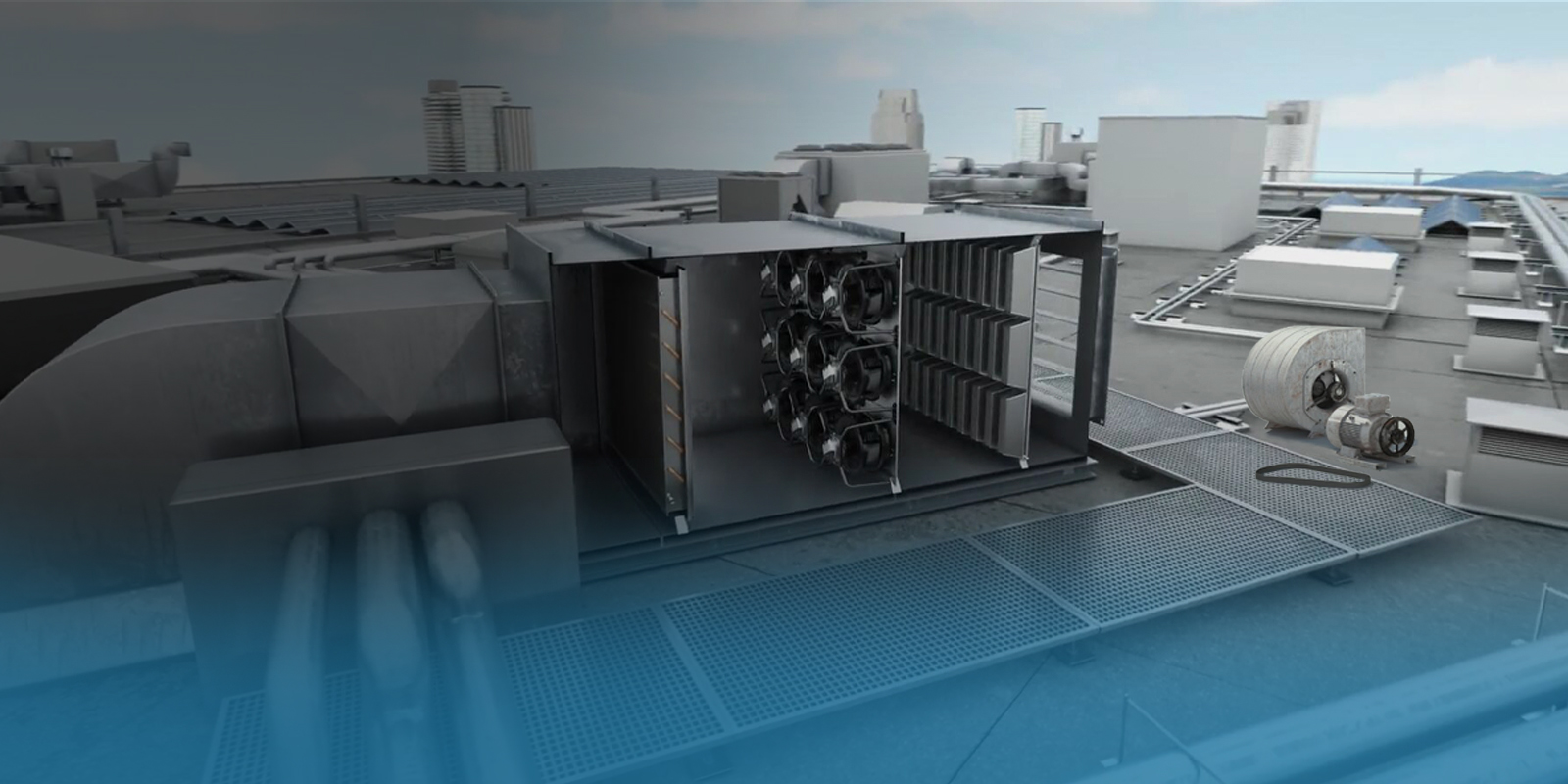
ebm-papst official materials identify several efficiency-related attributes relevant to data centers. Its data center AHU page emphasizes efficient, individually controllable devices that adapt to actual thermal load. Its centrifugal fan materials describe EC technology and integrated electronics. Its FanGrid page describes multiple adjustable fans operating in parallel and adapting to required air performance. These points are consistent with mainstream fan energy reduction strategies: control the airflow, reduce wasted pressure, and match output to demand.
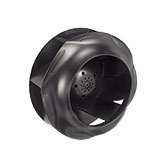
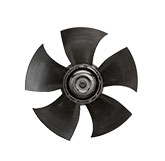
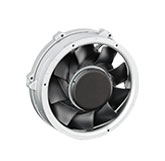
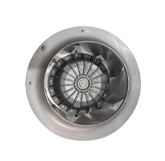
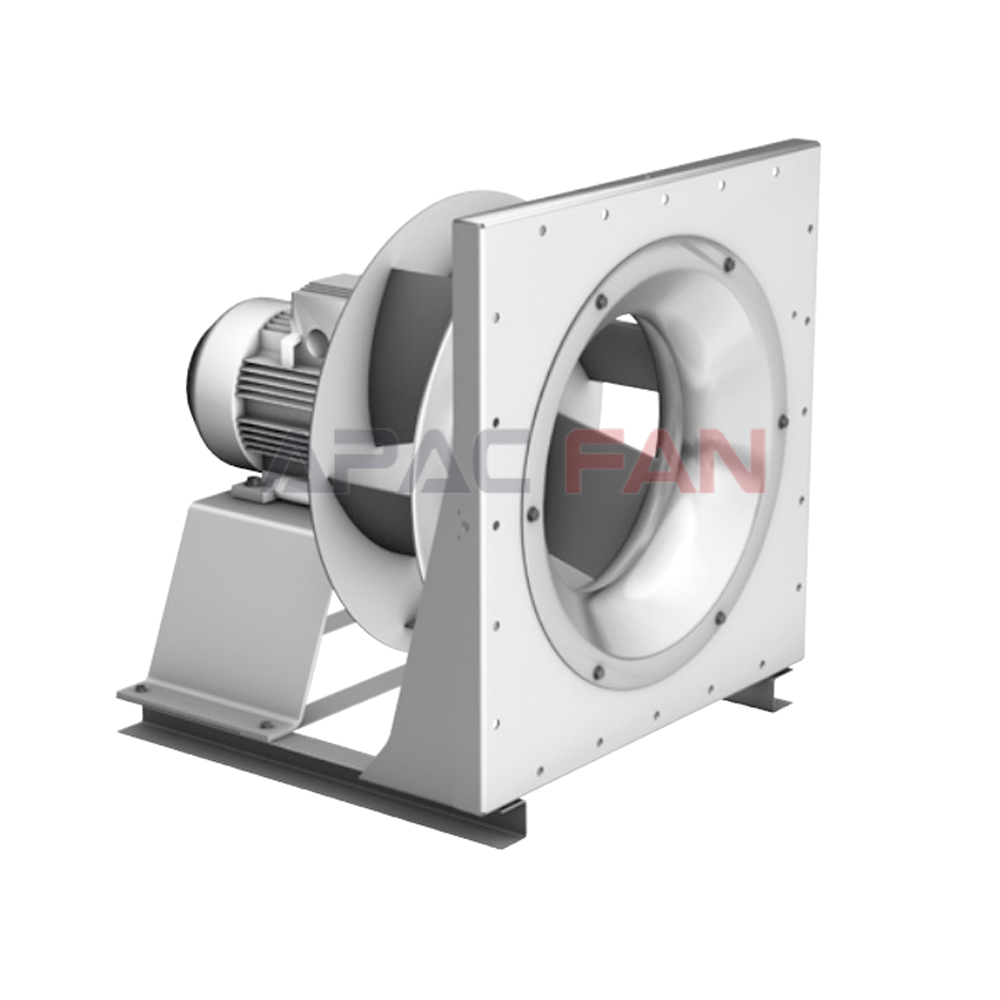
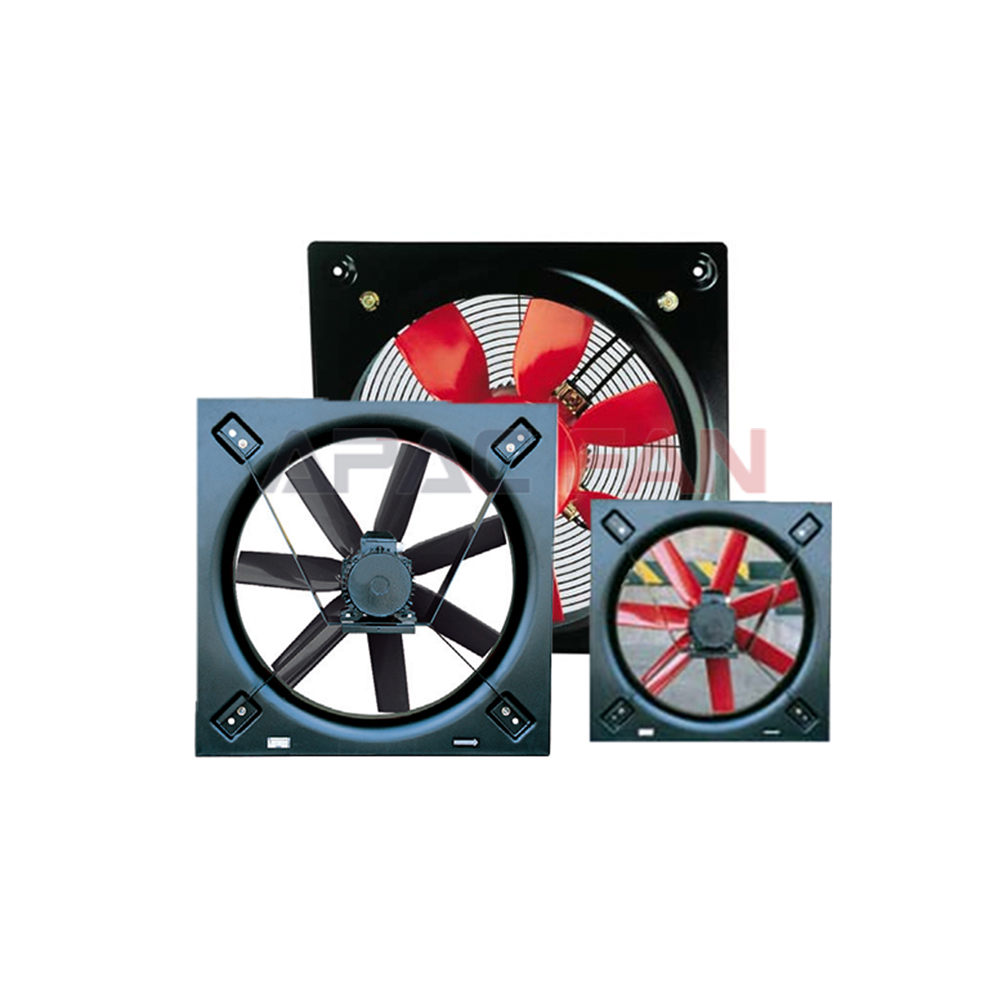
RadiPac and RadiCal product families are commonly discussed in ebm-papst literature for HVAC and data center-related applications, while AxiEco 200 is positioned for pressure-demanding compact contexts. However, brand names should not replace engineering analysis. The energy outcome depends on the installed system. An efficient fan in a restrictive or leaking system can still waste energy. A well-controlled fan in a clean, sealed air path is much more likely to perform as intended.
Maintenance as an energy measure
Maintenance is often underestimated in fan energy discussions. Dirty filters increase pressure drop. Blocked coils reduce heat transfer. Damaged seals create bypass. Loose panels change airflow paths. Sensor drift pushes controls toward unnecessary safety margins. Each small issue can make fans work harder than expected. A data center may then increase speed or lower supply temperature to compensate, adding energy cost without solving the underlying problem.
A practical fan energy program should include filter pressure trending, coil inspection, containment audits, sensor calibration, fan alarm review, and periodic control tuning. It should also review fan runtime and speed trends. If a fan or group of fans runs near maximum speed all the time, the cause may be load growth, poor airflow path, incorrect setpoint, failing component, or undersized equipment. The trend is a clue, not the answer by itself.
Balancing savings and resilience
The most mature facilities define boundaries before optimizing. They know the maximum acceptable rack inlet temperature, alarm thresholds, redundancy requirements, and recovery strategy. They understand how the system behaves when a fan fails, a door opens, a filter loads, or an IT cluster ramps suddenly. Within those boundaries, fan energy can often be reduced thoughtfully.
The best result is not the lowest possible fan speed. It is the lowest responsible fan energy that maintains stable thermal conditions and service resilience. Data centers that combine airflow discipline, controllable fan technology, careful commissioning, and ongoing maintenance can reduce waste without turning cooling into a gamble.
Application perspective
One practical method is to create a fan energy change log. Each time containment, filters, coils, setpoints, fan modules, or controls are changed, record the before-and-after speed, temperature, and alarm behavior. Over months, this log becomes more useful than isolated snapshots. It helps operators distinguish real improvement from seasonal variation or temporary load changes.
Another method is to treat fan energy as a shared metric rather than a facilities-only metric. IT placement, rack blanking, cable routing, and server refresh decisions all affect airflow. When IT and facilities teams review thermal trends together, fan energy reductions are more likely to be safe. The cooling system protects the IT load, but the IT layout also shapes the cooling requirement.
A staged implementation plan is safer than a dramatic overnight change. Operators can start with one zone, verify rack inlet stability, review fan speed trends, and then expand to similar areas. This approach builds confidence and creates a record of what worked. It also prevents one local airflow issue from being hidden inside an all-room average, which is important because data centers fail at the hot spot, not at the average.
The reporting language should be conservative. Instead of promising a universal percentage reduction, a credible article explains the mechanisms that may reduce energy: lower pressure loss, reduced bypass airflow, variable-speed control, cleaner filters, and better setpoints. That kind of explanation is safer, more accurate, and more useful to technical buyers.
FAQ
Q: Why is fan energy important in data centers?
A: Fans run for many hours and may be installed in large numbers. Unnecessary airflow and pressure can therefore create avoidable operating cost.
Q: What is the safest first step to reduce fan energy?
A: Improve airflow management before lowering fan speeds. Seal bypass paths, install blanking panels, manage cable openings, and verify rack inlet temperatures.
Q: Can EC fans reduce energy use?
A: They can help by enabling efficient variable-speed operation, but savings depend on controls, operating points, system pressure, and commissioning.
Q: Do FanGrids help with energy efficiency?
A: They can support adjustable airflow and partial-load operation when correctly designed, but they must be sized and controlled for actual duty profiles.
Q: What should never be sacrificed?
A: Rack inlet reliability, equipment alarms, redundancy requirements, and safe maintenance access should not be sacrificed for fan energy reduction.