














 English
 Français
 Deutsch
 Português
 Español
 русский
  한국어
한국어 العربية
 Italiano
 Indonesia
 Schweiz
 Polski
 Nederlands
 ישראל - עברית
 Perzisch
 ไทย
ไทย 日本語
日本語 ኢትዮ-አማርኛ
 Việt Nam
 Kiswahili
 Srpski
 Ελληνικά
 繁體中文
繁體中文Cooling Tower Fans and the Role of Airflow in Heat Rejection
09/21/2026Why airflow matters in a cooling tower
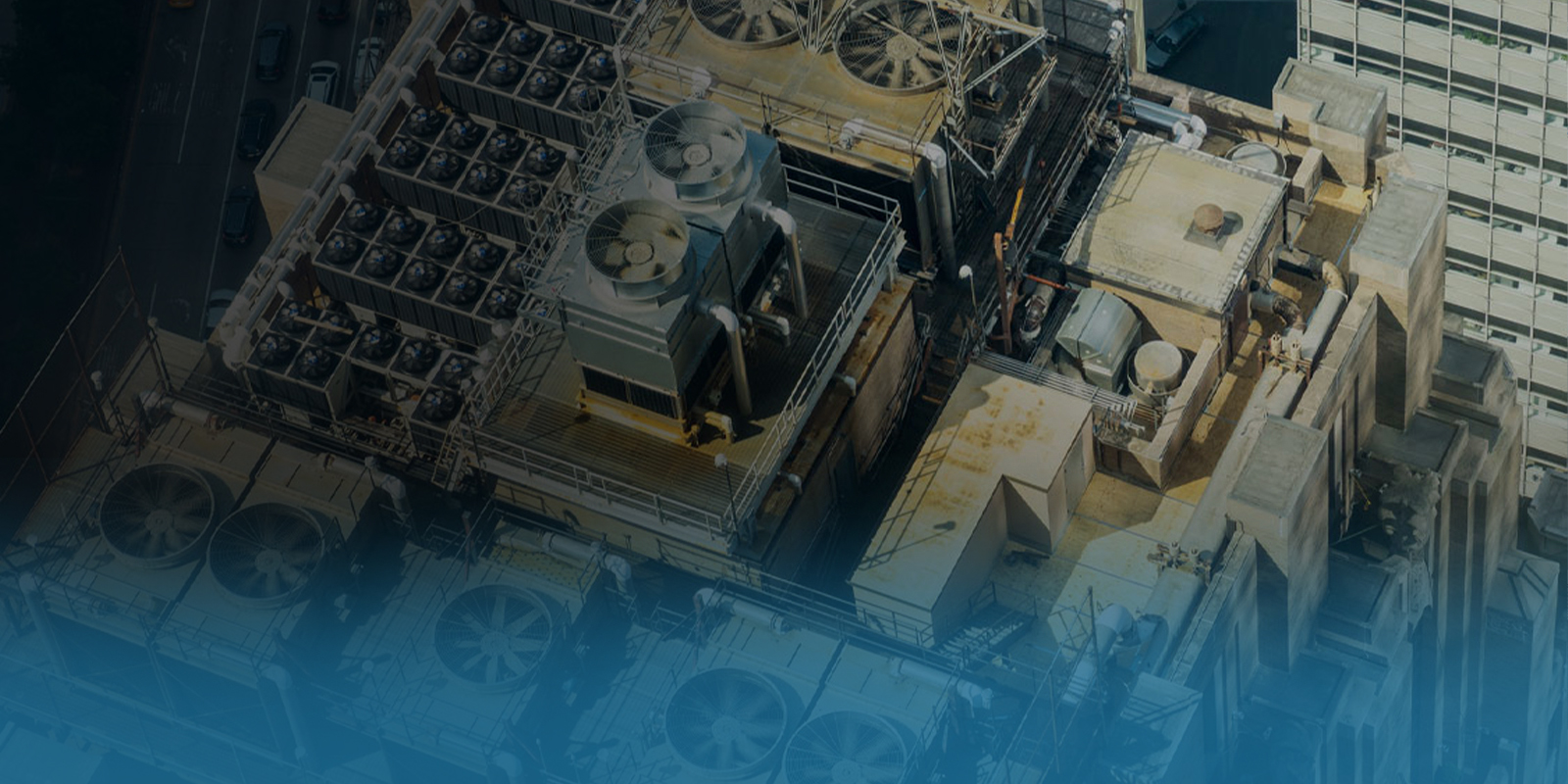
A cooling tower rejects heat by bringing warm circulating water into contact with moving air. A small portion of the water evaporates, and the evaporation removes heat from the remaining water. The fan does not cool the water directly. Its job is to establish the airflow that allows heat and mass transfer to continue across the fill and within the open air passages of the tower. When airflow falls below the design requirement, the tower may return warmer water to the condenser or process equipment even if pumps and water distribution remain in operation.
How mechanical draft creates a controlled air path
Mechanical-draft towers use one or more fans to move air through the tower. In an induced-draft arrangement, the fan is normally located at the air outlet and draws air through the inlet, fill, drift eliminators, and discharge section. In a forced-draft arrangement, the fan pushes air into the tower from the inlet side. Both arrangements depend on a clear, controlled air path. Blocked louvers, fouled fill, damaged eliminators, poor discharge geometry, or air recirculation can increase resistance and reduce the useful airflow delivered by the fan.
Airflow through the fill
Fill increases the contact area between water and air. Film fill spreads water into thin films, while splash fill breaks the water into droplets. The fan must move enough air through this wetted section to carry away warm, moisture-laden air. The required operating point is therefore defined by both airflow and pressure. Selecting a fan only from a nominal free-air volume can produce disappointing results because the installed tower imposes resistance that the fan must overcome.
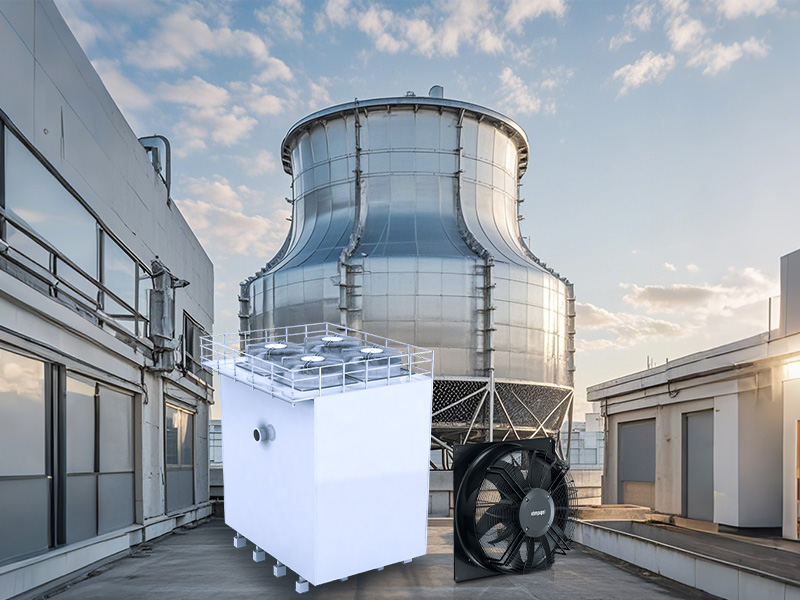
Airflow and approach temperature
Cooling-tower performance is often discussed in terms of range and approach. Range is the difference between the hot-water inlet and cold-water outlet temperatures. Approach is the difference between the cold-water outlet temperature and the entering-air wet-bulb temperature. Increasing airflow can improve heat rejection within the limits of the tower design, but the result is not unlimited. Fill condition, water flow, ambient humidity, distribution quality, and tower size also constrain performance. Fan selection should therefore support the specified thermal duty rather than chase the highest available airflow.
Fan types used in cooling towers
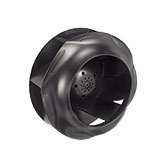
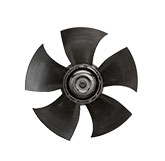
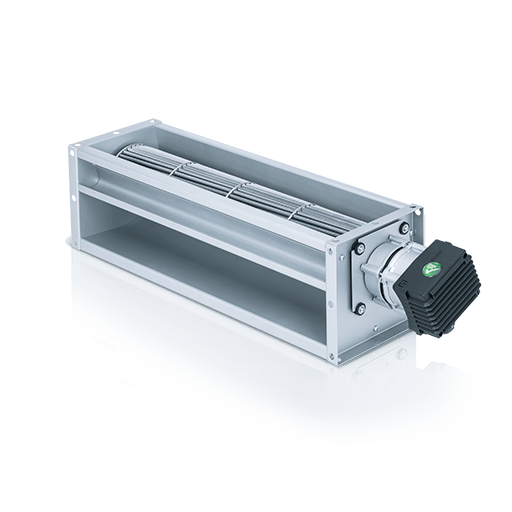
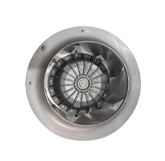
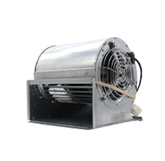
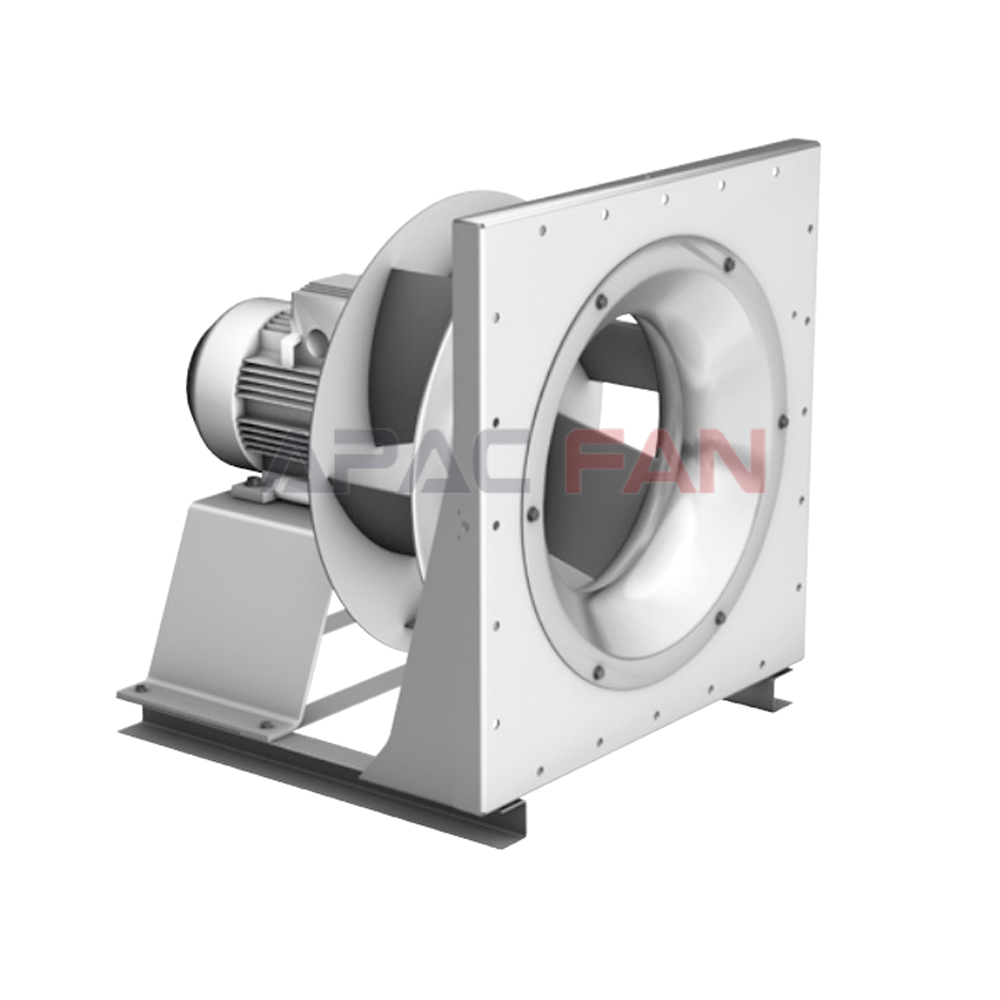
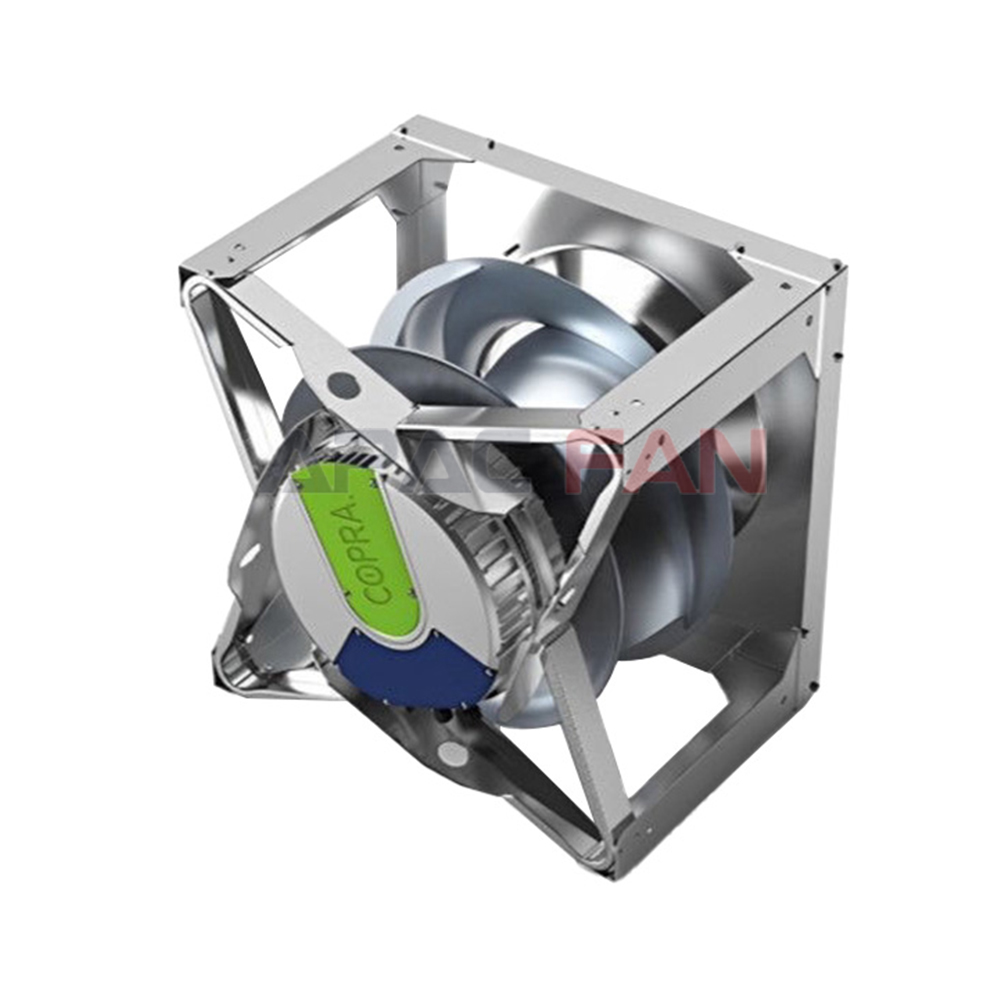
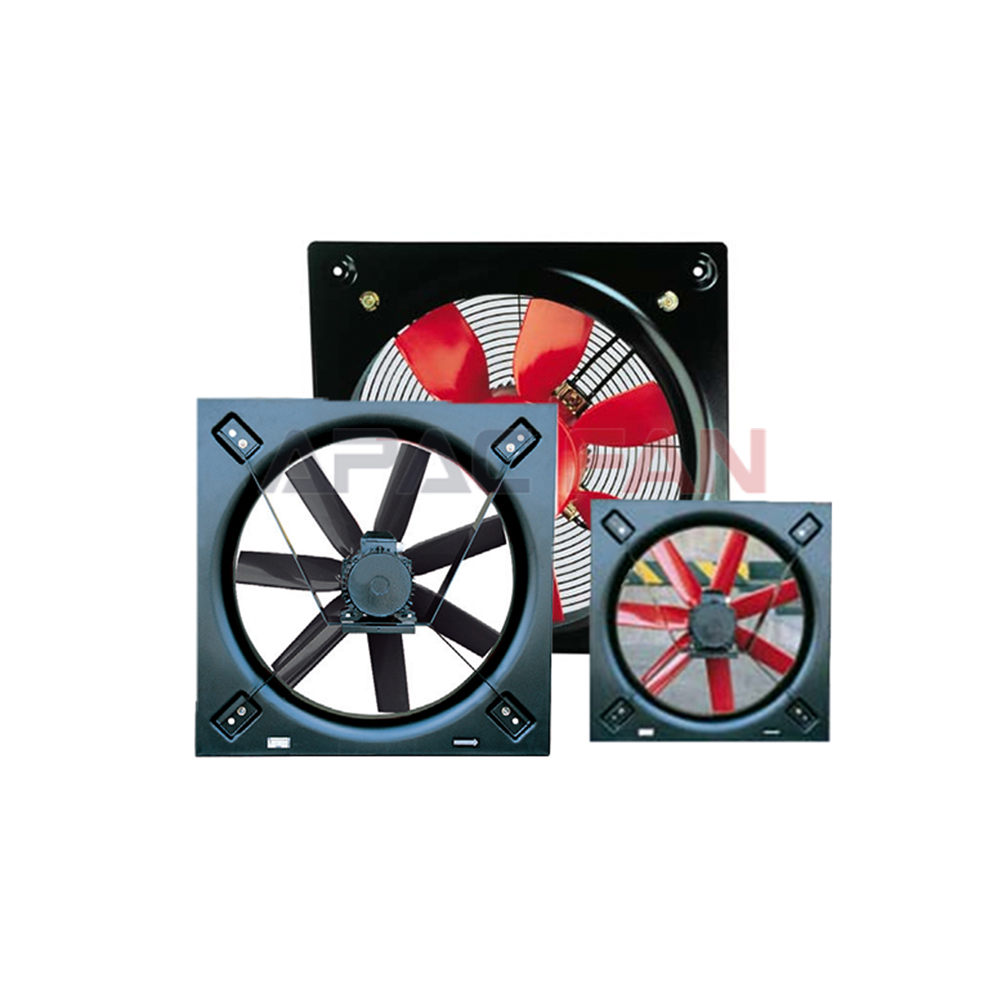
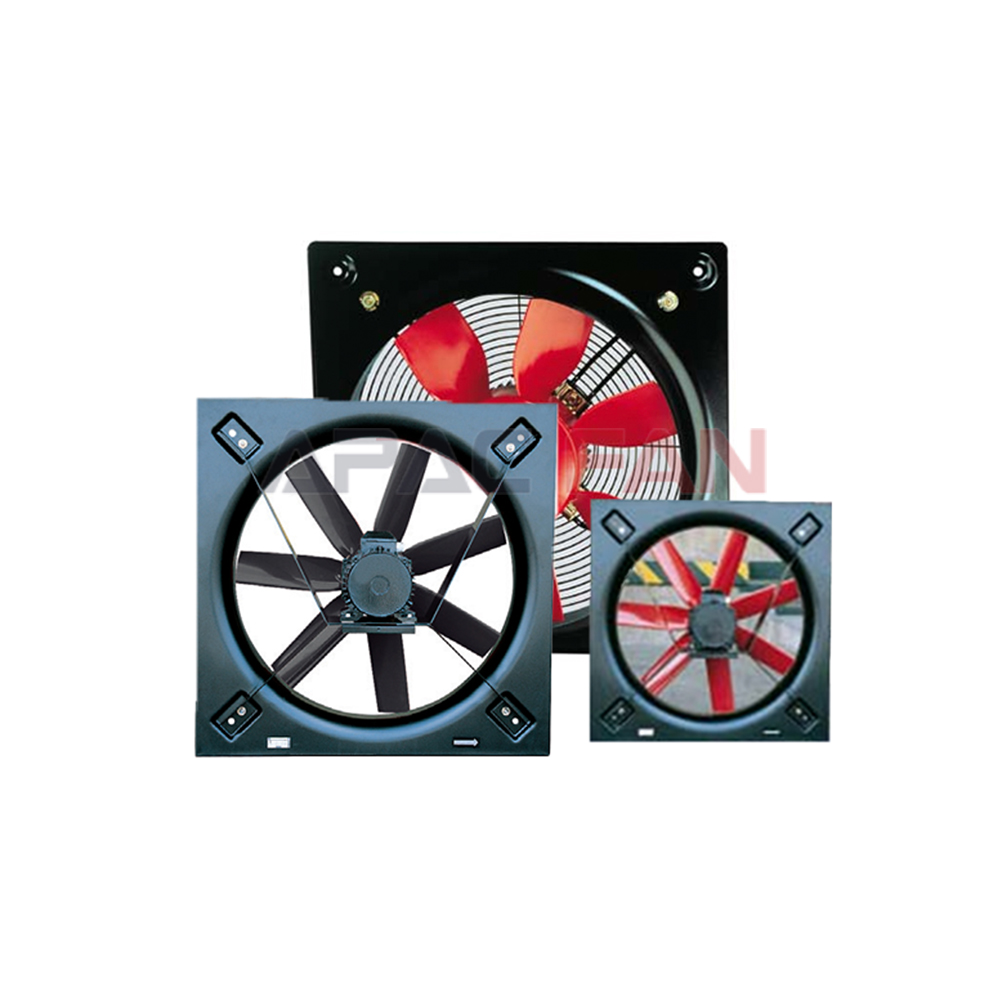
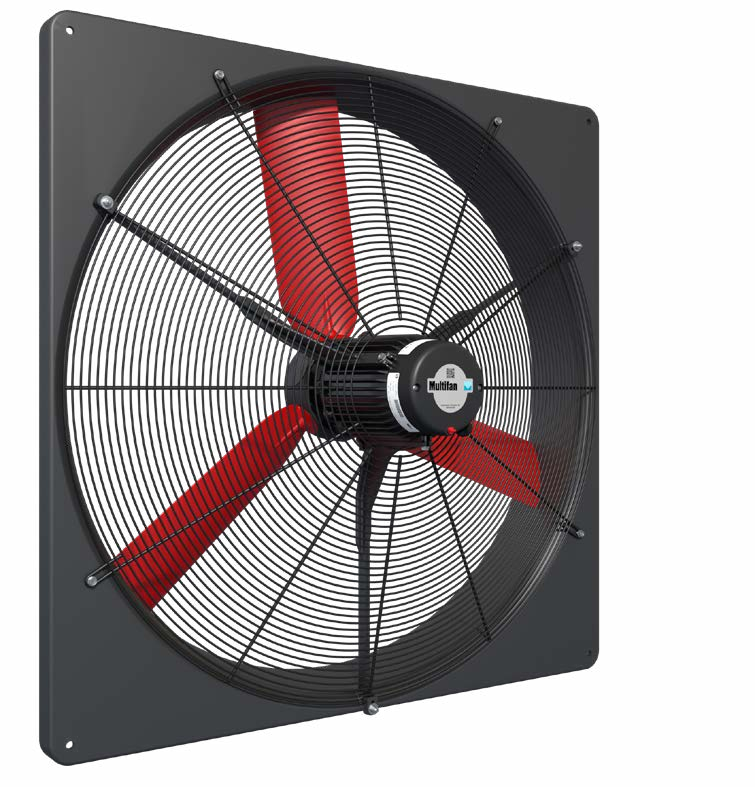
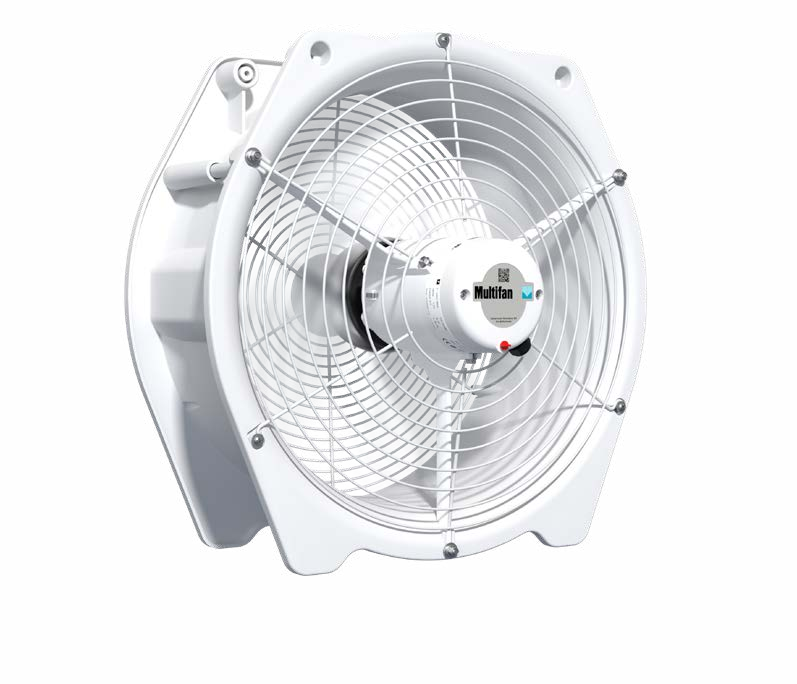
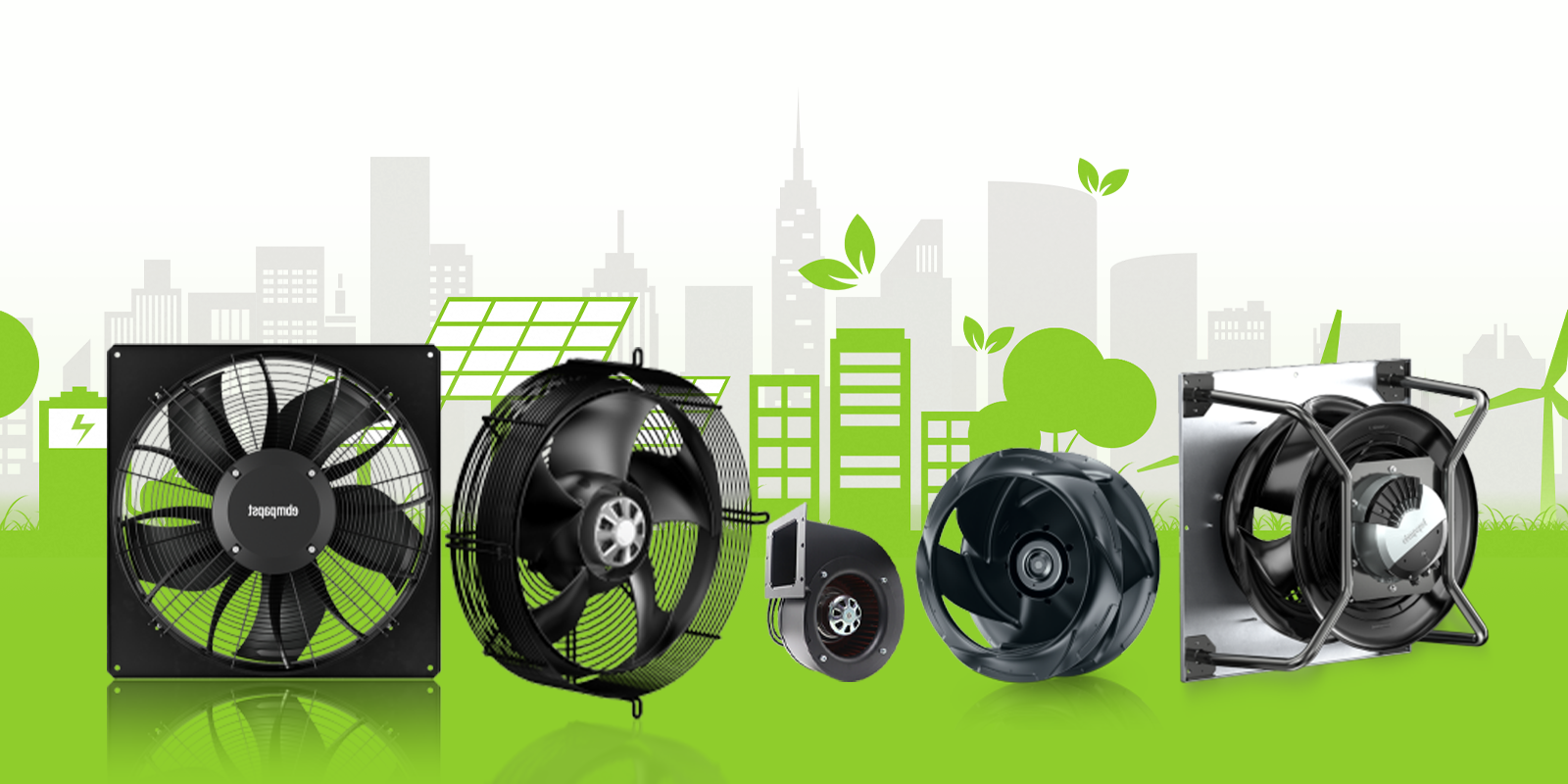
Axial fans are common because cooling towers generally require large air volumes at relatively low to moderate pressure. Their straight-through airflow also suits many tower layouts. Compact towers and specialized packaged equipment may use different fan arrangements when the available space or internal resistance requires them. The correct choice depends on the complete fan curve, installation position, discharge conditions, diameter, speed, motor input, noise target, and environmental exposure.
Conditions that reduce effective airflow
Measured airflow can fall because of incorrect rotation, low fan speed, blade damage, excessive tip clearance, an obstructed inlet, fouled fill, air leakage, or recirculation of warm discharge air. Wind and nearby structures can also disturb the inlet or push saturated outlet air back toward the tower. These problems cannot always be corrected by installing a larger fan. A site inspection should separate fan limitations from tower-side resistance and layout problems before replacement equipment is selected.
Selecting for reliable operation
A useful selection starts with the design airflow, required pressure, air temperature, humidity, installation dimensions, power supply, control method, sound limit, and expected exposure to water and contaminants. The duty point should fall in a stable region of the fan curve with reasonable efficiency and sufficient operating margin. For variable-load systems, speed control can reduce airflow when heat load or ambient conditions permit. This helps the tower maintain its target water temperature without operating the fan at full speed continuously.
Conclusion
Cooling tower airflow is a system result, not a fan nameplate value. The fan, fill, casing, inlet, eliminators, discharge, water distribution, and ambient conditions all influence heat rejection. A fan selected from the real operating point and installed in a clear air path gives the tower a better basis for stable thermal performance and efficient control.