
















 English
 Français
 Deutsch
 Português
 Español
 русский
  한국어
한국어 العربية
 Italiano
 Indonesia
 Schweiz
 Polski
 Nederlands
 ישראל - עברית
 Perzisch
 ไทย
ไทย 日本語
日本語 ኢትዮ-አማርኛ
 Việt Nam
 Kiswahili
 Srpski
 Ελληνικά
 繁體中文
繁體中文ebm papst Fans for Cooling Tower Applications
10/10/2026Air movement requirements in cooling towers
Cooling towers need controlled airflow through wetted fill to reject heat from circulating water. The required fan must deliver a specified air volume against the resistance of the tower's inlet, fill, drift eliminators, guards, and discharge section. Selection therefore begins with the operating point and installation, not with a brand or a nominal fan diameter.
Where ebm papst technologies may fit
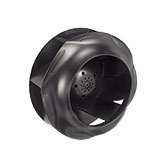
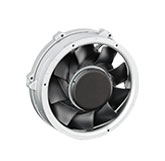
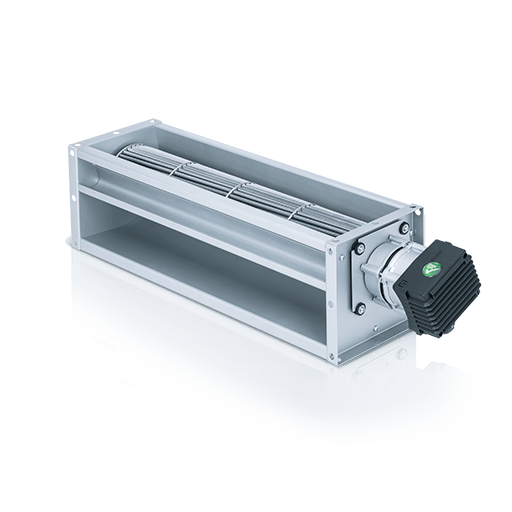
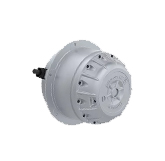
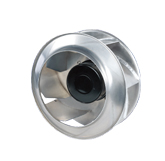
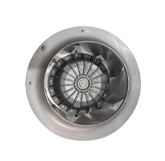
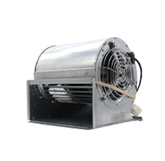
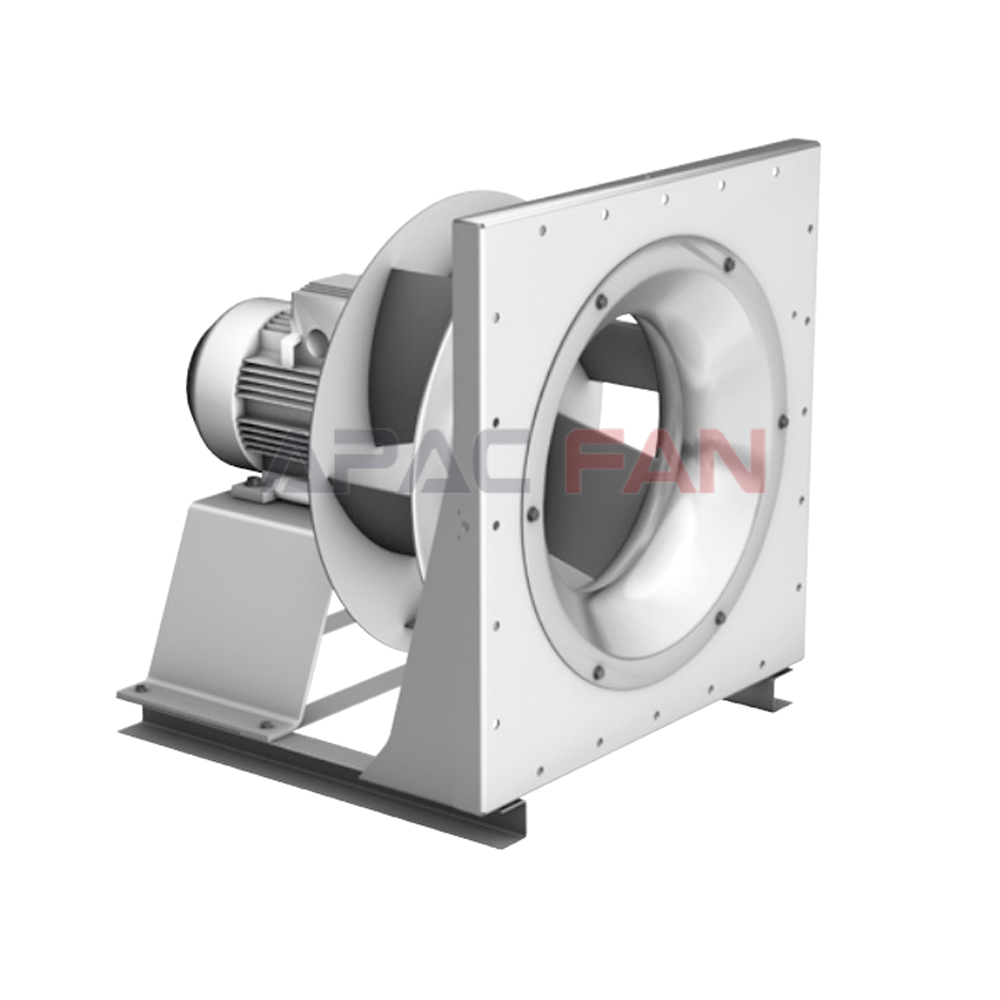
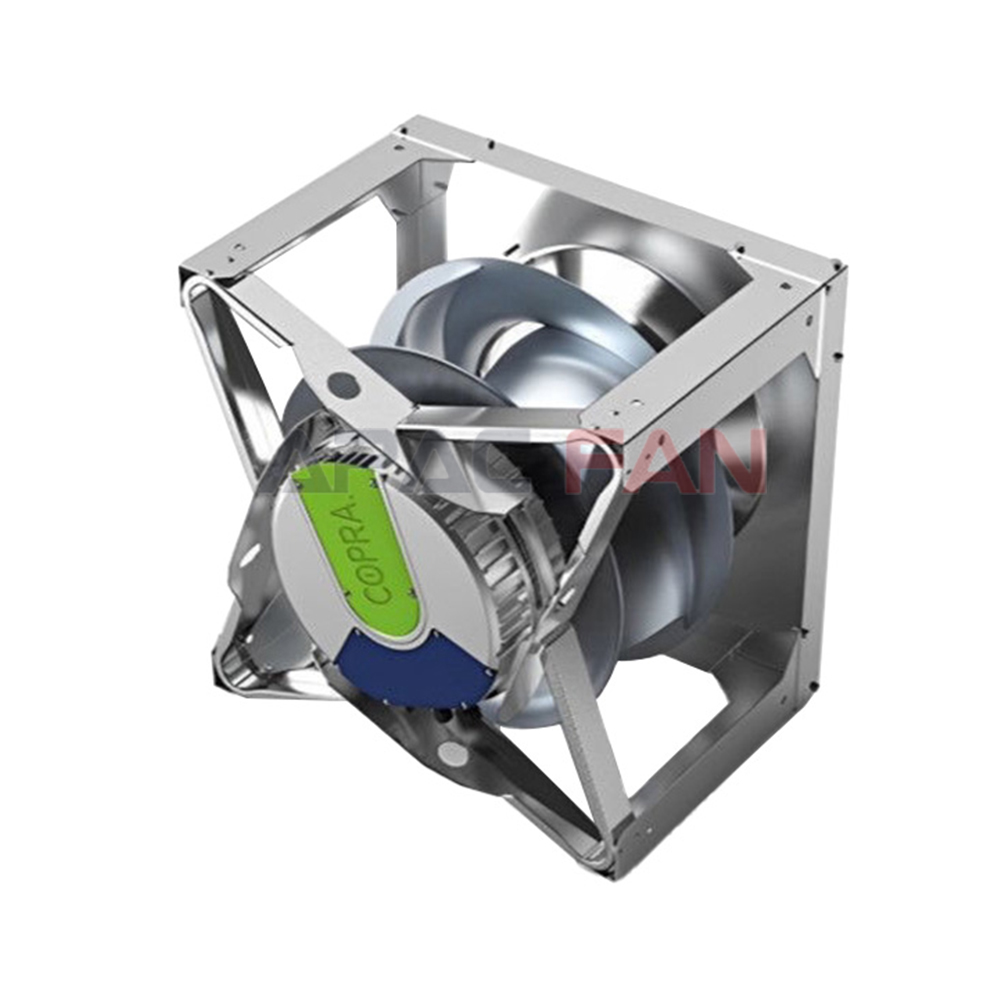
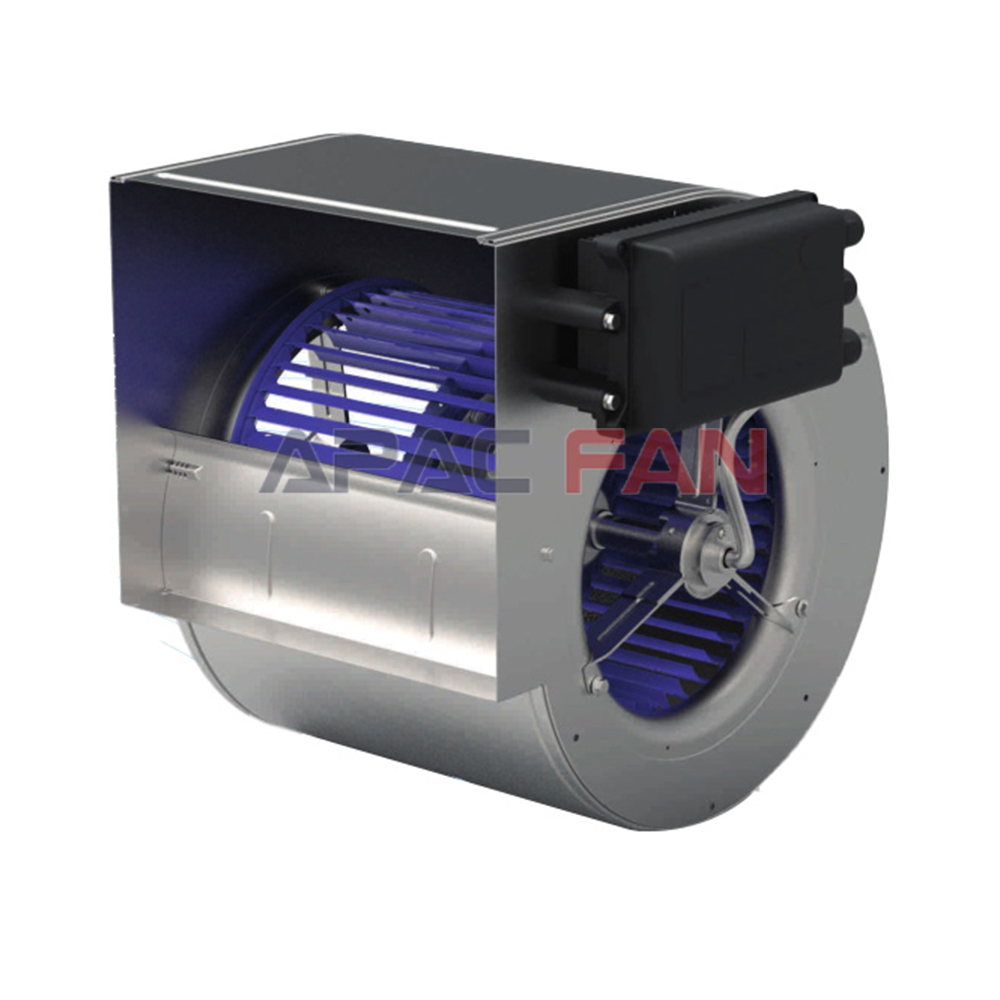
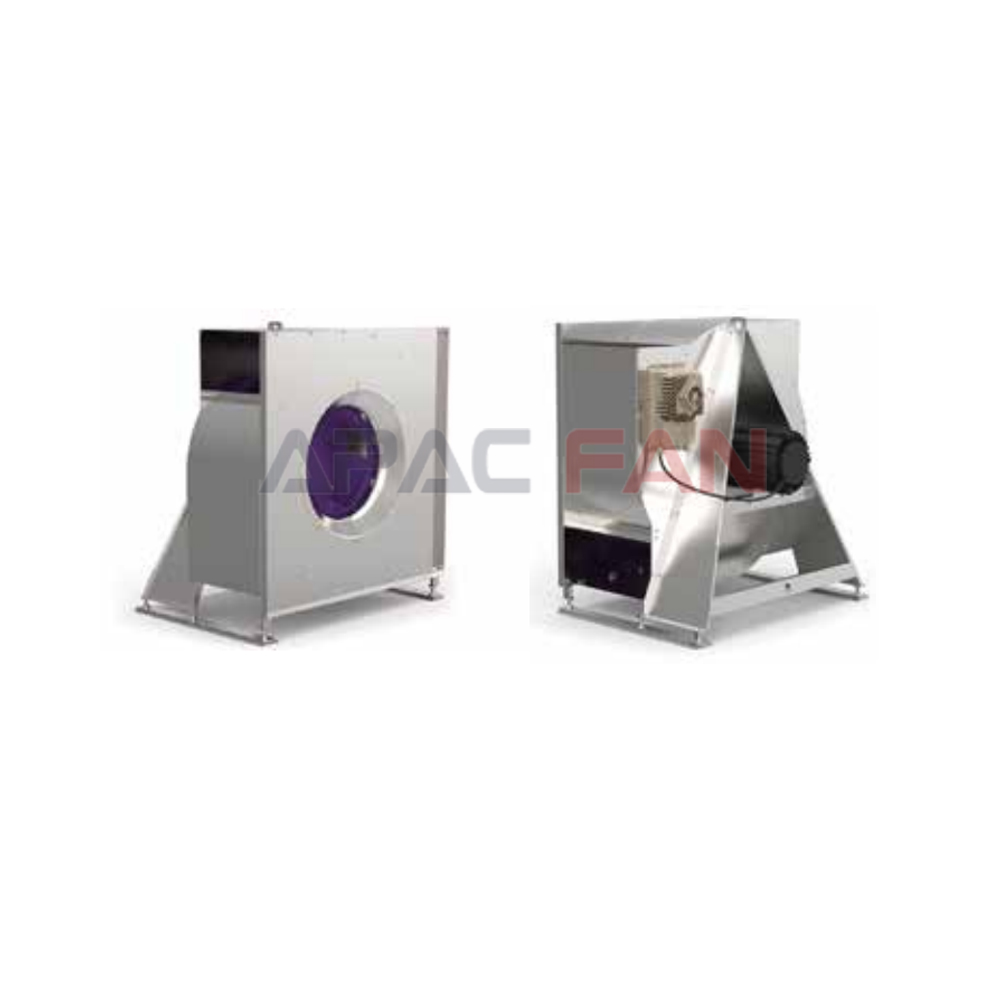
ebm-papst develops axial, centrifugal, and EC fan technologies for many air-moving applications. Selected products may be considered for packaged cooling towers, HVAC heat-rejection equipment, process cooling units, and retrofit assemblies when their published performance and environmental limits match the project. Product suitability must be confirmed for the exact model and operating condition.
Axial fans for high airflow
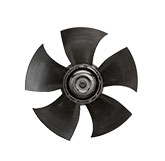
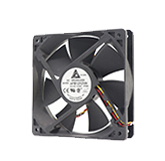
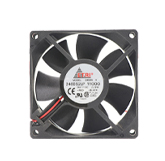
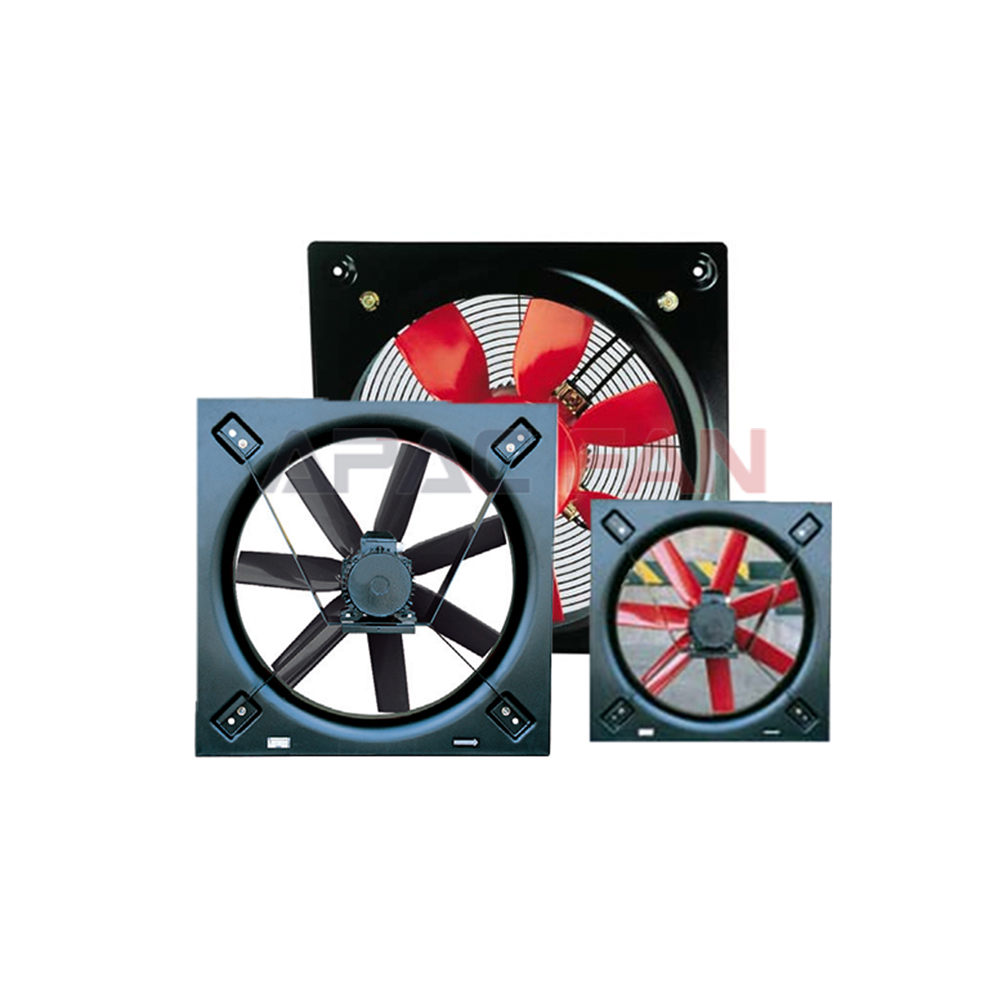
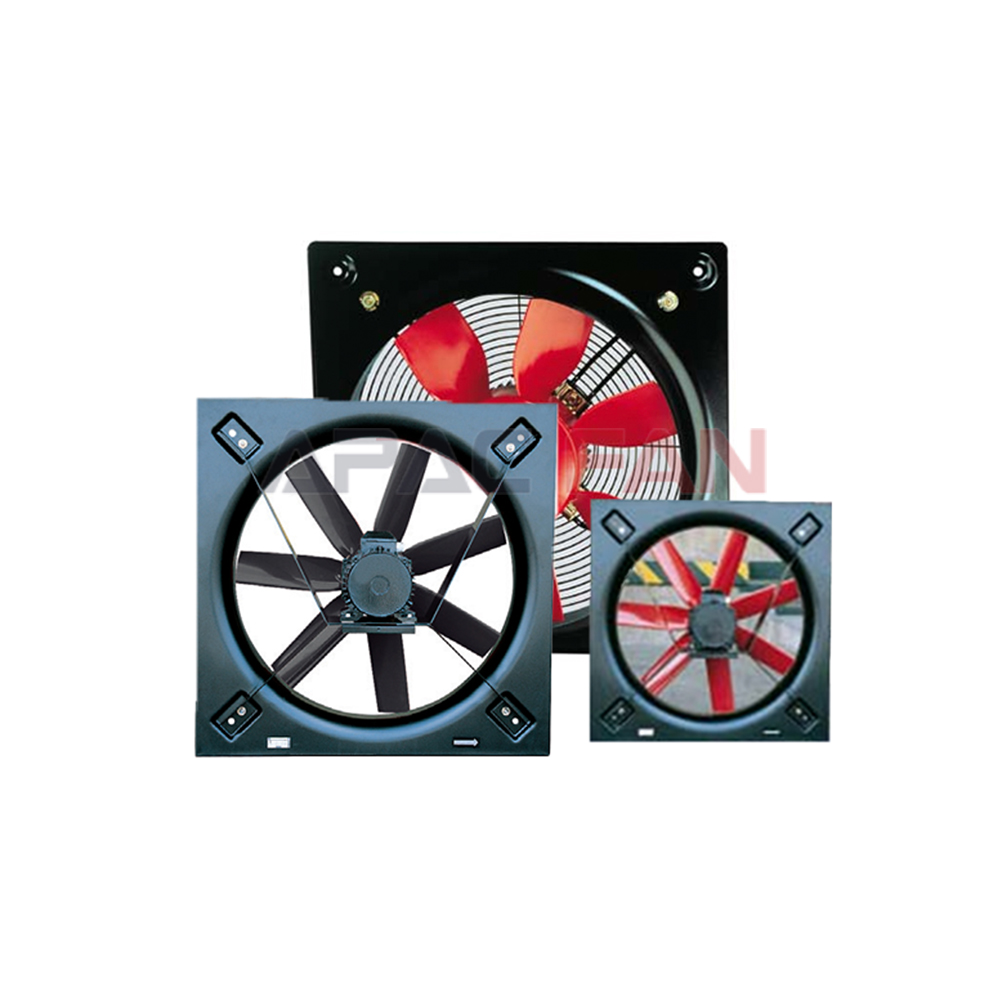
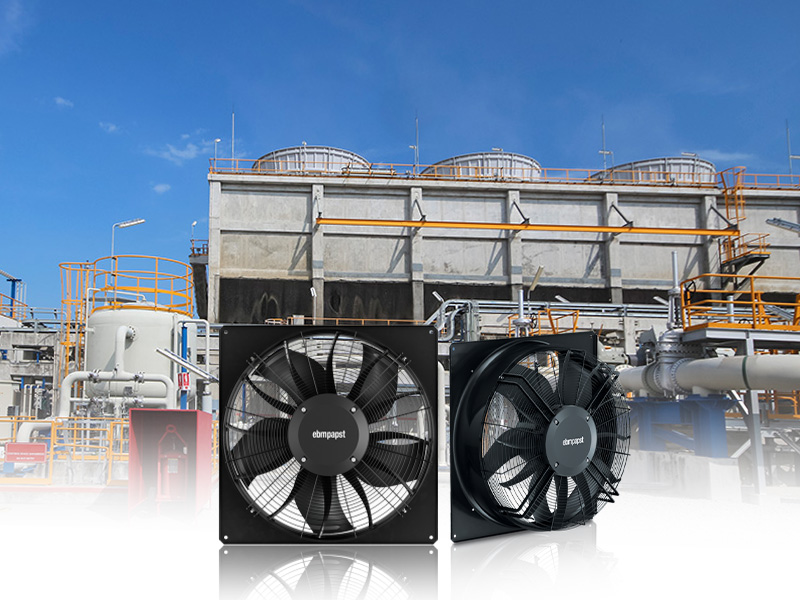
An axial arrangement is common where the tower requires high airflow at low to moderate pressure and provides a direct air path. When reviewing an ebm-papst axial fan, check the curve at the required pressure, motor input, permitted speed range, airflow direction, fan ring or inlet geometry, mounting orientation, dimensions, weight, and sound data. The fan should operate in a stable curve region throughout the intended control range.
EC technology for changing loads
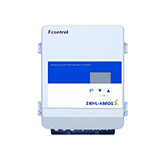
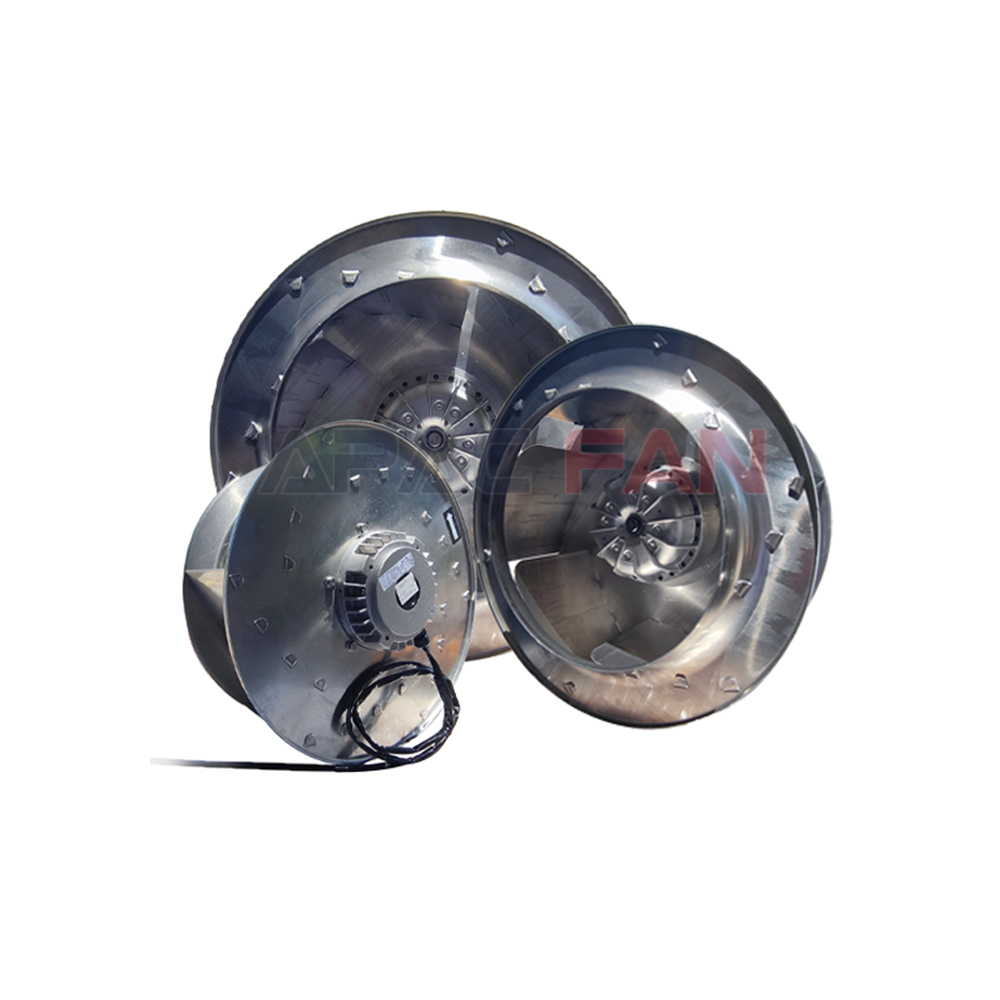
Cooling demand varies with heat load and ambient wet-bulb temperature. An ebm-papst EC fan may provide integrated variable-speed capability in an appropriate size and configuration. This can allow the tower controller to reduce airflow during part-load conditions. Verify the accepted command signal, feedback or alarm functions, communication options, power supply, protection requirements, and permitted minimum and maximum operating conditions for the selected product.
Check pressure and installation conditions
Catalog airflow values must be interpreted at the correct pressure. Measure or calculate tower resistance and consider changes caused by fouling, screens, guards, eliminators, and restricted inlet or outlet conditions. Confirm the opening, depth, bolt pattern, available clearance, discharge path, cable routing, and service access. An adapter should preserve a smooth air path and prevent leakage around the fan.
Electrical and control compatibility
Record voltage, phase, frequency, protective devices, cable size, isolation method, earthing, and the existing control signal. For EC equipment, follow the product instructions for power switching, analog or digital inputs, communication wiring, alarm contacts, and electromagnetic compatibility. The tower-level controller remains responsible for temperature logic, safeties, sequencing, and fallback behavior.
Environmental considerations
Cooling tower fans can experience high humidity, water droplets, outdoor temperature changes, dust, treatment chemicals, and, at some sites, salt or industrial contaminants. Confirm the ingress protection, permitted ambient and media temperatures, materials, coatings, connector protection, and mounting orientation for the exact fan. If the environment is unusually aggressive, request a written suitability review based on the application details.
Retrofit planning
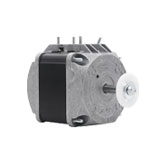
For an existing tower, provide the old fan and motor data, photographs, dimensions, airflow direction, design or measured duty point, controller information, sound limits, and the reason for replacement. Inspect fill, louvers, eliminators, water distribution, structure, and recirculation before finalizing the new fan. A retrofit may also require a mounting frame, guard, inlet component, cable changes, controller changes, or new sensors.
Information needed for selection
A useful inquiry includes required airflow and pressure, air and water temperatures, tower type, installation location, available space, electrical supply, control method, required feedback, sound target, exposure conditions, certifications, and quantity. When the exact duty is unknown, original tower documentation and field measurements can help reconstruct it. Avoid selecting only from the old motor power or outside dimensions.
Conclusion
ebm-papst fan technologies can be evaluated for cooling tower projects where an exact product meets the airflow, pressure, mechanical, electrical, control, noise, and environmental requirements. A verified operating point and a detailed installation review are the basis for both new selection and retrofit success.