


















 English
 Français
 Deutsch
 Português
 Español
 русский
  한국어
한국어 العربية
 Italiano
 Indonesia
 Schweiz
 Polski
 Nederlands
 ישראל - עברית
 Perzisch
 ไทย
ไทย 日本語
日本語 ኢትዮ-አማርኛ
 Việt Nam
 Kiswahili
 Srpski
 Ελληνικά
 繁體中文
繁體中文Why Axial Fans Are Commonly Used in Dry Coolers
10/13/2026The airflow pattern in a dry cooler
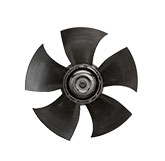
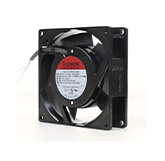
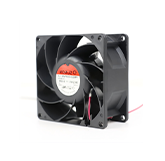
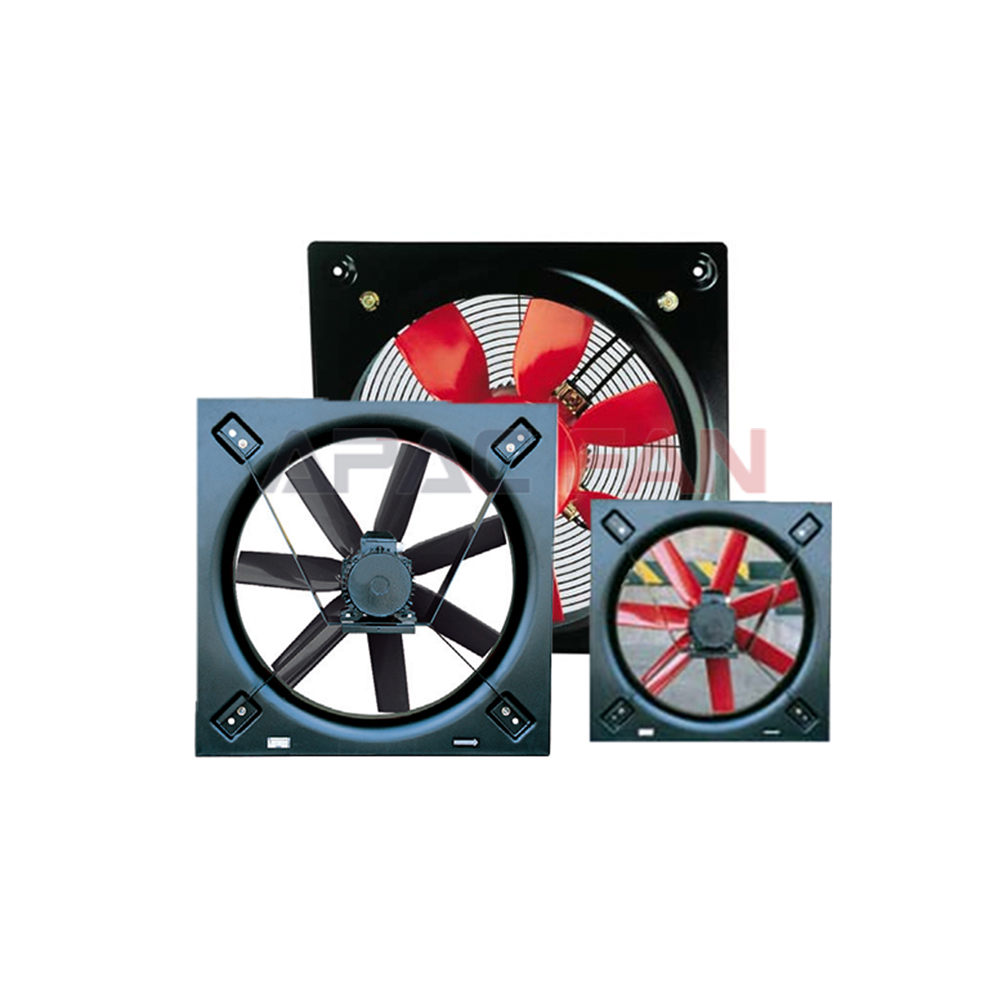
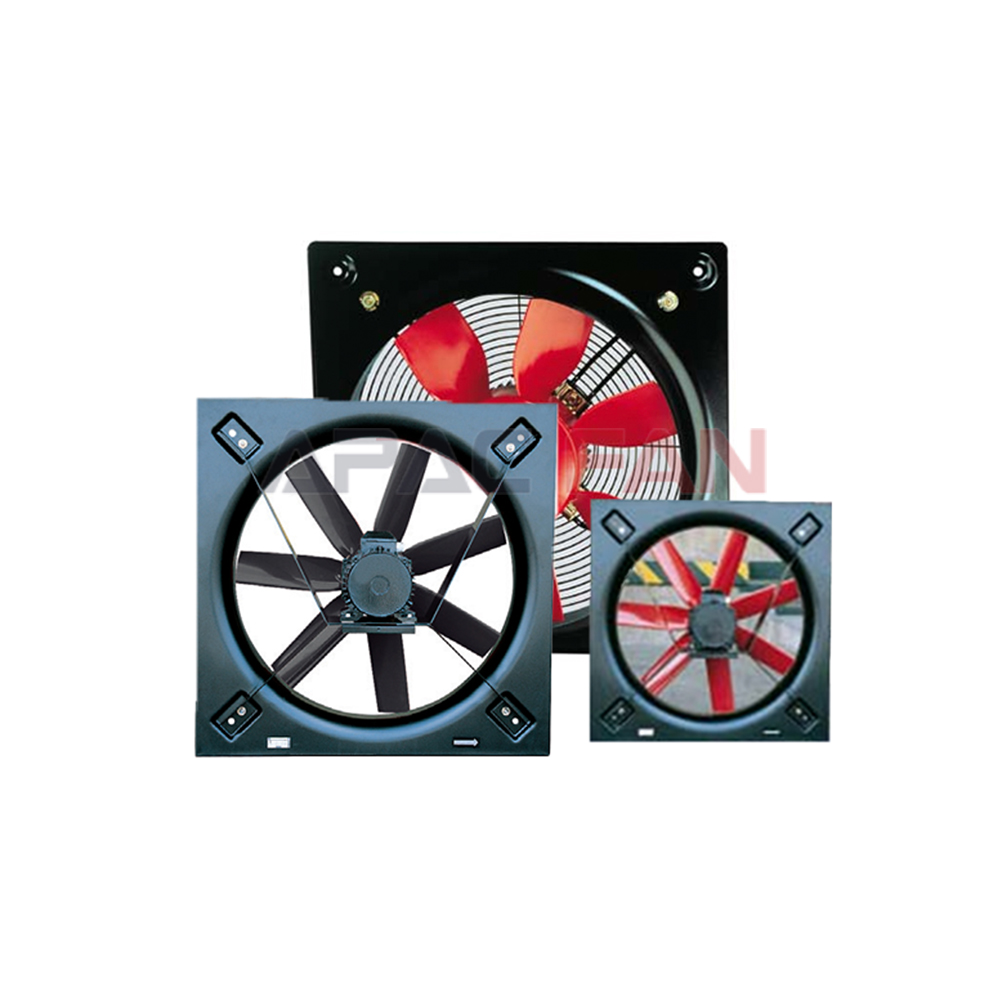
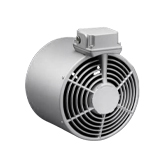
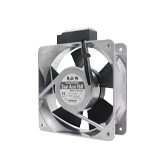
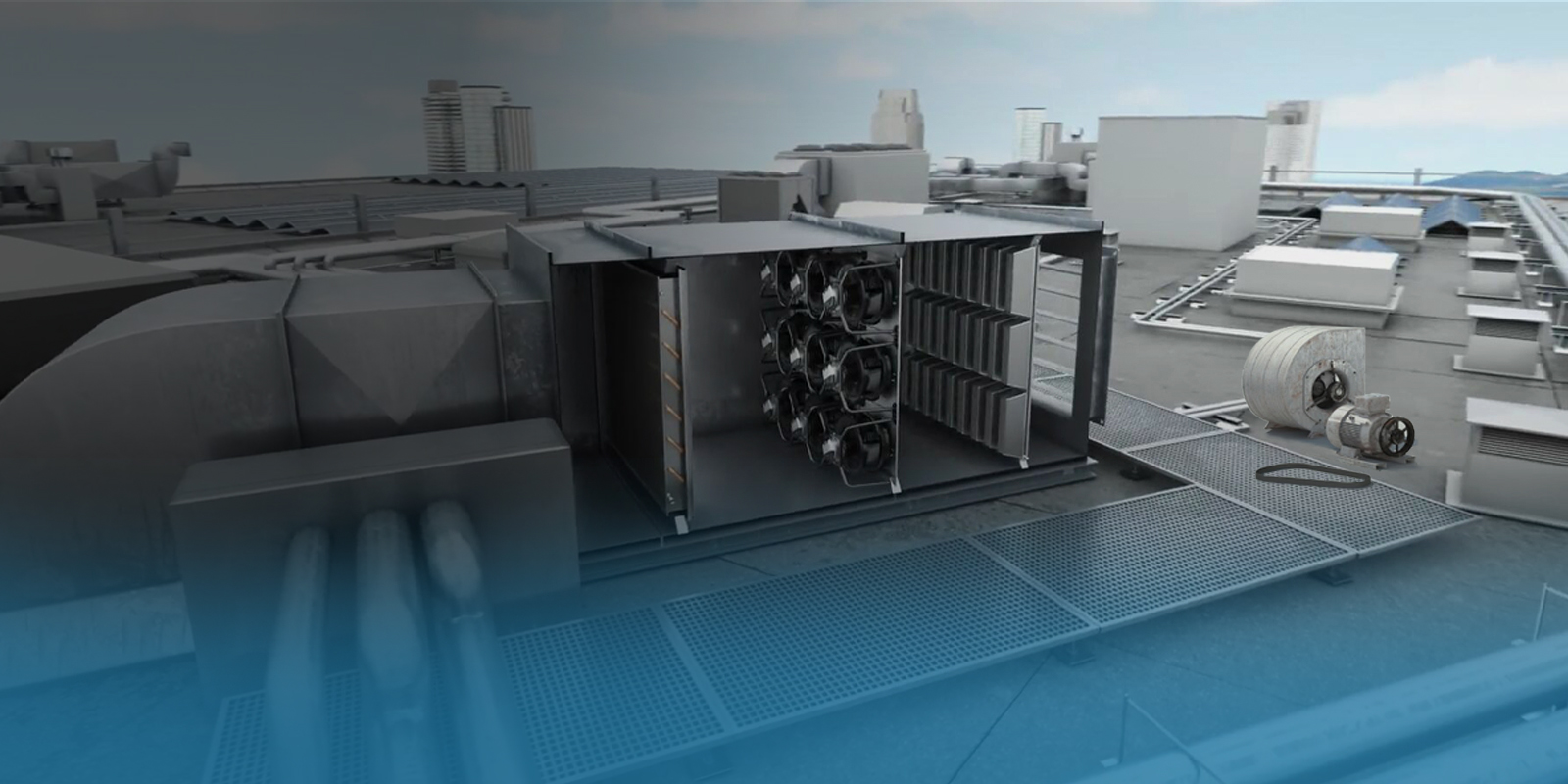
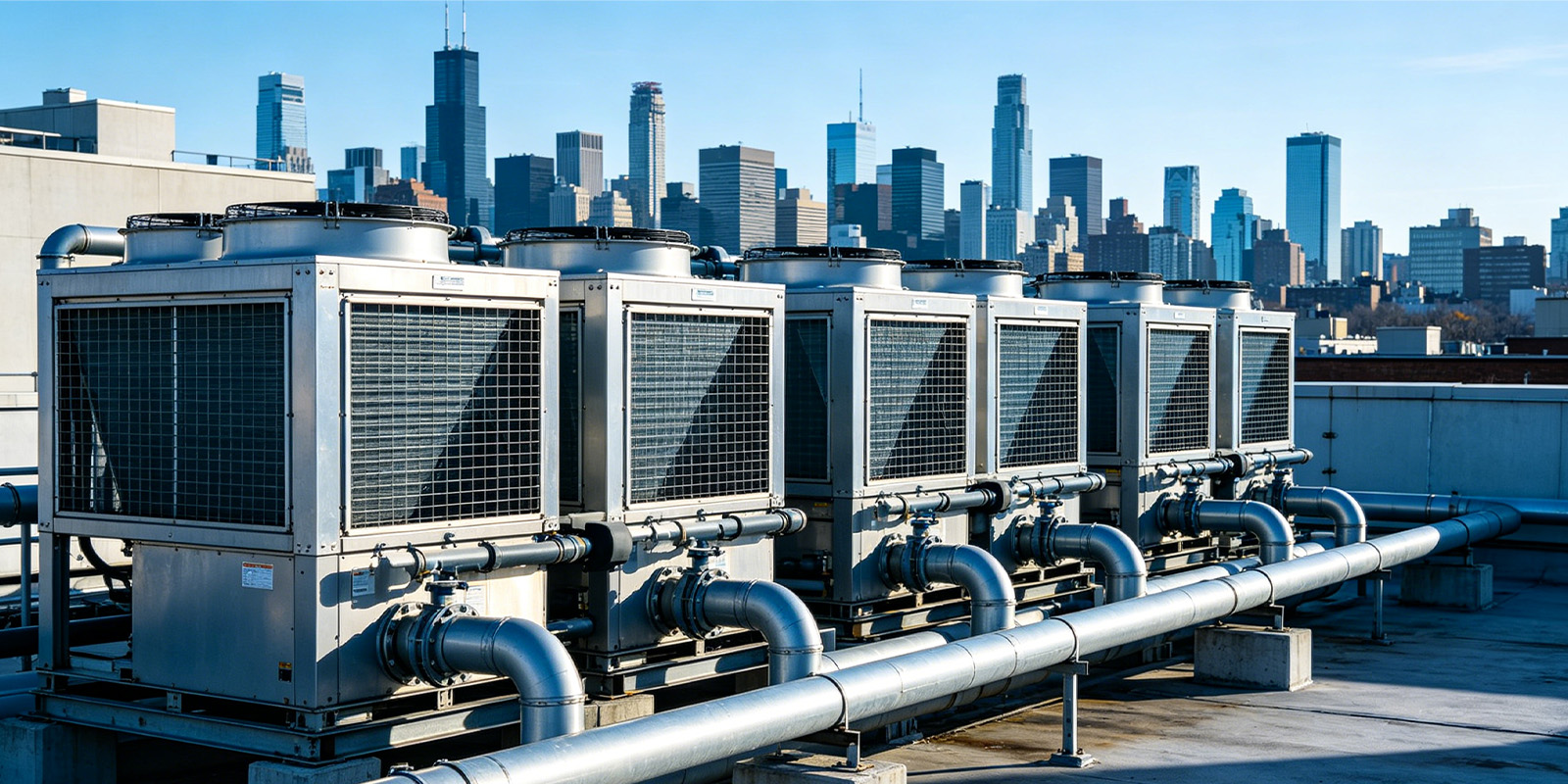
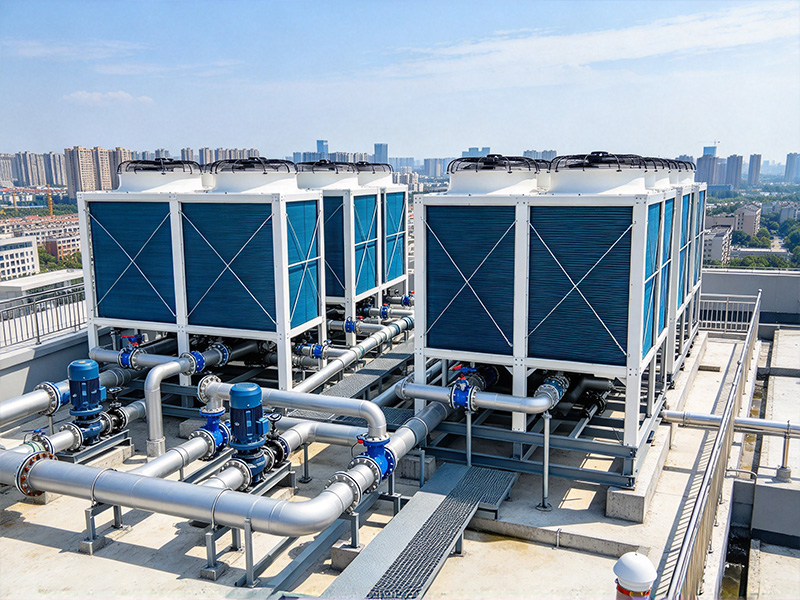
A dry cooler needs to move a large volume of outdoor air through or across a heat exchanger. Axial fans move air mainly along the axis of the impeller, making them a common choice where the equipment requires high airflow and a relatively direct path through a coil. Their geometry can also suit rooftop or outdoor units that use multiple fans across a broad heat exchanger face.
Axial fans are not selected by diameter alone. The fan has to overcome the pressure drop created by the coil, guards, louvers, and other parts of the air path. A fan that appears large enough may still deliver too little air at the installed resistance, while an oversized or incorrectly applied fan can create excess noise, power demand, or uneven airflow.
How installation details shape fan choice
Fan position affects how air approaches and leaves the coil. A well-arranged inlet and discharge help reduce obstructions and uneven flow. Nearby walls, parapets, equipment, or stacked units can restrict the air path or cause warm discharge air to return to the coil inlet. These site conditions may change the fan duty compared with a test bench value.
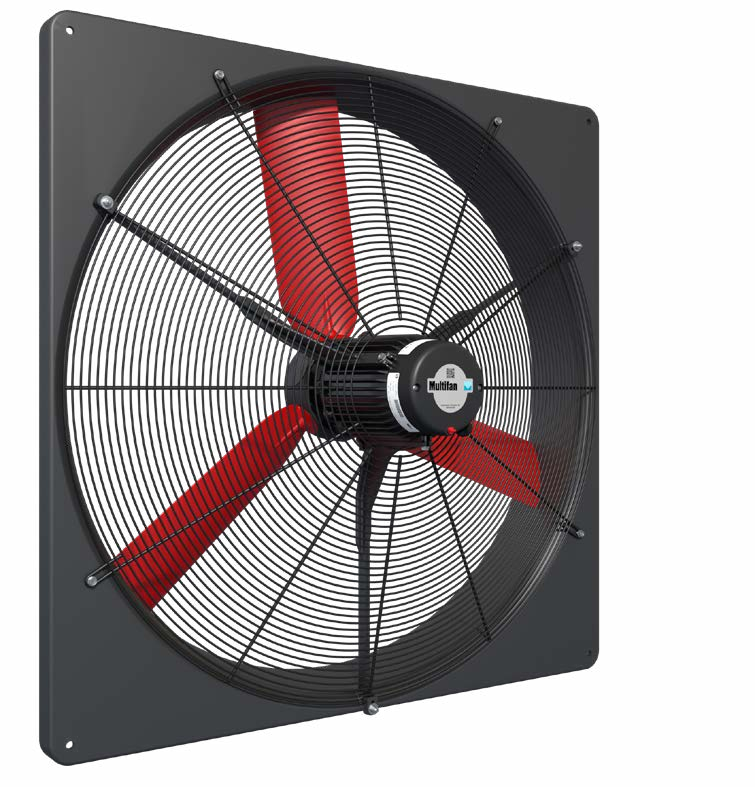
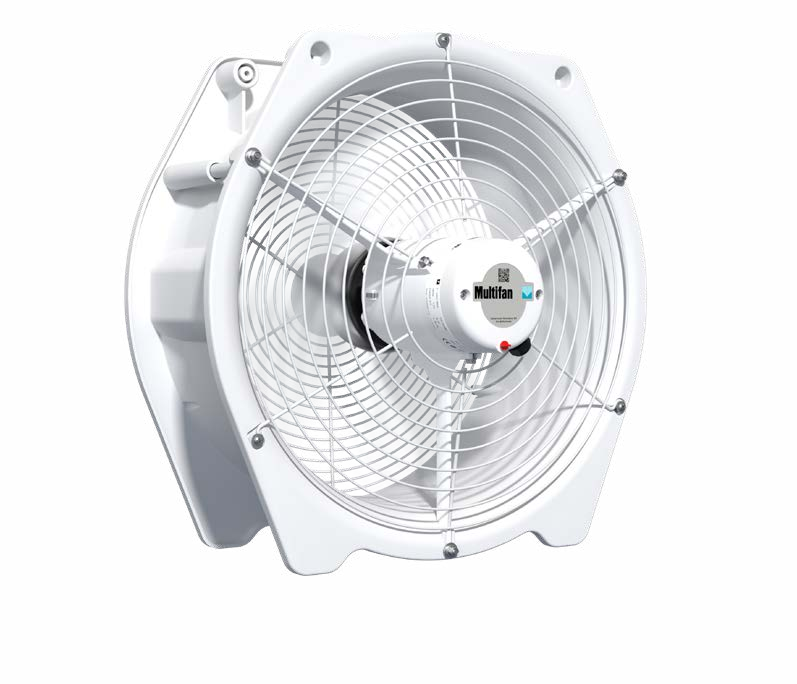
The impeller, motor, housing, mounting ring, and protective grille work as an assembly. Clearances and mounting stiffness matter because poor alignment or vibration can affect operation. Where several fans share a coil, their spacing and direction of rotation should follow the equipment design. A replacement should preserve the intended airflow direction and fit rather than simply match the old fan's outside diameter.
Axial fan options and brand examples
Axial fan portfolios are available in different sizes, motor technologies, and arrangements for cooling equipment. ebm-papst, for example, presents axial fan solutions across cooling and refrigeration applications. That brand-level category is a useful starting point for research, but it does not establish that every model is suitable for every dry cooler.
The exact fan must be checked against the dry cooler's performance requirement, system resistance, voltage, frequency, control interface, ambient conditions, and mounting design. Where an existing unit is being replaced, confirm the original fan's full type code and the equipment manufacturer's requirements. When the fan curve or system duty is unclear, ask the equipment supplier or a qualified engineer to verify the operating point.
When another fan arrangement may be needed
Some installations have unusually high resistance, restricted space, ducting, or a specialized air path. In those cases, an axial fan may not be the right fit unless it is specifically designed to meet the required pressure and airflow. Other fan types or a redesigned air path may be considered after the system duty is established.
The practical choice is the fan that delivers the required air through the complete installed system at acceptable electrical, acoustic, and mechanical conditions. Reviewing the coil and the air path together prevents a common mistake: selecting a fan from a general category or catalog description without checking how it will perform in the actual dry cooler.