














 English
 Français
 Deutsch
 Português
 Español
 русский
 한국어
 العربية
 Italiano
 Indonesia
 Schweiz
 Polski
 Nederlands
 ישראל - עברית
 Perzisch
 ไทย
 日本語
 ኢትዮ-አማርኛ
 Việt Nam
 Kiswahili
 Srpski
 Ελληνικά
 繁體中文
Fans in Commercial Unit Heaters and Warm Air Heating Systems
11/19/2026Commercial unit heaters distribute warm air into spaces such as workshops, warehouses and other large rooms. The fan moves air across a heating element or heat exchanger and directs it into the occupied space. The heater's heat source and installation design determine the operating requirements for the complete assembly.
Direct warm air where it is needed
Mounting height, ceiling structure, obstructions and the direction of discharge influence how warm air reaches the working area. A fan that moves a large volume of air may still produce uneven comfort if the air stream is directed poorly or blocked by stored materials.
Consider the space layout and the heater manufacturer's recommended mounting and throw characteristics. Ceiling height and air movement around doors or loading areas can change the conditions experienced by occupants.
Coordinate airflow with the heating unit
The fan must deliver the airflow specified for the heater. Too little airflow may affect the heater's operating temperature or protective controls; the acceptable range depends on the equipment design. Check the full operating duty, including the resistance of any guards, louvers or connected ductwork.
Some units use adjustable louvers to direct the air stream. Changes to these components can alter the discharge pattern and should remain within the manufacturer's instructions. Do not assume that a different fan or louver setting is suitable solely because the heater continues to run.
Review noise and operating conditions
A heater installed near workstations may need an assessment of fan sound and air velocity as well as heating capacity. Compare acoustic data at the relevant operating point and consider whether the mounting transmits vibration to the building structure.
Dust, moisture and cleaning methods can influence fan selection. Confirm the permitted ambient temperature and environmental protection of the complete assembly. The temperature near the fan may differ from the room temperature depending on the heater's construction.
Replacement information for APAC FAN
Provide the heater model, original fan part number, dimensions, mounting, supply and control details. Include the required airflow and pressure if available, together with your email or WhatsApp number. APAC FAN can review product information for a compatible fan selection.
The role of the fan in a unit heater
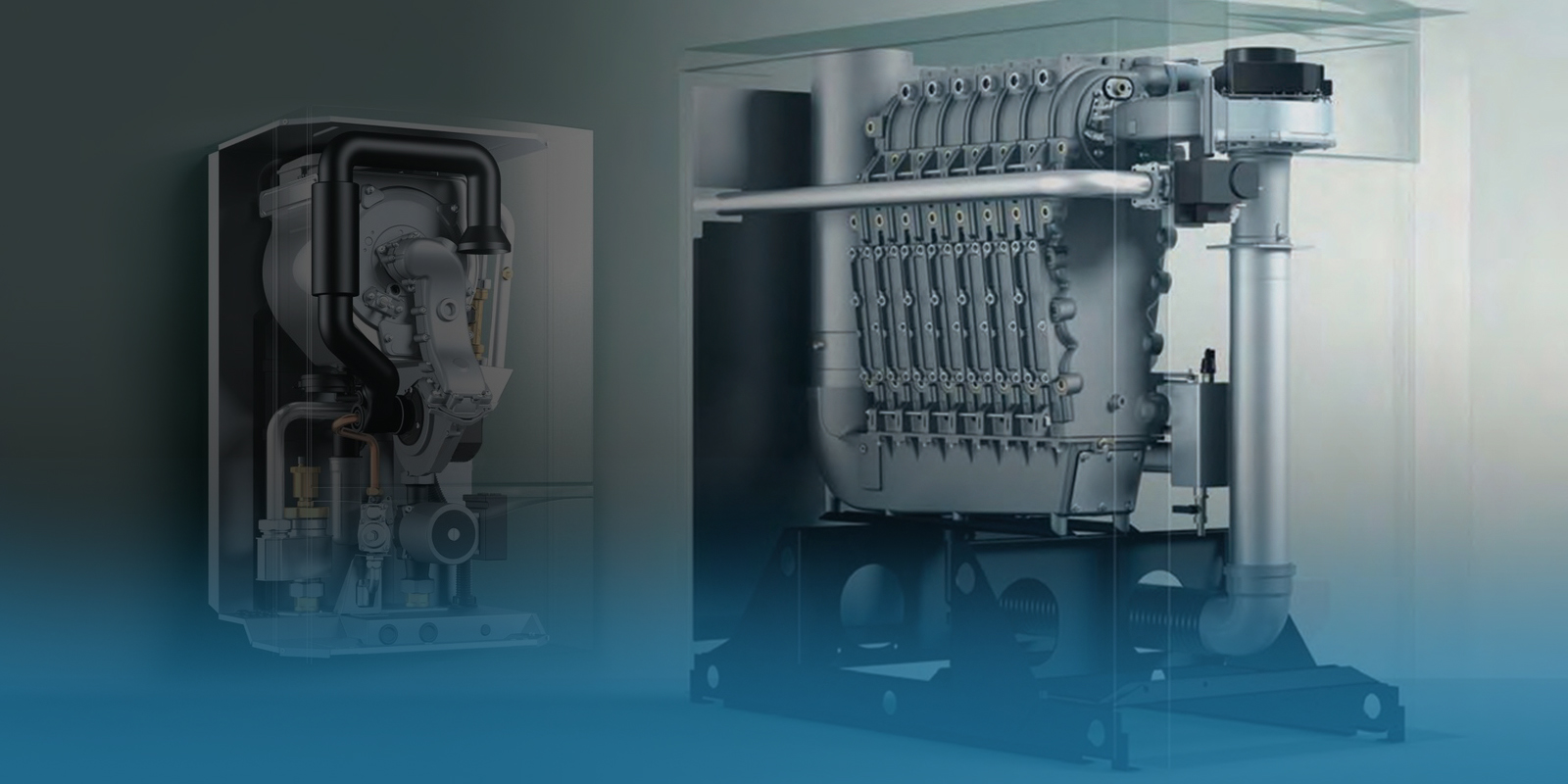
A unit heater combines a heat source or heat exchanger with a fan and a discharge arrangement. The fan moves air through the heater and into the space. Depending on the equipment, heat may come from a hot-water coil, steam, electric elements or combustion. Each arrangement has its own temperature, airflow and safety requirements.
The fan is selected as part of the heater. A replacement should preserve the required airflow across the heating section as well as the intended discharge direction. The equipment manufacturer's instructions define the operating range and approved service parts for the specific unit.
Air distribution in high spaces
In warehouses and workshops, the heater may be mounted above the occupied area. The direction and reach of the discharged air influence where heat is delivered. Racking, partitions, machinery and ceiling beams can interrupt the air stream, leaving areas that feel cooler even when the heater is running.
A site assessment should consider both the mounting position and the occupied zone. Adjustable louvers can direct air within the range allowed by the equipment design. Their setting should not obstruct the fan or create an unacceptable local draft. For larger spaces, the arrangement of several heaters may be more useful to evaluate than the maximum throw of one unit in isolation.
Airflow across the heat exchanger
The heater needs enough airflow to remove heat from its heating section under the intended operating conditions. Restrictions at the inlet, guard or discharge can change the fan duty. Dust on a coil or grille can also affect the airflow path and should be handled using the manufacturer's maintenance procedure.
Excessively high air velocity can cause comfort complaints or increase noise. The goal is to meet the specified heater duty and distribute heat effectively. Motor power or free-air performance alone does not describe what will happen when the fan is installed in the heater.
Control and operating sequence
A heater may start its fan after the heating section reaches a specified condition and continue running after heating stops, depending on the equipment design. Some units operate with fixed speed; others may support a control signal or multiple settings. The fan's behavior needs to match the heater controller and any protective functions.
Before replacing a motor or fan, document the power supply, starting arrangement and available control connections. Do not bypass a thermal protection device or alter the sequence to force continuous operation. A qualified service provider should verify compatibility with the complete heater.
Site exposure, sound and access
A commercial heater may be exposed to dust, moisture or cleaning activities that differ from those in a clean office. Confirm the permitted ambient temperature and environmental conditions for the fan and electrical connections. The heater's surrounding temperature is not necessarily identical to the temperature at every part of the assembly.
Noise matters where the heater is close to workstations. Listen for vibration transmitted through mounting brackets as well as airflow sound. Allow service access to the fan and heater according to the manufacturer's instructions, and ensure that the supporting structure is suitable for the complete unit.
A practical replacement enquiry
Provide the heater model, original fan number, mounting dimensions and photographs of the assembly. Include the required airflow and pressure where available, plus electrical supply and control details. If the heater uses a combustion system, distinguish the room-air fan from any combustion blower.
APAC FAN can help review the supplied specifications and identify relevant fan information. Final selection should be checked against the heater manufacturer's requirements and the conditions of the installation.
Consider the occupied schedule
A unit heater may serve a workshop only during working hours or operate in a warehouse with a different schedule. The operating pattern affects how often the fan starts, how long the unit runs and when sound may be noticed. Record the expected heating schedule when evaluating fan controls or planning maintenance access.
For spaces with loading doors, occupancy and heat loss can vary during the day. A suitable control strategy should follow the heater and building design rather than rely on an arbitrary fan setting. Any changes to the heater sequence must preserve the manufacturer's required protective and cooling functions.
Inspect the discharge and guards
A damaged guard or bent discharge louver can alter airflow and create noise. Inspection should be carried out with the unit safely isolated and in accordance with the manufacturer's service instructions. The fan, guard and louver should be reassembled in their specified positions before operation.
If the air stream no longer reaches the intended area, consider whether the room layout has changed. New racking or equipment may interrupt a path that previously worked well. A qualified assessment can distinguish a distribution problem from a fan that no longer meets its required duty.