













 English
 Français
 Deutsch
 Português
 Español
 русский
  한국어
한국어 العربية
 Italiano
 Indonesia
 Schweiz
 Polski
 Nederlands
 ישראל - עברית
 Perzisch
 ไทย
ไทย 日本語
日本語 ኢትዮ-አማርኛ
 Việt Nam
 Kiswahili
 Srpski
 Ελληνικά
 繁體中文
繁體中文Fans in Hybrid Liquid-Cooled Data Centers: Supporting CDUs, L2A Cooling, and Residual Air Loads
09/02/2026Liquid cooling reduces air load; it does not erase it
The rise of direct-to-chip and other liquid-assisted cooling methods has changed data center design. High heat flux components can move a larger share of their heat into coolant, which reduces the burden on room air systems. However, the phrase liquid-cooled data center can be misleading. Most facilities remain hybrid, and hybrid means air still matters.
Fans continue to support memory, storage, networking gear, power supplies, UPS systems, switchgear enclosures, coolant distribution units, heat exchangers, and the parts of servers not captured by liquid loops. Even in a rack with liquid-cooled processors, residual heat exits through air. If that air is ignored, the facility can still experience hot spots, component stress, and inefficient cooling unit operation.
CDUs and support equipment
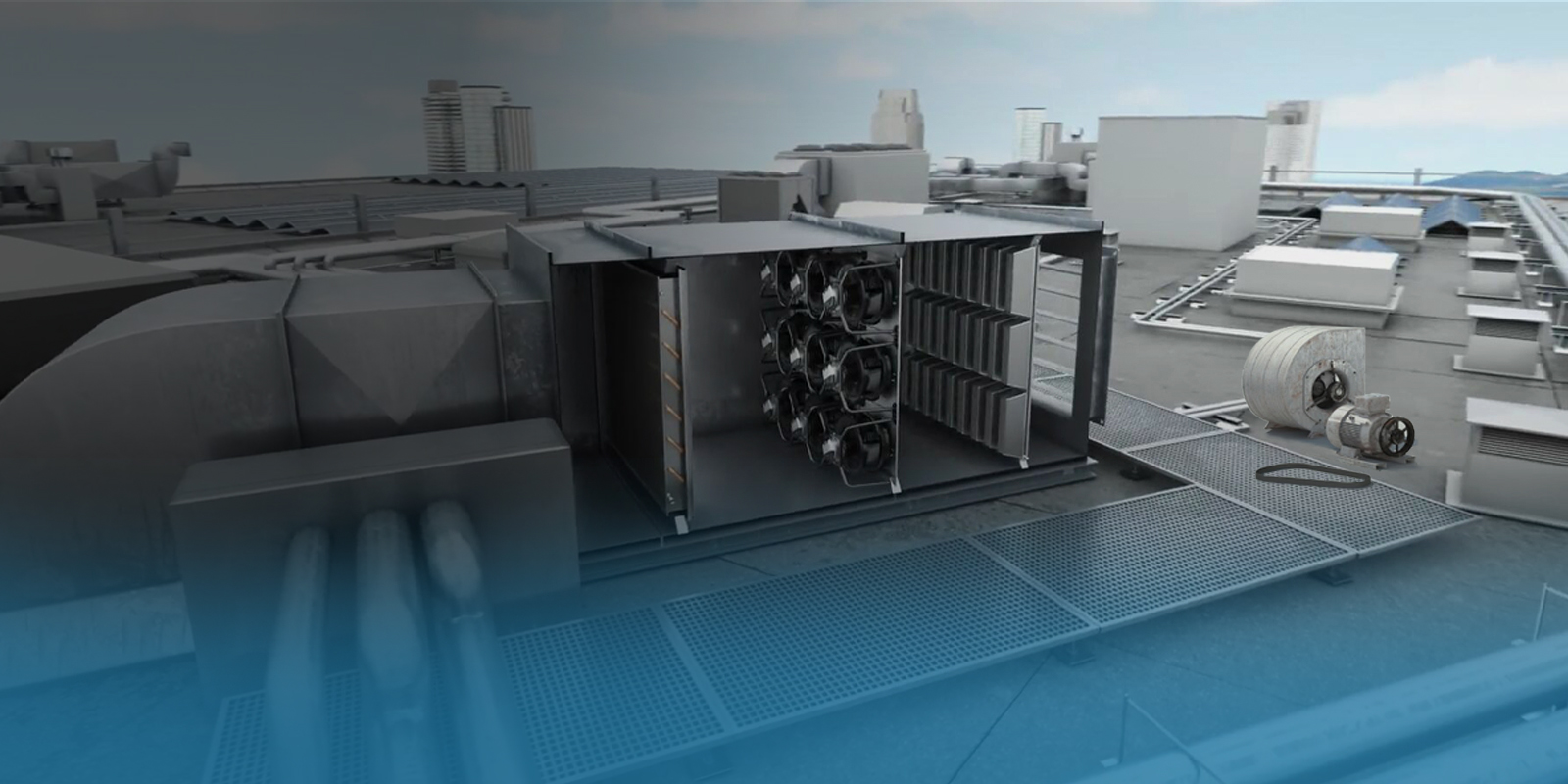
Coolant distribution units sit between the IT liquid loop and the facility side. Their exact architecture varies, but they can include pumps, controls, electronics, valves, power components, and heat exchange elements. These parts create their own thermal needs. Fan application in CDU support is therefore not about cooling the processor directly; it is about protecting the equipment that makes the liquid loop reliable.
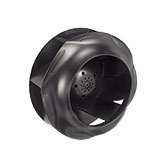
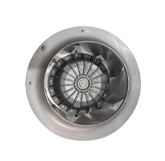
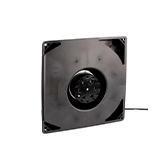
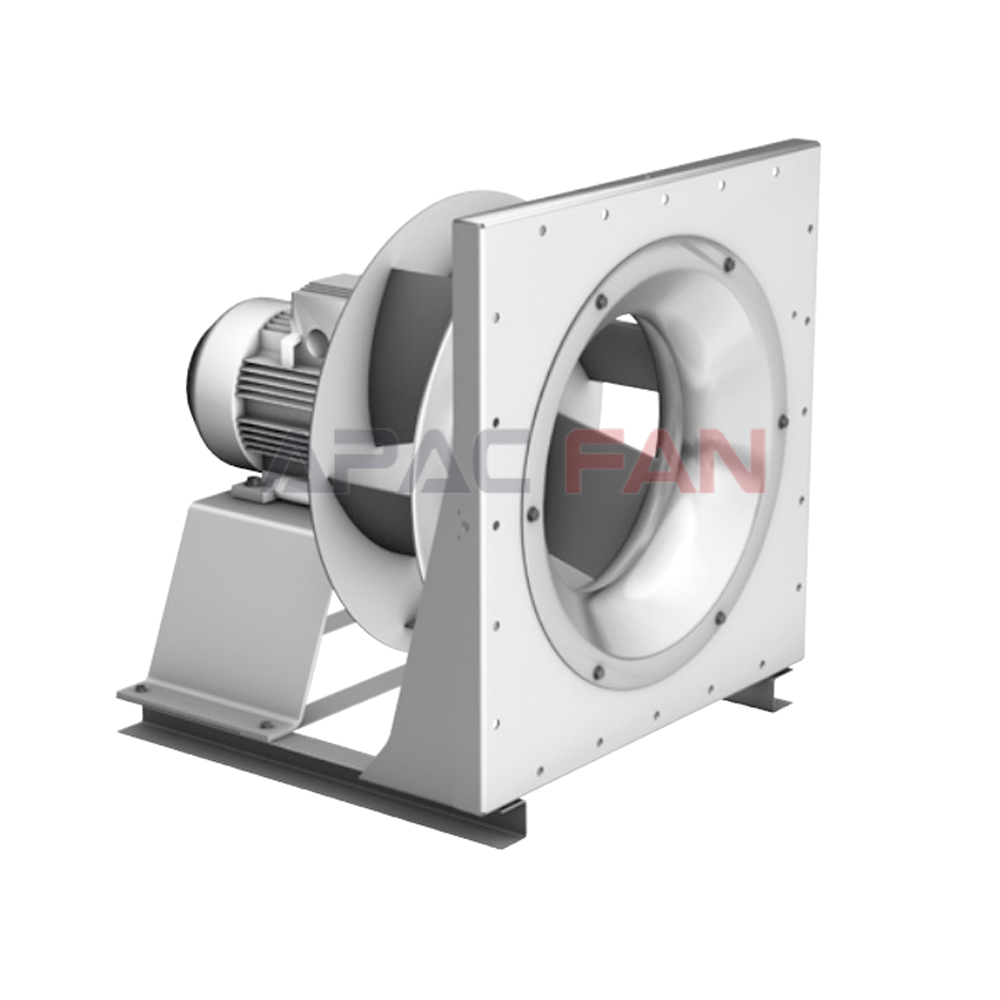
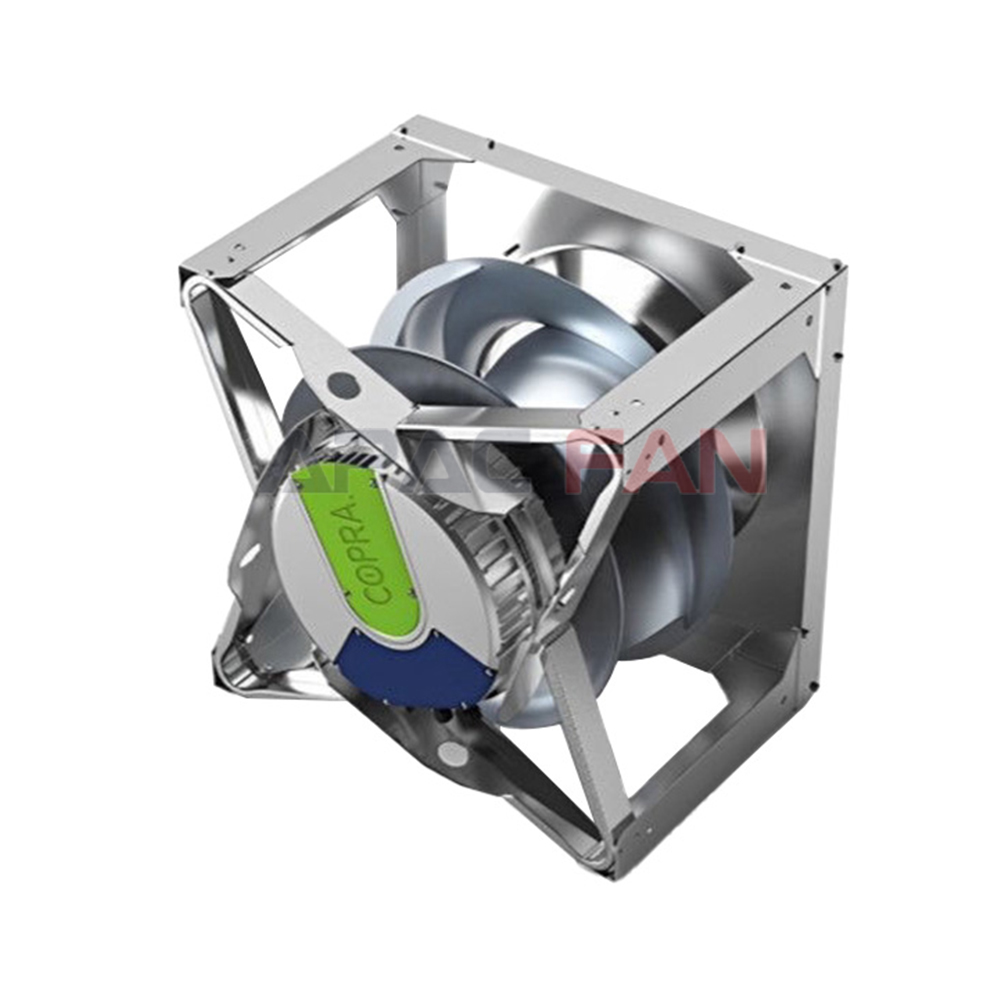
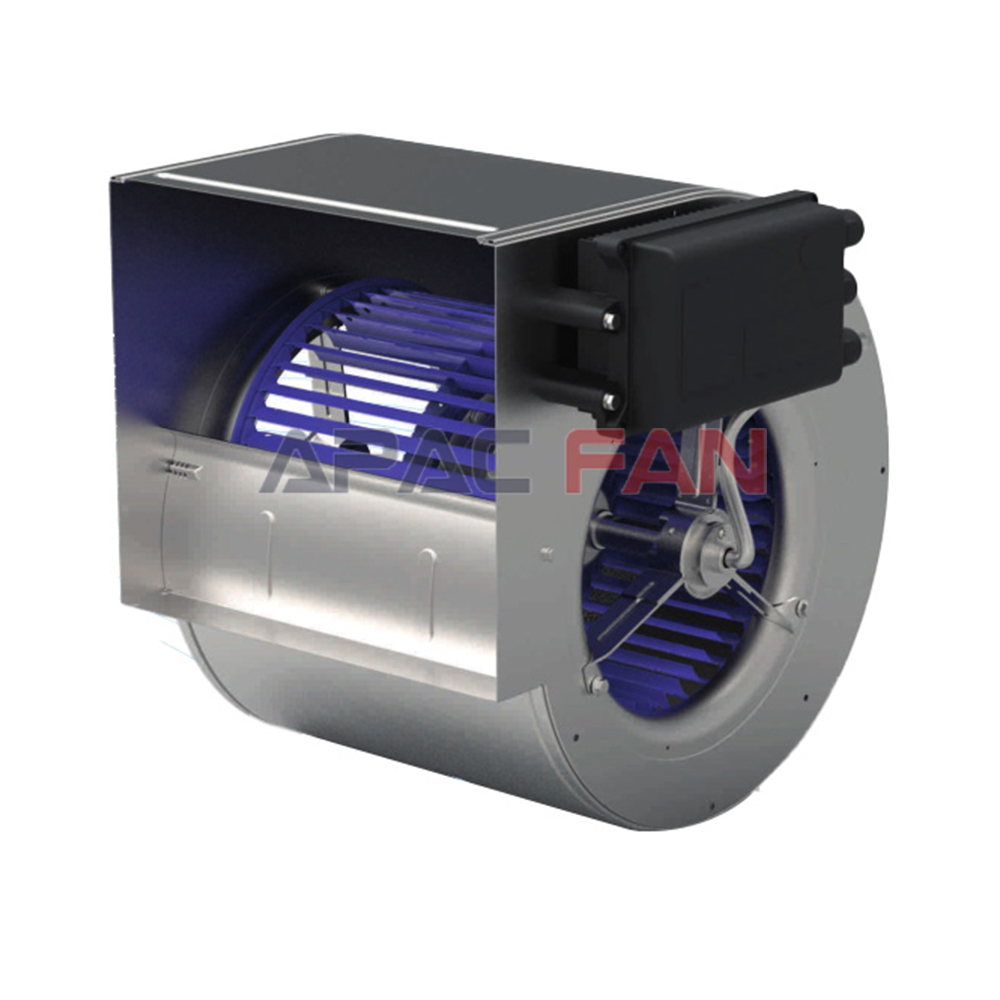
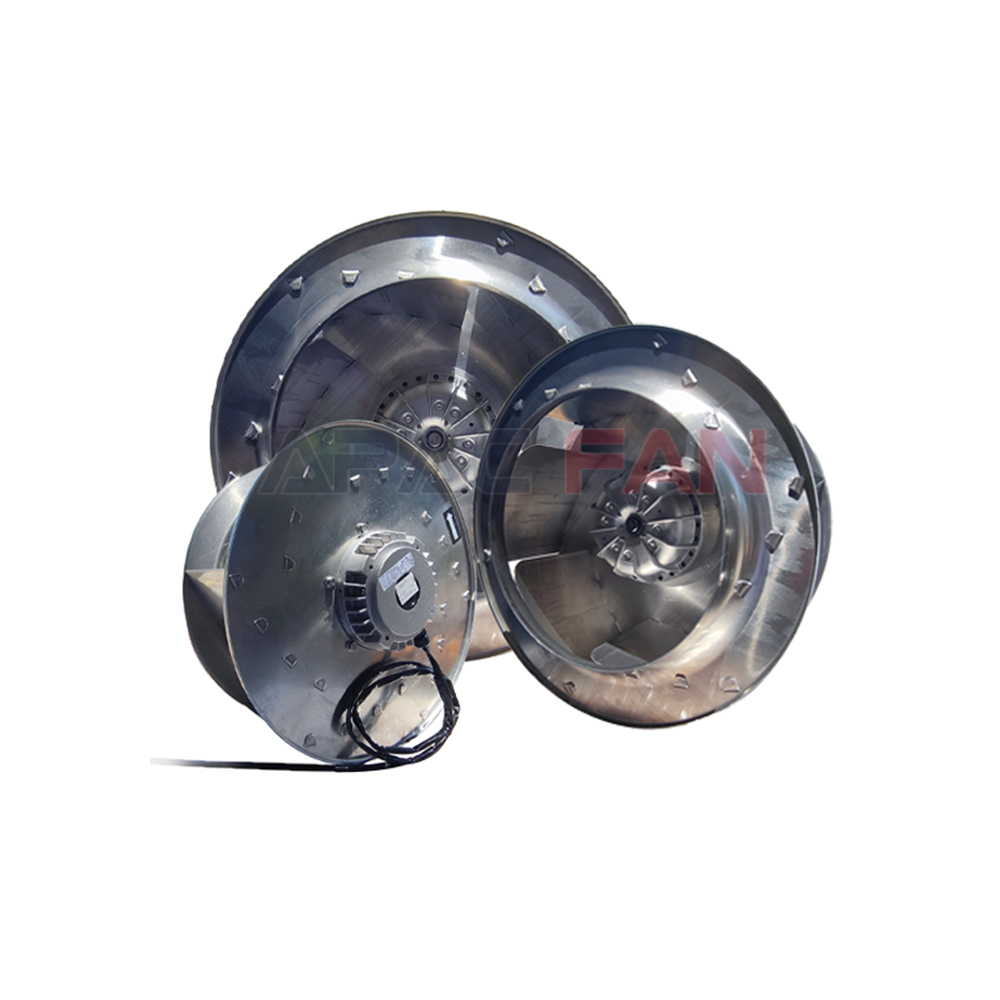
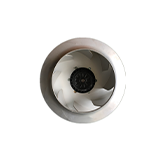
ebm-papst data centre materials describe RadiPac as bridging the gap between liquid and air cooling solutions and identify coolant distribution units as an ideal context. This should be interpreted carefully: it is a manufacturer positioning statement, not a universal design rule. The project engineer still needs to verify airflow, pressure, electrical interface, safety requirements, and service access for the actual CDU design.
Liquid-to-air cooling and RDHx overlap
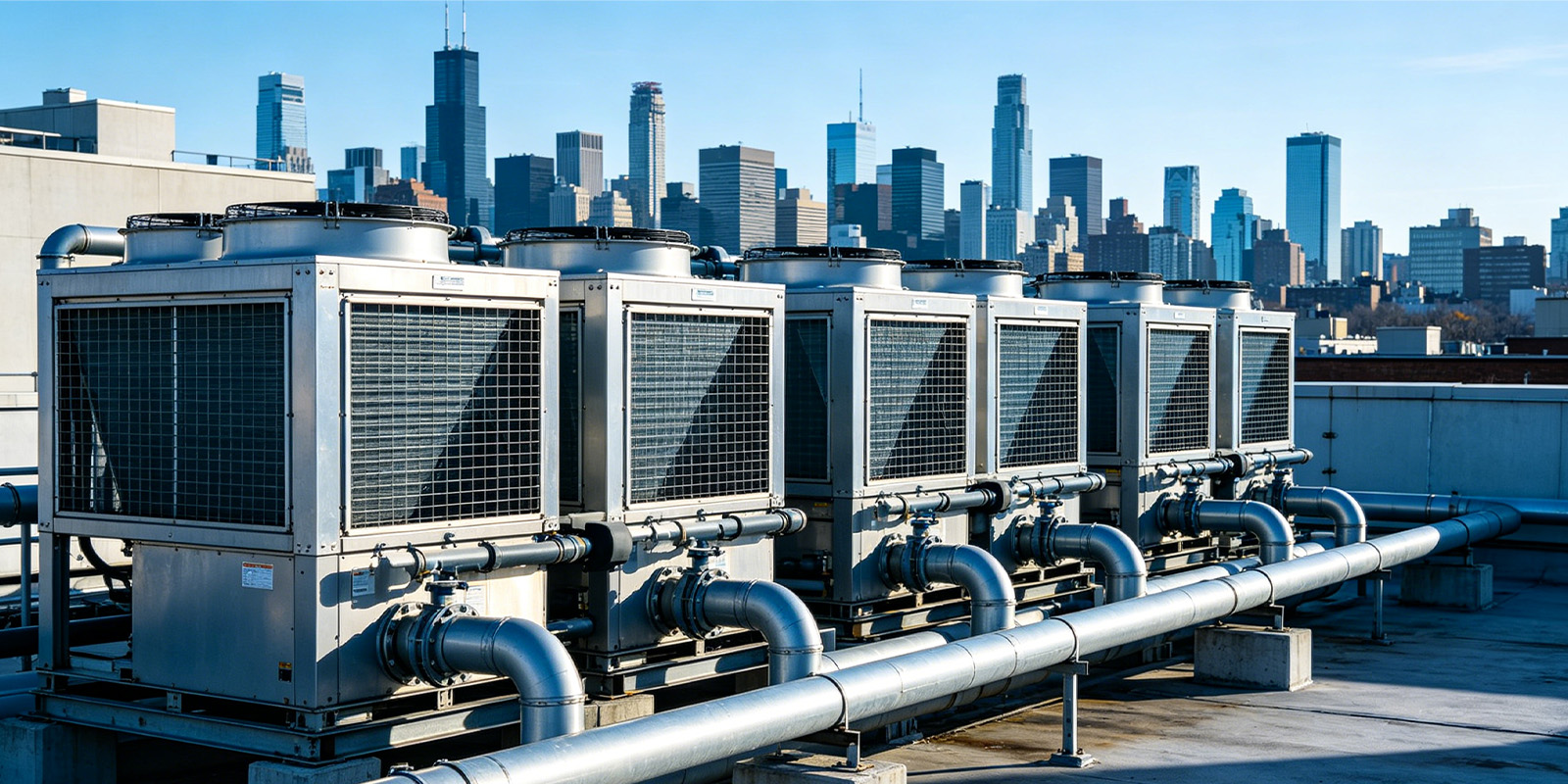
Liquid-to-air cooling transfers heat from a liquid loop back into air. That may sound like a step backward, but it can be practical in retrofit spaces or architectures where facility water conditions, outdoor heat rejection, or rack-level design require an intermediate approach. Fans are required to move air through the heat exchanger, and their efficiency affects the overall value of the solution.
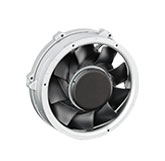
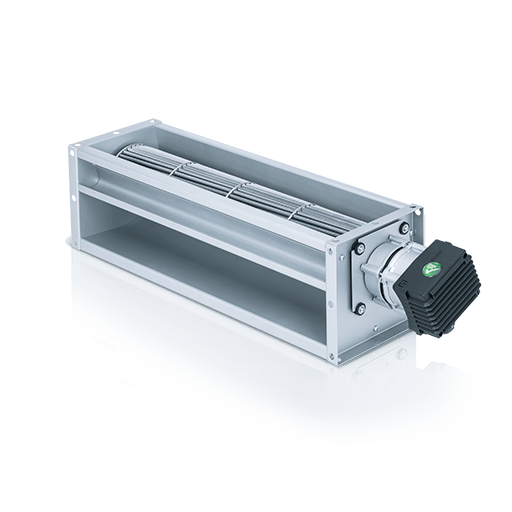
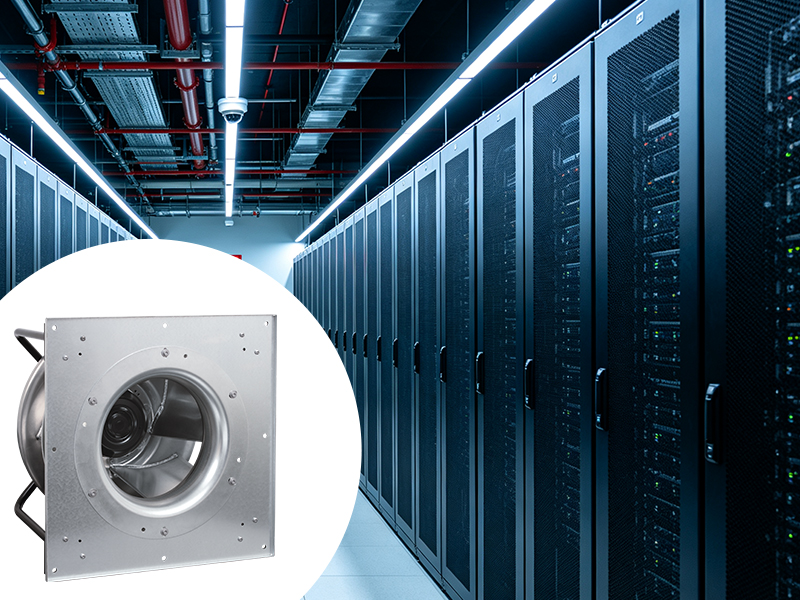
ebm-papst data centre materials describe RadiCal as suitable for rear door heat exchangers and L2A cooling. This aligns with the broader requirement for compact, efficient fan modules near heat exchangers. As with RDHx, the important design issue is not simply the fan family. It is the interaction between heat exchanger pressure drop, control strategy, redundancy, and maintenance access.
Residual air cooling in hybrid halls
Hybrid facilities can be harder to operate than single-mode facilities because the thermal map is uneven. Some racks may reject heat mainly through coolant. Others may remain fully air-cooled. Network rows may have lower heat density but strict reliability needs. Storage equipment may behave differently from GPU servers. Fans in the room and support units must handle this diversity without creating unnecessary airflow conflicts.
A good hybrid plan keeps air paths visible. Operators should still manage hot aisle and cold aisle separation, blanking panels, cable openings, and rack inlet conditions. Liquid cooling may reduce the volume of air required, but it does not make bypass airflow harmless. If remaining air systems are neglected, the facility may lose some of the energy benefit that liquid cooling was supposed to provide.
Designing fans for the transition period
Many data centers will not convert to liquid cooling all at once. They will add liquid-cooled clusters, upgrade rows, install CDUs, and maintain conventional air-cooled equipment for years. Fans selected today should fit that transition period. They should be controllable, serviceable, and visible to operations teams. They should support both today's mixed loads and tomorrow's higher density zones.
The practical message is simple: liquid cooling changes where fans are needed, not whether fans are needed. Fan applications become more specialized, closer to equipment, and more integrated with controls. Data centers that plan this carefully can support high-density IT while avoiding the mistake of treating airflow as a legacy concern.
Application perspective
Hybrid cooling articles should also explain that air and liquid systems can compete if controls are not coordinated. For example, a room air system may continue to respond to return air temperature even after much of the chip heat is captured by liquid. If setpoints are not revisited, the room fans may continue operating at old levels. The energy opportunity appears only when the control strategy acknowledges the new heat split.
Operators should also plan spare parts differently. A liquid-cooled cluster may add CDU fans, pump electronics cooling, and heat exchanger fans while reducing demand on some room fans. The asset list changes. Maintenance teams need naming, documentation, and monitoring that reflect this new topology. Otherwise, a small support fan can become a surprising weak point in an expensive high-density deployment.
Hybrid designs also need clear ownership boundaries. IT teams may own cold plates and server connections, facilities teams may own facility water and room cooling, and an integrator may own the CDU package. Fans can sit in any of those responsibility zones. If an alarm appears on a CDU fan, the response path should be defined before the first incident. Documentation and training make the hybrid system operable rather than merely technically impressive.
Capacity planning should include residual air heat as a first-class number. If designers estimate only the liquid-captured load, they may understate the fan work still required in the room. Network switches, storage shelves, power supplies, and unconverted racks can keep air cooling significant. A hybrid design is strongest when both heat paths are quantified.
FAQ
Q: Do liquid-cooled data centers still need fans?
A: Yes. Fans often remain necessary for support equipment, power electronics, memory, storage, networking, CDUs, liquid-to-air cooling paths, and room-level residual heat.
Q: What is a CDU?
A: A coolant distribution unit manages coolant flow between facility systems and IT liquid cooling loops. Some CDU designs include air-cooled components or require fan-assisted heat rejection depending on architecture.
Q: What is L2A cooling?
A: L2A usually refers to liquid-to-air cooling, where heat in a liquid loop is transferred back to air through a heat exchanger and fan system.
Q: Where does ebm-papst mention these applications?
A: ebm-papst data centre materials describe RadiCal as suitable for RDHx and L2A cooling, and RadiPac as relevant to coolant distribution units in its data centre solution language.
Q: What is the biggest design risk?
A: The risk is assuming liquid cooling removes the need for airflow planning. Hybrid halls still need careful fan application for remaining air loads and support equipment.